

[image]
[title]Bert Mueller didn’t come to India planning to build a burrito chain. Nicholas Grossemy couldn’t have dreamt he’d open 17 sandwich shops here. And it was only a running joke in Devina Reissmueller’s family that she’d ever be able to bring Swabian pretzels to the country she was adopted from.
Yet today, a California-style burrito bowl, a crusty French panini, and a German brezel all feel perfectly at home in one Indian city: Bengaluru.
For years, Bengaluru’s reputation travelled on the strength of code and capital, and left the food talk to Delhi and Mumbai. But of late, that’s changed. The city’s starting to consistently appear on national bar and restaurant lists, but more tellingly, it’s become a place where foreign founders are choosing to build everyday food brands. Not fine-dining showcases, mind you – but neighbourhood fixtures that people return to weekly, even daily.
What makes them stay?
When Mueller first arrived in India in 2010, it was as a student in Jaipur, majoring in music and public policy and looking for immersion in a culture far removed from his own. The idea for what would become California Burrito took shape informally, when he saw an Indian host family fall in love with a classmate’s homemade Mexican food.
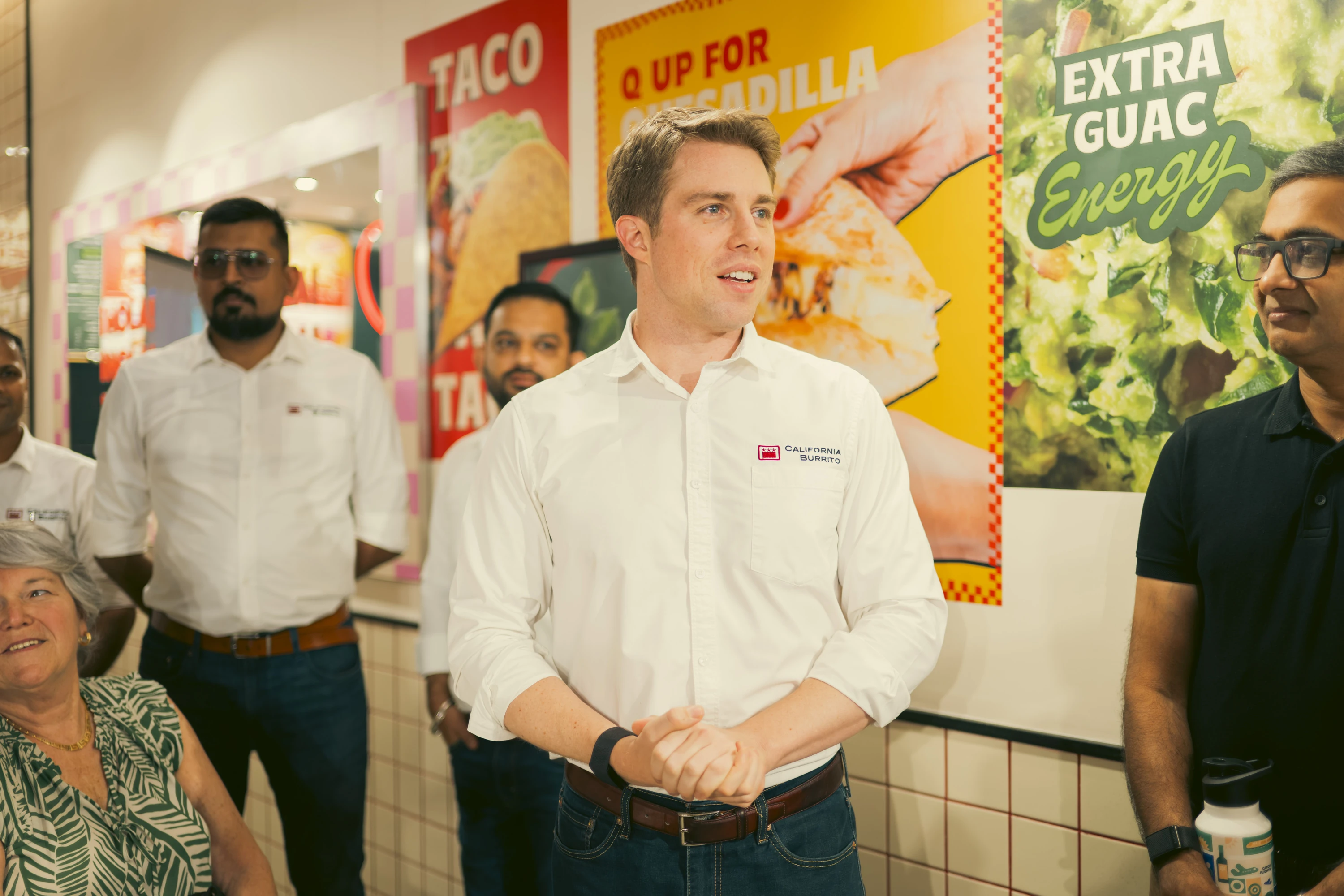
By 2012, he had moved to Bengaluru with two friends and opened the first outlet of Californio Burrito – a fast-casual Mexican eatery inspired as much by Bengaluru’s darshini culture as by Southern California’s grab-and-go ethos. Word of mouth spread quickly. Today, the brand operates in multiple cities across India, with over 100 outlets nationwide.
‘It’s an immigrant city with a well-travelled, curious audience willing to try something new,’ Mueller says of Bengaluru. He had surveyed other markets – Gurugram, for instance, ticked boxes on paper – but Bengaluru, he felt, had ‘soul’. It was here that the concept first found loyal regulars.
His description isn’t accidental. Decades of inward migration – engineers, designers, students, startup founders – have shaped a city comfortable with flux. For founders building a food brand rooted in a culture outside of India, that openness is crucial, because most often, it translates to the table, too.
For Nicholas Grossemy, who arrived in India in 2015 for an internship, the gap between how French food is actually eaten back home and how it was perceived in India was immediately apparent.
‘I grew up on street food, bakeries and sandwiches. They’re a staple in France, something you can eat every day,’ he says. In Bengaluru, he found French cuisine positioned as expensive and occasion-driven.
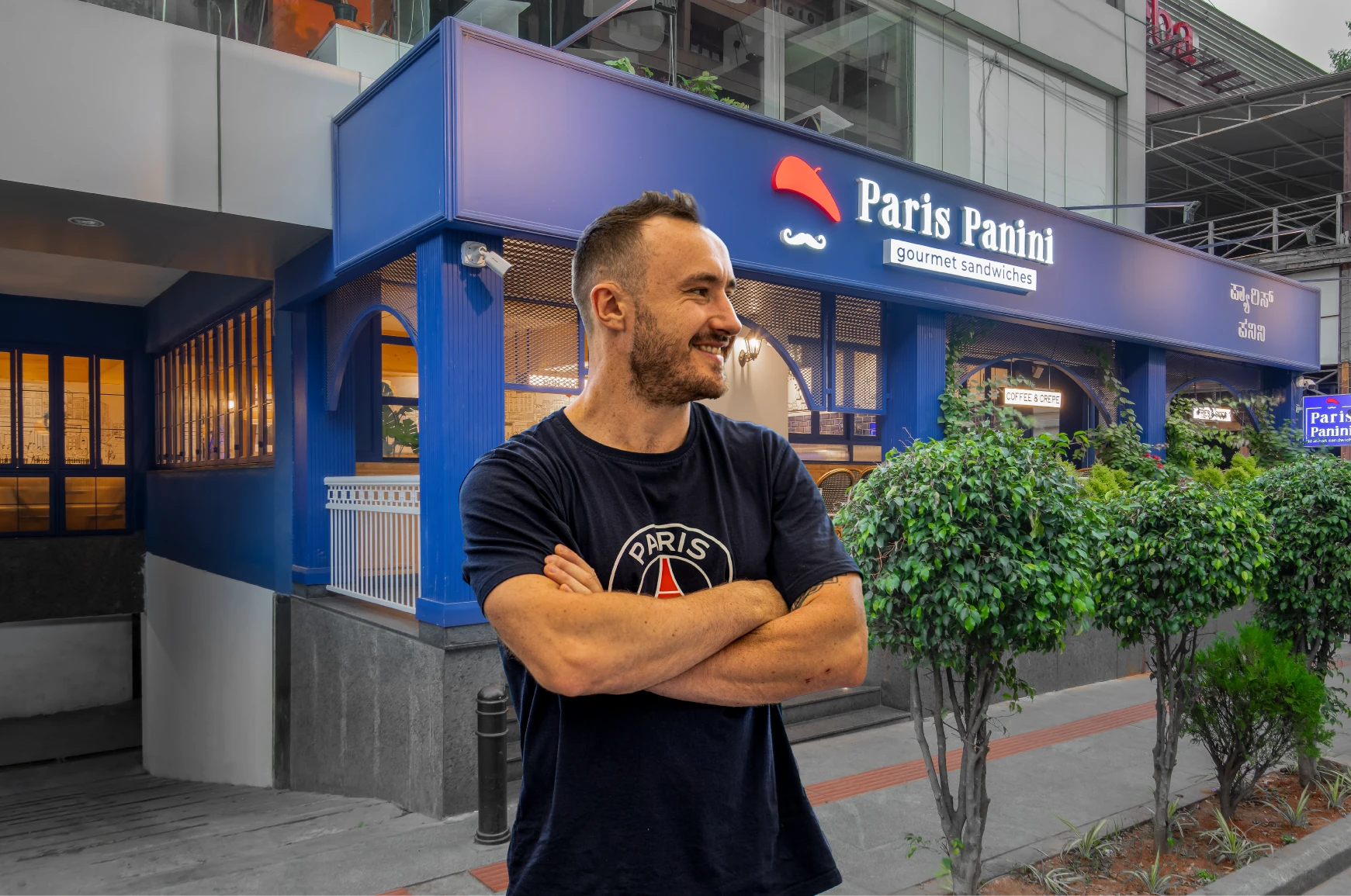
‘I wanted to bring to India the France I actually lived in, which is casual, affordable, and built around a good sandwich,’ he says.
He began with a retrofitted van, one of the city’s early food trucks, mapping weekly routes and serving French-style paninis and café bites. Customers tracked the truck on social media and queued up. That moving kitchen evolved into Paris Panini, now a chain of deli-style cafés across Bengaluru. For Grossemy, the city offered something else too: scale within a single market. ‘The market here’s so big that you don’t need to look elsewhere,’ he says. Even with 17 locations in the city, he sees room to grow.
But if Grossemy’s story’s about identifying a market gap, Devina Reissmueller’s is about return. Adopted from India and raised in Germany, she grew up moving between cultures, returning each year to India. Food, especially, remained a constant bridge, because her adopted father ran Indian restaurants in Germany.
By her late teens, moving to India felt almost like a homecoming. The long-running family joke about bringing Swabian pretzels to India began to feel viable, particularly as diners in Bengaluru became more globally curious. In 2023, she and her cousin opened BrezelHaus – an authentic German bakery – in Indiranagar.
‘India wasn’t ever foreign to me. It was part of who I was,’ Reissmueller says. ‘At some point we realised the joke didn’t have to stay a joke. We could build a place that felt like the Germany we actually lived in.’
For Joonie Tan, the journey to Kopitiam Lah came after success of a different kind. The Malaysian pastry chef had already built one of Bengaluru’s most respected baking schools and café brands, Lavonne, before turning inward.
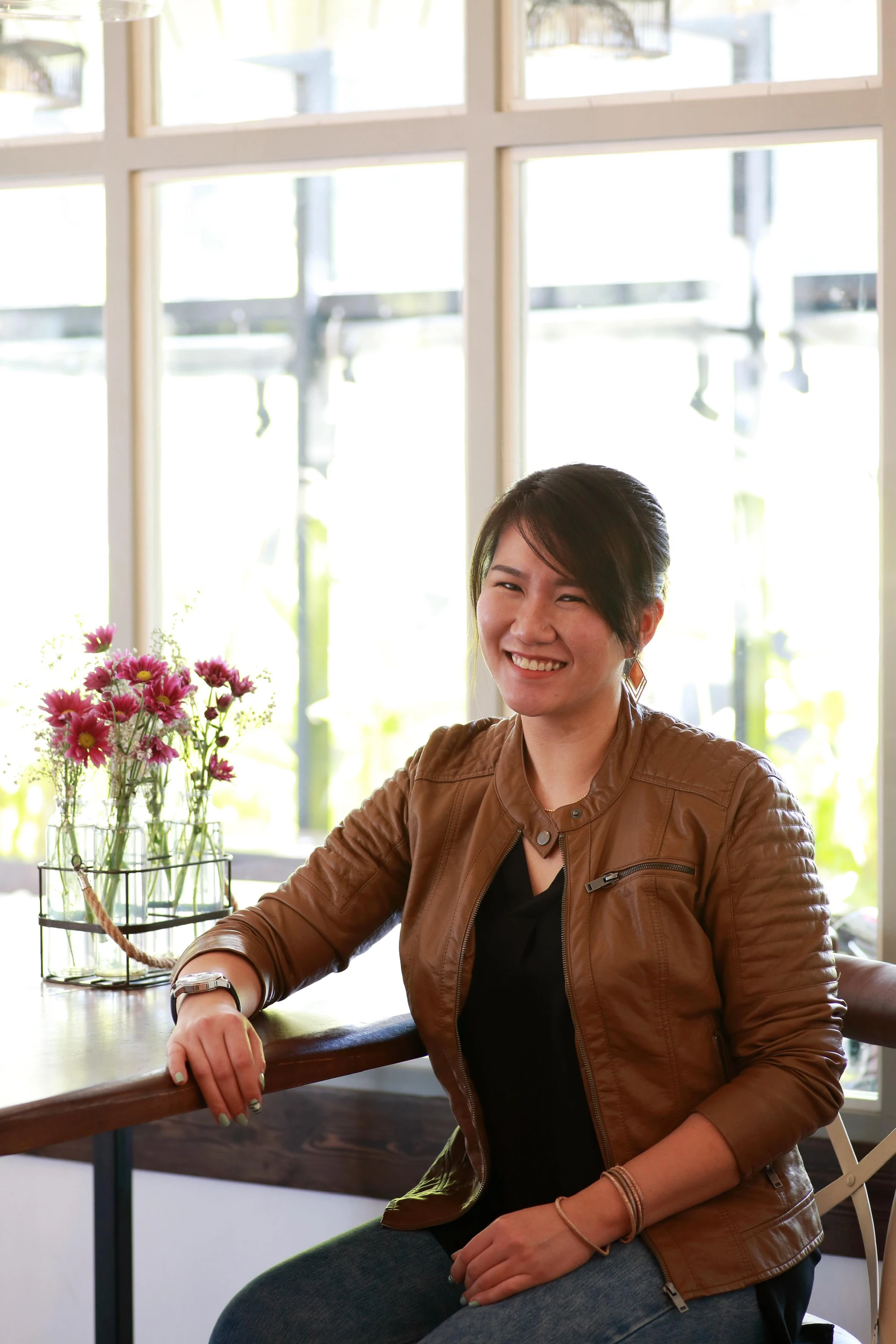
‘Lavonne taught me how to build a business brick by brick,’ she says. ‘But Kopitiam Lah comes from memory. It’s the food I grew up with, the kind you eat every day.’
Rather than position it as a trend-forward Southeast Asian concept, she imagined a living room of sorts, as a space where kaya toast, kopi and hawker-style staples could feel as natural to Bengaluru as filter coffee. ‘Malaysia is my first home, but Bengaluru is my second,’ she says. ‘Bringing kopitiam here felt natural, like bringing one home into another.’
And if their origins differ, their negotiations with the city converge in similar ways.
Real estate, regulation and capital tested patience. Grossemy, for instance, spent years fundraising; the pandemic forced a pivot to delivery just months after opening his first permanent outlet. ‘Location is everything. It’s better to wait than open in a hurry and struggle,’ he says. He insists on baking fresh bread daily and controlling production in-house. Cloud kitchens help test new neighbourhoods; dine-ins build trust.
For Tan, authenticity required travel, training and restraint. She returned to Malaysia to source ingredients, worked closely with her team to internalise flavour profiles, and priced carefully without diluting the experience. ‘You respect the cuisine and you respect the diner,’ she says. Rather than chase rapid expansion, she prioritised regulars: ‘depth before scale.’
Reissmueller echoes that patience. ‘Things here (Bengaluru) move differently,’ she feels. ‘If you come prepared to learn and adapt, it’s incredibly rewarding.’
Across burritos, paninis, pretzels and kopi, what endures, ultimately, though, is not the initial novelty that foreign chefs and their expertise promise. At the end of the day, familiarity wins the game. In a city shaped by migration and changing trends, fancy ideas that flop in quality wouldn’t last a day. And the foreign founders who have built a base in Bengaluru have, realising that, created something that feels like an extension of home.