
This rising travel trend aims to put the fun and adventure back into travel, but is it worth the hype?
Get us in your inbox
🙌 Awesome, you're subscribed!
Thanks for subscribing! Look out for your first newsletter in your inbox soon!
Oops, no results for:
Try checking your spelling or visit a recently searched city/country below
Try checking your spelling or visit a popular city below
This rising travel trend aims to put the fun and adventure back into travel, but is it worth the hype?
This rising travel trend aims to put the fun and adventure back into travel, but is it worth the hype?

Time Out Market is coming to Barcelona – and will open on Port Vell this summer

The new Time Out Market will be home to 12 restaurants, two bars, a tasting room and a shop

Ahead of Italy’s Liberation Day, measures are being taken to manage the huge crowds expected in this picturesque region

Italy’s latest attempt to fight overtourism is a fee on day-trippers to Venice at peak times

Here’s a guide to all the strikes happening in travel right now – and how they might affect your holiday

European capitals dominate the list, according to Reddit users

The Tripadvisor Travellers’ Choice Awards have spoken

Nestled between Benidorm and Alicante, it boasts vibrant buildings and a gorgeous palm tree-lined beach

Time Out Market us now open, bringing 17 top chefs to Souk Al Bahar

More than 40 spaces from Lisbon’s leading foodies, all under one roof

21 eateries from some of New York City’s top chefs and restaurateurs

13 kitchens, four unique bars, 750 seats and jaw-dropping Table Mountain views
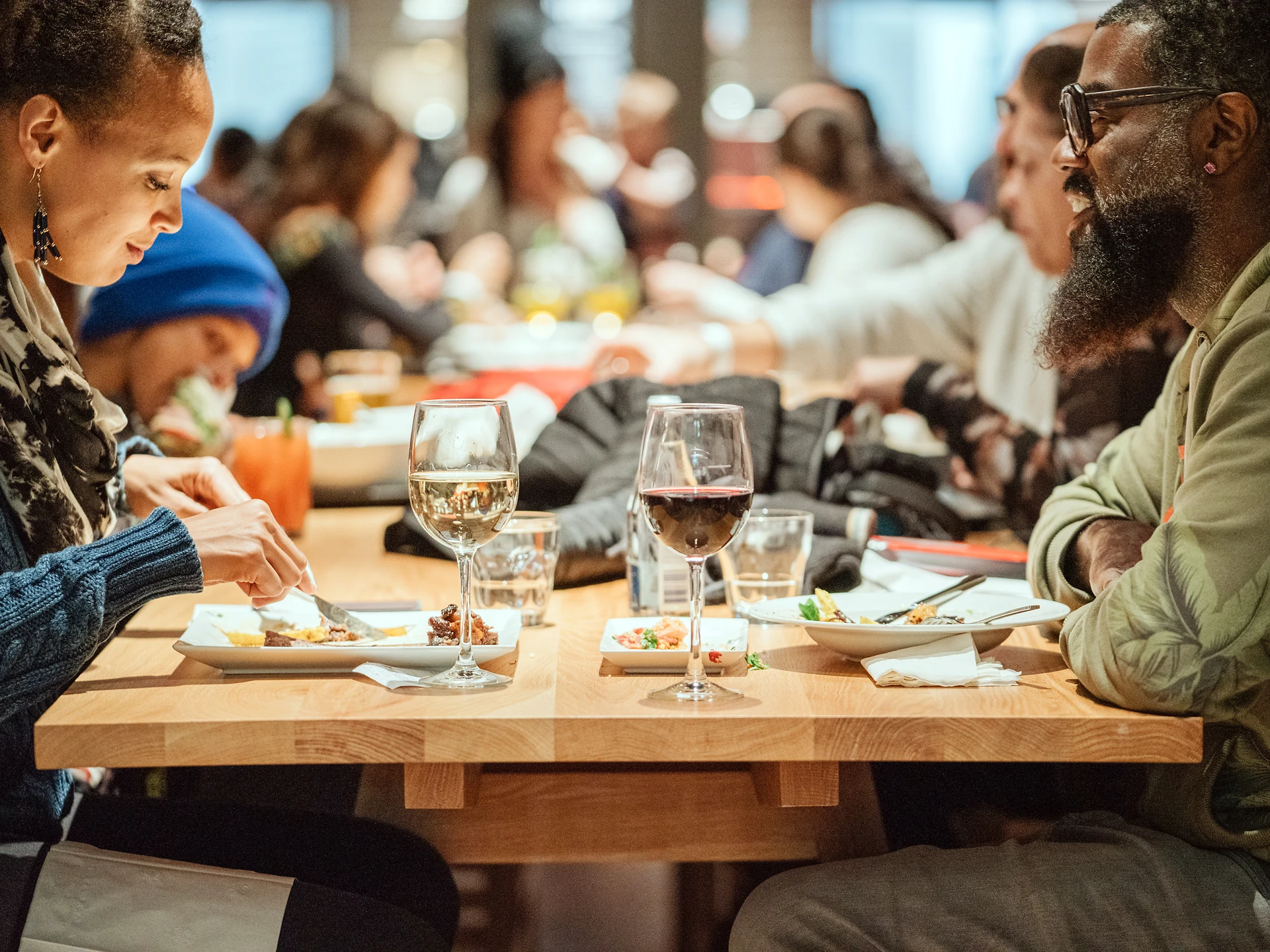
This expansive 36,000-square-foot food hall and cultural hub features 16 food offerings

This 50,000-square-foot food hall brings Time Out’s Chicago curation to life

We polled city-dwellers and grilled local experts for our annual ranking of the world’s coolest areas

Every year we rank the very greatest cities in the world, based on a survey of thousands of locals

From a little-known Greek island to an English seaside city brimming with culture, these underlooked destinations are well worth a visit

These beautiful islands around the world are the dictionary definition of paradise

Silent classics, noirs, space operas and everything in between: Somehow we managed to rank the best movies of all time

Giggle along with our list of the cinema’s funniest movies like Borat and Mean Girls

From human clones to alien invasions: we asked scientists, filmmakers and writers to select the best sci-fi films in cinema history

From Aliens to Zatoichi: the greatest car-racing, punch-throwing, walking-away-from-explosions thrill rides in cinema

Amazing culture, amazing restaurants, amazing bars, amazing everything

Malibu to Venice Beach to Sunset Strip to Amoeba Records: LA has it all

Time Out readers voted the Windy City the best in the world

Beach days and late-night parties fueled by rum and cafecito

Gorgeous beaches, a thriving restaurant scene and… penguins? Count us in

From hammams to haggling at souks, Marrakech is chilled one minute, full-on the next

South Africa’s biggest, buzziest city feels like it’s being reborn. Get around with our guide

Imagine a place where you’re warm all year round. Got it? Well, that’s Durban

This vast, football-mad metropolis is a melting pot of cultures, colours and cuisines

From Carnival to the ubiquitous street parties, no one throws a bash like Rio’s cariocas

Locals’ undying lust for life infatuates visitors to the humming Colombian capital

Head to Brazil’s biggest city for five-star food, killer clubs and sumptuous skylines
Discover Time Out original video


