[category]
[title]
This landmark deal is expected to add $10 billion to Australia’s GDP by 2030


This week, history was made as Australia officially secured a landmark free trade agreement with the European Union (EU) – the world’s second-largest economy, home to around 450 million people.
Eight years in the making, this landmark deal will cut more than 99 per cent of tariffs on EU goods entering Australia, while eliminating 97.8 per cent of tariffs on Australian exports to Europe. It’s a major economic win, with the agreement projected to add $10 billion to Australia’s GDP by 2030.
Here are the key benefits of the new Australia–European Union Free Trade Agreement.
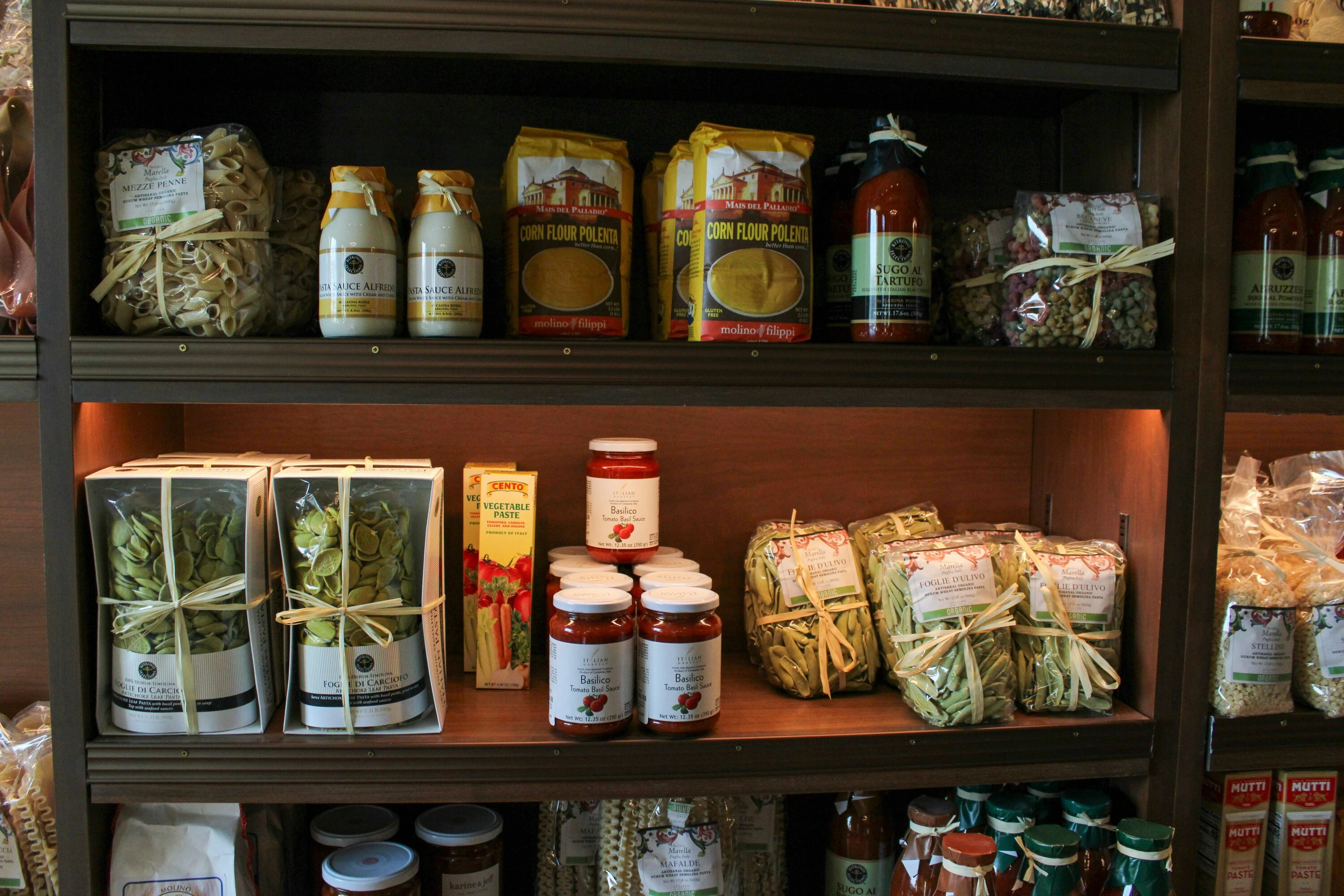
Your fancy European grocery haul could get a little less spenny, with tariffs being removed on a range of EU imported products, including:
Australian farmers and producers will benefit big time from the new trade deal, with 97.8 per cent of tariffs removed from Aussie goods heading to Europe. This includes:
Other agricultural products will also benefit from new or expanded tariff-rate quota volumes, including:
The new deal means Australians can keep using familiar names like parmesan and kransky, but other cheese names – including feta, romano and gruyère – will need to be phased out over time. Australian producers will also still be able to use the term prosecco for domestic sales, but for exports, it must be phased out over the next decade.
Under the deal, Australia will cut the five per cent tariff on European cars, including brands like BMW and Mercedes. The luxury car tax threshold for electric vehicles will also increase to $120,000, meaning any zero-emission vehicles below this value will no longer be hit with the 33 per cent tax.
Most tariffs on EU exports to Australia will be eliminated, covering items like fashion, footwear, toys, games, sports-related products, machinery and electrical goods. Over time, this could make these imported goods more affordable, given that businesses actually pass on the savings.
As a bonus perk, the new trade deal will make it easier for skilled Australians to live, work and study in Europe. The EU has agreed to streamline recognition of qualifications, meaning credentials accepted in one member state will be recognised in others.
Discover Time Out original video