[category]
[title]
Ever imagined growing up in a real-life 'Round the Twist'?

Remember that kids’ TV show Round the Twist, where the zany dad and his three kids lived in a haunted lighthouse? Well, that was my life from ages seven to 12, minus the ghosts – though we had a few strange moments of our own.
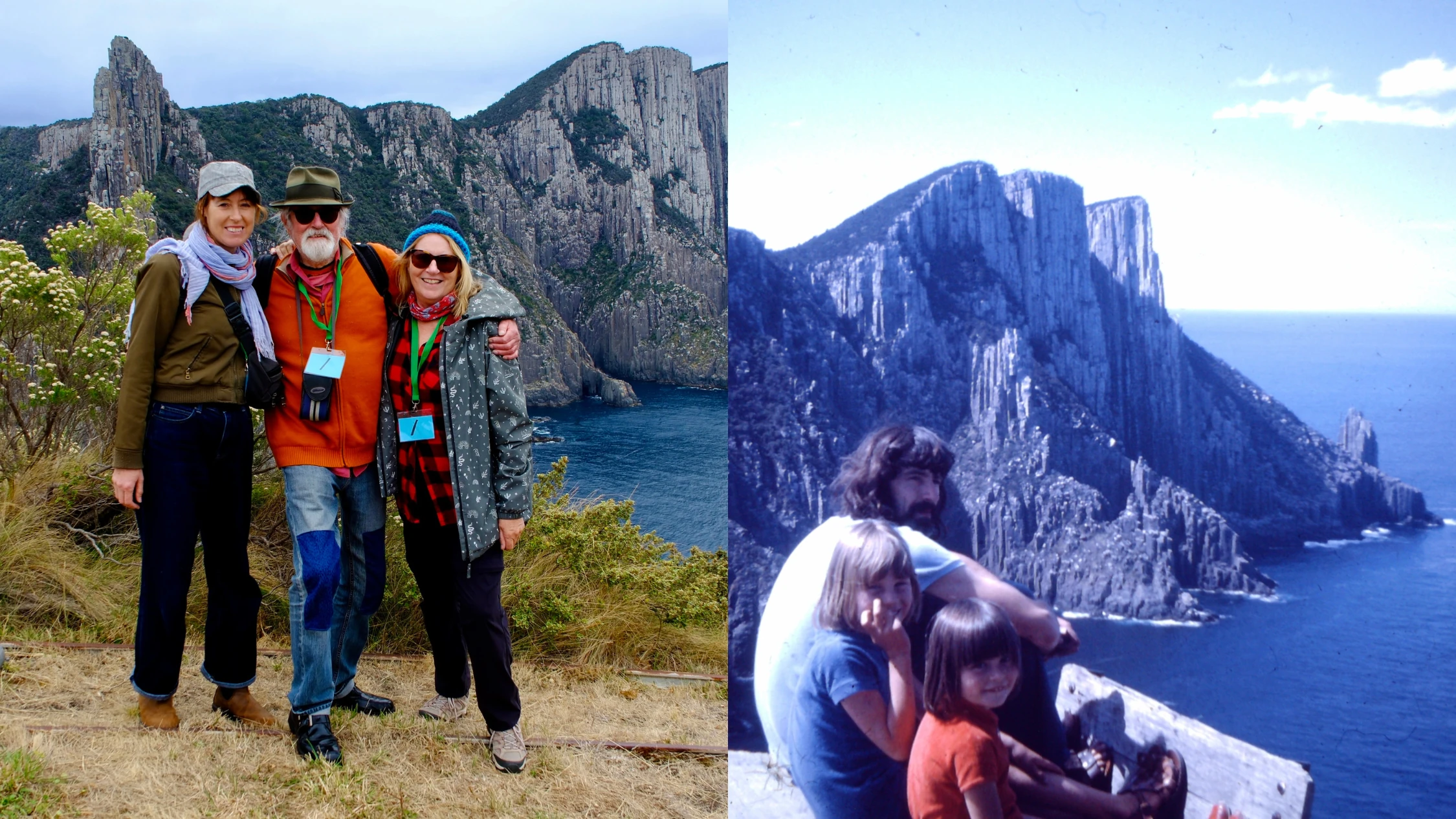
Last weekend, I got to do something most people never will: I caught a helicopter to Tasman Island, located off Tasmania’s southeast coast, with my 85-year-old dad and my little sister. It had been 49 years since we last set foot on the island, with the Rotary Club of Tasman Peninsula flying visitors there only once a year.
During my childhood, our family lived on five remote Tasmanian lighthouse stations: Cape Bruny, Tasman Island, Maatsuyker Island, Swan Island and Low Head.
Unlike Round the Twist, we didn’t live inside the lighthouses but in cottages nearby – so close I would count the flashes as I drifted off to sleep.
Growing up as a lighthouse kid on those isolated islands taught me a few things – here are my eight greatest lessons.
I’d never heard the phrase ‘delayed gratification’ at seven, but I understood it perfectly. Supplies arrived fortnightly, weather and seas permitting. Two weeks felt like forever when you’re hanging out for chocolate, fresh fruit and vegetables, or the latest library books. With no TV or radio, reading became my guilty pleasure. I waited for new books the way I now wait for my favourite Netflix series to drop.
Round the Twist got one thing right! Lighthouse communities attracted quirky people and my family counted among them. The head keeper reportedly called us ‘hippies’ when we arrived. Dad was an emerging artist with a massive record collection, and my young stepmother wore long skirts and ponchos of the 70s. An ABC documentary, Keepers of the Light, once described us as ‘gentle fugitives from the mainland rat race’. We certainly didn’t fit the stereotype of a traditional lighthouse family.
Isolation meant our healthiest years were the lighthouse years. With so little contact with the outside world, we rarely encountered viruses. The downside came later. When we eventually returned to mainland life, we caught everything. I got measles and mumps in high school after most of my classmates had already had them, and chickenpox at 25, which made me very ill.
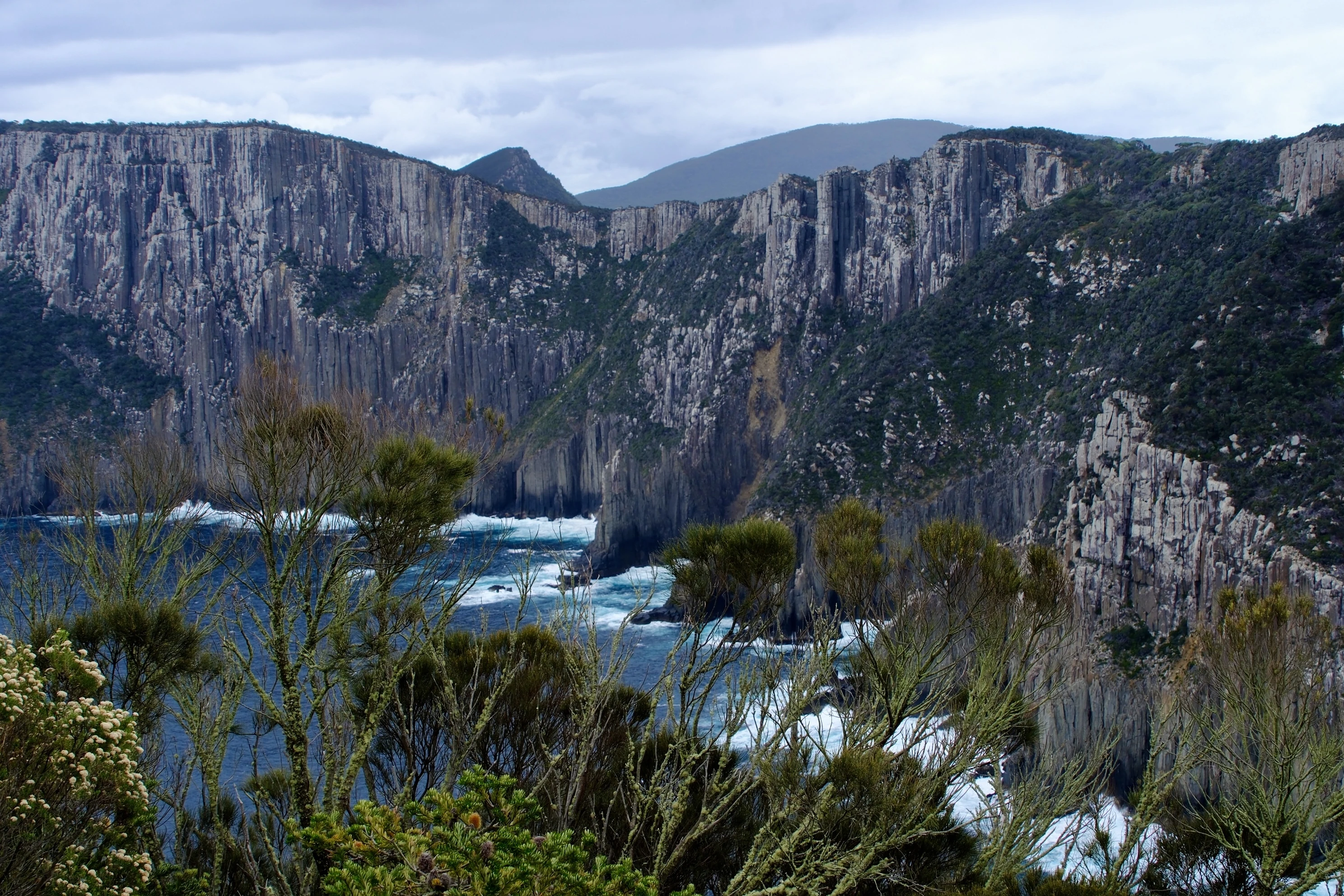
Island childhood meant freedom outdoors, but it came with risks. Tasman Island cliffs plunge 300 metres straight into the ocean, and dangerous sinkholes dot the landscape. I remember peering into the abyss while waves pounded below. We heard stories of sheep disappearing one by one, blown off cliffs or lost in crevices. Living with those dangers made me cautious from an early age.
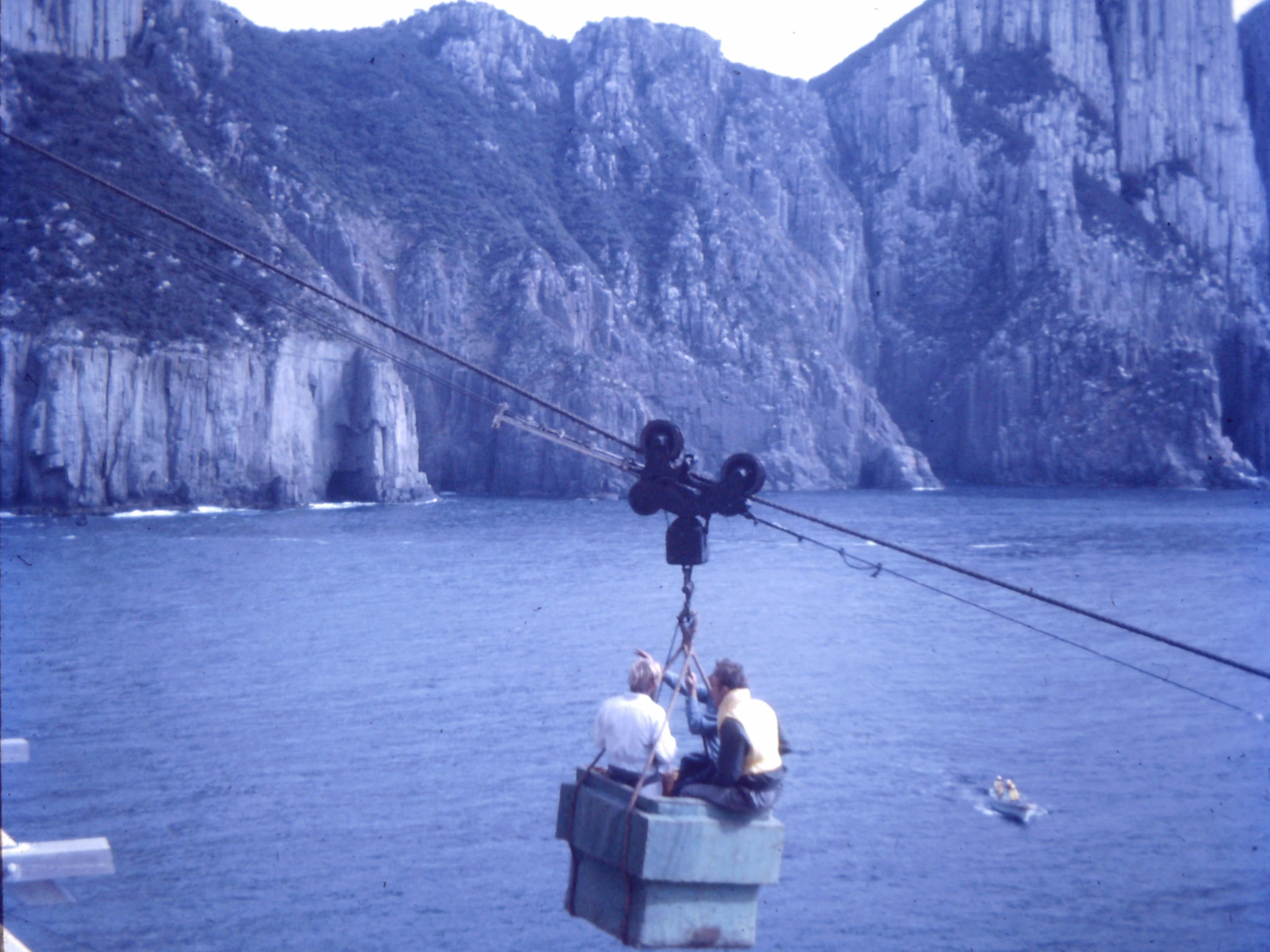
By the age of ten, I was a veteran traveller, in helicopters, fishing boats, vertical trams and light aircraft. Our posting to Maatsuyker Island introduced me to my first chopper ride. Swan Island, nicknamed ‘Snake Island’ for its tiger snake population, required a bumpy five-kilometre flight in a small aircraft. In truth, the flight was the least of our worries.
One Christmas morning on Tasman Island, I stepped outside and was literally lifted off the ground by the ‘Roaring Forties’. The wind carried me down the track, arms pinwheeling wildly, until Dad rugby-tackled me before I reached the cliff. For about seven seconds, I knew what it was to fly!
Forget Uber Eats. Fishermen often left crates of rock lobster on the landing, along with tuna, abalone and scallops. It sounds sumptuous, but trust me, you CAN have too much lobster.
Island life was feast or famine. When seafood wasn’t on the menu, we lived on rice, beans and lentils, while Dad baked sourdough in a combustion stove fuelled by coal briquettes that burned 24/7 for warmth and cooking.
Even with siblings around, I was the eldest and often a loner, so I had an imaginary friend, Liza, who could arrive and leave by helicopter. I spent hours hiding beneath an empty half-water tank behind our house; anything to escape my correspondence school lessons with my stepmother. Looking back, I must have been dreaming of escape.
While life on the islands could be lonely and a little wild, it was also magical. It shaped who I am in quiet, lasting ways. Even now, I can’t imagine a childhood I’d rather have had.
Discover Time Out original video