[category]
[title]
With its striking landscapes and rare natural phenomena, the Kimberley region is unlike anywhere else on Earth


As a travel writer, I’m constantly asked to pinpoint Australia’s most underrated destination. After three years of travelling the country, I finally have my answer. It isn’t a trendy beach town trying to be the next Byron Bay, nor a hidden gem a short drive from a capital city; it’s an expansive wilderness region unlike anything else on Earth.
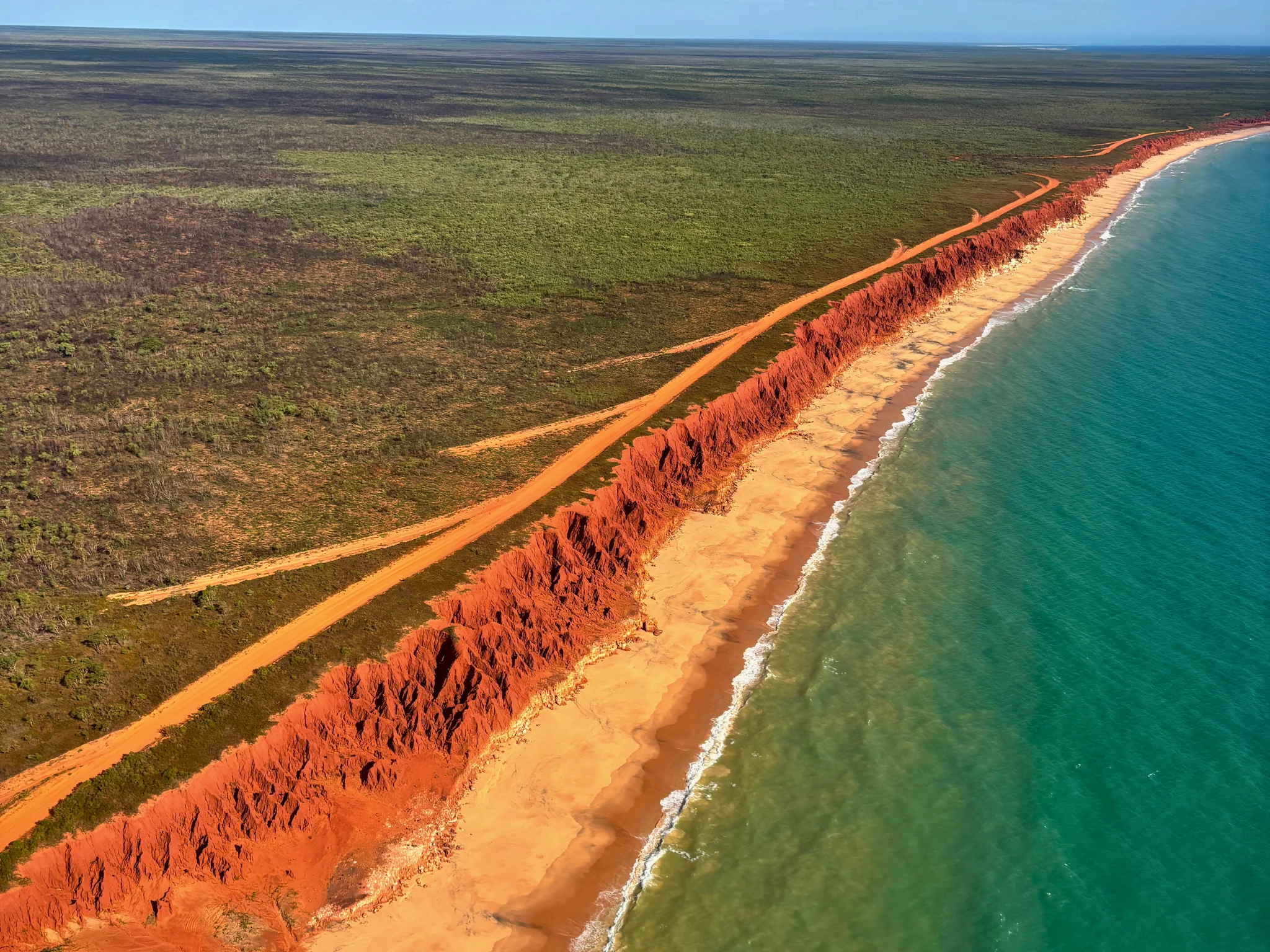
If you didn’t recognise it from the cover photo, I’m putting the Kimberley forward as Australia’s most otherworldly and underrated destination. Famed for its fiery red pindan cliffs and untouched turquoise beaches, this remote stretch of Western Australia looks just as jaw-dropping in real life as it does on a postcard – no Photoshop required.
I spent three jam-packed days exploring the Kimberley and barely scratched the surface. But what I did experience absolutely blew my little mind, and I’m here to tell you why the region belongs at the top of your travel bucket list.
The landscapes
I’m calling it: the Kimberley’s beaches might be the most visually striking in all of Australia. The electric-blue water isn’t just balmy and inviting year-round; it collides with crimson pindan soil and bright white sand to create a living postcard. It’s even more spectacular at dusk, when you can watch the sun melt into the Indian Ocean.
I also love how no two visits to the beaches here are the same. Fueled by the Southern Hemisphere’s largest tides, sea levels in the Kimberley fluctuate by up to ten metres. Head to Broome’s Gantheaume Point at low tide to discover 130-million-year-old dinosaur footprints, or visit Riddell Beach at high tide to watch incoming turquoise waves crash into the deep red cliffs.
Of course, there’s so much more to the Kimberley than its idyllic coastline. If I had more time, I would've loved to trek through the beehive-striped sandstone domes of the Bungle Bungle Range and conquer the iconic 660km Gibb River Road.
The natural phenomena
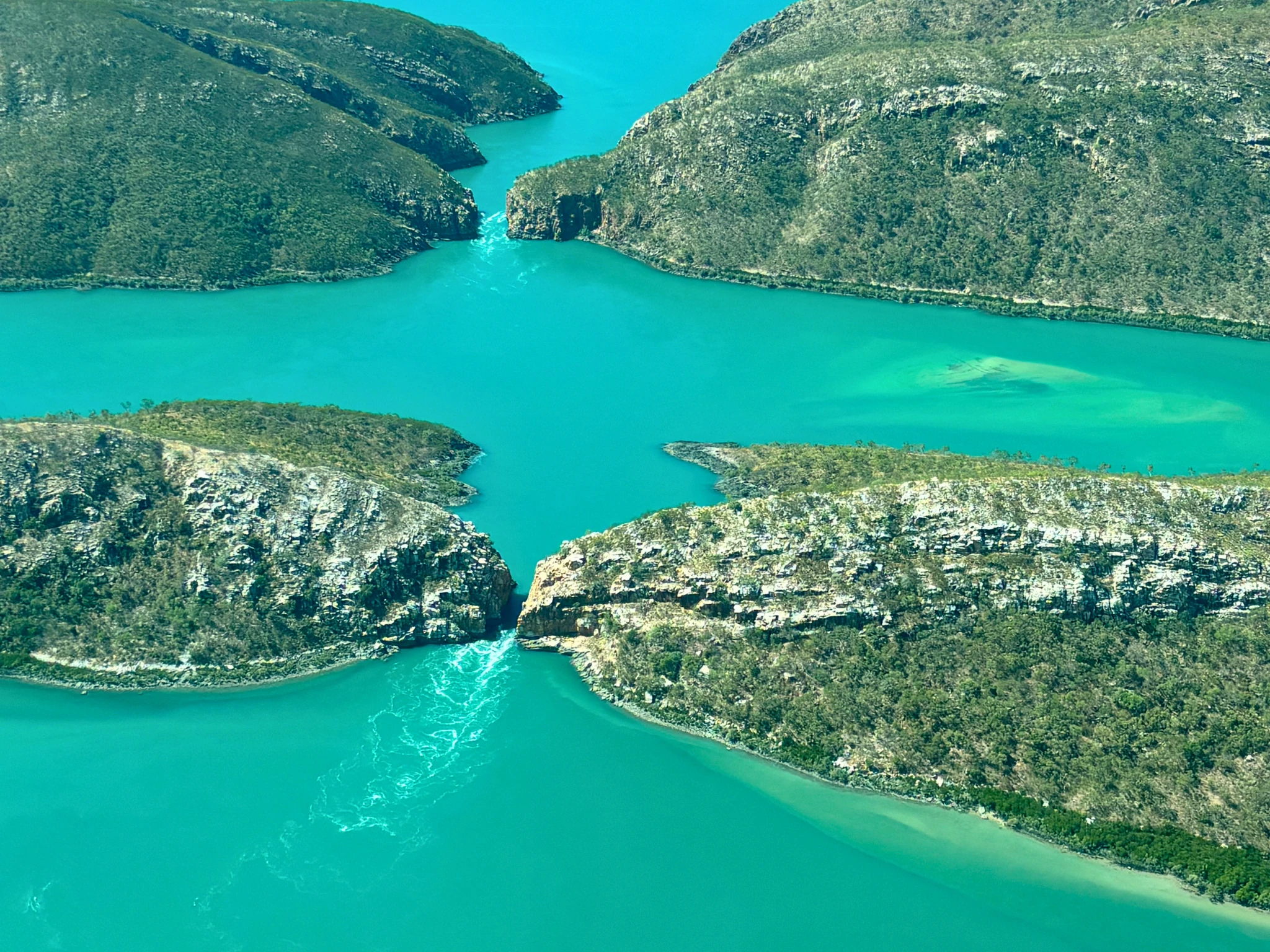
The Kimberley packs in more natural phenomena than anywhere else in Australia, headlined by Horizontal Falls, which Sir David Attenborough famously dubbed “one of the greatest natural wonders of the world.” I was lucky enough to witness these roaring sideways “waterfalls”, formed when powerful, fast-moving tides force billions of litres of water through two narrow gorges in Talbot Bay. It's serious bucket-list stuff.
Just a week before I arrived, Broome put on another famous show: the Staircase to the Moon. Between March and October, the full moon rises over the exposed mudflats of Roebuck Bay at low tide, creating an optical illusion of a golden staircase stretching to the horizon. Judging by the photos, it’s well worth timing your trip around.
The culture
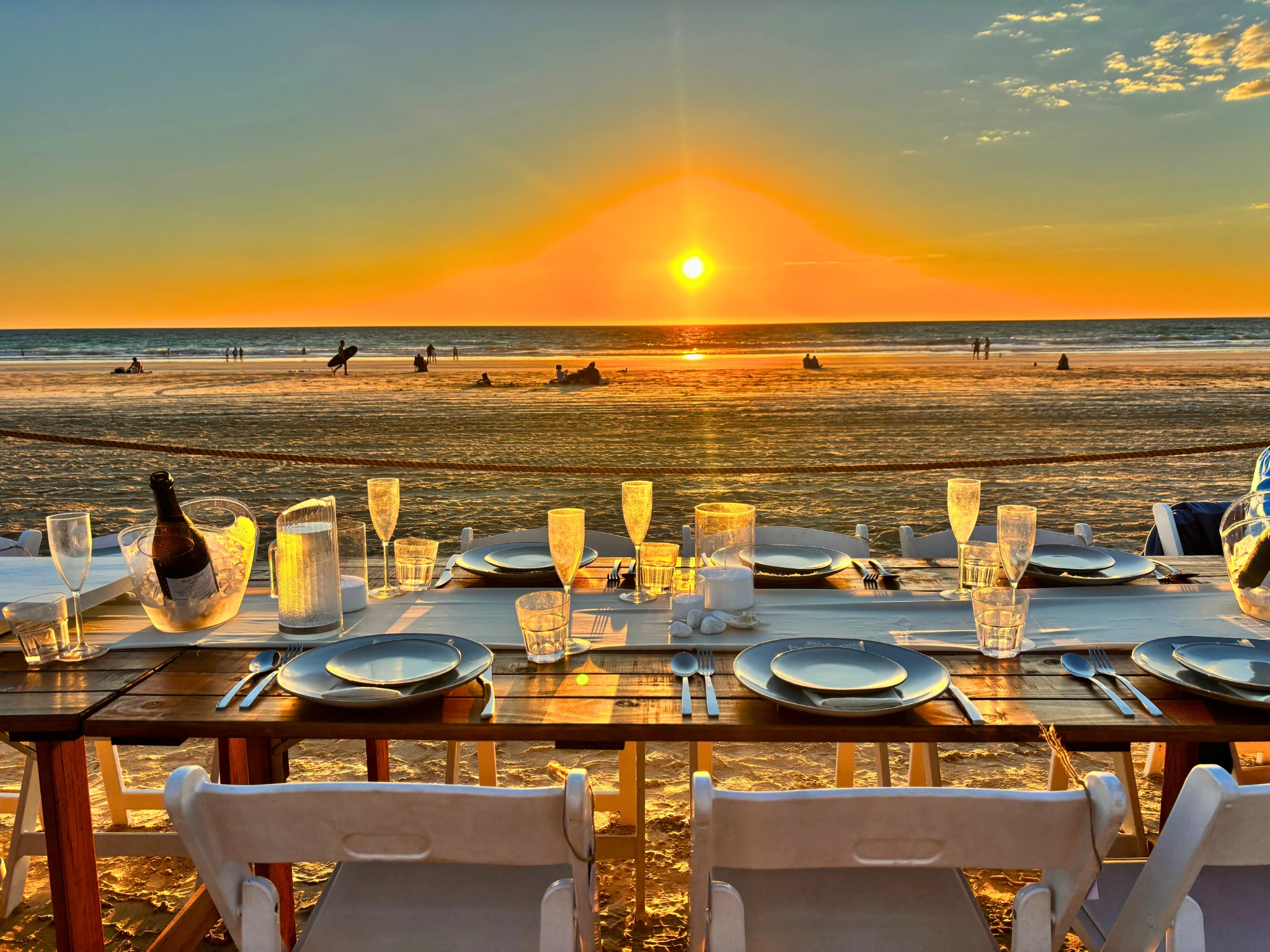
The Kimberley’s pearling history makes its main coastal hub, Broome, a melting pot of cultures. I visited during the annual Shinju Matsuri (Festival of the Pearl), when the whole town comes alive to celebrate its Japanese, Chinese, Malay and First Nations roots. There were floating lantern ceremonies, dragon dances, a drone show and the Sunset Long Table Dinner on Cable Beach, which in 2026 spotlighted Fijian cuisine. Sharing a three-course feast with strangers on the sands of Broome’s most iconic beach was more than just a meal – it was a moment to reflect on the ancient saltwater culture that makes the Kimberley so special.
Discover Time Out original video