[category]
[title]
These are the ‘secret wonders’ of Australia, according to Lonely Planet


What do a bubblegum-pink lake, a floating forest, a grassless golf course and a giant sinkhole have in common? They’re all officially classified as “secret wonders” of Australia – underrated spots that fly under the tourist radar, but are totally worth the detour.
In Lonely Planet’s latest book, Secret Wonders of the World, travel experts have spotlighted hundreds of the planet’s weirdest and most wonderful sights – and 15 of them are hiding right here in Australia. Take a scroll to uncover the best secret sights Down Under.
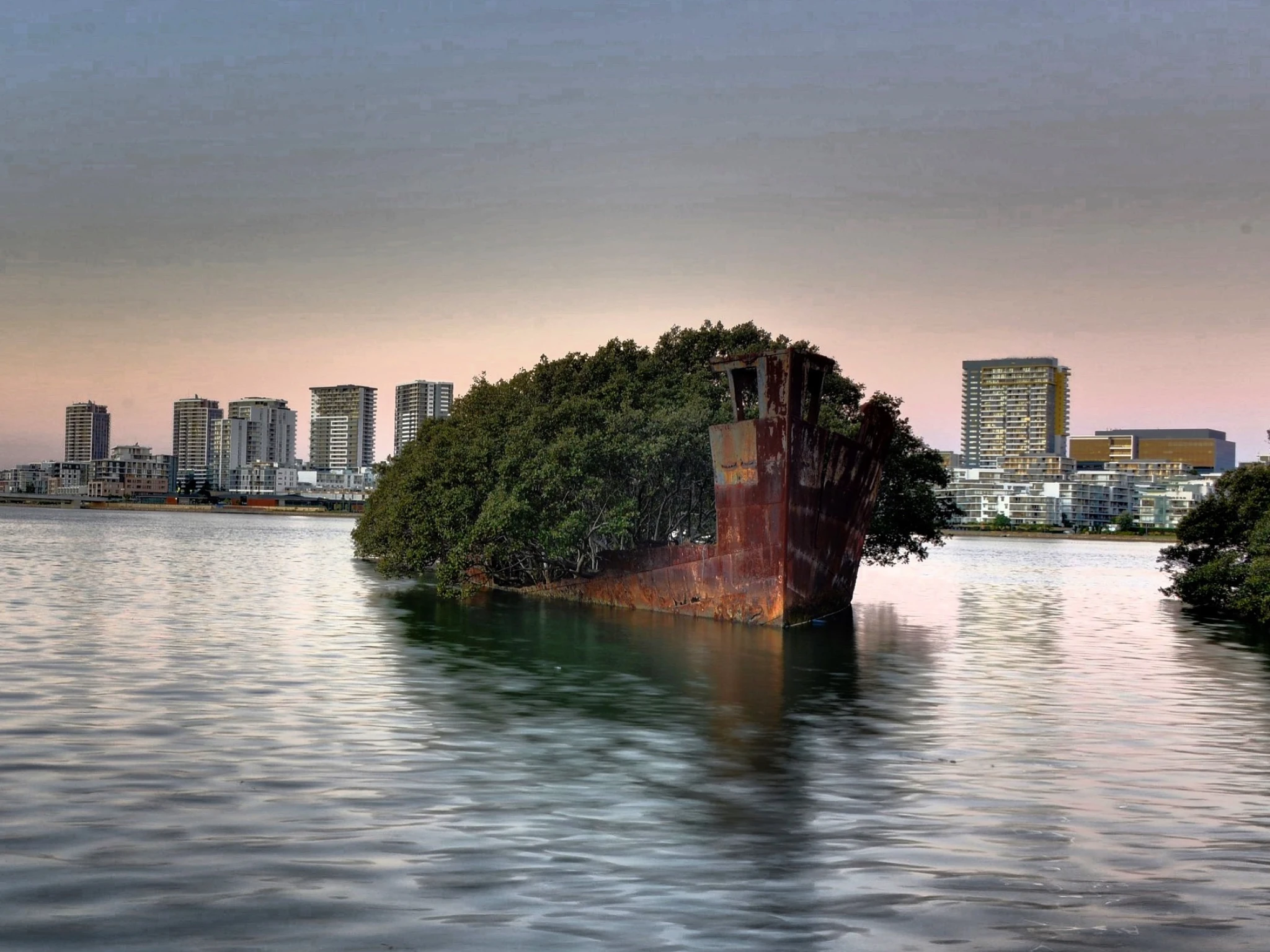
Sydney's secret “floating forest" is a spectacular sight to behold at golden hour, when fiery-orange light reflects against the lush green mangroves. Weighing 1,140 tonnes, the 1911 cargo ship once helped the Australian government deliver supplies to US troops during WWII. It later ran supplies between Sydney and Newcastle, before being decommissioned in Homebush Bay in 1972.
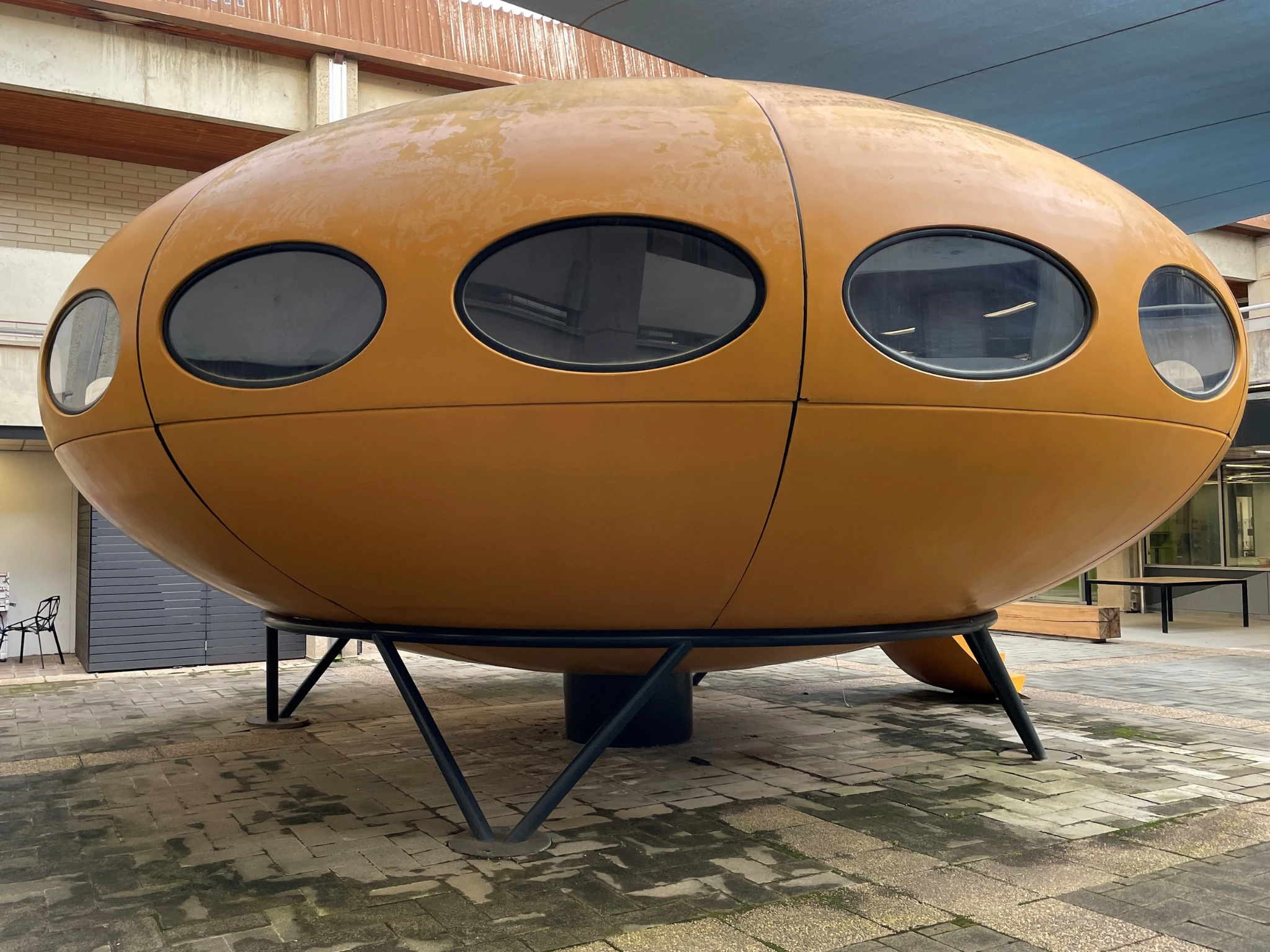
Originally designed as a “portable” ski chalet by Finnish architect Matti Suuronen in the 1960s, this retro UFO pod now lives a second life at the University of Canberra as a study, meeting and tutorial space. Today, there are only around 50 known surviving Futuro Houses left on Earth.
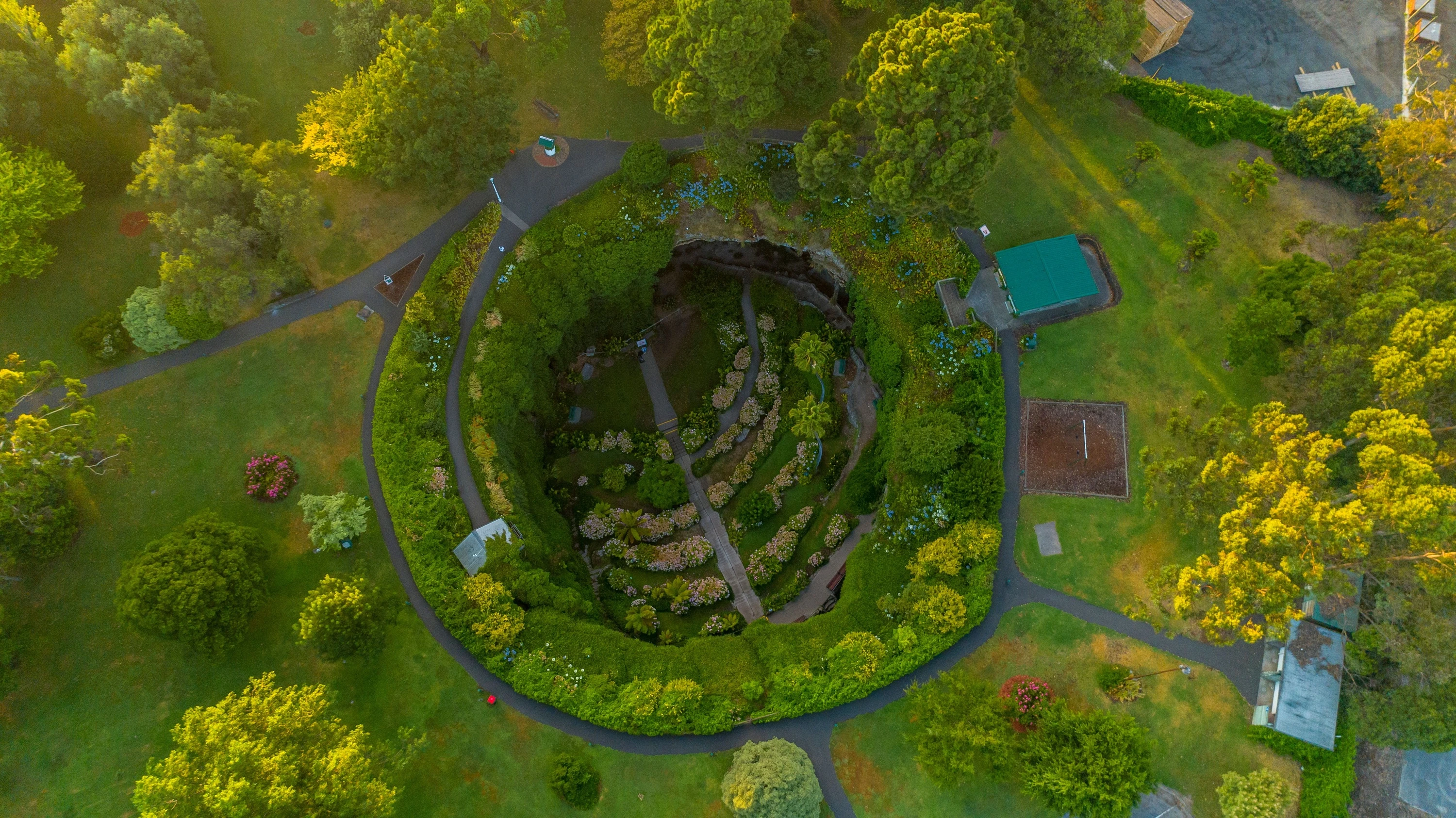
Umpherston Sinkhole (Balumbul) formed when the limestone roof of a large underground cavern collapsed, and with a depth of around 20 metres, it's large enough to swallow a six-storey building. You can marvel at the sprawling greenery that has overtaken the sinkhole from a viewing platform at the top, or descend into the gardens to admire lush foliage, mossy sculptures and beautiful flower beds.
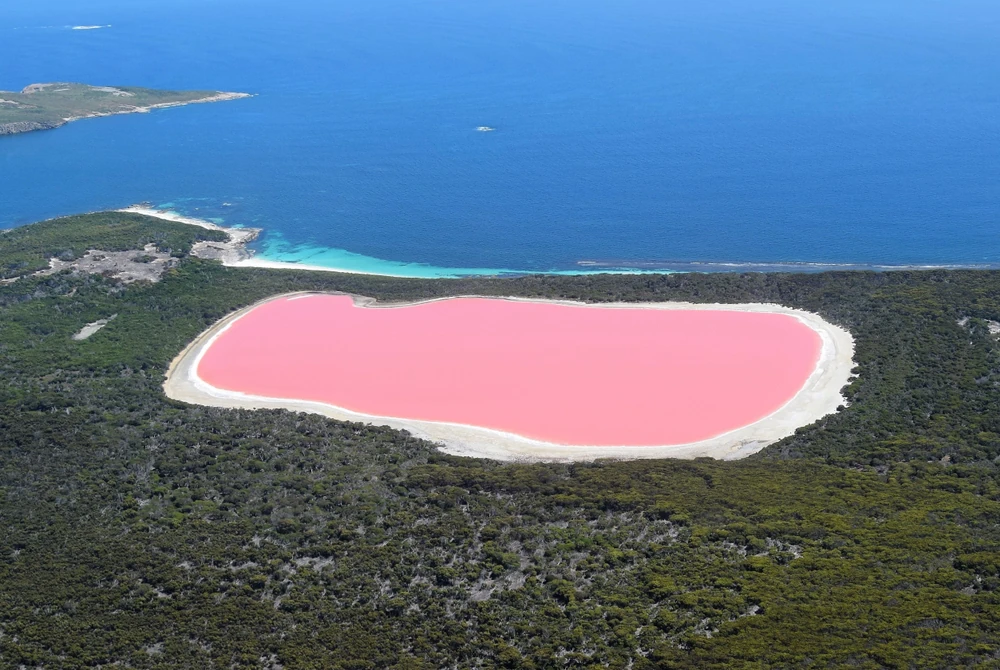
You’ll find Lake Hillier on Middle Island in the protected and pristine wilderness of Western Australia’s little-known Recherche Archipelago. Shaped like a footprint and 600 metres in length, this natural wonder gets its bubblegum colour from a mix of salt-loving bacteria and algae.
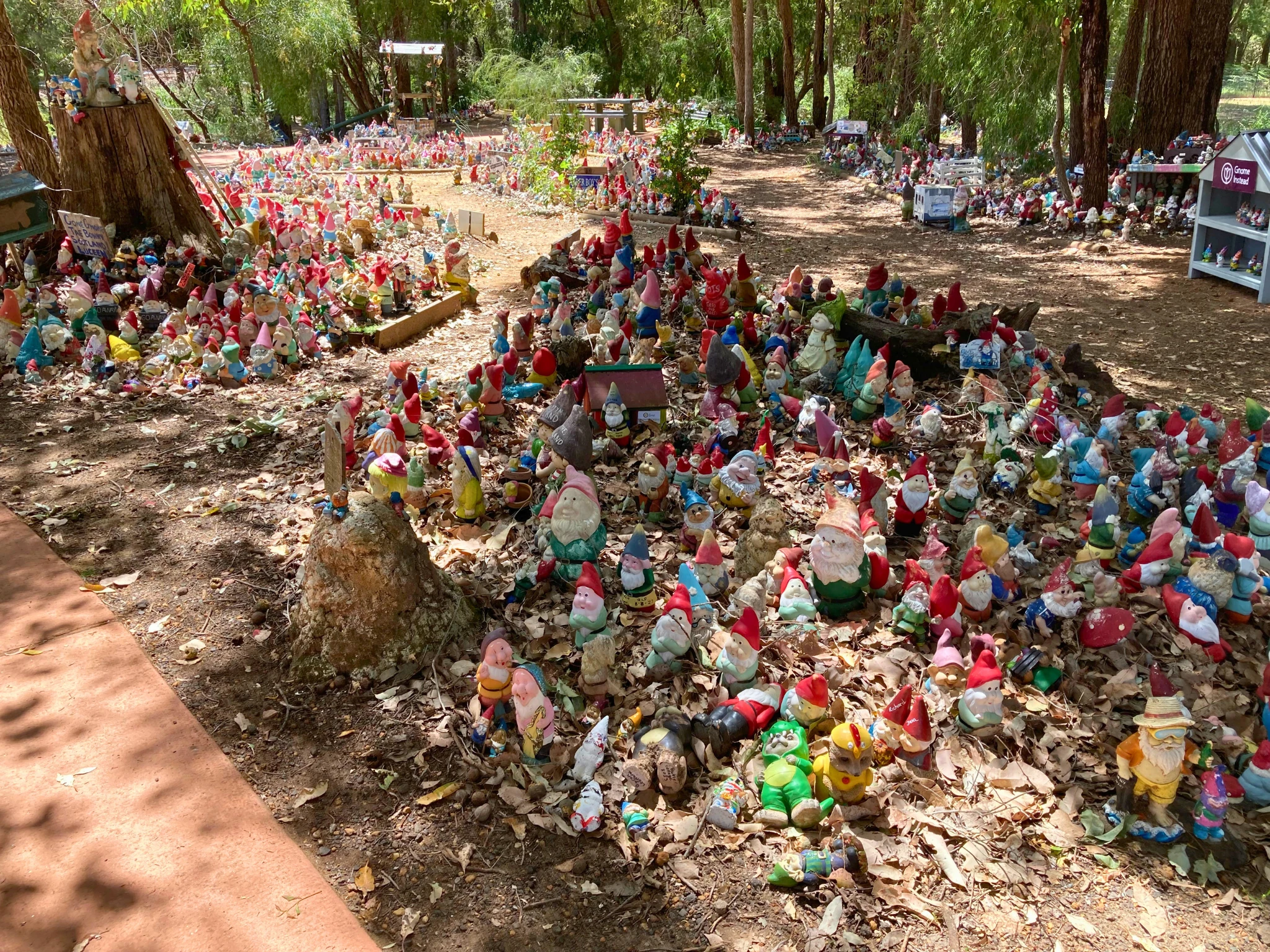
Although it’s little more than a humble roundabout, this family-friendly tourist attraction is home to an estimated 6,000 painted gnomes from all around the world. Local legend says a resident placed a solitary garden gnome in the hollow of a tree trunk here back in the 1990s. Fearing the little guy was lonely, other townspeople followed suit – and now, the ceramic population is completely out of control.
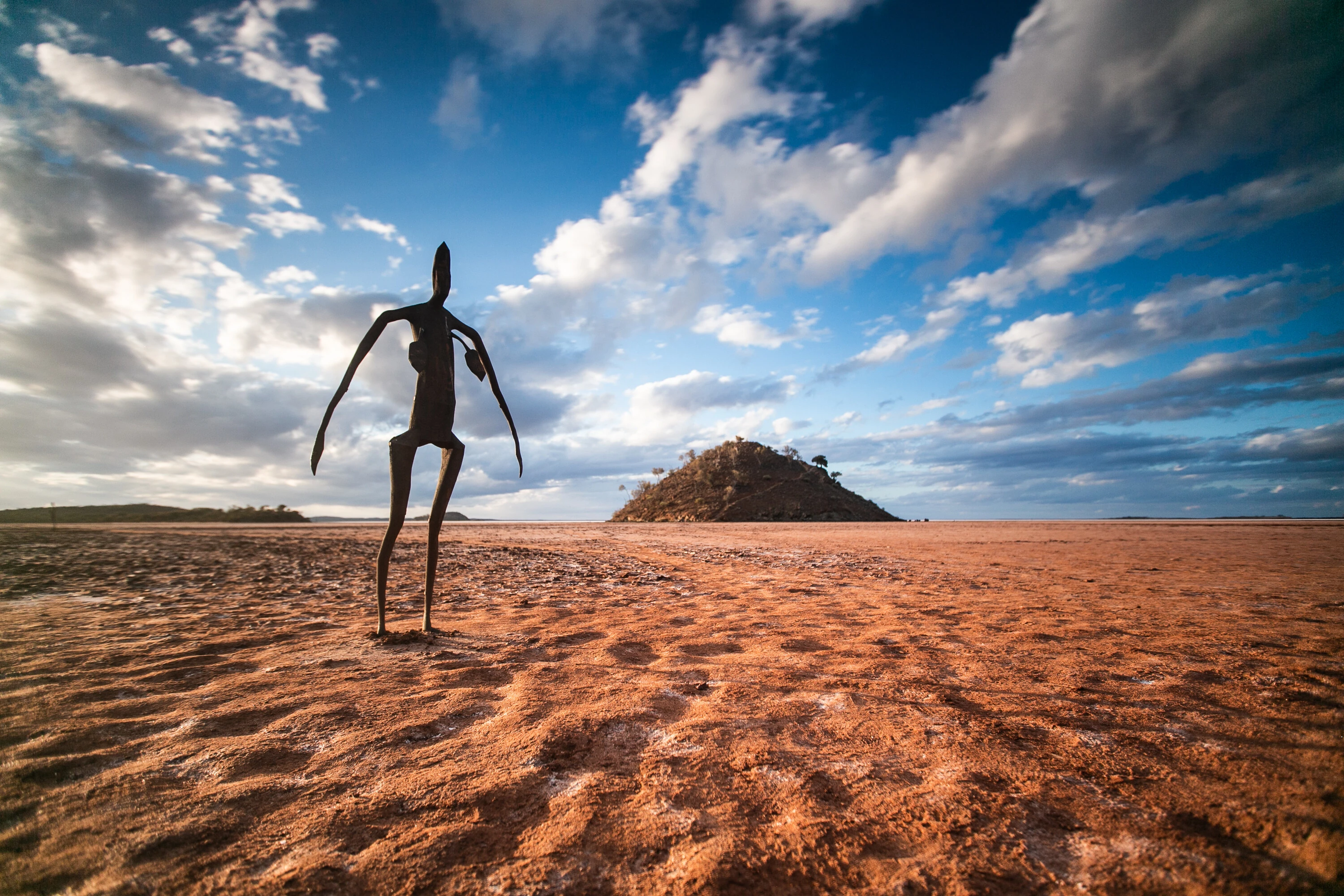
This outback salt lake plays host to the world’s largest outdoor art gallery, 'Inside Australia'. Created by world-renowned British artist Antony Gormley, the striking exhibition features 51 steel sculptures scattered across seven square kilometres of desert. Each statue is based on a resident from the nearby town of Menzies.
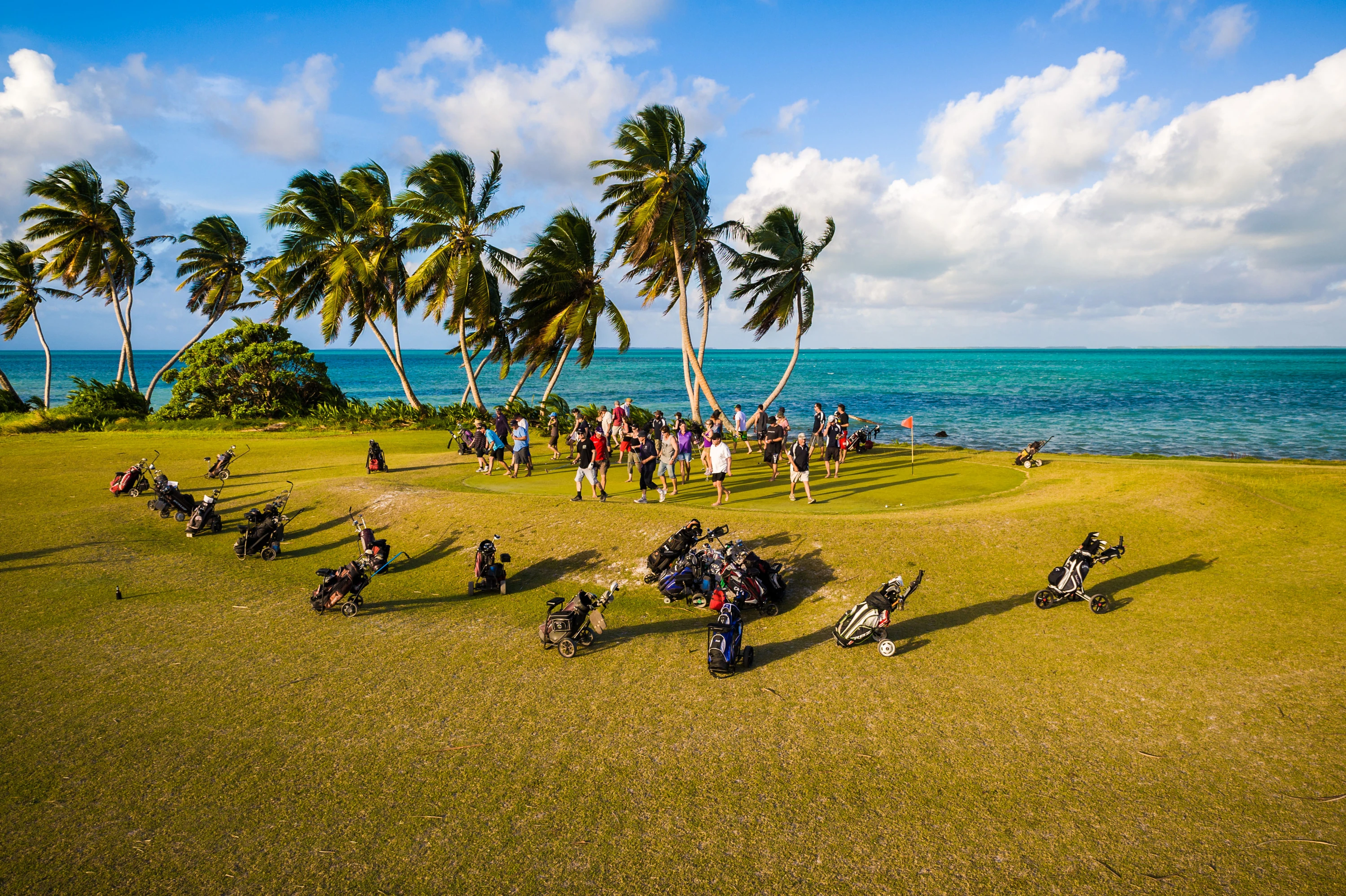
This isolated Australian territory is home to perhaps the country’s most unusual golf course, where locals casually tee off in flip-flops with a cold drink in hand. It’s one of the only golf courses in the world set across an international runway, and is surely also one of the most scenic.
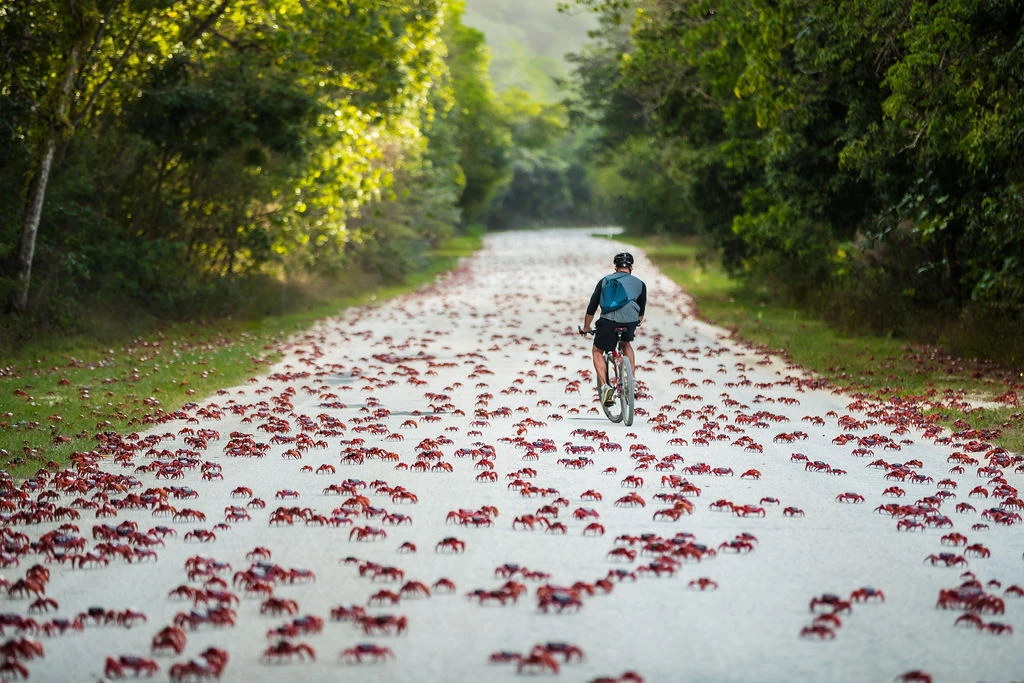
Christmas Island plays host to one of the world’s biggest animal migrations, where 100 million giant red crabs journey from the rainforest to the ocean to breed and lay eggs. They follow the same migration route each year and take over the entire island, leading to traffic delays and road closures.
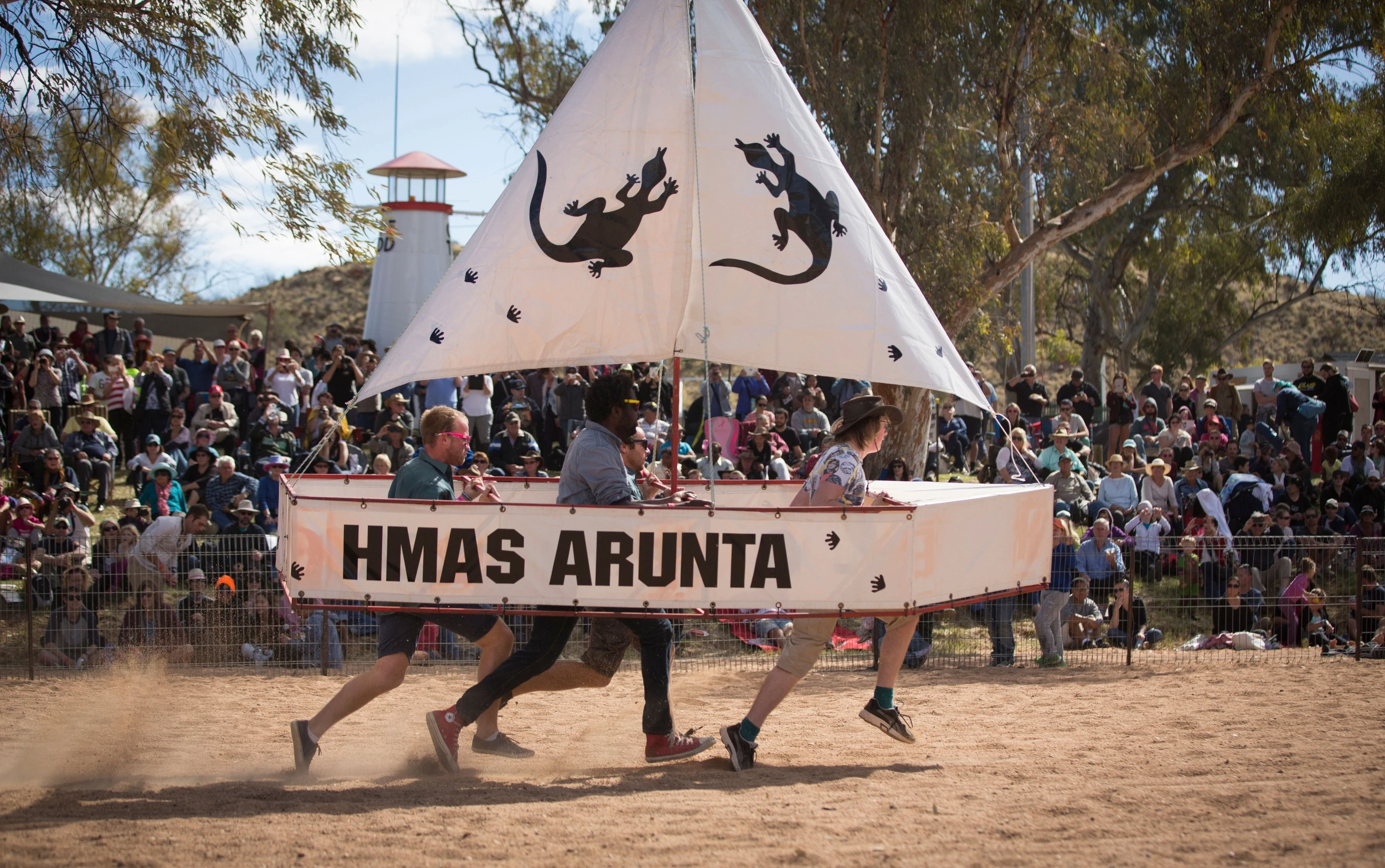
Ever tried to row a boat through a desert? The Henley-on-Todd Regatta is the world’s only dry river boating event, taking place in the heart of the Australian outback where there’s not a single drop of water in sight. Instead, this 60-year-old tradition sees participants race their ‘boats’ through the dry, sandy bed of the Todd River, in bottomless ‘kayaks’, ‘rowing eights’, and ‘yachts’.
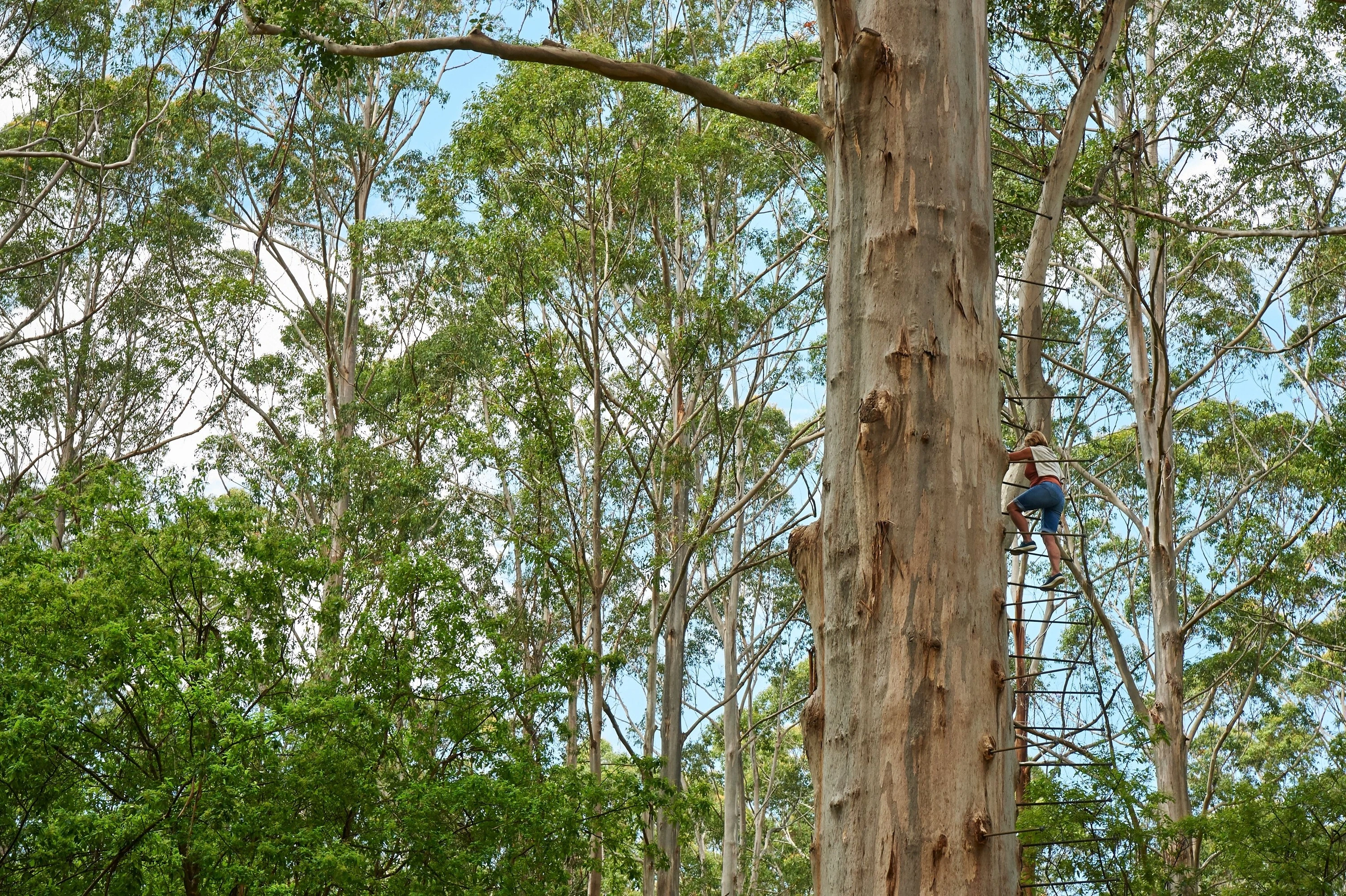
Stretching 61 metres high into the karri forest of Gloucester National Park, this ancient tree is one of the oldest climbing trees in Australia. Following a massive restoration, it officially reopened in June 2026, featuring a new lookout platform sitting a casual 12 storeys above the forest floor.
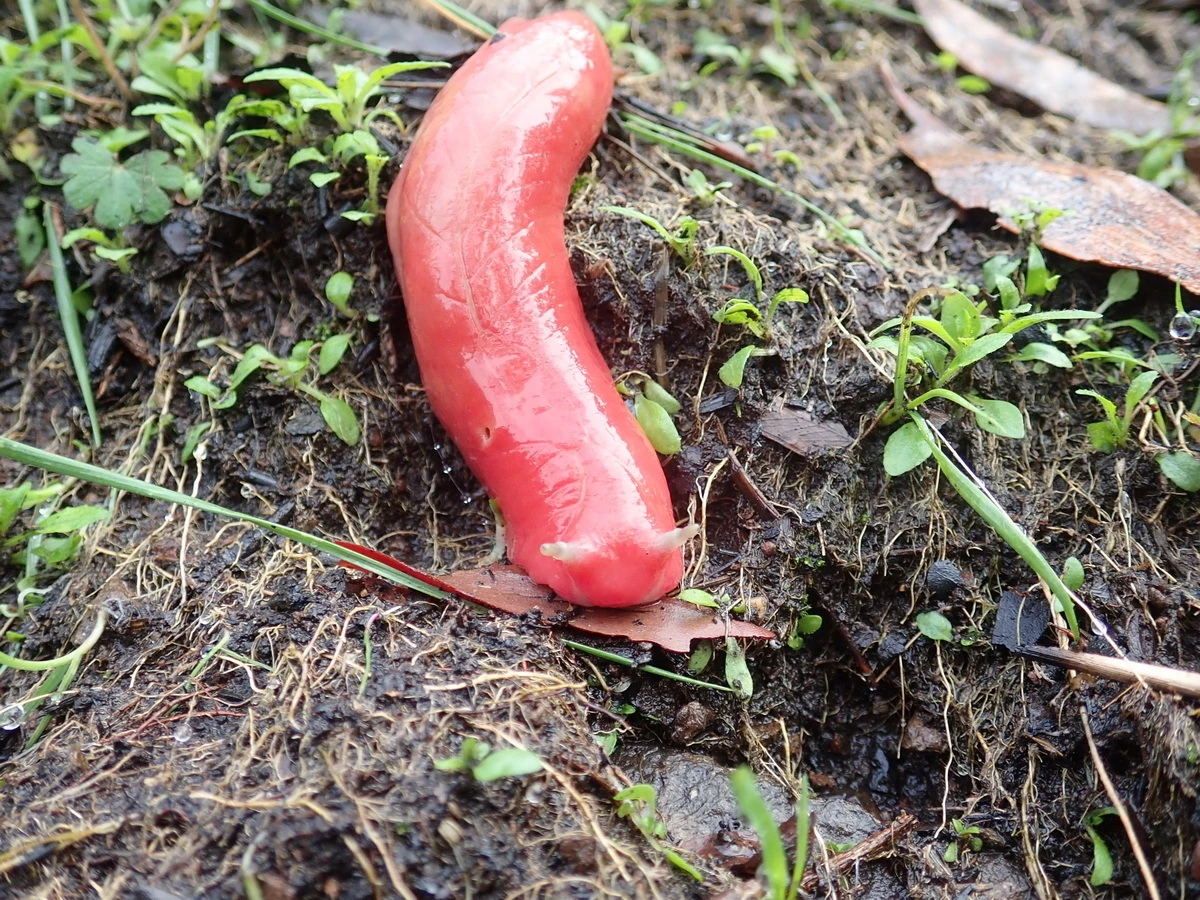
The previously active volcanic ranges of Mount Kaputar are the only place on Earth where you can find these giant hot-pink slugs. They spend most of their time feeding underground, but crawl out after rainfall to snack on tree moss and algae.
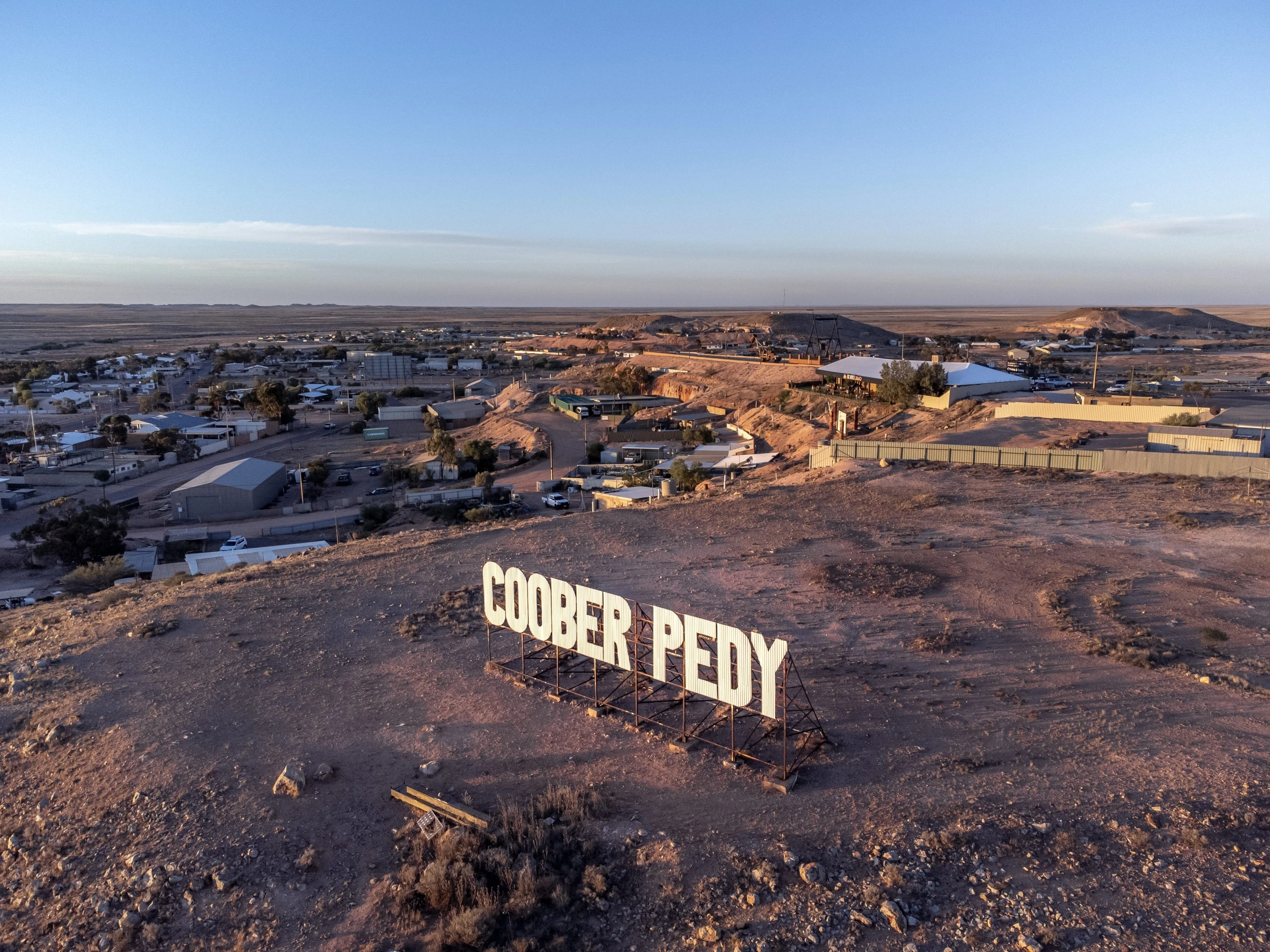
One of the most curious attractions in South Australia’s largely underground outback mining town actually sits above ground. Coober Pedy’s 18-hole, 72-par grassless golf course is made entirely of sand, meaning golfers are required to carry a square of artificial turf with them just to tee off.
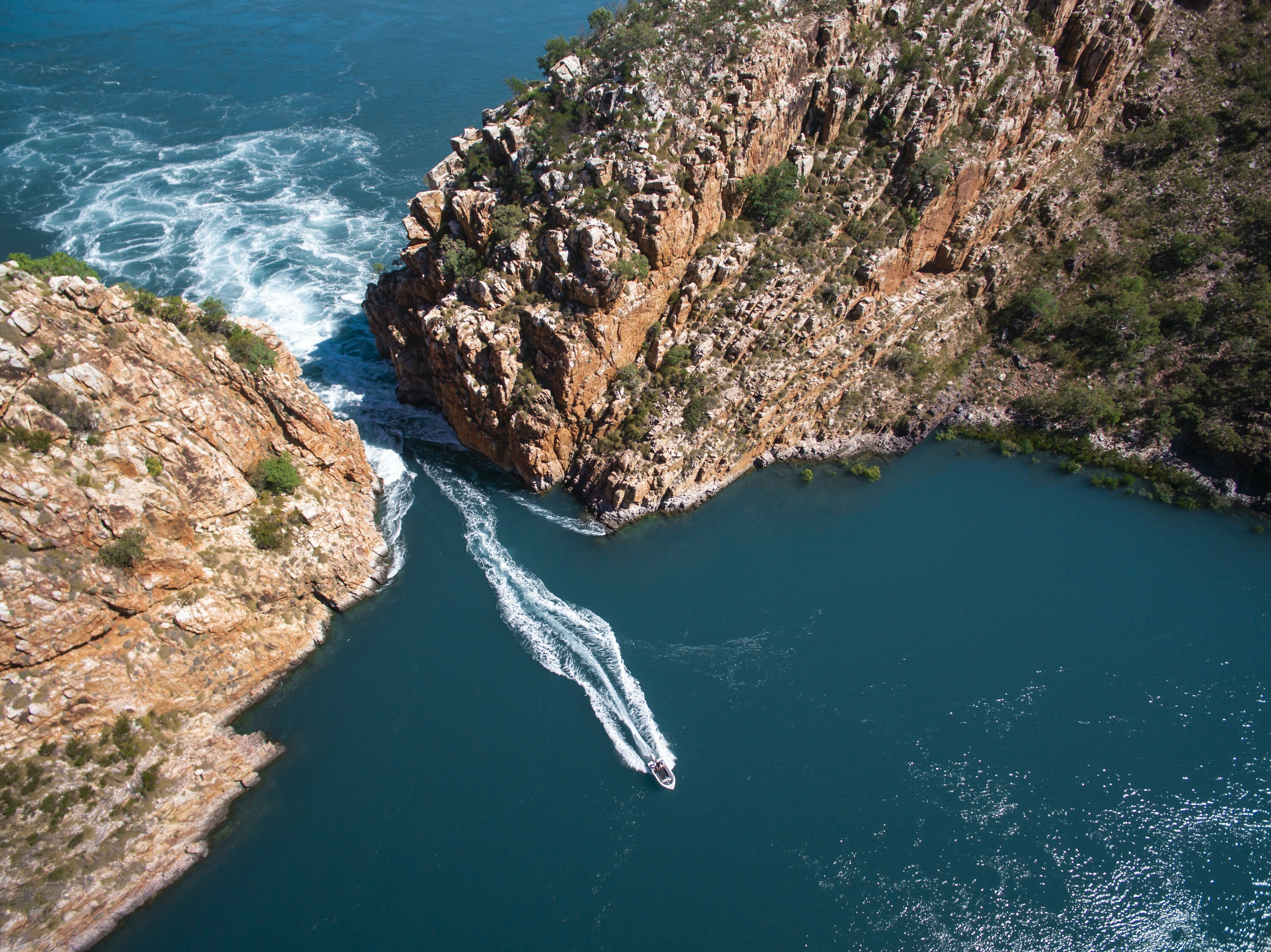
Sir David Attenborough described these twin waterfalls on the north coast of Australia’s Kimberley region as “one of the greatest natural wonders of the world” – so you know they’re well worth the day trip from Broome. Known as Garaan-ngaddim to the Traditional Owners, the fast-moving tides force their way through two narrow gorges, creating rapid-like formations that rush through the gap, resembling waterfalls turned on their side.
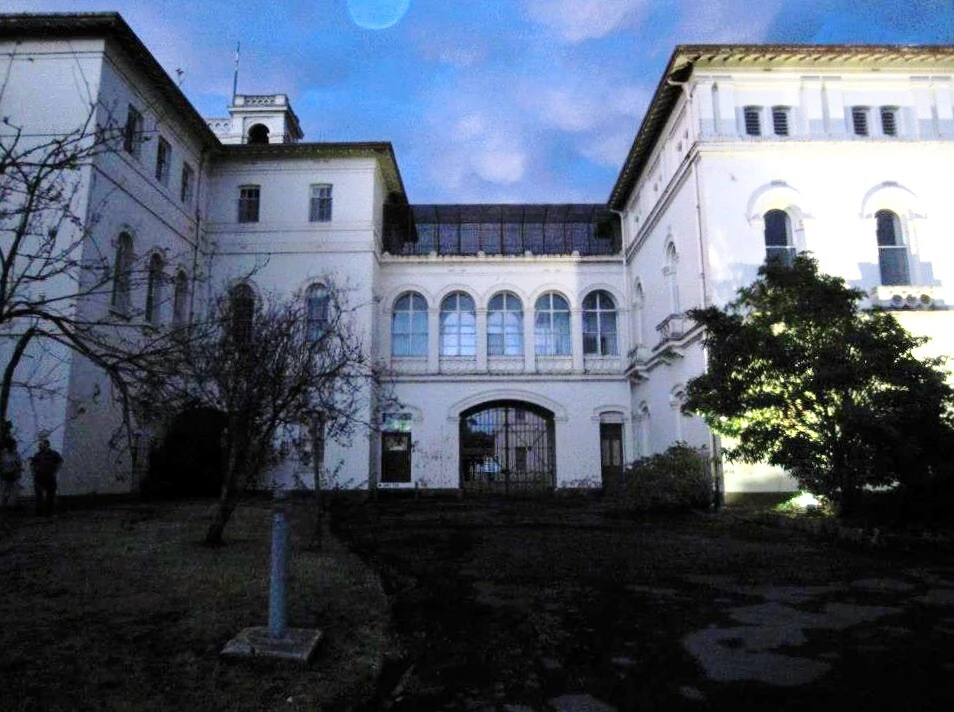
Once known as the Ararat Lunatic Asylum, this place was used as a psychiatric institution for more than 120 years. It was commissioned in 1860 to accommodate the growing number of ‘lunatics’ in the colony of Victoria, and closed in 1997. Tours of the creepy complex, which has around 70 abandoned buildings, are now held every Sunday and Wednesday.
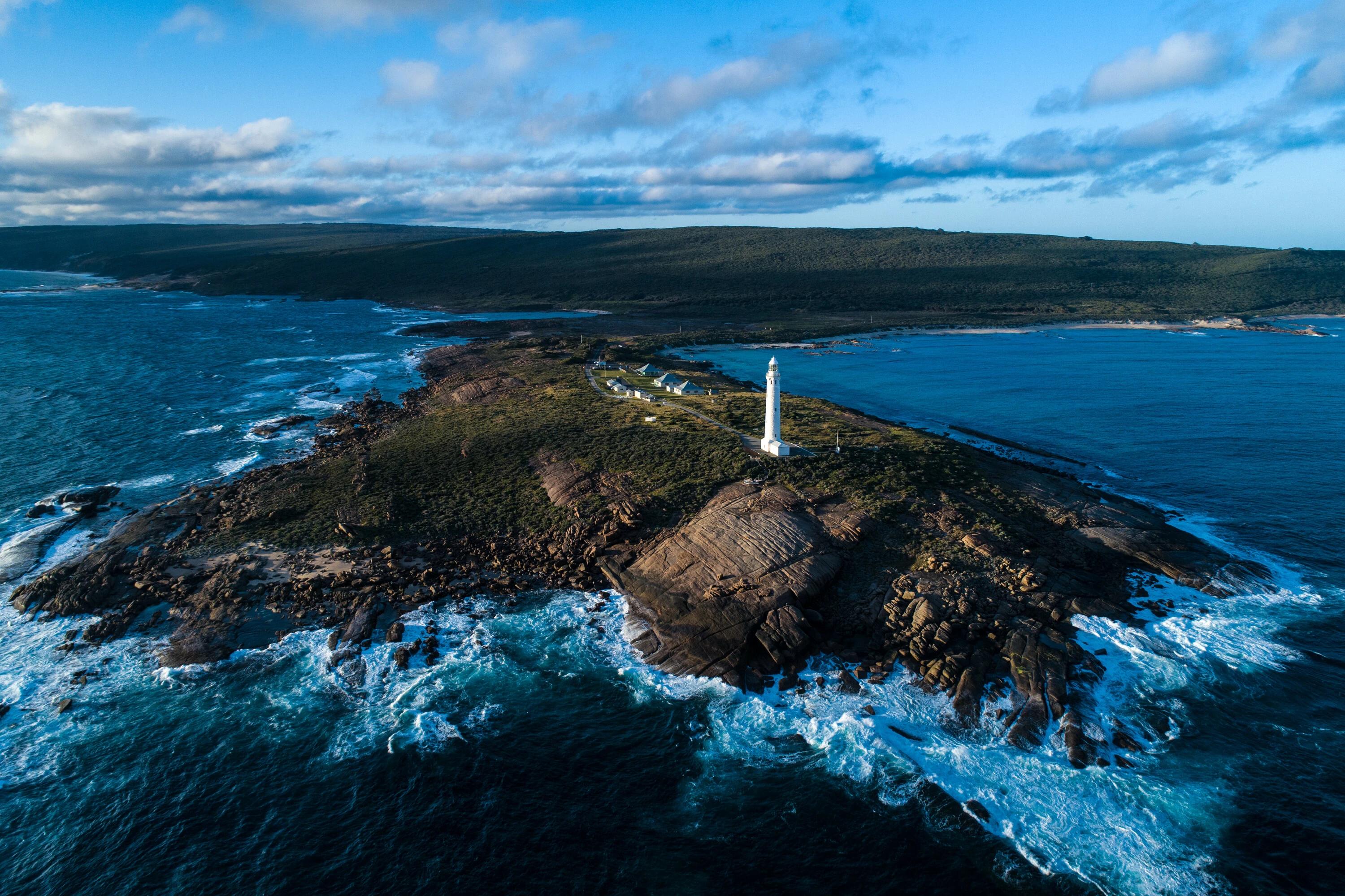
This rugged headland marks the country’s most south-westerly point, where the mighty Southern and Indian Oceans meet. The epic coastline is overseen by the 1895 Cape Leeuwin Lighthouse – the tallest lighthouse on mainland Australia and one of the best land-based whale-watching spots during winter.
Discover Time Out original video