[category]
[title]
I escaped to an off-grid tiny home and discovered why doing nothing is the ultimate holiday


Is a 9pm bedtime the ultimate travel flex of 2026? For decades, we’ve been conditioned to treat holidays like an endurance sport – red-eye flights, marathon sightseeing tours and long days on your feet that leave you needing a vacation from your vacation. Enter: sleep tourism. Instead of coming home with a sunburn and a messed-up sleep schedule, burnt-out travellers are carving out time for a holiday where there’s only one instruction: to do absolutely nothing.
Booking a holiday to spend time lying horizontal might sound like a waste of money and annual leave – until you do the math on burnout. It’s estimated that around 40 per cent of Aussies live in a state of sleep deprivation, with around one in ten suffering from full-blown insomnia. This costs the Australian economy more than $75 billion a year in health bills, lost productivity and general misery. Suddenly, spending a few hundred dollars on a holiday just to sleep doesn’t seem so crazy.
Sleep tourism is intentional travel designed around deep, undisturbed rest. Rather than trying to see and do it all, travellers are escaping to places that help them slow down and fully switch off – away from the constant notifications, artificial city lights and late-night doomscrolling. And it’s far more than fancy hotels with pillow menus or week-long yoga retreats; it can be as simple as booking a tiny off-grid home where the only thing on the agenda is a sleep-in.
Between early morning marathon training, long travel days and late-night work events, I’m in a constant state of sleep deprivation. But I also know burnout is very real – so when my mind and body started struggling to keep up with my schedule, I knew it was time to test this latest travel trend for myself.
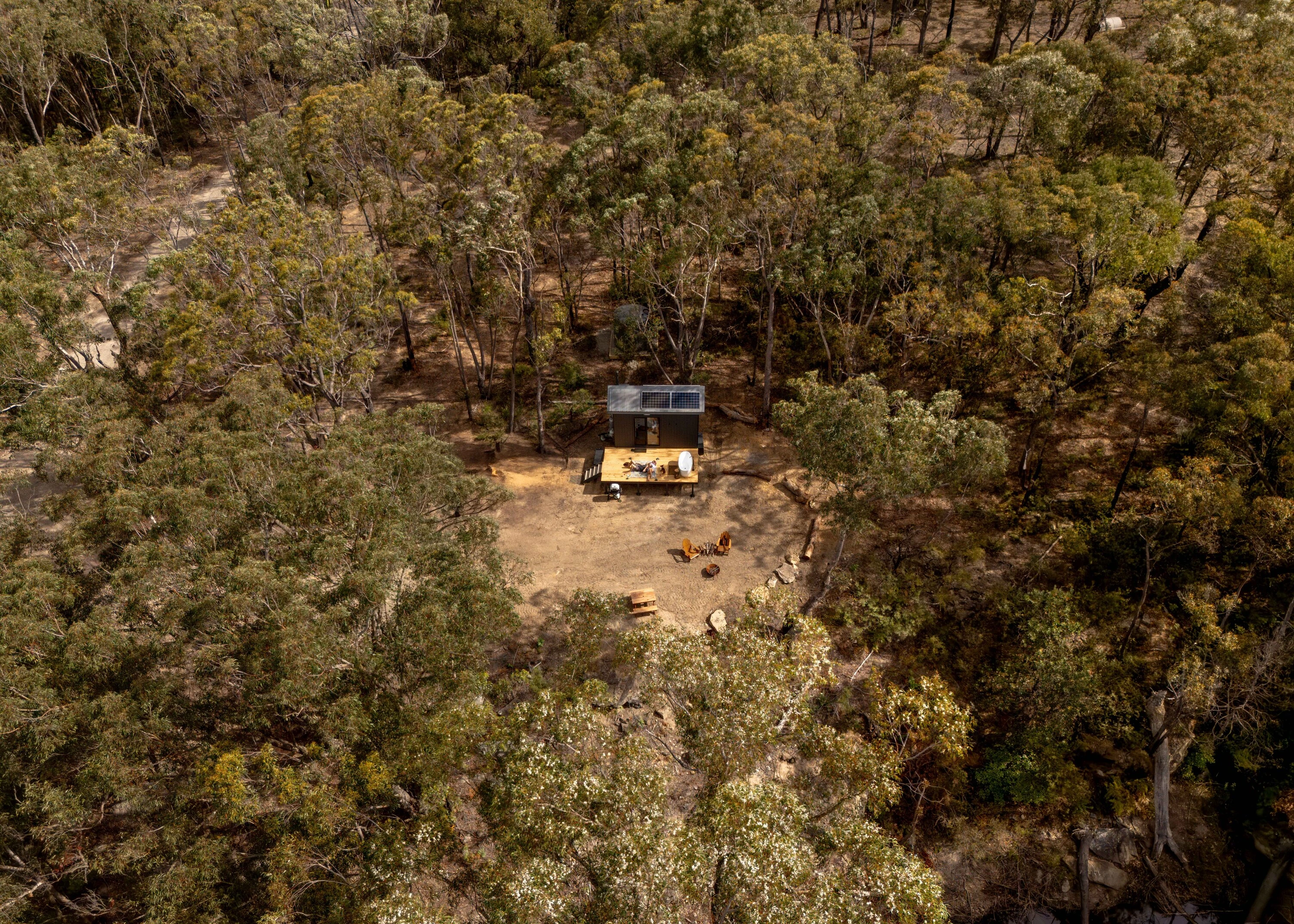
Sleep tourism is all about picking an environment where you’re pretty much forced to slow down, and I knew I’d have to go off-grid to free myself from the distractions of daily life. I settled on an off-grid tiny home in the NSW Southern Highlands, just a 60-minute drive from my base in Sydney – proof you don’t need to travel far to have a deeply restorative experience.
My home for the weekend was ‘Tiny Phoebe’, one of 60 Into The Wild Escapes across Australia built specifically for off-grid resets. It just so happened that my stay coincided with their new Deep Sleep Reset collaboration with Life Unhurried. Equipped with a Sleep Pack – think silk eye mask, cosy cotton-knit socks, magnesium-cacao sachets and sleep prompt cards – I had the push I needed to take my rest seriously.
As I drove down a mysterious dirt road toward my tiny home, I was delighted to see my phone switch into SOS mode. Fully cut off from the chaos of daily life, I was happily forced to swap scrolling for stargazing, notifications for natural light, emails for early nights and stress for slow mornings.
Even though I only spent one weekend ‘sleepmaxxing’, I can totally see the wonders it works on your mind and body. Exposure to natural light helps regulate your circadian rhythms, separation from noise and light pollution drops stress levels, and simply being surrounded by nature gives your nervous system the reset it desperately needs.
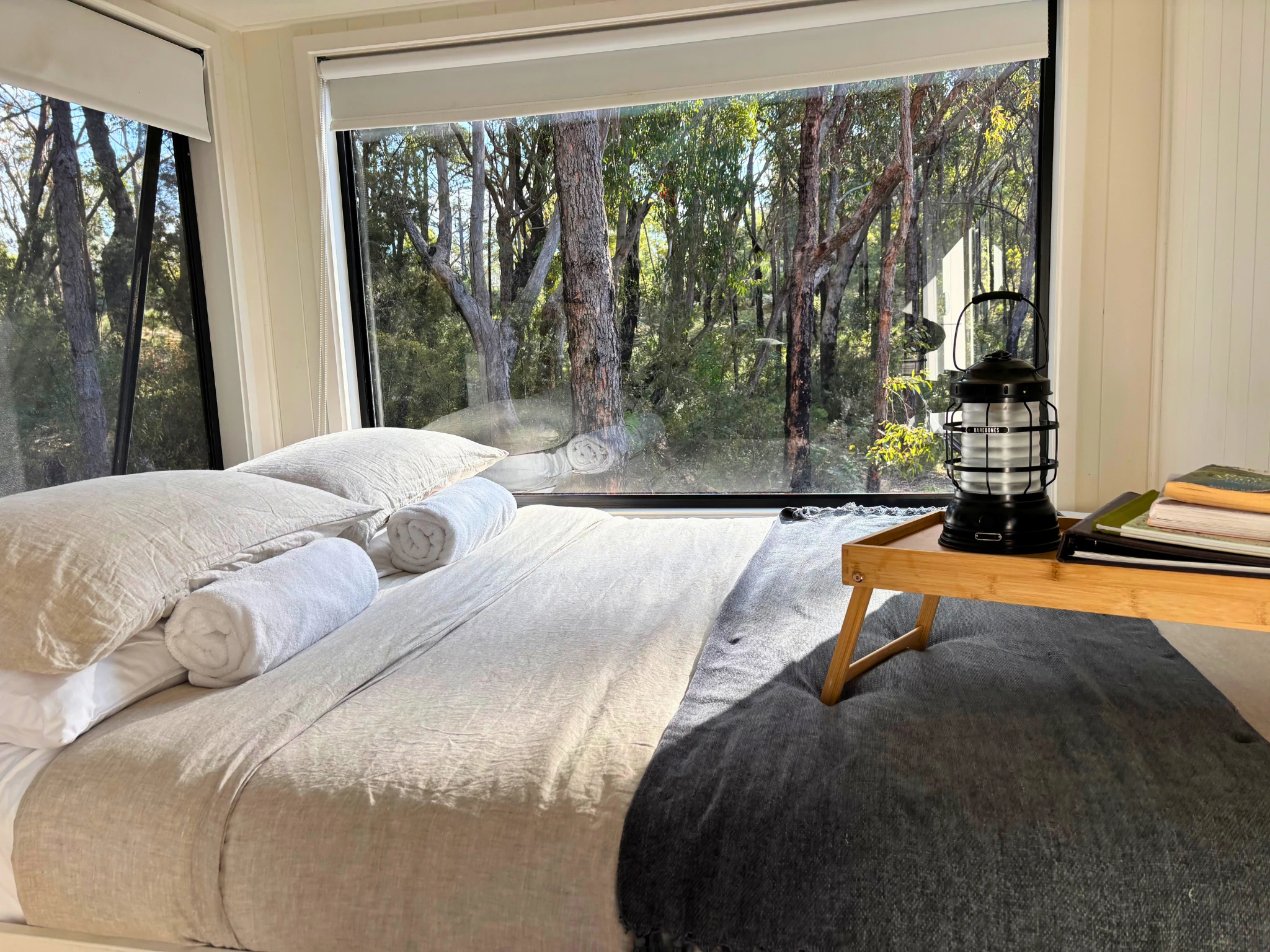
I was able to prioritise sleep without feeling any guilt, but the rituals surrounding it mattered just as much. I spent hours reading in bed, poured genuine care and love into cooking my meals, and practised a little gratitude while soaking in the outdoor bathtub at sunset.
So, is a 9pm bedtime the ultimate 2026 travel flex? Absolutely. Giving yourself permission to rest and reset is a luxury everyone deserves. Consider this your sign to turn off your alarms and book a sleep-focused holiday.
Discover Time Out original video