[category]
[title]
If the world ends, make a beeline for the Spirit of Tasmania

Of course, Australia has been named one of the best places to survive an apocalypse. We’ve spent generations preparing for things that want to kill us: sharks, snakes, bushfires, cyclones and the metal buckle of a seatbelt in summer.
Now there’s research to back us up.
A new study has named Australia as “likely the most resilient place on Earth” when it comes to surviving global catastrophes – from nuclear war and pandemics to volcanic eruptions and large-scale infrastructure collapse.
Published in the journal Global Challenges, the study reviewed 152 academic papers looking at what makes some places better equipped to ride out a catastrophe. Australia scored well for some fairly obvious reasons: it’s geographically isolated, produces a lot of food, has energy reserves, has a range of climate zones and has a long growing season.
It was the only country the researchers identified as resilient across all three major categories of global catastrophic risk they examined, including sudden loss of sunlight, large-scale infrastructure failure and catastrophic biological threats such as pandemics.
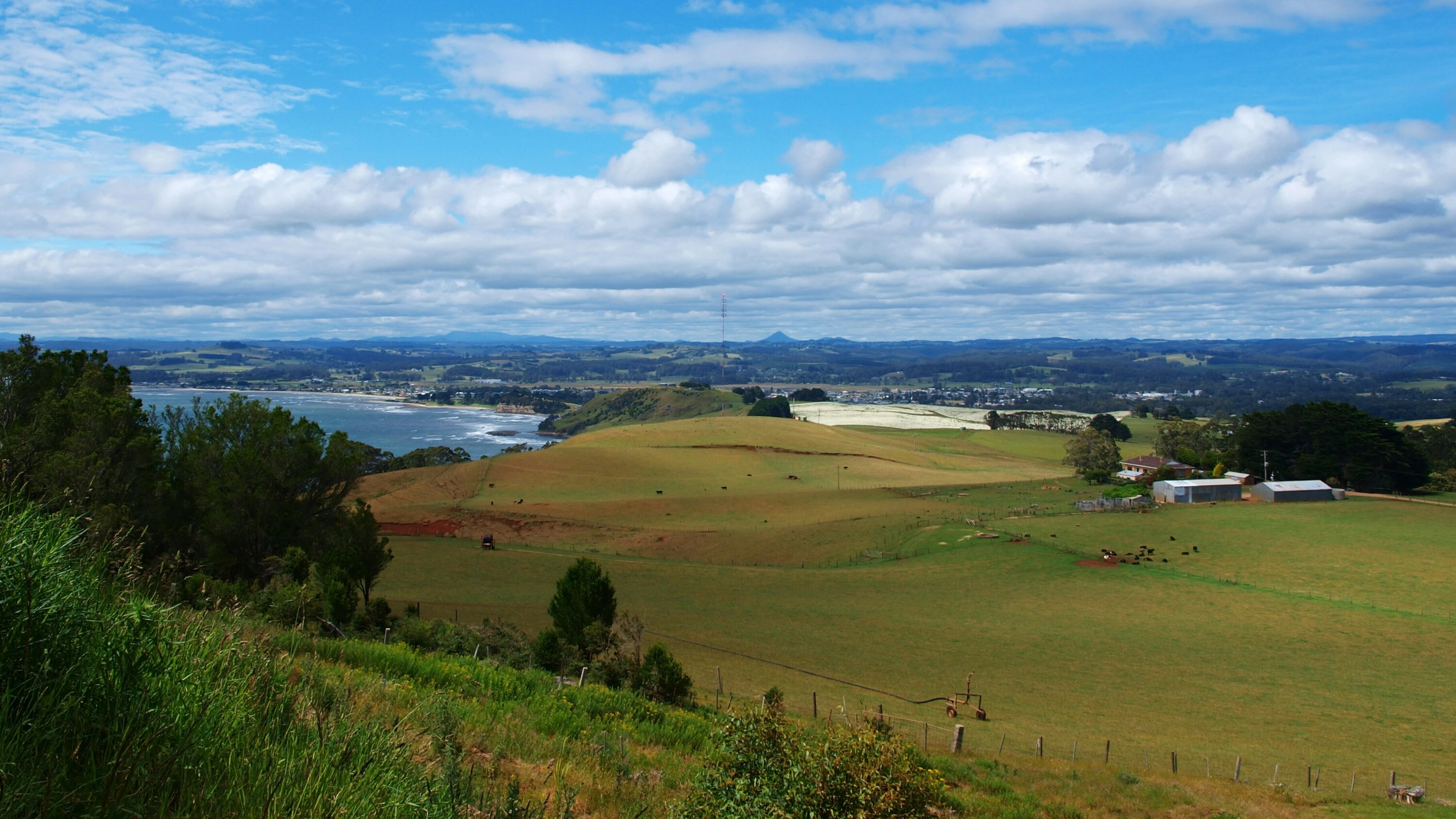
Tasmania gets an extra tick for being, well, Tasmania. It’s an island, has plenty of farmland and a temperate climate. The researchers call it a “refuge in a refuge”.
It’s not exactly apocalypse-proof. Australia still relies on international trade for fuel, medicine and fertiliser, and we have our own regular disasters to contend with, including droughts, floods and bushfires. Tasmania has those problems too.
The study found four things that make a place more resilient: isolation, food self-sufficiency, strong democratic governance with low inequality, and decentralised systems that don’t leave everything hanging on one point of failure.
New Zealand, Japan, Argentina and Switzerland also performed well, although each has its own vulnerabilities.
So, no, you probably don’t need to start stockpiling baked beans in the garage just yet. But if the end of civilisation does arrive, Tasmania’s cows, farmland and clean air suddenly start looking pretty useful. Just another notch on Tasmania’s likeability belt.
Discover Time Out original video