[category]
[title]
Australia has outranked Canada, the UK and the US as one of the world’s best places for families


Australia is expensive, alarmingly far from everything and home to several things that want to kill you. It is also, apparently, one of the best places on Earth to raise a family. As an American who moved to Brisbane and had two children in rapid succession, I can confirm that both things can be true.
Australia placed 21st in the Rumavi Global Relocation Index’s 2026 ranking of the best countries for families, with a score of 68.9 out of 100. 21st may not sound like a cause for national celebration (particularly when New Zealand came 12th), but the index assessed 192 countries. That puts Australia among the top ten per cent worldwide, ahead of South Korea, Spain, Canada, Switzerland, Denmark, Sweden, Norway, the Netherlands, Germany and the United Kingdom.
Estonia took the top spot, followed by Taiwan, Czechia and Lithuania: a list that raises several questions, mainly… should we all be moving to Tallinn? Rumavi arrived at this by assessing countries across 24 metrics, covering financial conditions, health and liveability, safety and stability, and the practical realities of putting down roots. For families, street safety carried the most weight, followed by education, cost of living and healthcare.
Of course, no index can capture the full emotional and logistical chaos of raising children in a particular place. The things that matter most are often the hardest to quantify: the quality of your local playground, the proximity of willing grandparents, or the psychological toll of applying sunscreen to an unwilling toddler six times a day – a distinctly Australian parenting ritual. In my opinion, Australia has not eliminated the difficulties of family life, but has organised ordinary life in ways that make some of them easier.
The policies
Australia’s family friendliness is not limited to playgrounds and permissive attitudes toward bare feet. It’s also written into public policy. Eligible parents can access government-funded parental leave, Medicare covers much of the cost of essential healthcare, and childcare subsidies reduce fees for many families. This does not necessarily make raising children cheap, but the policies recognise that children require time, money, medical care and considerable reserves of human patience – and that families should not be expected to absorb every cost alone.
The outdoors
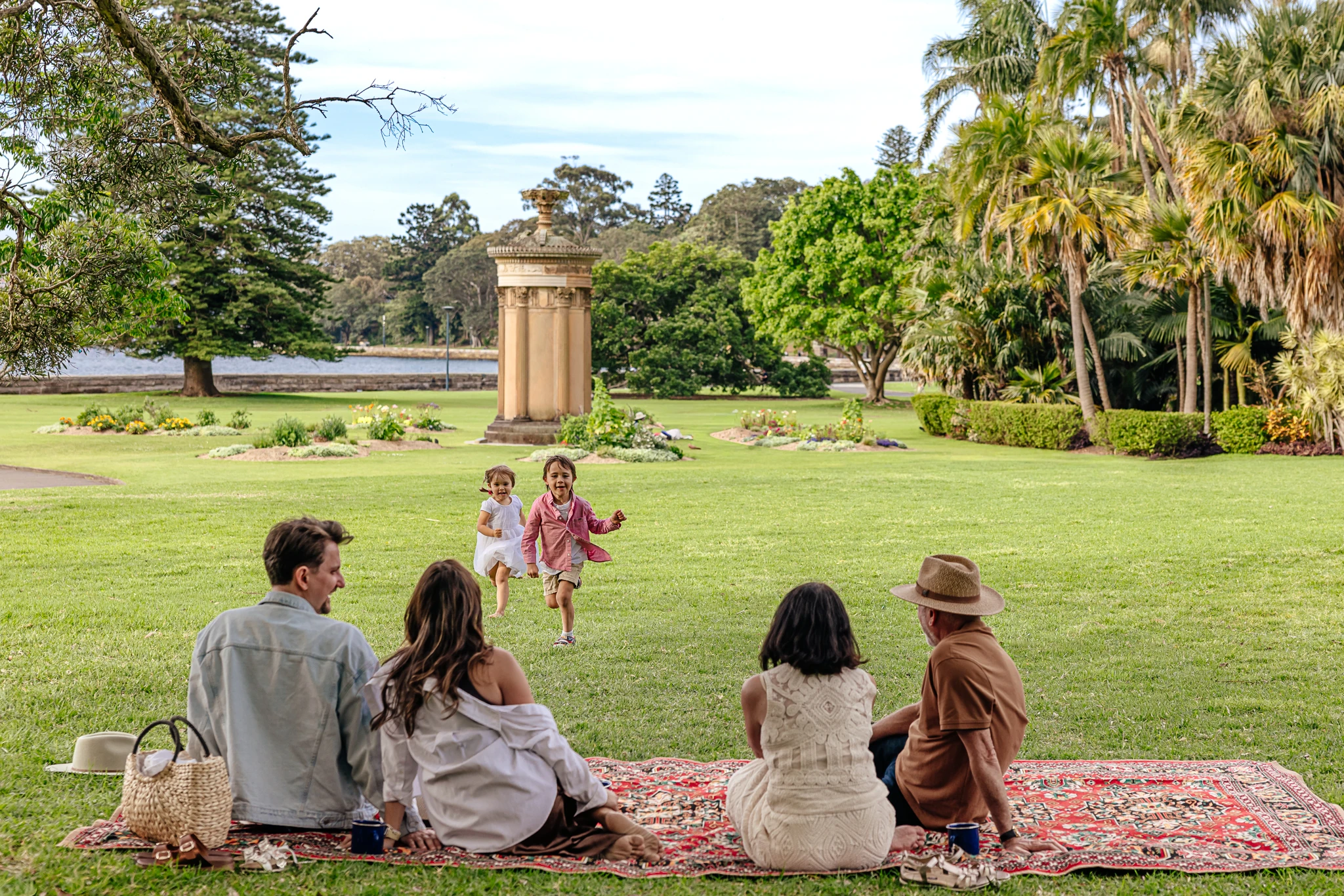
Australian childhood is conducted largely outdoors, which is convenient because the outdoors is free and children are expensive. Brisbane has more than 2,000 parks, Sydney has its ocean pools and harbour, and Melbourne its sprawling gardens. Beyond the capital cities are rivers, rainforests, national parks and coastline. The outdoors generally functions as a kind of communal living room with public barbecues, shaded playgrounds, picnic tables and beach showers that people actually use. Family life regularly spills into public spaces and a day out does not require an advance booking or an admission fee.
Safety
All of this would mean less without the factor Rumavi weighted most heavily: street safety. Safety is difficult to describe because its greatest luxury is its absence from your thoughts. Australia is not free from crime, risk or catastrophe, nor does every family experience the country in the same way, but daily life generally feels stable. Neighbourhoods often retain a sense of social accountability in which people know one another, or know someone who knows someone, which is the basic operating system of suburban Australia.
You can explore the full Rumavi Global Relocation Index here.
Discover Time Out original video