[category]
[title]
The peeps at Lonely Planet know what they're talking about.


We’ve said it before and we’ll say it again: Australia is spoilt for choice when it comes to beautiful beaches. Think sand so white it squeaks beneath your feet, water so impossibly blue it looks like you’ve used a filter and vistas so gorgeous they don’t need editing.
After spotlighting Australia's most remote beaches recently (we’re still dreaming about Turquoise Bay in WA), it’s time to turn our attention to the most photogenic beaches. The list was compiled by a group of Lonely Planet writers and leading influencers based on what they saw as the most Insta-worthy stretches of sand and sea. Yes, they’re the ones that stop you mid-scroll. And honestly? If they’re good enough for the ’gram, they are bloody good.
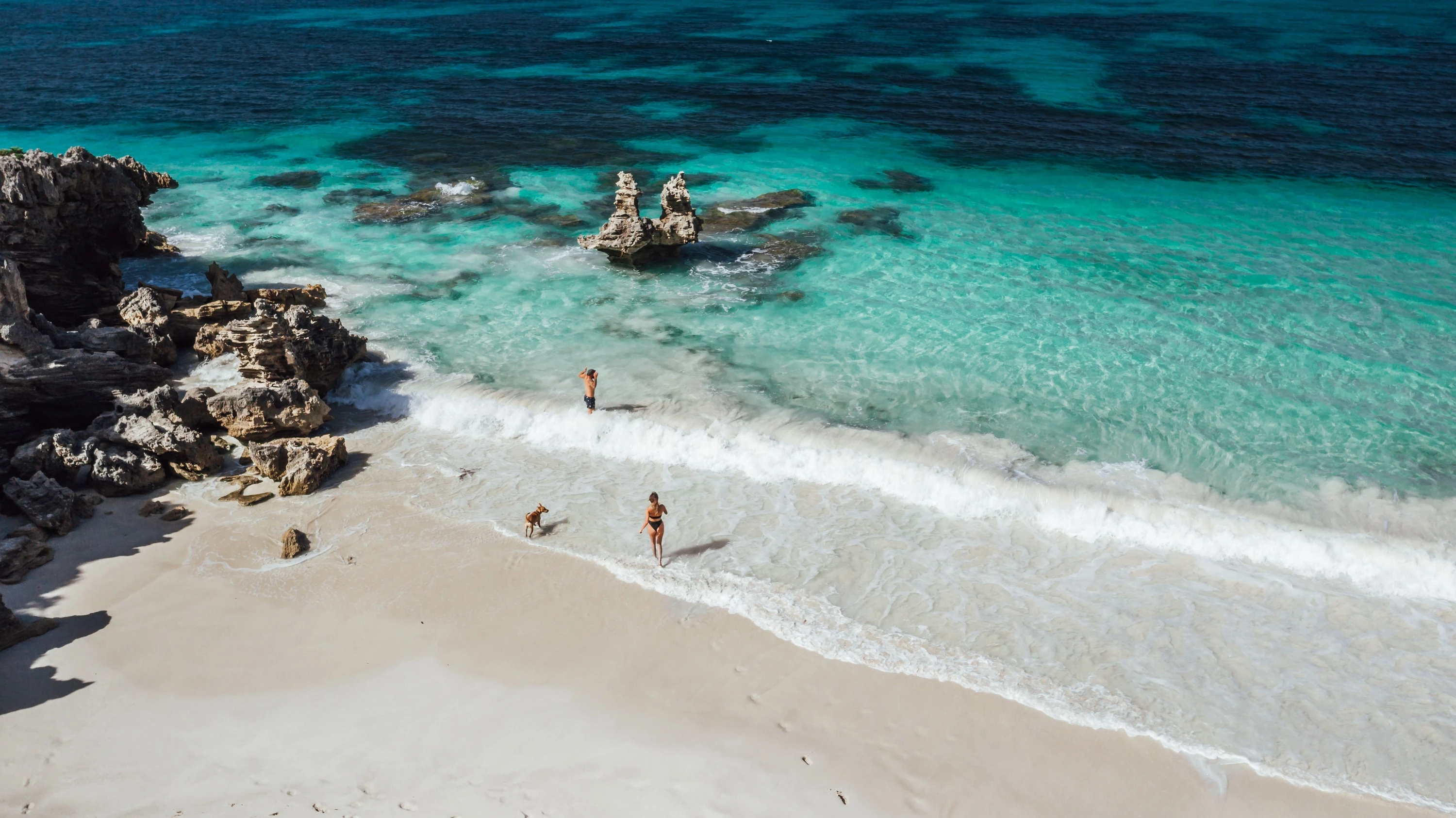
On the southern end of Kangaroo Island lies Vivonne Bay – a sweep of white sand against the deep blues of the Southern Ocean. This beach was Lonely Planet's top pick for the most Insta-worthy beach in Australia. We love how wonderfully remote it feels – scrub‐topped dunes at your back, a quiet settlement nearby and the sea that shifts from calm to churning. Swim in the sheltered southern corner by the jetty or watch surfers catch a wave up north (BYO board).
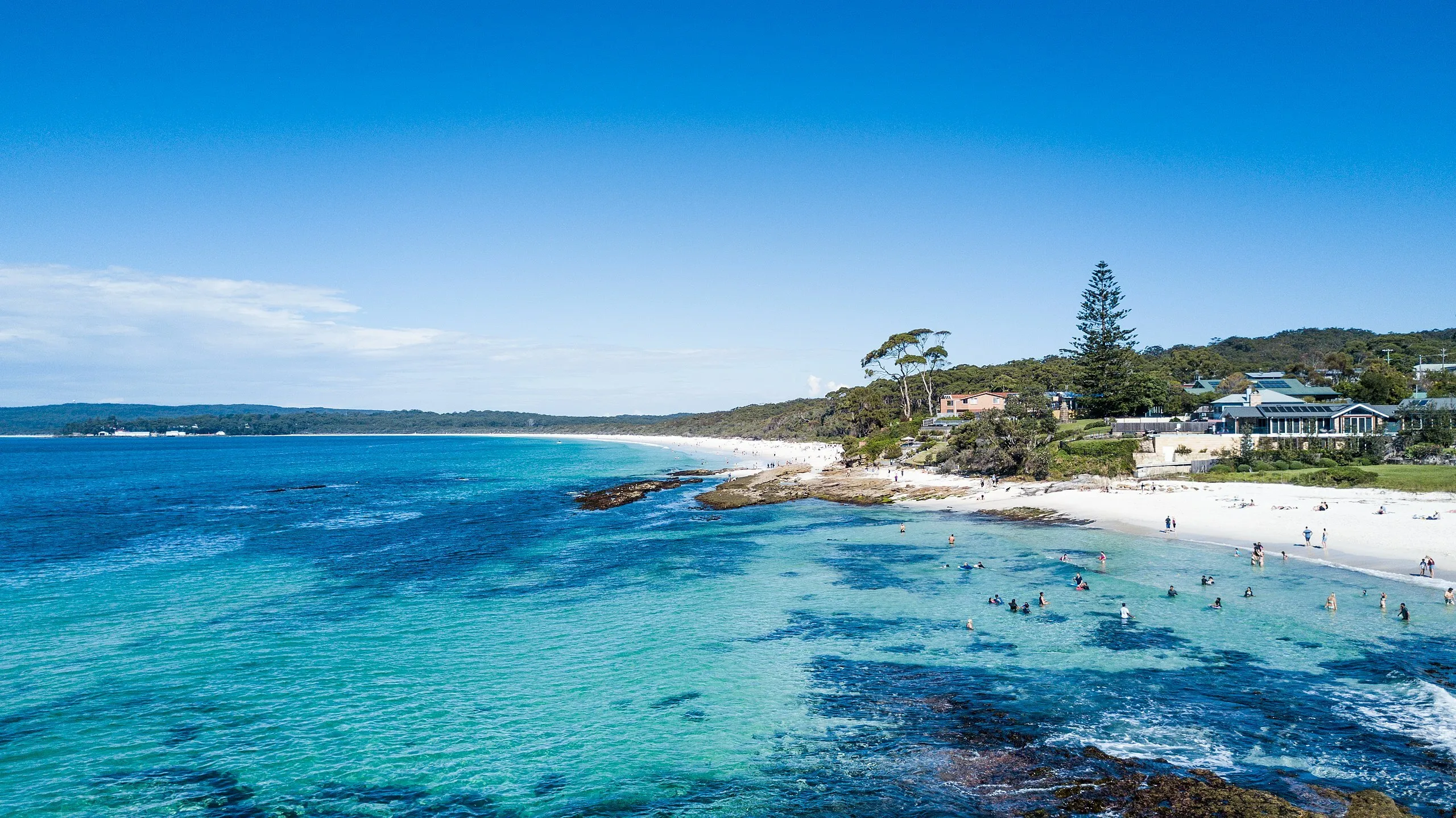
You might remember when Hyams Beach hit the headlines in 2019 – so many people flocked there over Christmas that the Shoalhaven City Council brought in traffic controllers to manage the chaos. The frenzy was fuelled by claims it had the world’s whitest sand. Still, one look at the gorgeous shore against the electric-blue waters of Jervis Bay and you’ll see why the hype stuck. Our tip: visit outside school holidays, ideally midweek, and pack a snorkel to spot groupers and stingrays around Little Hyams at the northern end.
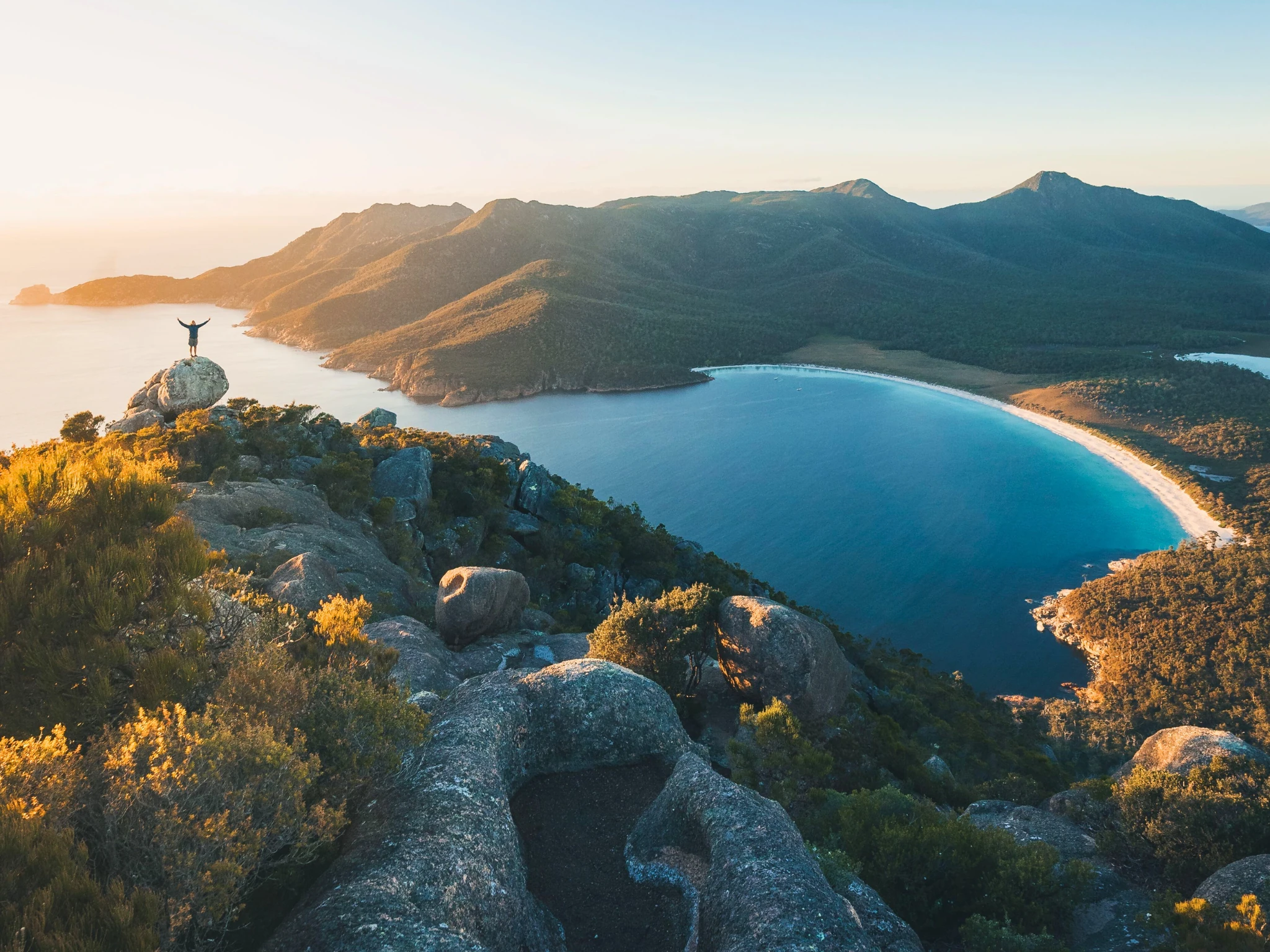
Picture this: a crescent of silica-white sand wrapped around water that goes from bright turquoise to deep indigo as it meets the Tasman Sea. That’s Wineglass Bay. Framed by the peaks of the Hazards and the wilderness of Freycinet National Park, it’s a must-see, must-do. Get to the lookout at Mount Amos (a 2.5-kilometre climb), and once you’ve drunk in those majestic views below, take a 30-minute walk down to the beach, where echidnas and Bennett’s wallabies rustle in the bush.
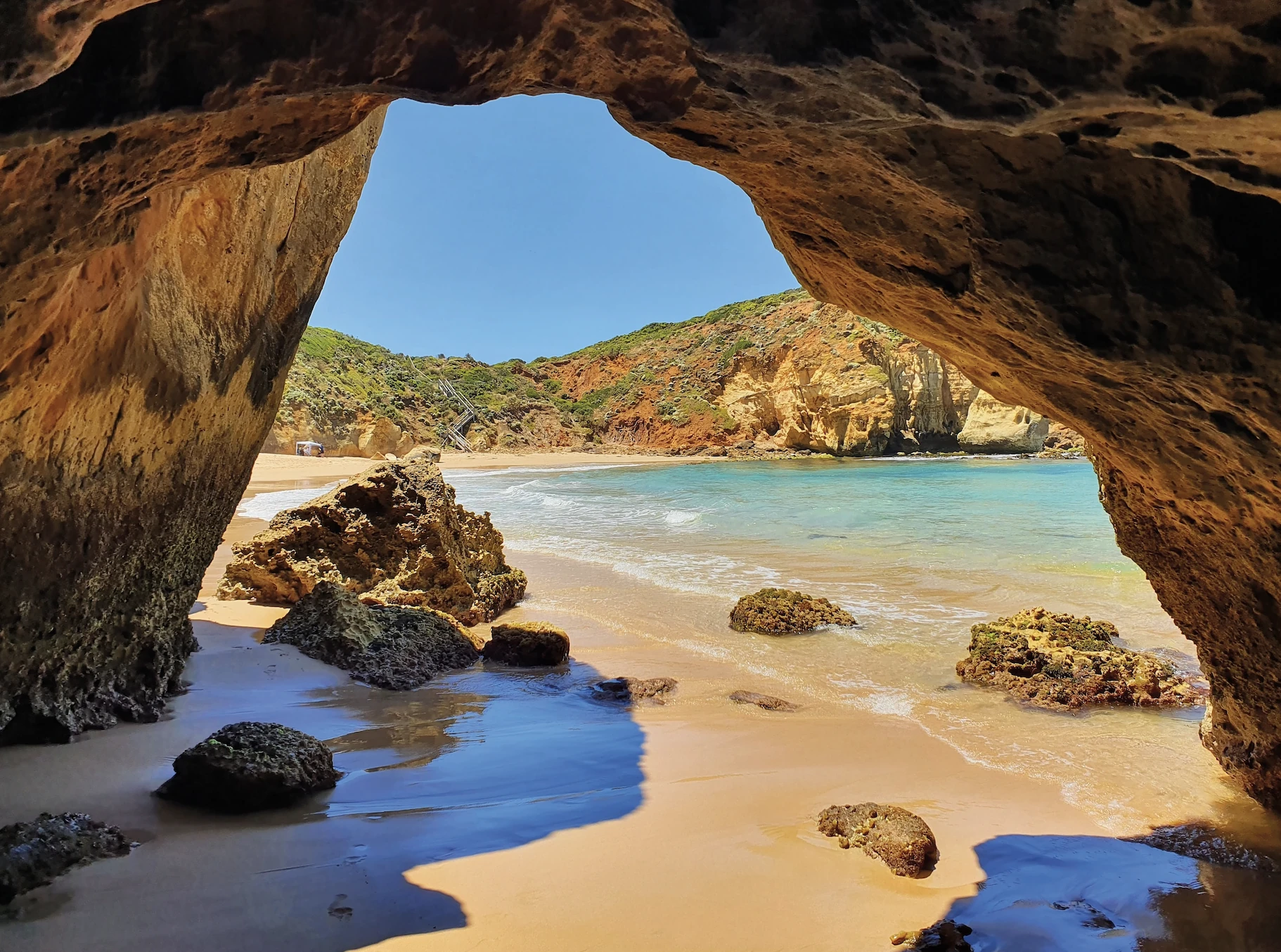
At the tail end of the iconic Great Ocean Road is Childers Cove. Once you get to the clifftop car park, steep wooden steps lead down to an arc of sand hemmed in by towering limestone cliffs and the restless swell of Bass Strait. At low tide, rock pools abound with marine life, but swimmers should beware of strong rips – the beach has no surf lifesavers or facilities.
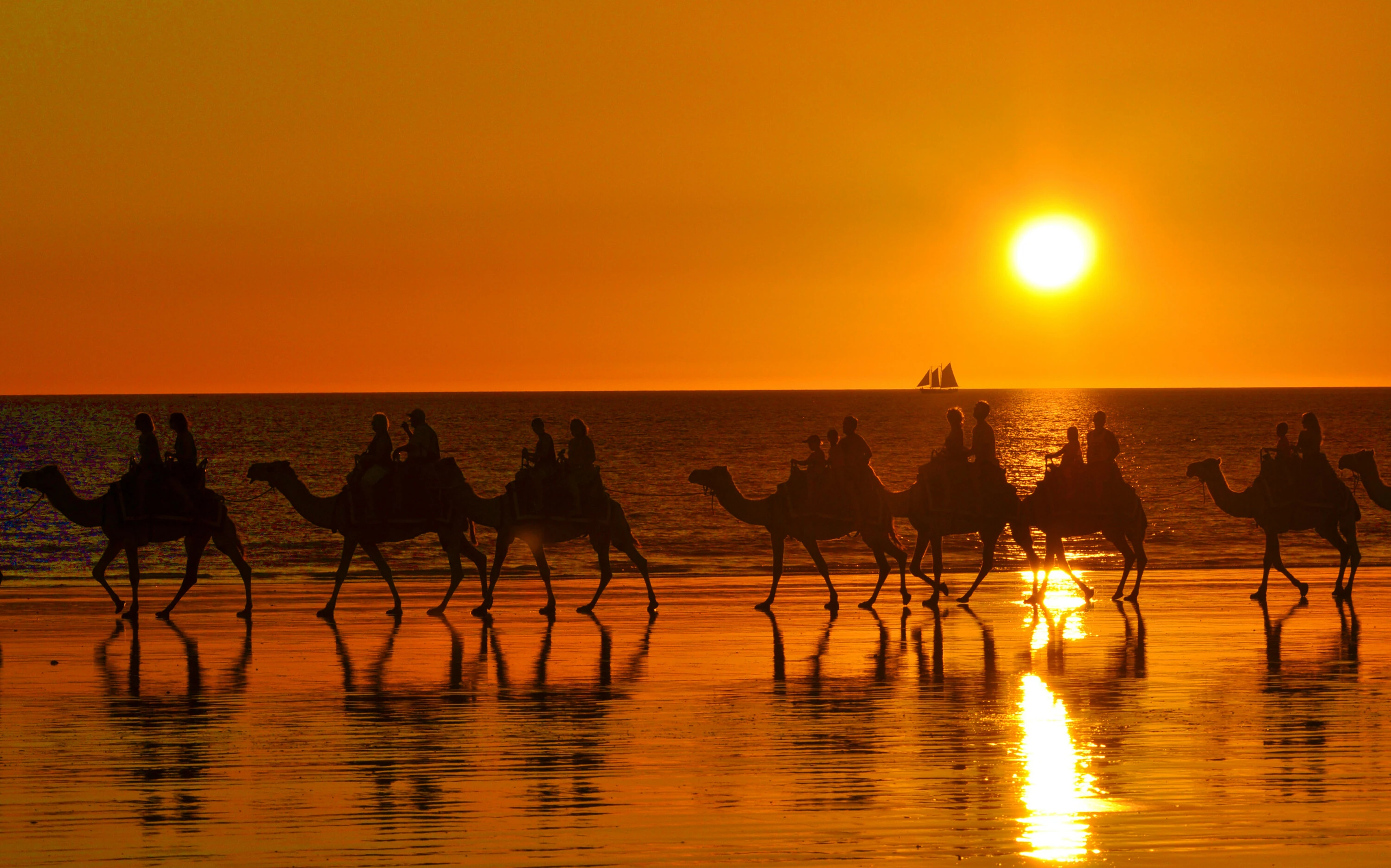
You’ve probably seen it on a postcard: a camel train walking along the shore, silhouetted against the setting sun. Cable Beach (Walmanyjun) is one of Western Australia’s most iconic stretches of sand. Fringed by the turquoise Indian Ocean on one side and the rust-red pindan earth of the Kimberley on the other, this 22-kilometre shoreline lies just outside Broome. By day, the water is calm and perfect for swimming, paddleboarding or kayaking. The northern end welcomes 4WDs and happy campers enjoying a languid afternoon. As the tide slips away and the sun dips into the Indian Ocean, it’s time for barefoot-on-the-beach walks, aperitivo hour – and, perhaps, that camel ride.
Discover Time Out original video