[category]
[title]
From Hervey Bay to Cape Byron, these coastal hotspots offer your best ticket to a guaranteed whale sighting


Whale, hello there! You’ve likely clicked into this article because, like us, you are super excited for the start of Australia’s epic whale-watching season. Every winter, thousands of these gentle giants journey north along our legendary 'Humpback Highway' to breed in warmer waters. Peak sightings usually happen between late June and early July, when the whales swim closest to our beautiful shoreline. But if you miss that fast-paced northbound journey, mothers and calves make the return trip south, extending the season from August to November.
We’re blessed to have around 60 per cent of the global whale population migrating through Australian waters, meaning your odds of spotting one are pretty high. However, to truly guarantee front-row seats, you need to target the ultimate hotspots on the whale circuit – as revealed by new research from the travel insurance specialists at AllClear. They analysed more than 63,000 whale sighting records from the Ocean Biodiversity Information System across Australia's most popular whale-watching destinations to reveal which locations have the highest number of recorded sightings.
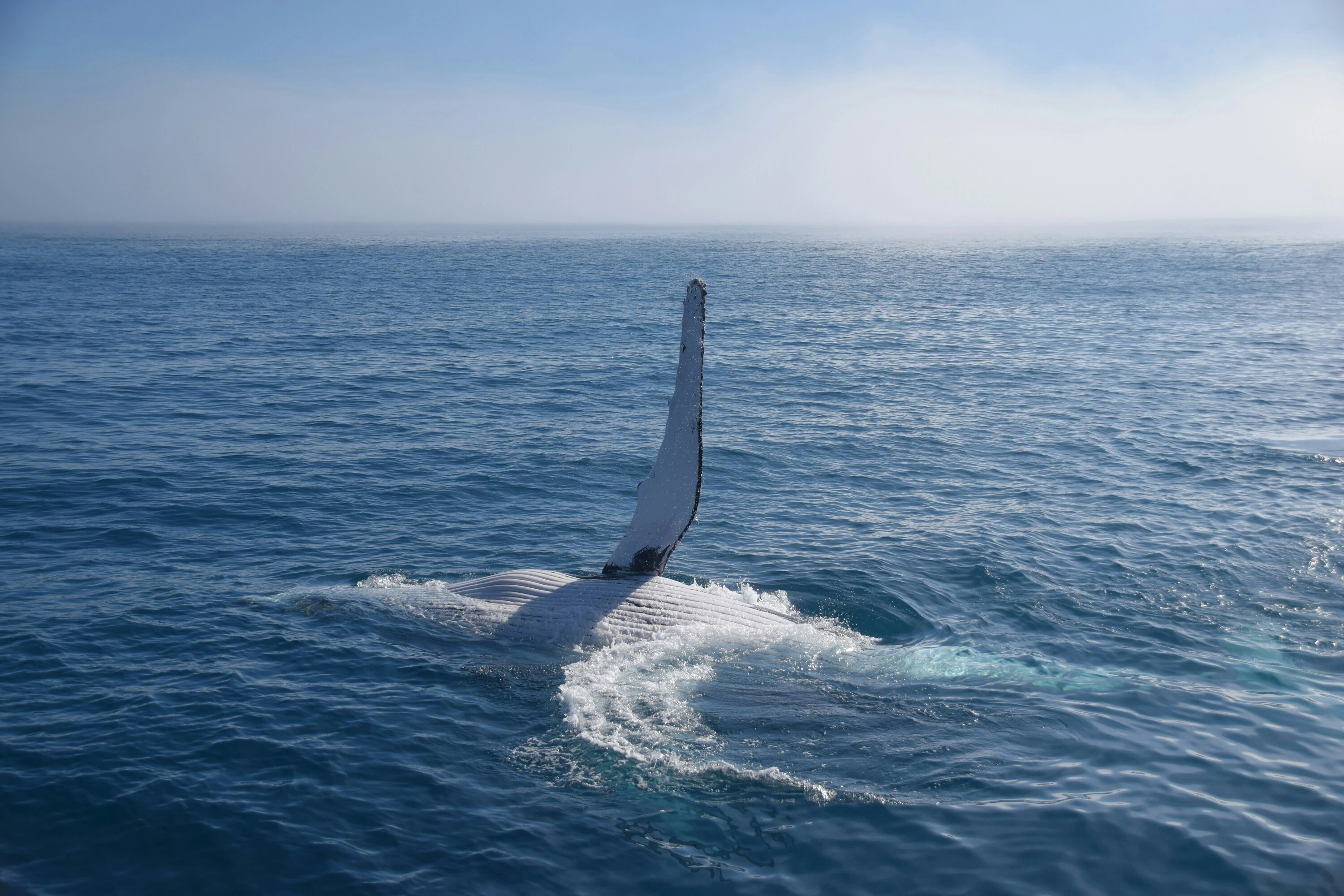
Commonly referred to as the ‘whale watching capital of Australia’, Hervey Bay in Queensland is the absolute top spot for whale sightings. It currently boasts more than 13,000 recorded sightings, including everything from humpbacks to minke, southern right and killer whales. Hervey Bay is a particularly popular mid-migration rest stop for mothers and calves, who love the sheltered waters. Instead of being on a strict mission for food, whales check in and play around – so head out on a boat and enjoy the whales breaching and surfacing all over the place.
While Australia’s East Coast dominated the top ten, Albany in Western Australia followed closely behind with 12,455 sightings. Sheltered from the rough Southern Ocean swells by its neighbouring islands, this historic port city provides the ultimate sanctuary for whales to calve and rest from May to October. To see the mammals in the flesh, join a tour to the calm waters of King George Sound or spot them from land at Middleton Beach, Emu Point or The Gap in Torndirrup National Park.
NSW claimed four of the top ten spots for the most whale sightings, with beautiful Cape Byron – Australia’s most easterly point – rounding out the top three. It currently has more than 6,000 recorded sightings, with the best land-based viewing from Cape Byron Lighthouse or the Captain Cook Lookout. Those seeking more thrills can take kayaks out and see these magical mammals up close and personal.
Discover Time Out original video