[category]
[title]
Discover what makes Saturday, June 21 the shortest day on the calendar


Brace yourselves… but in a good way! The shortest, darkest day of the year is coming up this week, which means we’re officially one step closer to summer (and the return of daylight saving). On June 21, Australia will experience its annual winter solstice, which happens when the South Pole has its maximum tilt away from the sun. Here’s your guide to surviving (and thriving) on the shortest day of the year.
The 2025 winter solstice in Australia lands on Saturday, June 21. Here are the estimated daylight hours for each Australian capital city on the shortest day of the year:
You can find your city’s daylight hours here.
The winter solstice marks the shortest day and longest night of the year. This happens in Australia when the South Pole is at its furthest tilt away from the sun, meaning the sun takes its lowest and shortest journey across the sky.
This astronomical event happens in Australia on the same day annually, and it occurs at the exact opposite time to the Northern Hemisphere. So, while we’re having our shortest day, our friends up north are experiencing their summer solstice (aka the longest day of the year).
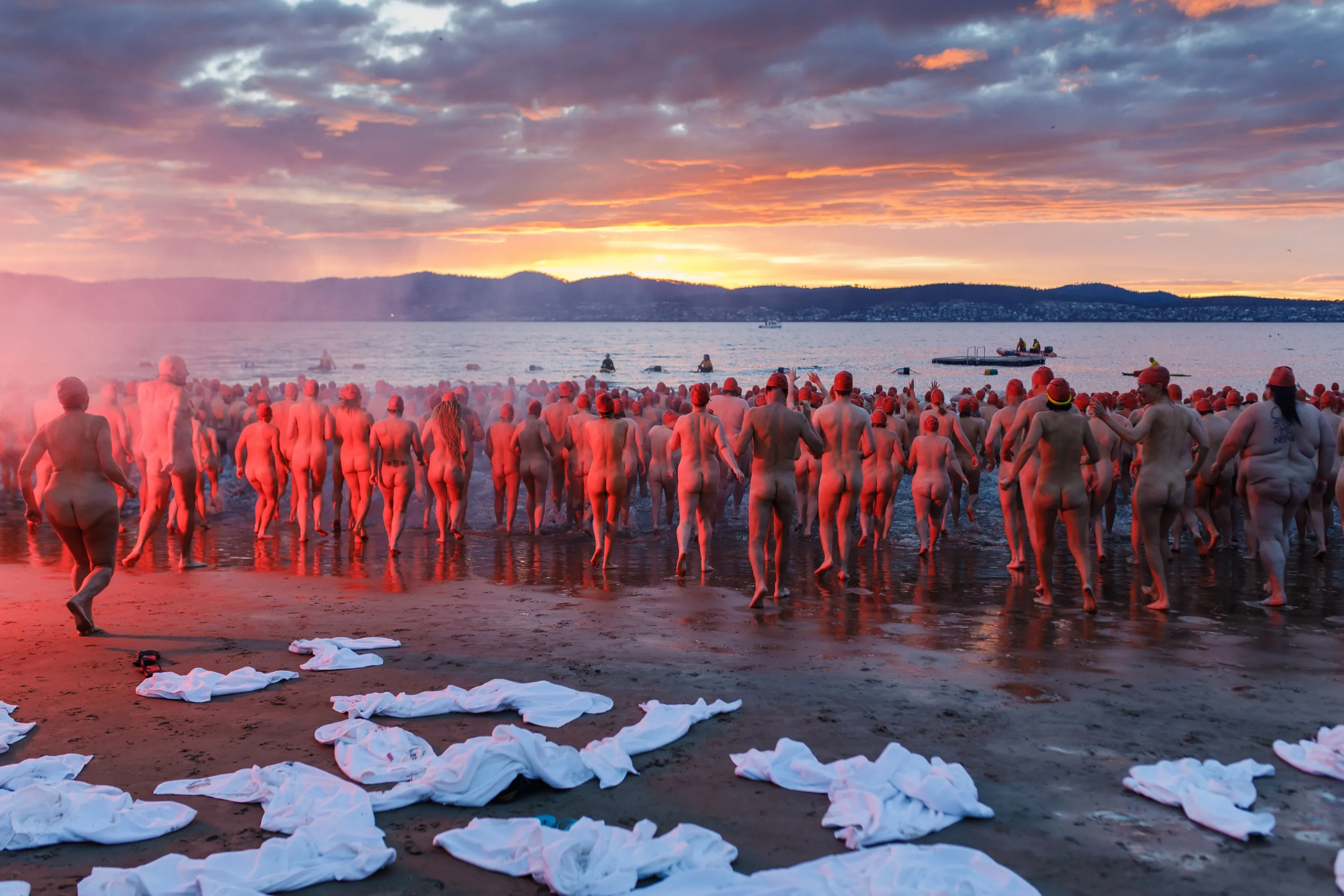
For many, the solstice marks the official onset of winter. It is celebrated around the world in many different ways – from lighting lanterns and taking hot baths to building bonfires and gazing at the stars. In Tasmania, the boldest of Aussies celebrate with the infamous Nude Solstice Swim as part of Dark Mofo festival.
After the winter solstice, the days gradually begin to lengthen as the Earth keeps orbiting the sun. Eventually, we’ll reach the spring equinox on September 22, when daylight and darkness hours are equal – before we reach the summer solstice in late December, when everything reverses.
The summer solstice, aka the longest day of the year, falls on Monday, December 22, 2025.
Discover Time Out original video