[category]
[title]
More than 12,000 vibrant floral species will blanket the state in colour this spring


Update Thursday, September 17: Western Australia's epic wildflower season is well underway! If you're planning a road trip, you can use this up-to-date Wildflower Watch guide to see what’s currently blooming along the Coral Coast.
Despite the overseas cliché that Australia is 98 per cent arid outback (with a tiny slice of Bondi Beach thrown in), our beautiful backyard is home to some of the most spectacularly vibrant plant life on Earth that you have to see to believe. In fact, Western Australia boasts the world's largest collection of wildflowers, with 60 per cent of its 12,000 species found nowhere else on the planet.
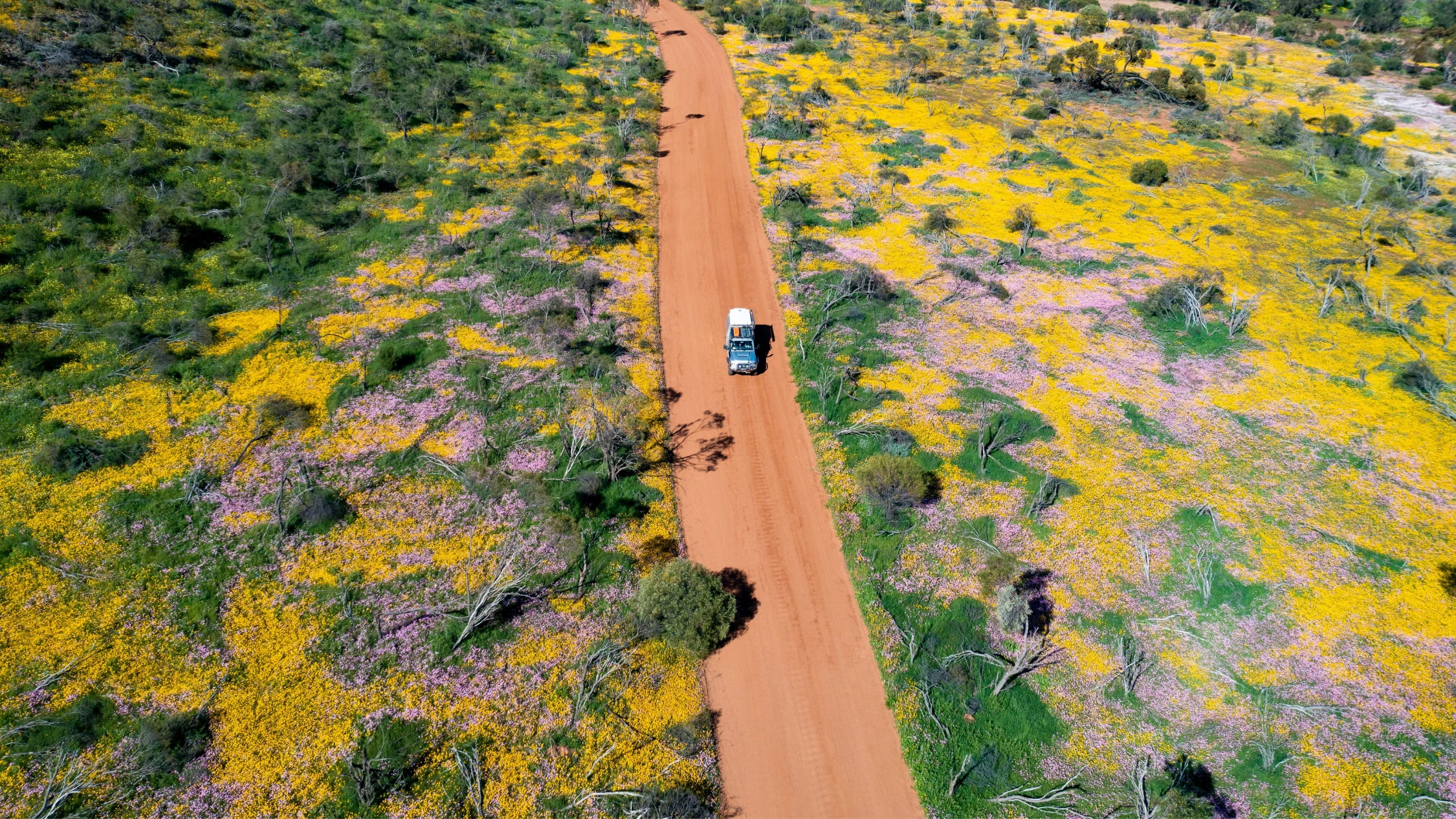
Building a road trip itinerary around the state’s flower seasons is the ultimate way to immerse yourself in nature, where entire landscapes transform into technicolour canvases. The bloom kicks off in the warmer northern outback regions before sweeping through the Wheatbelt (aka ‘Wildflower Country’), eventually reaching the lush forests and coastal heaths of the South West and Margaret River.
Western Australia’s 2026 wildflower season kicked off in mid-July, with stunning early blooms spotted along the Coral Coast. Here’s your handy guide to following the wildflower trail this winter and spring.
Where: Dalwallinu to Geraldton
How far: Three days or 309 kilometres
Best time to visit: August to early September
What to see: Everlastings, wattles, orchids and the coveted wreath flower
Hotspots: Coalseam Conservation Park, Datjoin Rock, Lesueur National Park and the Wubin Wildflower Walk
Where: Return trip from Perth through the Wheatbelt
How far: Seven days or 843 kilometres
Best time to visit: August to early September
What to see: Everlastings, rare orchids, koorda gimlets, mallee, hakea and wattle
Hotspots: Bungalbin Reserve, Coalseam Conservation Park, Kokerbin Rock and Wave Rock
Where: Perth to Esperance
How far: Eight days or 1,947 kilometres
Best time to visit: September to November
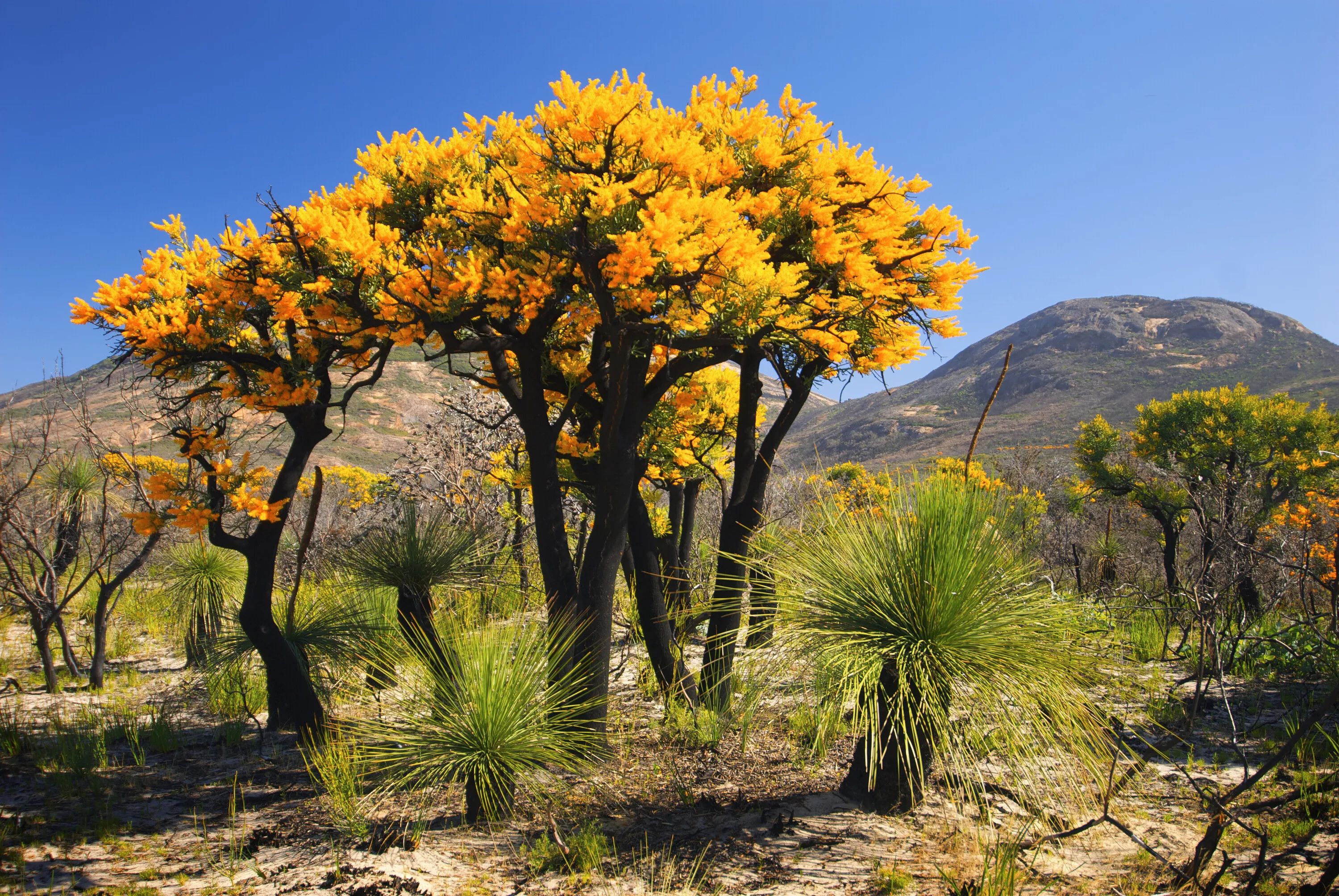
What to see: Banksias, grevilleas, wattles, hakeas, coneflowers, starflowers, smokebushes and native orchids
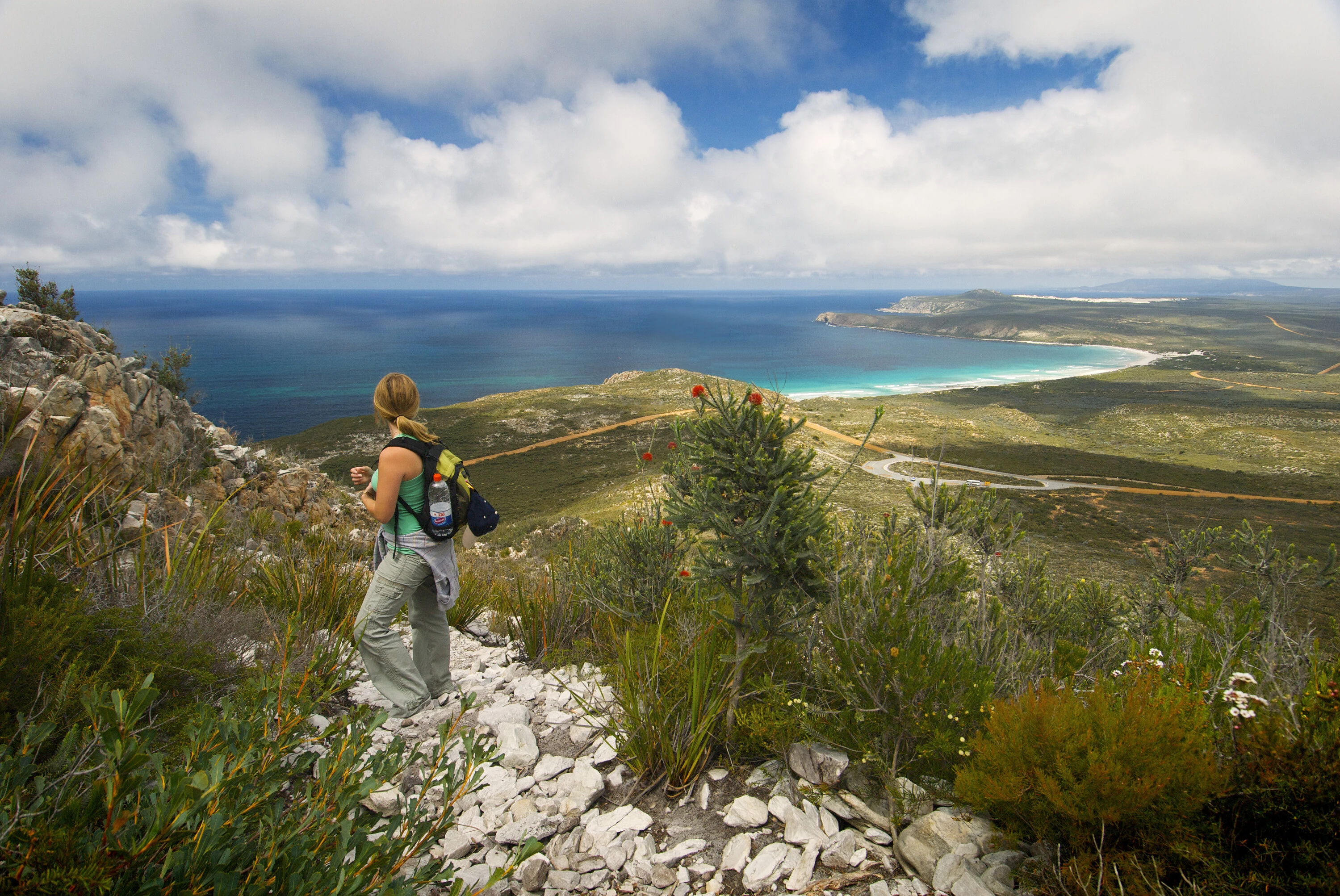
Hotspots: Fitzgerald River National Park (East Mount Barren Trail), Cape Le Grand and Frenchman Peak
Where: Return trip from Perth via the Margaret River, Walpole and Albany regions
How far: Seven days or 1,200 kilometres
Best time to visit: September to November
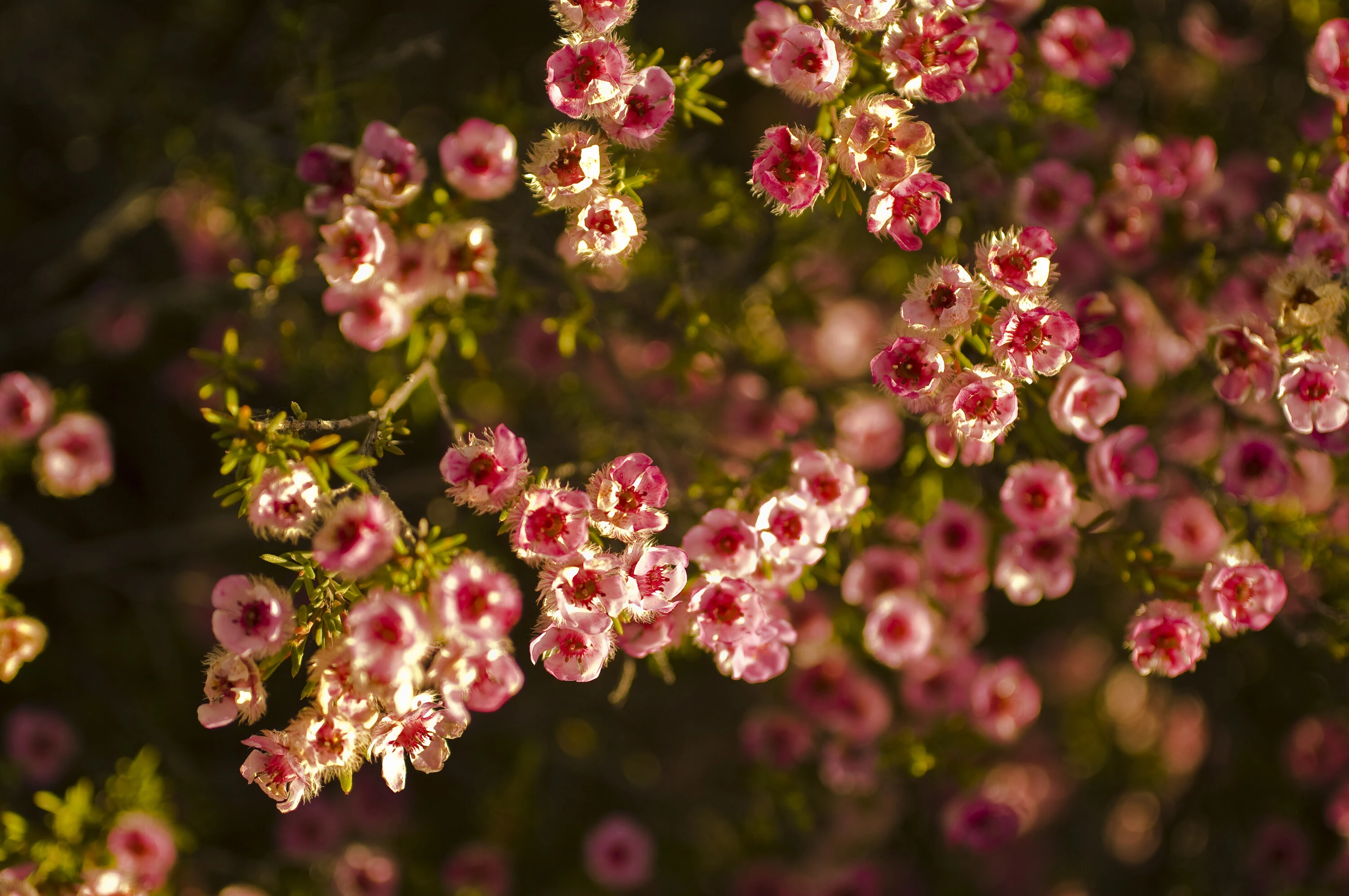
What to see: Kangaroo paws, blue leschenaultia, rare native orchids, buttercup bush, pink myrtle and coral vines
Hotspots: Cape to Cape Track (Yallingup to Augusta), Shearwater Tuart Forest (Tuart Walk), Wellington National Park, Beedelup National Park and Porongurup National Park
Discover Time Out original video