[category]
[title]
Dinosaurs and stars are this town's guiding lights



If there’s one thing most of us can agree on, it’s how cool it is to gaze up in wonder at a brilliant night sky unobstructed by light pollution. The power of the galaxies has had humans spellbound for millennia, but with the continued growth of cities, it’s becoming increasingly rare to find genuine Dark Sky zones where stars can be seen in all their true, sparkling glory.
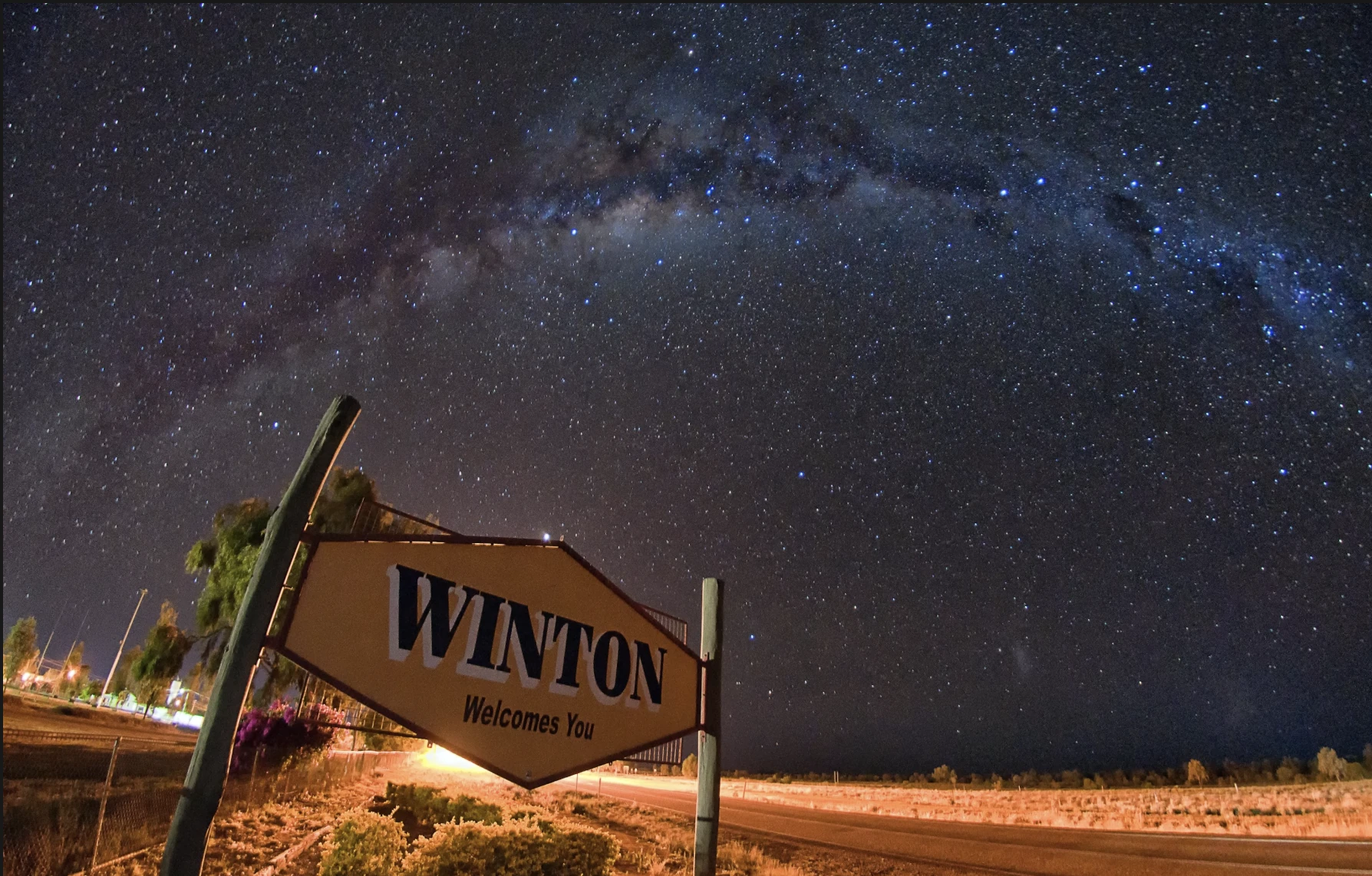
It’s for this reason that the efforts of Winton – a tiny town in outback Queensland with a population of just 1,134 residents – are so important. Though small in size, Winton is packed with mighty surprises: it's the birthplace of fan-favourite Aussie national anthem ‘Waltzing Matilda’, home to Australia’s largest dinosaur fossil collection, and most excitingly, it boasts some of Australia's darkest night skies.
In March 2025, after three years of petitioning, Winton was officially recognised as an International Dark Sky Community. It's proudly the first township in Queensland to earn this title, and only the second nationwide, alongside Carrickalinga in South Australia.
This accolade is the result of a massive grassroots effort. The Winton Shire Council teamed up with local businesses and community groups to implement responsible outdoor lighting guidelines, conduct lighting audits and retrofits, and launch community education programs on light pollution. Residents and visitors also participated in nighttime events to measure sky quality and raise awareness about protecting the night sky for generations to come.
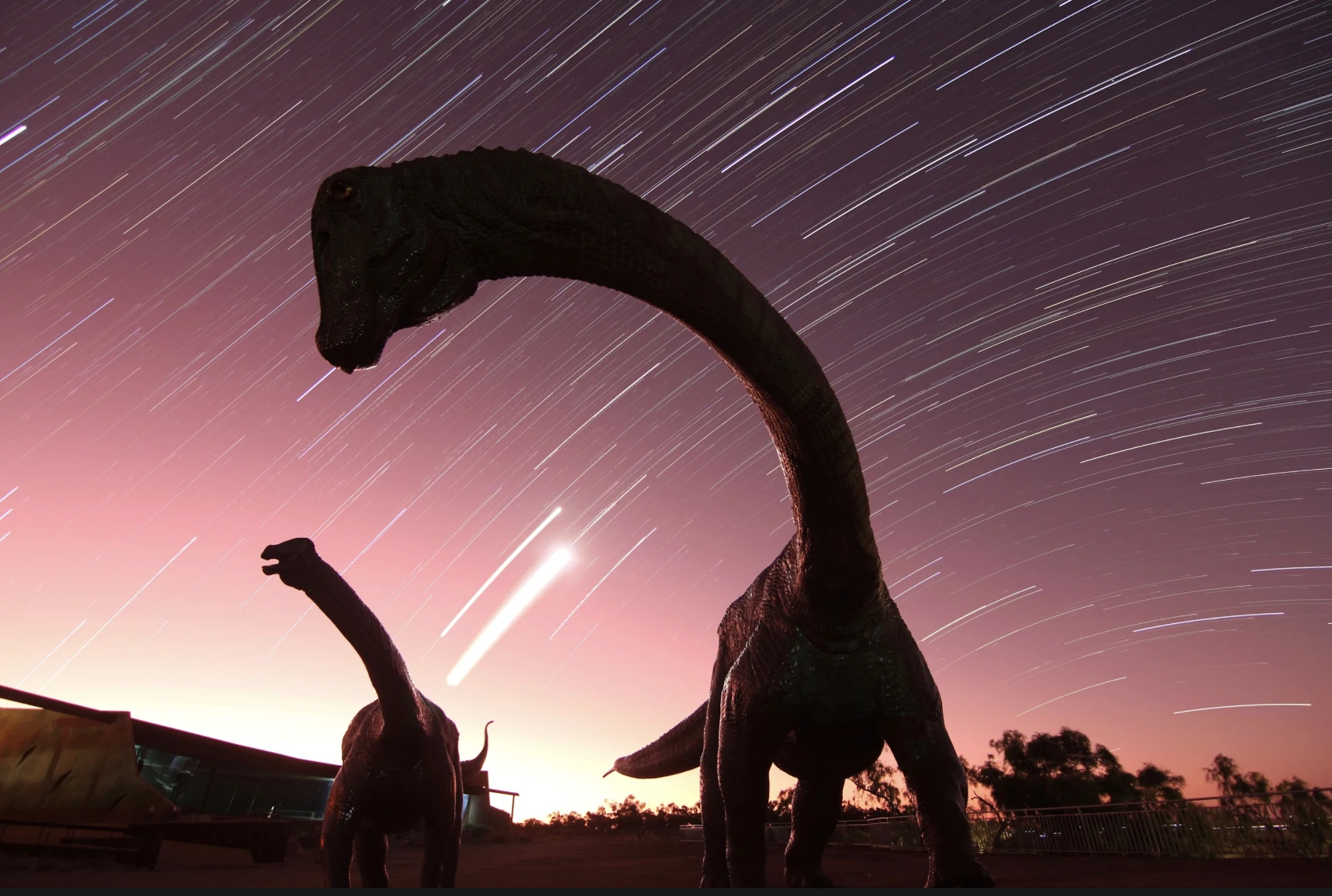
Just outside town, The Jump-Up at the Australian Age of Dinosaurs Museum of Natural History – home to the nation’s largest collection of dinosaur fossils – is also celebrated as one of only two International Dark Sky Sanctuaries in Australia. This makes Winton the first place in Australia to hold both globally renowned titles. The difference? A Dark Sky Sanctuary is typically a remote natural reserve far from urban lights, while a Dark Sky Community is a town or city that implements policies to reduce light pollution – like shielding streetlights and limiting bright signage – to protect the night sky for locals and tourists.
With almost 80 per cent of the world's population unable to see the true night sky due to widespread light pollution, the vitality of preserving pockets of the world where the stars are totally visible is becoming more and more important as the years go on. Dark Sky zones enable clear and vital scientific observation, protect local wildlife and ecosystems, and connect us to nature and its many wonders.
Discover Time Out original video