[category]
[title]
Seven Australian capitals just cracked the top 100 in Oxford Economics’ 2026 Global Cities Index


Every year, Time Out crowns the world’s best cities based on what local dwellers actually think – rating everything from nightlife and culture to walkability and green spaces. But what happens when you factor in hard data like economic power, governance quality and rental prices? To find the answer, we turn to Oxford Economics’ annual Global Cities Index.
The comprehensive ranking evaluates the 1,000 most populous cities across 27 indicators spanning five categories: Economics, Human Capital, Quality of Life, Environment and Governance. Those scores are then compiled to determine the overall ranking of the top cities worldwide.
Wondering how Australia stacks up against the world’s 1,000 largest metropolises? Seven Aussie cities cracked the global top 100 in 2026 – however, all but one dropped in the overall rankings compared to last year.
Both Sydney and Melbourne were bumped out of the global top ten, falling to 13th and 16th after sitting at sixth and seventh in 2025. Rising metropolises like Dublin, Tokyo, Boston and Zurich overtook them, with New York, London and Paris claiming the top three spots for yet another year.
While Australia’s two largest capitals remain premier hubs for top-tier education, low crime rates and economic strength, their overall scores were dragged down by high housing costs and ageing populations. Regardless, landing in the top 20 of 1,000 global cities is no small feat – placing both Sydney and Melbourne within the top two per cent worldwide.
Brisbane also took a hit in the 2026 rankings, sliding from 23rd place down to 36th. The Queensland capital shares key strengths with Sydney and Melbourne, including high life expectancy, a large foreign-born population and top-notch universities. However, it’s not all sunshine in the Sunshine State: a higher risk of natural disasters, fewer corporate headquarters and high property costs impacted its overall score.
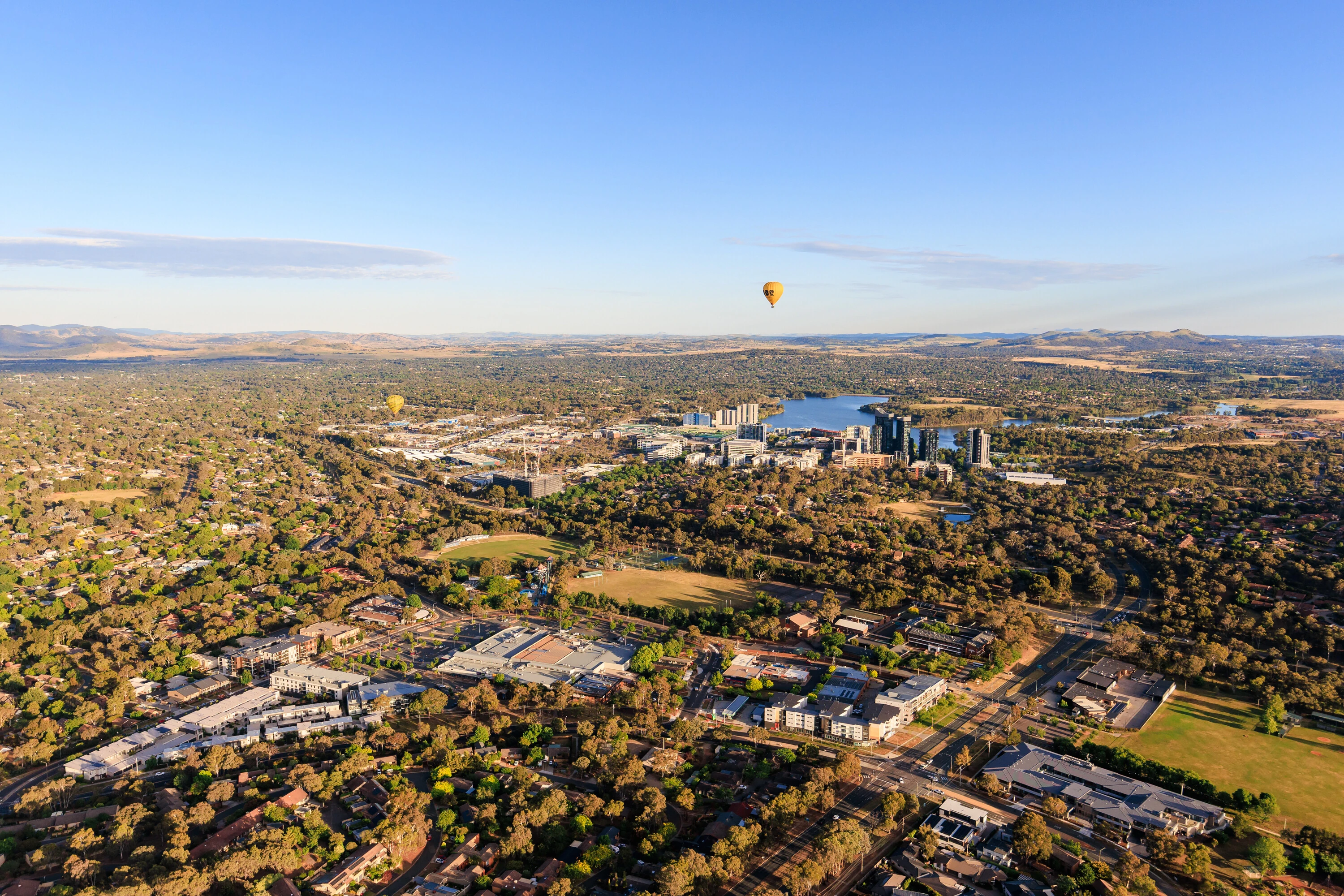
Perth landed fourth in Australia and 44th globally – down from 31st place in 2025 – with the city’s reliance on the mining sector contributing to lower economic diversity. Canberra followed right behind in 45th place, standing as the only Australian city to climb the rankings – up seven places from last year. Better yet, the nation’s capital ranked first globally for Quality of Life, thanks to long life expectancies and high income equality.
Rounding out Australia’s contenders in the 2026 Global Cities Index were Adelaide in 70th place (down from 54th in 2025) and the Gold Coast in 78th (down from 69th). A quick shout-out to the GC for its serious green credentials, taking the tenth spot globally in the Environment category.
You can compare Australia’s rankings to other cities in the full Oxford Economics’ 2026 Global Cities Index here.
Discover Time Out original video