[category]
[title]
Two Lanna-era stupas, an ancient building and a series of mysterious stone circles found deep in Mae Hong Son's forests – and it all started with a Facebook post


A cluster of 400-year-old Lanna ruins has been found hidden deep in the forests of Mae Hong Son – and the discovery started, as many things do these days, with a Facebook post.
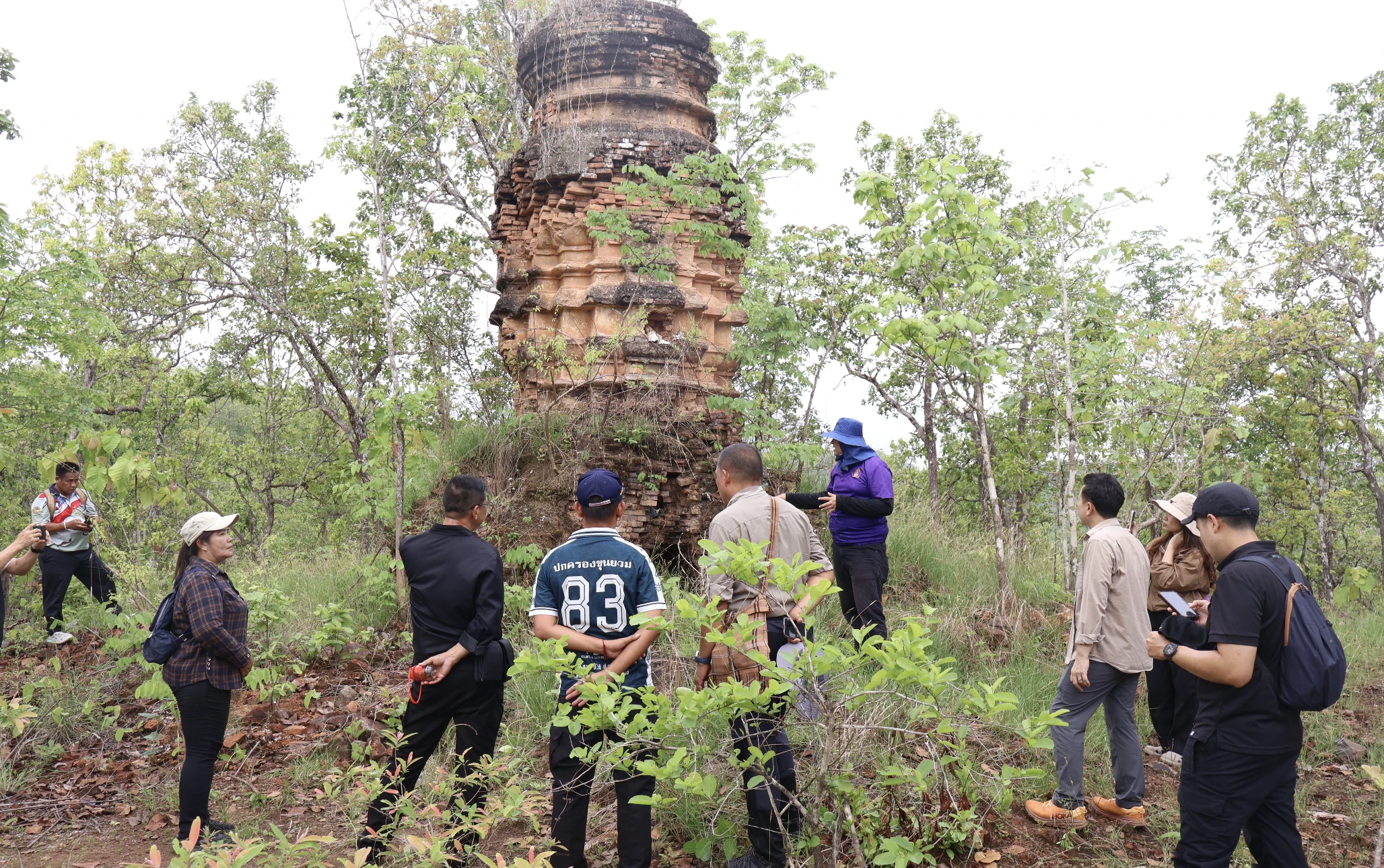
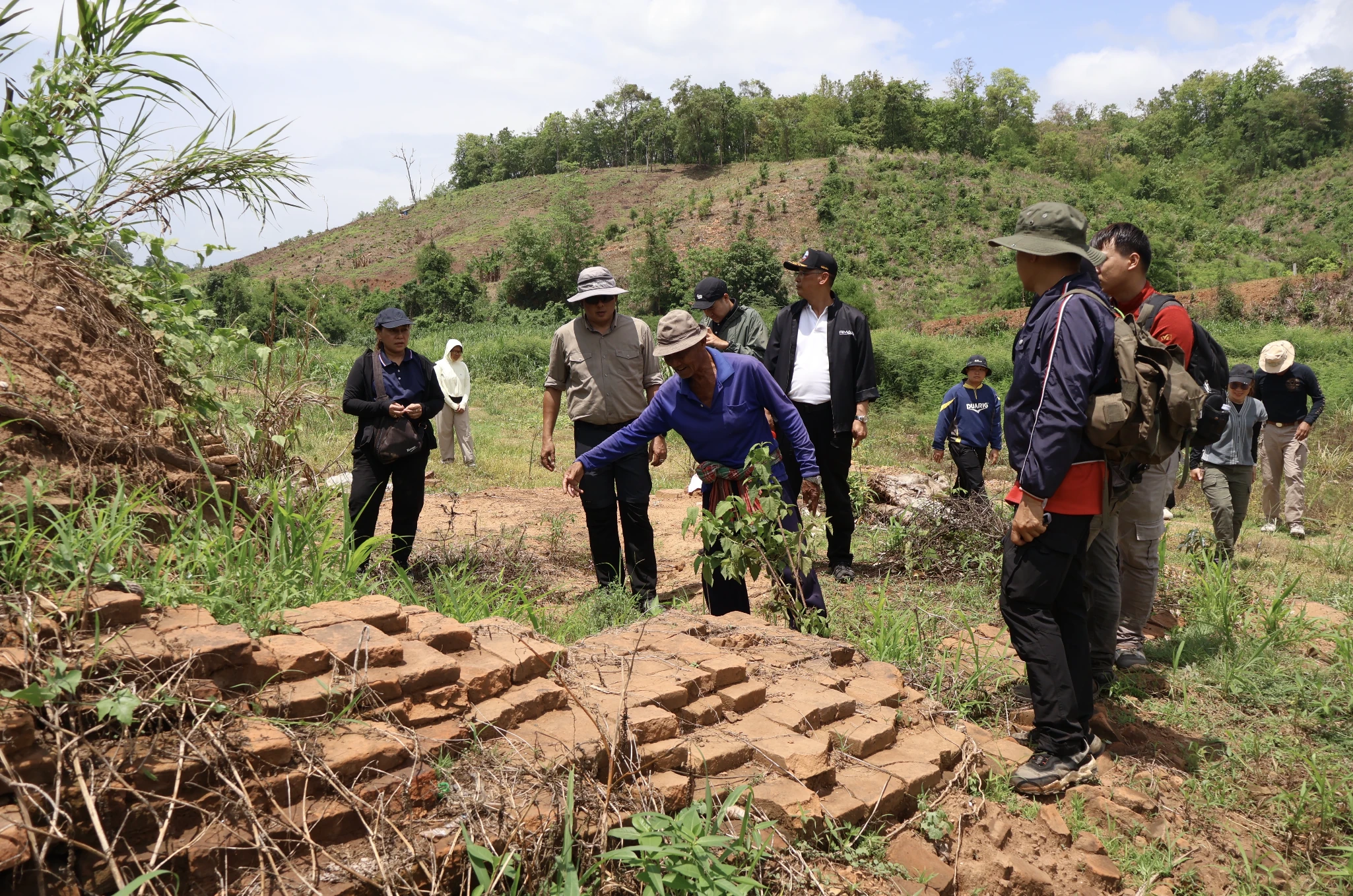
Villagers, teachers and local residents from Ban Mai Hung village began sharing images of the ruins online earlier this month, prompting the Mae Hong Son Governor to lead a delegation to the site for a proper look.
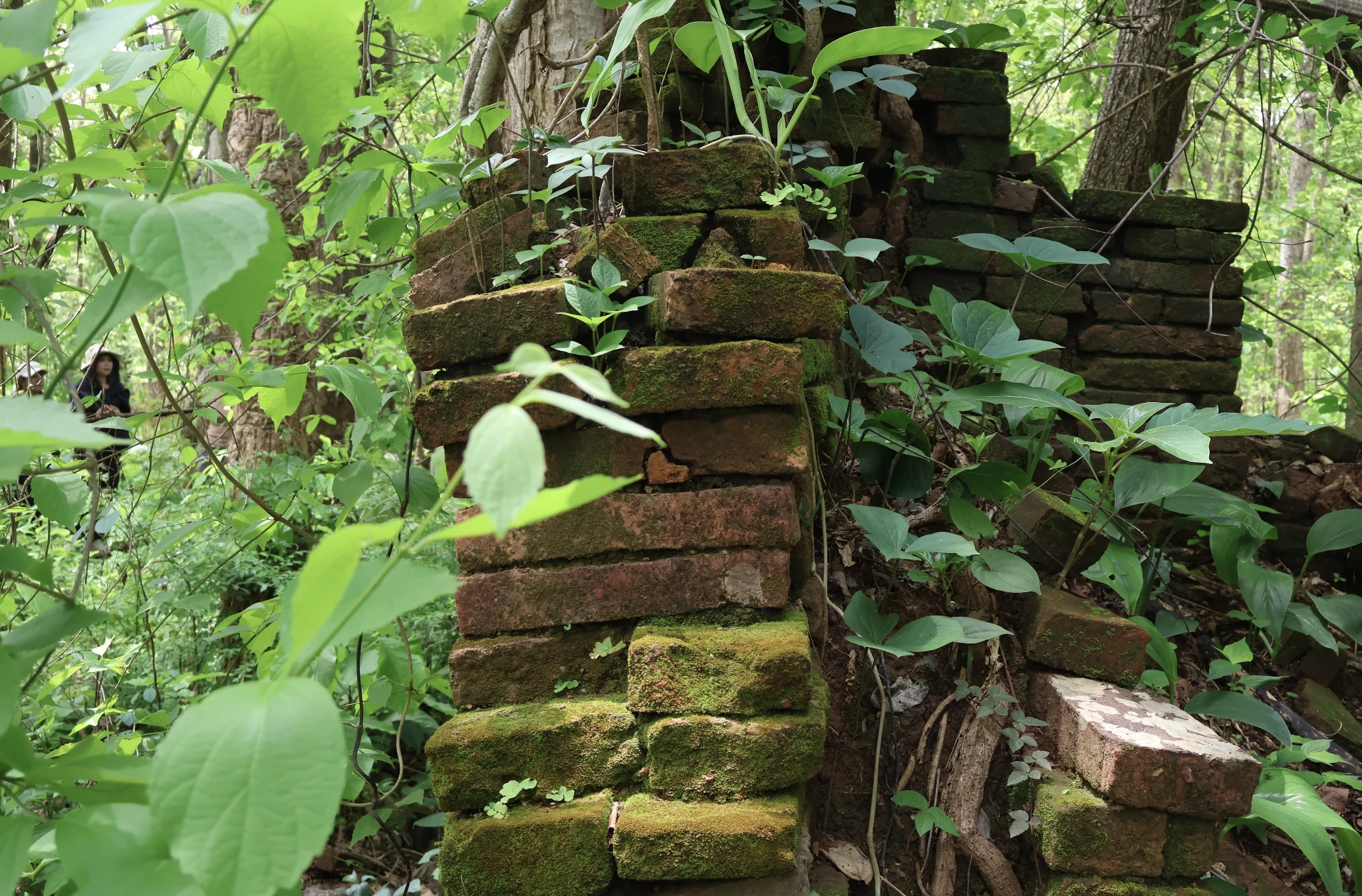
What they found was more than a few scattered stones in the undergrowth. In fact, it was a whole temple complex, hidden in the jungle for over 400 years.
The complex includes two Lanna-era stupas – named Doi Kong Mu Ban Mai Hung and Doi Kong Mu Kham Soeng – plus an ancient building structure, with additional ruins scattered along the trail between the two main stupas. Everything is still visibly intact in shape and form, which is remarkable for structures that have been sitting undiscovered in a forest for at least four centuries.
On the same day, a separate team headed to Khun Yuam District to survey a second site – a series of stone circles that locals call Wong Tee Kai, which translates roughly as ‘the cockfighting rings’.
Multiple circles were found scattered across the area, the largest measuring around 12-metres across. Nobody is entirely sure what they are yet but researchers believe they may be traces of ancient communities that lived in the region long before Mae Hong Son Province was formally established.
But the story doesn’t end there.
Mae Hong Son has always been a bit of a historical blind spot – its mountainous terrain has kept communities isolated for centuries, and the province has been studied far less than neighbouring Chiang Mai or Lamphun, especially when it comes to archaeology.
One former cultural officer who commented on the announcement noted he had tried to bring Fine Arts Department surveyors to the province multiple times between 2002 and 2011 without success.
Others pointed out that similar stone circles found in Lamphun are associated with the Lua people – one of the oldest indigenous groups in northern Thailand – suggesting these formations could be part of the same ancestry.
Authorities have now assigned agencies to properly document and assess both sites, with plans to coordinate with Thailand's Fine Arts Department for formal registration and eventual restoration. The longer-term ambition is to develop the sites into cultural tourism destinations that bring income to local communities.
Discover Time Out original video