

[image]
[title]For many families in Delhi, going out in the ‘90s and early 2000s was a fairly predictable experience. One weekend was reserved for lavish Indian food – tandoori chicken, malai kofta, and the likes – and the next, invariably, for Chinese. It was always an oscillation between these two in those days.
In our house, this ritual was followed with fascinating precision. Chinese weekends almost always meant a trek to Golden Dragon in Vasant Vihar. Even now I have a vivid recollection of that large installation of a golden dragon spread across the ceiling. The order’s branded into my memory with a white-hot poker: either sweet corn or hot and sour soup, chilli chicken, Hakka noodles, and, for me, sweet and sour prawns, which were glossy, sticky, more sweet than sour, but I loved them.
Years later, I discovered that there were other facets to Chinese cuisine: tingling complexity of Sichuan peppercorns, the elegance of Cantonese broths, and the wondrous pleasures of a leisurely dimsum brunch. My childhood meals at Chinese restaurants had none of these refinements, yet I still find myself returning to them with fair regularity. It’d be unfair to bring authenticity into this conversation, because what I’m really after is comfort and nostalgia. For the very specific, gratifying joy of what’s now lovingly called ‘Chinjabi’ food. (The Punjabi self-inserts are ubiquitous, it seems.)
What’s Chinjabi food?
As I said, it’s pointless to pull the authenticity card in the Indo-Chinese or Chinjabi cuisine discussion. Everyone knows that the folks in Manchuria would balk at the steadfastly Indian invention that is Chicken Manchurian. In fact, most of India’s ‘Chinese’ food would be considered an unrecognisable travesty in mainland China, because the main mantra here’s to fry everything and douse it in sauces built on endless combinations of soy sauce, vinegar, and red or green chilly sauce. The names are the same – hot garlic, pepper sauce, lemon sauce, Schezwan sauce – but every restaurant does them differently, and that’s why we all have favourites.
Me, I continue to frequent places like Fa Yian, Fujiya and Lotus Pond, tucked away in New Friends Colony. I order in from them as well. These restaurants have survived the chaotic culinary scene in Delhi – both the rocky ups and downs of new restaurant openings, and the dangerous endless choice model of delivery apps.
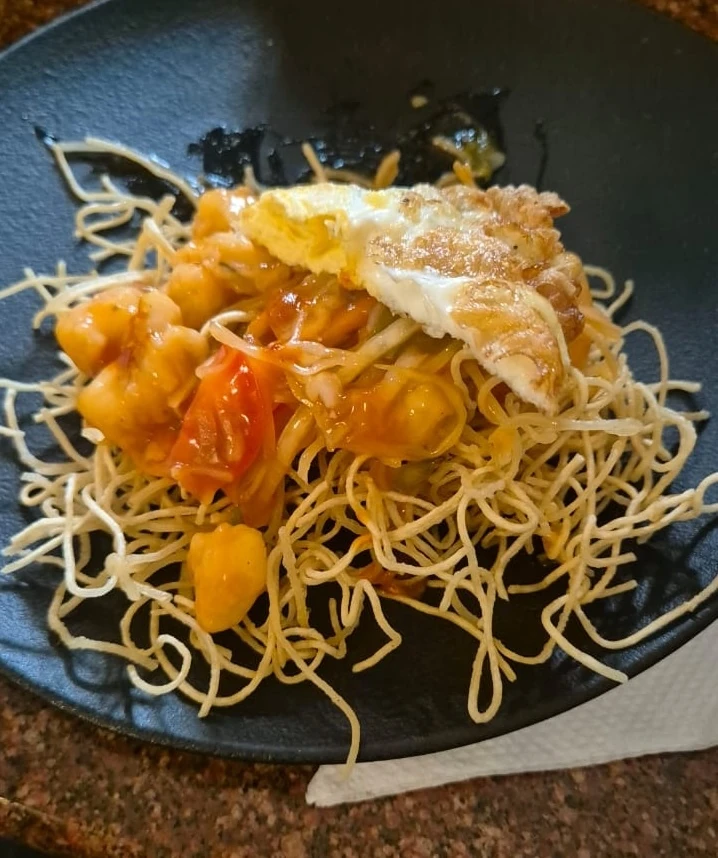
Some of these restaurants have indeed attempted to evolve with the times (typical additions are pan-Asian dishes and trend-friendly flavours) but the smartest thing you can do is ignore these new bits and stick to the classics.
There are, though, examples of restaurants locked in time. Take China Fare, for instance, which ruled the roost at Khan Market for years before shutting shop and moving right down the street to Prithviraj Market. The space is smaller, but the menu remains supremely unchanged.
Forever favourites
At Fa Yian in Connaught Place, no meal’s complete without the Fa Yian special rice/noodles – fried rice or noodles topped with veg or chicken in a tangy-spicy-sweet-garlic sauce. It’s the ultimate meal in a bowl. The never-ending order-ins by the editor at the first magazine I worked at can attest to that fact.
Malcha Marg’s Fujiya is home to a dish called Sukum wonton soup. It comes with fried wontons on the side, crispness preserved until they’re mercilessly, lovingly dunked into the piping hot soup. These details matter. That, and consistency over the years, are respect-worthy and win you customer loyalty that lasts decades, not years.
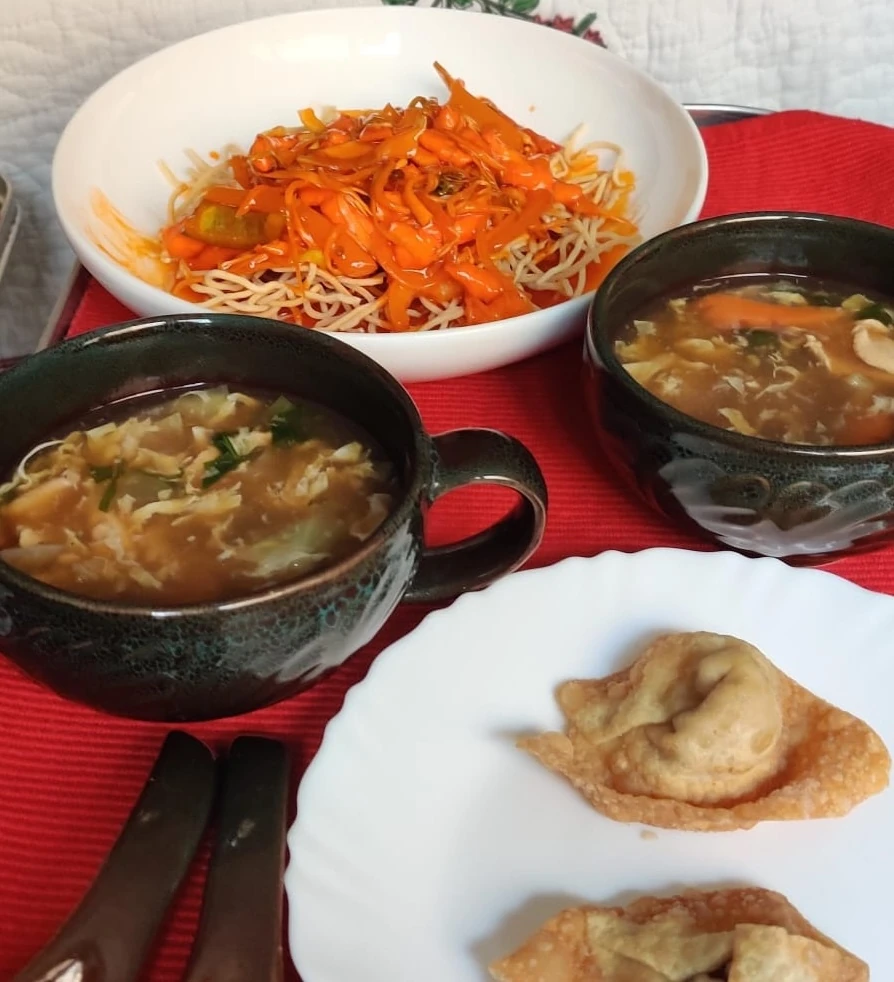
Another signature of Indo-Chinese kitchens is that they don’t skimp on the spice. Spice is unapologetically the predominant flavour in many of the dishes. At China Fare, the chilli chicken could match up to any mala dish from Sichuan.
There are other favourites, too. Aka Saka in Defence Colony was and is a regular haunt for bowls of soup and golden-fried prawns. Daitchi, bang in the middle of South Extension Market, used to be the perfect pit stop during a shopping spree back when all our shopping happened in markets, not malls, and certainly not online!
And how can we forget Culinaire in Greater Kailash II, which started out as an Asian dhaba, serving Chinese fare alongside some delicious Thai dishes. To this day, it remains my comfort-food go-to for Thai red curry chicken, vegetable green curry and a fantastic honey chilli chicken with a distinctly Thai touch.
Why we keep going back
Indo-Chinese restaurants are gloriously, thrillingly dated. No slick surfaces or minimalism or neon signage here – and if there is, it’s probably a happy accident. Chopsticks, of course, are unheard of. This ‘uncool’ ambience, as some might call it, is what truly completes the experience.
After all, it wouldn’t be a trip down memory lane without the dim lighting, faded menus, shabby seating, and ever-present scent of vinegar and soy sauce. One whiff sharpens the appetite far more effectively than any amuse-bouche.
Predictability amid an aggressively competitive dining culture’s now a novelty. Here, there’s no need to pretend you know what a fat-washed martini is. All you’re asked is if you like your chilli chicken dry or with gravy. For me, there lies the enduring appeal: a reminder of a time when dining out was a rare pleasure, when you couldn’t wait to recite your order to the waiter without opening the menu. When there was no greater comfort than a bowl of sweet corn soup, and when parents negotiated over whether to order two plates of noodles or if one would be enough.
For the record, one was always enough, but two plates were ordered regardless, so we could pack the rest and gleefully consume it for the next day’s lunch.