

[image]
[title]I am standing in a field and am soaking wet. Rain is pelting down on my insufficiently waterproof rain mac, and mud is rapidly seeping into my Nike Shox. People huddle together under trees and the few awnings that pepper the site. It’s safe to say not many of us were prepared for this weather.
This might sound like your average British festival, but I’m actually in Tuscany. I’ve come to Castiglion Fiorentino, a small walled city an hour away from Florence, to attend Flash Festival. It’s not quite what I signed up for. When I heard the words ‘Italian festival’, I pictured a week of Aperol by the pool by day, and long balmy nights soundtracked by Italo disco – not torrential downpours. But still, if there’s one thing the brilliantly friendly crowd at Flash can do, that’s make fun out of what some people might call an extreme weather event.
➡️ Check out our full guide to the best festivals in Europe
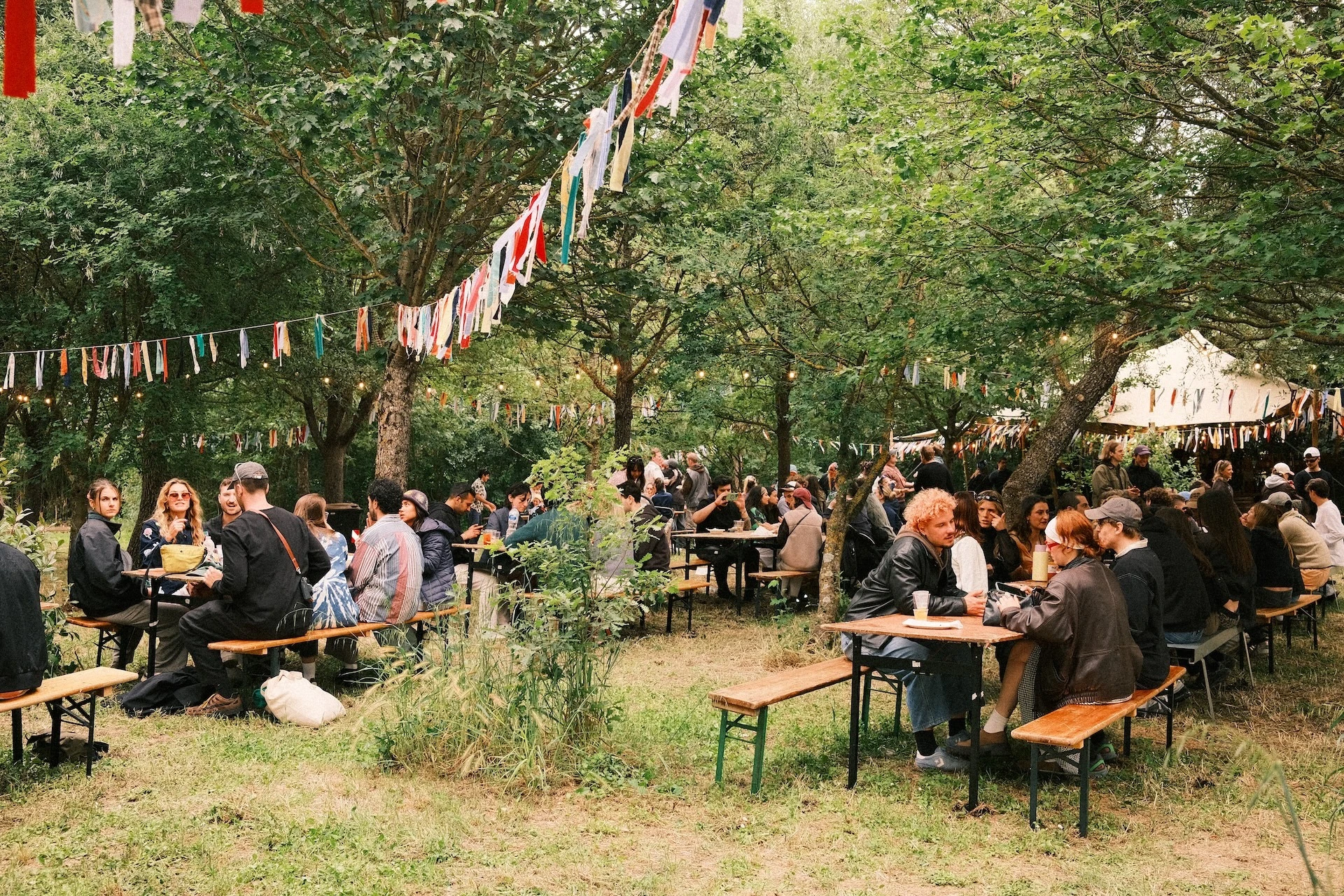
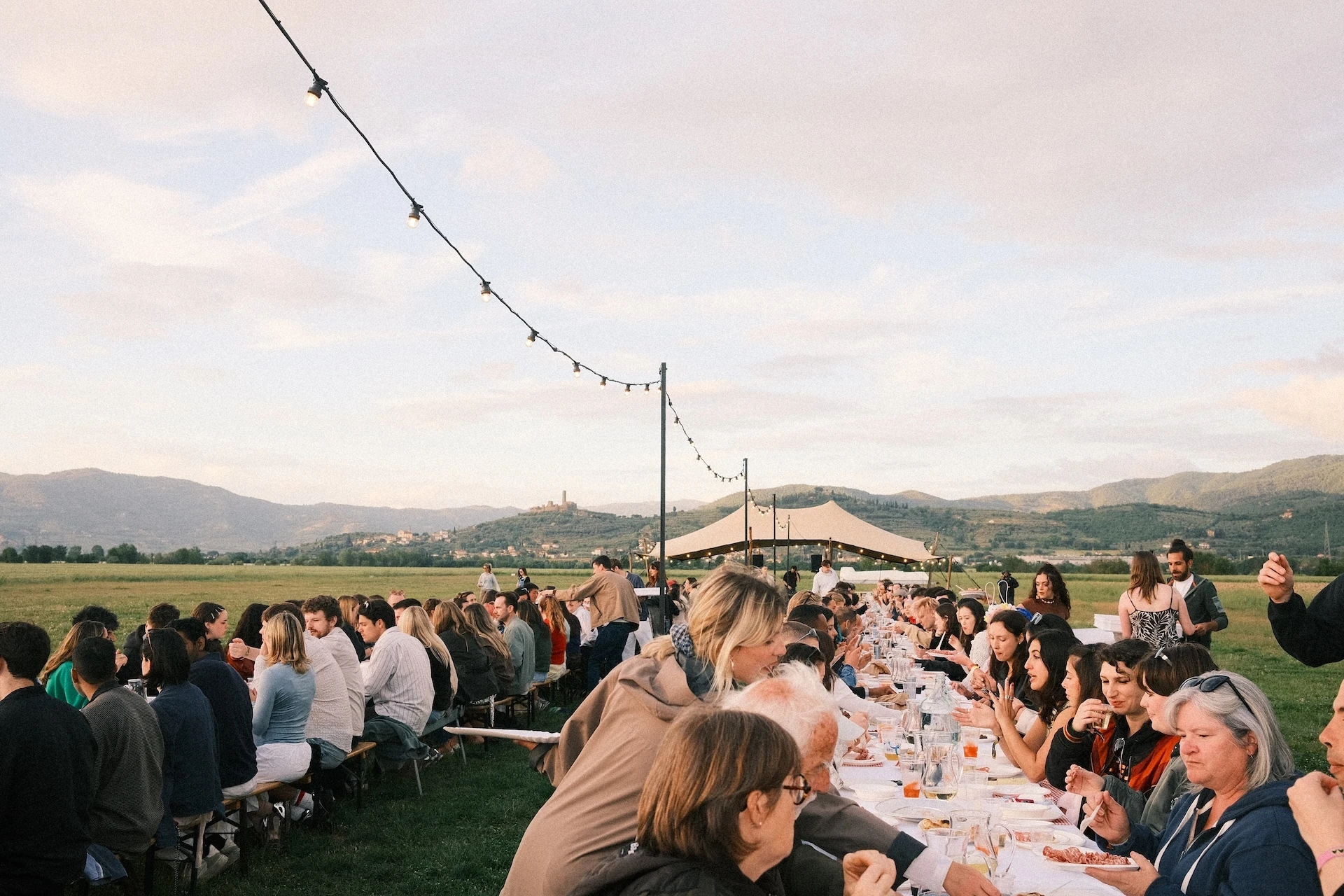
Flash bills itself as ‘four days of living like you always imagined Tuscany’. In some ways, this is completely true. The setting, on a local-owned airfield a 15-minute drive from town, is unbelievably stunning – all endless rolling hills, cypress trees, a horizon sprinkled with hilltop medieval towns and breathtaking sunsets. The four-day shindig is about food and wine as much as it is about the music. By day you can attend pasta making workshops with real ‘nonnas’ – local grannies who don’t speak much English – or quaff vino from local wineries. I attend a pici-making class where I’m taught to hand roll fat slugs of pasta by a bracing purple-haired nonna. She relishes admonishing the men for their unsatisfactory handiwork, and keeps stopping for cigarette breaks. An authentic experience if there ever was one.
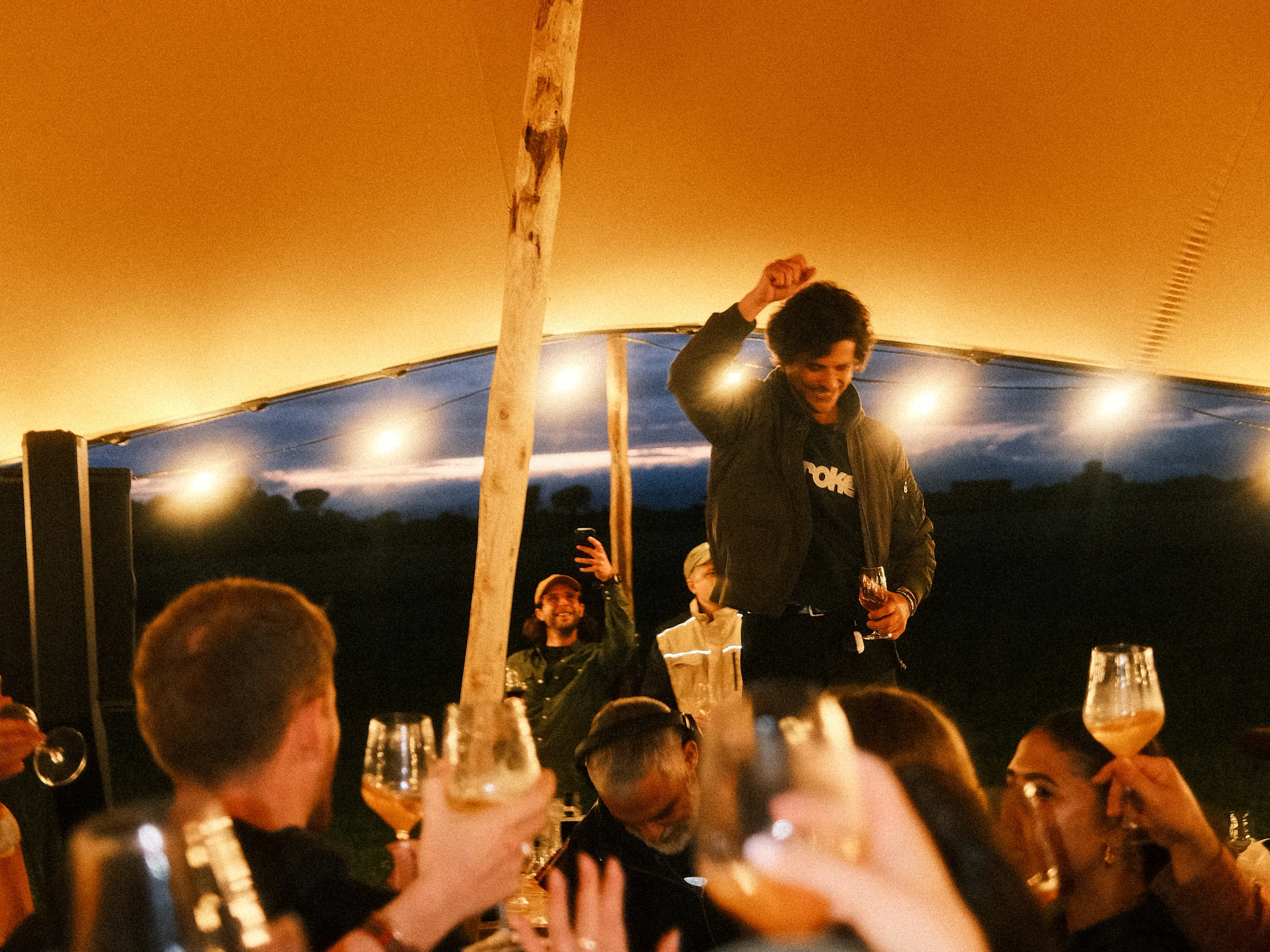
Sonically, Flash is all about buoyant, high-quality house, disco and tech house – some of the weekend’s best sets are from CC Disco!, Midland and BELLA. By day, DJs spin from a small booth with a view out into the hills. Flanked by a bar (Aperol and Campari spritzes flow abundantly) and the pasta stand, this stage takes la dolce vita to new levels. As dusk falls, the crowd gathers behind the decks Boiler Room style to bask in the glow of the setting sun. Spirits are high. Come nighttime, things move to the main stage. Hidden among the trees, this bigger arena gives the party a more official feeling. But past 2am is my favourite time of day. Once the headline act finishes a rig and some decks suddenly appear behind the wine bar. The bar tenders start DJing a heady tech house set, and the crowd rushes in to get close to the action. It feels like being at an amazing house party. There is never more than one stage open at a time, meaning no clashes, and no arguing with your mates over which set to see.
It’s all charmingly DIY. Sometimes this results in chaos. The shuttle bus taking visitors between the site and nearby town ostensibly comes every half an hour. But we’re on Italian time. After over an hour waiting at the bus stop in the pouring rain a mini bus shows up, but che orrore, it’s already full. We all cram in like we’re riding in a clown car. I’m sitting on a stranger’s lap. By the end of the ride we’ve all exchanged addresses, Instagram handles and middle names.
The €50 Tuscan feast, too, is characteristically lawless. Separate from the opening feast (a wedding-style meal shared between 150 punters), this is an extra dining experience that has multiple sittings each day. Billed as a way to experience traditional local food in communion with your fellow festival goers, food is delivered family-style to a long table that encourages discussion with strangers. It’s a lovely idea, but it doesn’t quite deliver. The portions are small and we aren’t told what we’re eating. It’s hard to get another glass of wine. The main course is a small parcel of chewy pork wrapped in practically raw pastry. As the meal drags on for much longer than intended, most people don’t stay for dessert.
The glamping (£432 or four nights for two people) also doesn’t quite live up to expectations. With no separate facilities, I’m disappointed to find myself confined to four days of using cold showers and portaloos. There are no electricity charging points in the tent – just an air mattress with a thin duvet and a battery-powered lamp. If you’re looking for a luxe experience, I recommend staying at one of the villas off-site. Attendees looking to do it on the cheap can book DIY camping for £28.
But what Flash lacks in organisation, it makes up for in spirit. With a capacity of just 1,000, this is one of the friendliest festival crowds I’ve ever met, and after three days in the field I’ve got about 20 new friends. Put simply, there’s not a d*ckhead in sight. Yes, it’s a bit haphazard, but I suppose that’s the pay-off you get for attending a family-run intimate gathering that’s full of heart. I’ll be back, but I’ll opt for a dry bed and a hot shower next time.
The 7th edition of Flash Festival will take place in the summer of 2027. Time Out travelled as a guest of Flash Festival. Our reviews and recommendations have been editorially independent since 1968. For more, see our editorial guidelines.
RECOMMENDED:
🎪 The best music festivals in Europe
💸 The cheapest city breaks in Europe
🏨 The coolest hotels in Europe
🏘️ The best Airbnbs in Europe
📍 Ultimate guide to Europe