[category]
[title]
A lavender revolution in Kashmir, a new firefly species in Meghalaya, a Himalayan flower's 158-year comeback, Shimla's newest eco trail and a rare owl that's got birdwatchers flocking to Assam.


Lavender fields turn purple, a forest flickers with a thousand fireflies, and a Himalayan flower makes a comeback after more than 150 years. And that's just what happened last week!
Is it any coincidence that nature's flourishing in the middle of a heavy monsoon? Nope. As the rains snake their way across the country, forests, wetlands and mountains are bursting into life, making this one of the busiest seasons in the natural world. Ecosystems are waking up overnight: flowers are blooming, insects emerging, migratory species appearing, and forests becoming noisier, greener and far more alive.
It's a reminder that during a slump in tourist season, there's plenty of wondrous sights to behold across India. Here's all the stuff that's blooming, growing, and flying this week – perhaps an indicator to plan a trip or two while the airfare's down, eh?
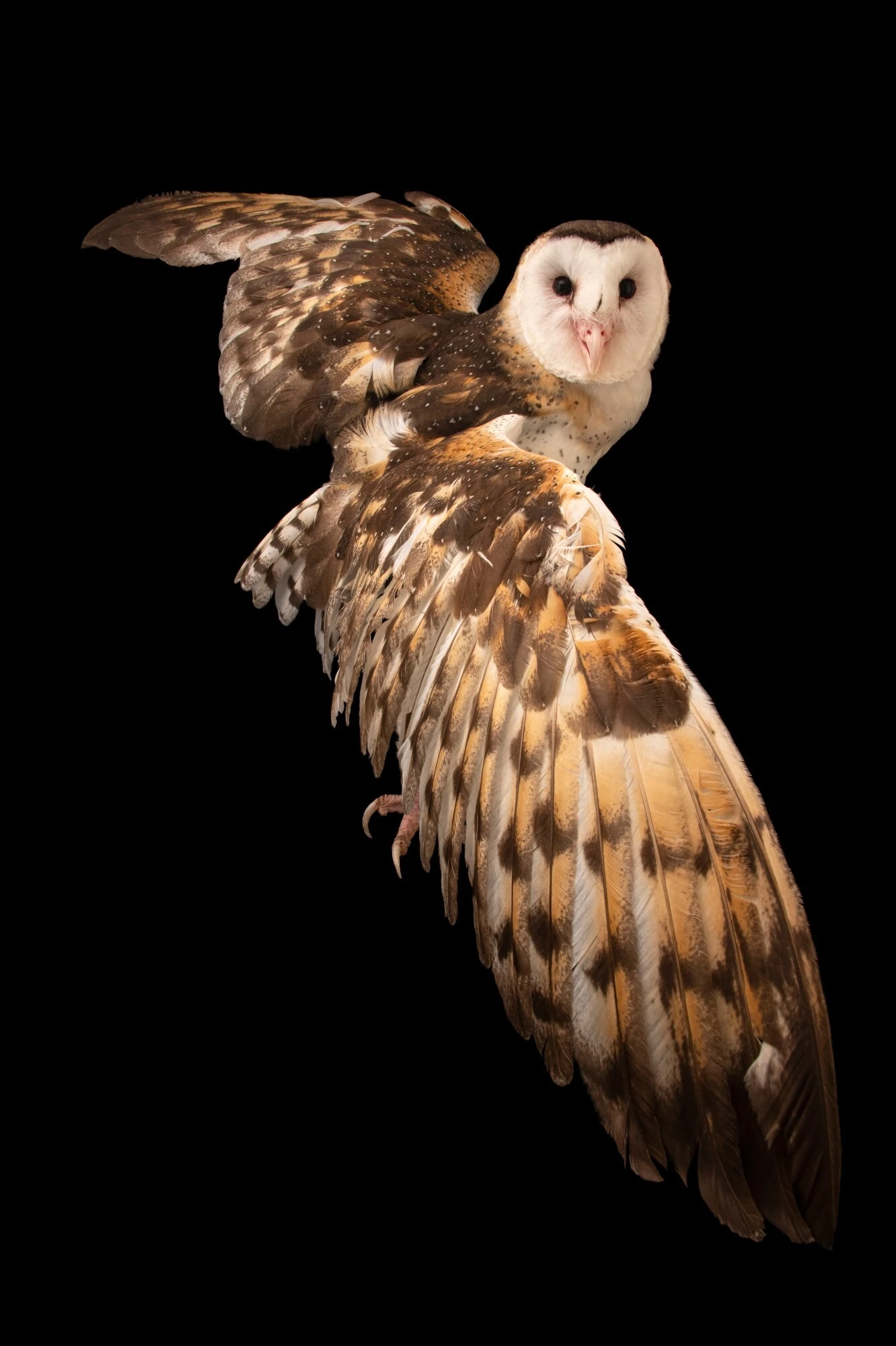
Turns out the Maguri Motapung Beel was looking for eyeballs, because a rare sighting of the Australasian Grass Owl (Tyto longimembris), also known as the Eastern Grass Owl, has solved it for this wetland in Assam's Tinsukia district. The rarely encountered owl was spotted on July 11, despite its secretive behaviour and preference for dense grasslands. Located on the fringes of Dibru-Saikhowa National Park, Maguri Motapung Beel is gaining praise as one of India's premier birdwatching destinations.
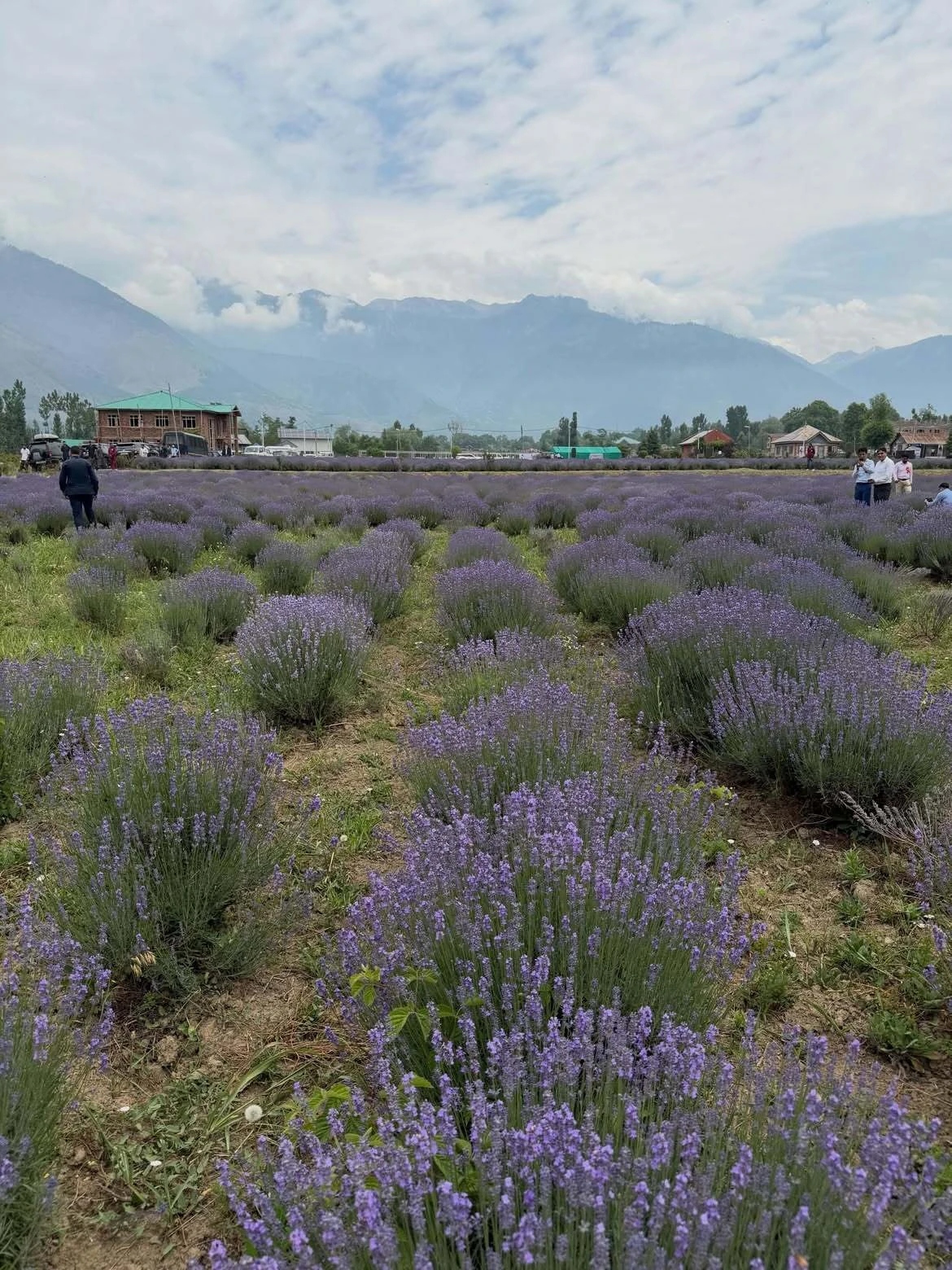
What started as a small experiment to give farmers a financial boost has transitioned into what some may call a Purple Revolution. Around 200 acres of land across Jammu and Kashmir have transformed into a sea of violet, with the air smelling like perfume, as Mid-July to August marks the peak harvesting season. The districts leading this fragrant revolution include Kathua, Udhampur, Doda, Ramban, Kishtwar, Rajouri, Srinagar, Pulwama, Kupwara, Bandipora, Budgam, Ganderbal, Anantnag, Kulgam and Baramulla.
Lavender isn't just easy on the eyes (or the nose). The plant is naturally antimicrobial, antifungal, antibacterial and anxiolytic, while its oil is prized for its therapeutic properties and widespread use in aromatherapy. Which means you're probably leaving with a bag full of lavender-infused cosmetics and attars.
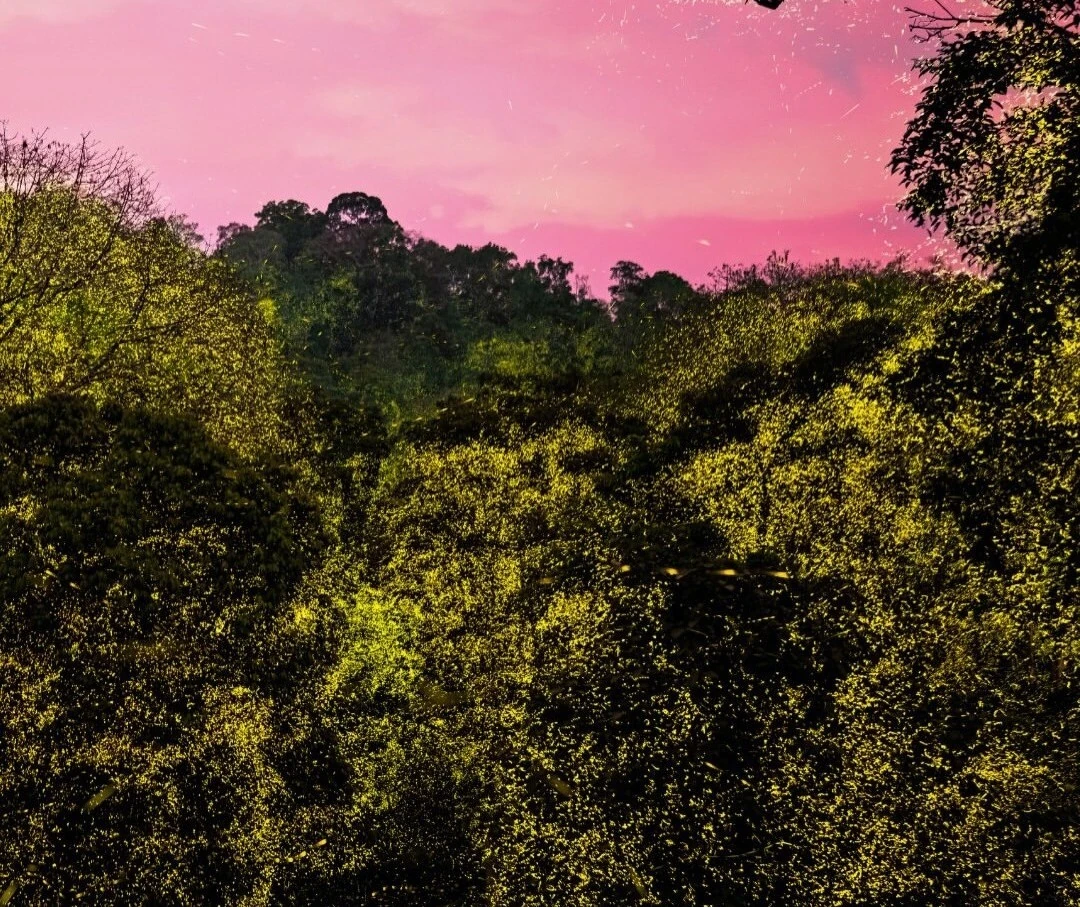
Once the monsoon rolls in, India's forests put on a bioluminescent blockbuster. Fireflies – the original fairly lights – are in plentiful supply inside forests across the country, but they made headlines this week in Meghalaya, where researchers discovered a new species in Mawsynram, the world's wettest place. The tiny glowing insect was recently spotted in the East Khasi Hills district, reminding us that Northeast India's forests are still oozing with surprises.
Purushwadi in Maharashtra, a small tribal village near the Western Ghats, is often called India's firefly capital and hosts spectacular firefly gatherings every year. Alas, the May–June festival just concluded.
Annamalai Tiger Reserve in Tamil Nadu's got the irresistible charm of tigers and other wildlife, but you'll stay for forests that sparkle after dark.
Coorg in Karnataka's another fairly touristy place where you're bound to see fireflies in the dark.
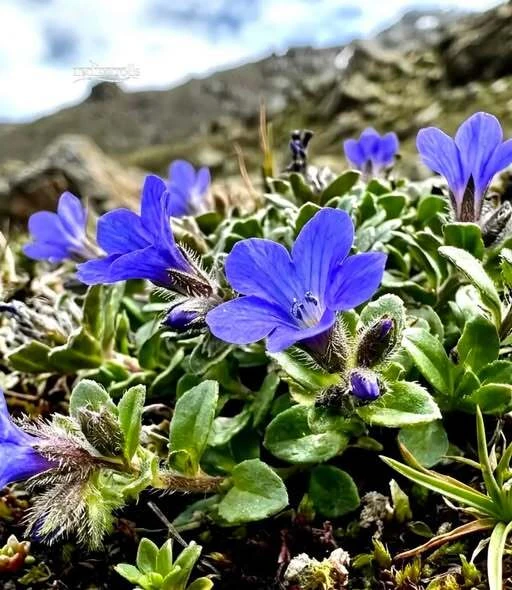
After disappearing from India's botanical records for 158 years, the rare purple-flowered Himalayan plant Cyananthus hookeri has made a surprising return. The species was rediscovered in Chuna Valley in Arunachal Pradesh's Tawang district, marking its first confirmed sighting in the state. Previously documented only from Sikkim in 1867, the rediscovery ends a century-and-a-half-long botanical mystery.
Discover Time Out original video