[category]
[title]
Thousands gathered on Vilakazi Street to mark the 50 years since the June 16 Uprising.


There are few places in South Africa where history feels as alive as it does on Vilakazi Street.
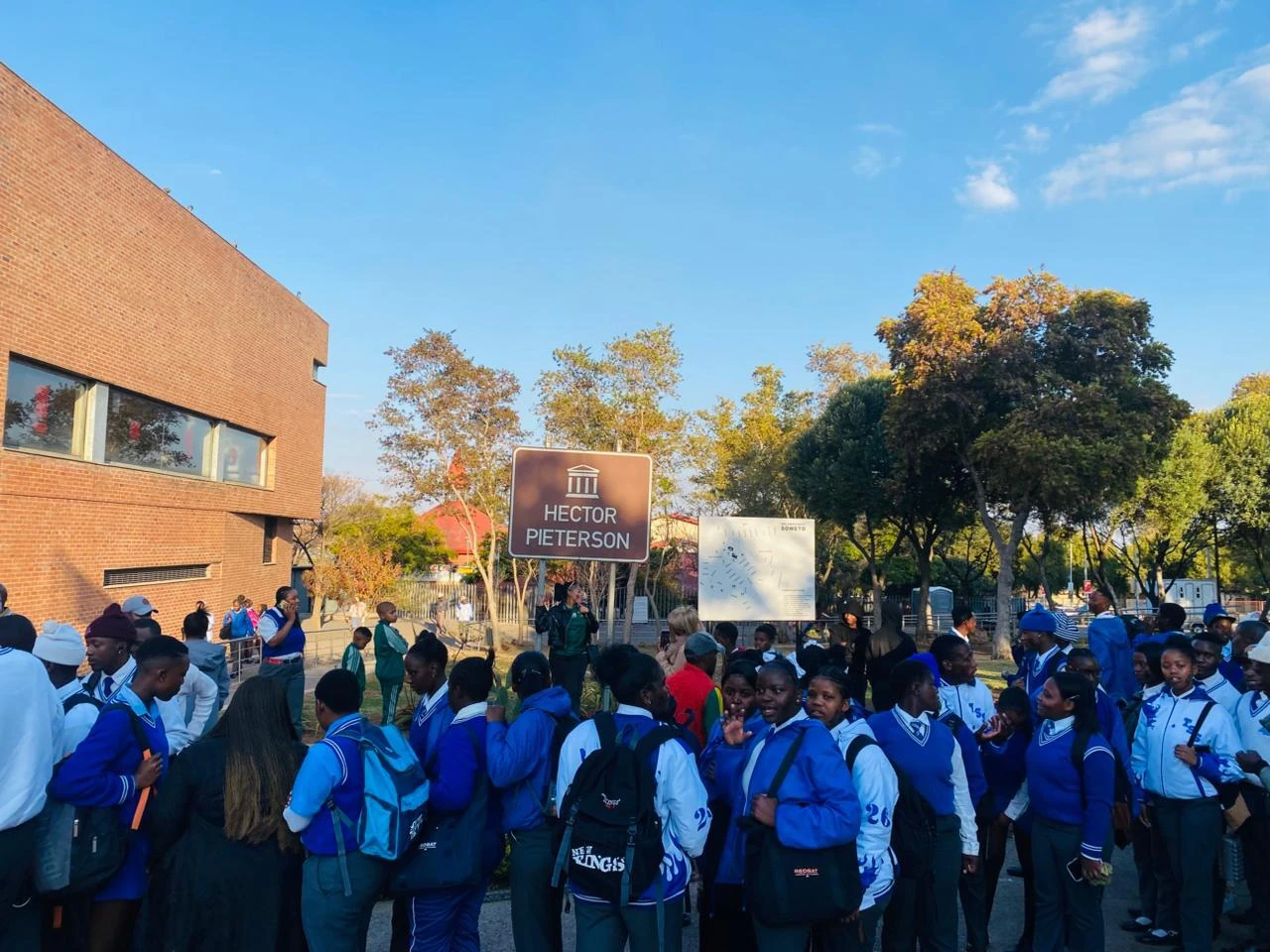
On Tuesday, June 16, thousands of people made their way to Soweto as the country marked the 50th anniversary of the Soweto Uprising. From schoolchildren on educational tours and international tourists to families, entrepreneurs, artists, and struggle veterans, the famous street was filled with people honouring the past while celebrating the present.
The commemorations formed part of the fourth day of Jozi My Jozi's 76 Hours in Soweto programme, a four-day, community-led initiative held under the theme "Honouring the Past, Building the Future."
While the significance of the occasion was impossible to ignore, what stood out most was the atmosphere.
Vilakazi Street wasn't simply hosting a commemoration. It was alive.
Street musicians filled the air with music. Vintage cars attracted admirers eager to take photographs. Local entrepreneurs traded from market stalls showcasing everything from fashion and crafts to food and artwork.
Street dancers entertained visitors while tour groups moved steadily between Mandela House and the Hector Pieterson Memorial.
Every few metres, there was something new to discover.
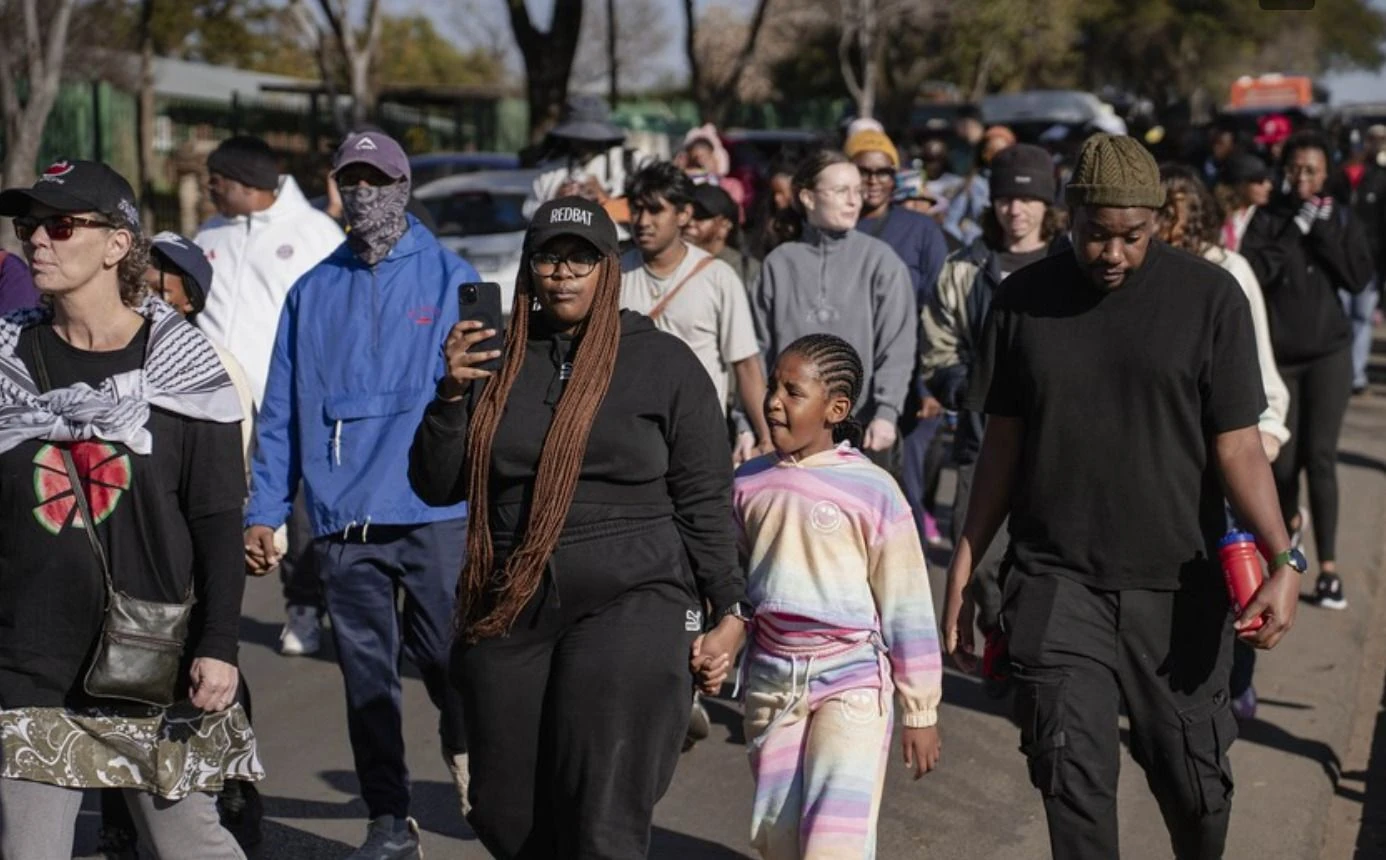
One of the day's most significant moments took place around midday, when participants joined a commemorative walking tour led by 1976 struggle veteran Seth Mazibuko.
Tracing the route of the original student march from Morris Isaacson High School, the symbolic walk formed part of the 50th anniversary commemorations. It served as a powerful reminder that the events of
June 16 was not a distant moment in history. They happened on these streets, in these neighbourhoods and in the communities that continue to honour them today.
The walk ultimately formed part of a broader nine-kilometre journey to Orlando Stadium, allowing participants to retrace the footsteps of the young people whose actions helped change the course of South African history.
Back on Vilakazi Street, the commemorations gave way to a broader celebration of Soweto's culture, creativity and entrepreneurial spirit.
What stood out most was the diversity of people sharing the space.
Young and old. Locals and international visitors. School groups, community organisations, creatives and curious tourists were drawn to the same street for different reasons.
And somehow, it worked.
The day's programme also included a panel discussion exploring what speakers described as the erosion of Ubuntu in modern South Africa.
The conversation featured creative culture expert and broadcaster Shado Twala, renowned musician Kaya Mahlangu, entrepreneur Kgomotso Pooe, street culture expert Osmic Menoe, artist Mark Modimola and Mazibuko.
Panellists argued that Ubuntu was one of the driving forces behind the Soweto Uprising, enabling thousands of young people to act collectively against an oppressive system.
Despite the freedoms won since 1976, speakers expressed concern that South Africans have become increasingly disconnected from one another.
"The system has continued to encourage us to work in silos," said Twala. "The divide and conquer that happened then still is happening now."
She also challenged young people to stop waiting for solutions from the government and instead become active participants in shaping their own communities.
The discussion felt particularly relevant given the setting.
Throughout the day, Vilakazi Street seemed to embody the very spirit of Ubuntu that the panellists were advocating for. Strangers shared public spaces, local businesses welcomed visitors from across the country and beyond, and thousands gathered not only to remember the events of 1976 but to celebrate the community that continues to thrive there today.
One of the most powerful experiences of the day came inside Mandela House.
For all the photographs, documentaries and history lessons many of us have encountered throughout our lives, nothing quite prepares you for walking through the former home of Nelson Mandela and Winnie Madikizela-Mandela.
The house itself is remarkably modest.
Standing in those rooms, looking at family photographs, personal belongings and the traces left behind by decades of struggle, you are reminded that some of the world's most influential leaders began their journey in a simple Soweto home.
The experience leaves you emotional, humbled and deeply grateful.
A short walk down the street sits the former home of Archbishop Desmond Tutu, another giant whose influence helped shape South Africa's democratic future.
Standing on a street that produced two Nobel Peace Prize laureates leaves you with an overwhelming sense of admiration, not only for what Tata Mandela, Mama Winnie and Tutu achieved, but for the sacrifices they made along the way.
And inevitably, the experience becomes personal. You find yourself asking a simple but profound question: What legacy will I leave behind?
That feeling lingered throughout the day.
As the afternoon unfolded, the line between commemoration and celebration became increasingly blurred.
History, culture, tourism, entrepreneurship and community all existed side by side.
After spending the day moving between Mandela House, the Hector Pieterson Memorial, panel discussions, market stalls, live performances and commemorative activities, we eventually found ourselves at the iconic 1947 Restaurant.
It felt like a fitting place to pause and take in the day.
Like much of Vilakazi Street itself, 1947 reflects the diversity that makes the precinct so compelling. Within a few hundred metres, visitors can move between museums, heritage sites, street performers, local entrepreneurs, artists, tour groups and some of South Africa's most celebrated restaurants.
The food was exceptional. The service was warm and attentive. The atmosphere struck that perfect balance between polished and welcoming.
By then, Vilakazi Street was still buzzing. Music drifted from different corners of the precinct, restaurants remained busy, and visitors continued moving between attractions long after the official programme had ended. While many had come to commemorate Youth Day, others were simply enjoying one of Johannesburg's most vibrant cultural destinations.
And perhaps that's what stood out most throughout the day.
Vilakazi Street offered something for everyone.
Fifty years after the Soweto Uprising, the commemorations served as an important reminder of the sacrifices that shaped modern South Africa. But they also highlighted something equally important: the continued evolution of Soweto itself.
As the sun began to set on Youth Day, one thing felt clear. Vilakazi Street remains more than a historical landmark. It is a living, breathing reflection of South Africa's past, present and future. And on this milestone anniversary, there was no better place to experience all three at once.
Follow Time Out Johannesburg on Facebook, TikTok and Instagram! While you're at it, sign up for our newsletter to receive even more of the best of your city.
Discover Time Out original video