[category]
[title]
Tiny, chef-led spaces with fixed menus and fewer than a dozen seats are drawing long waitlists

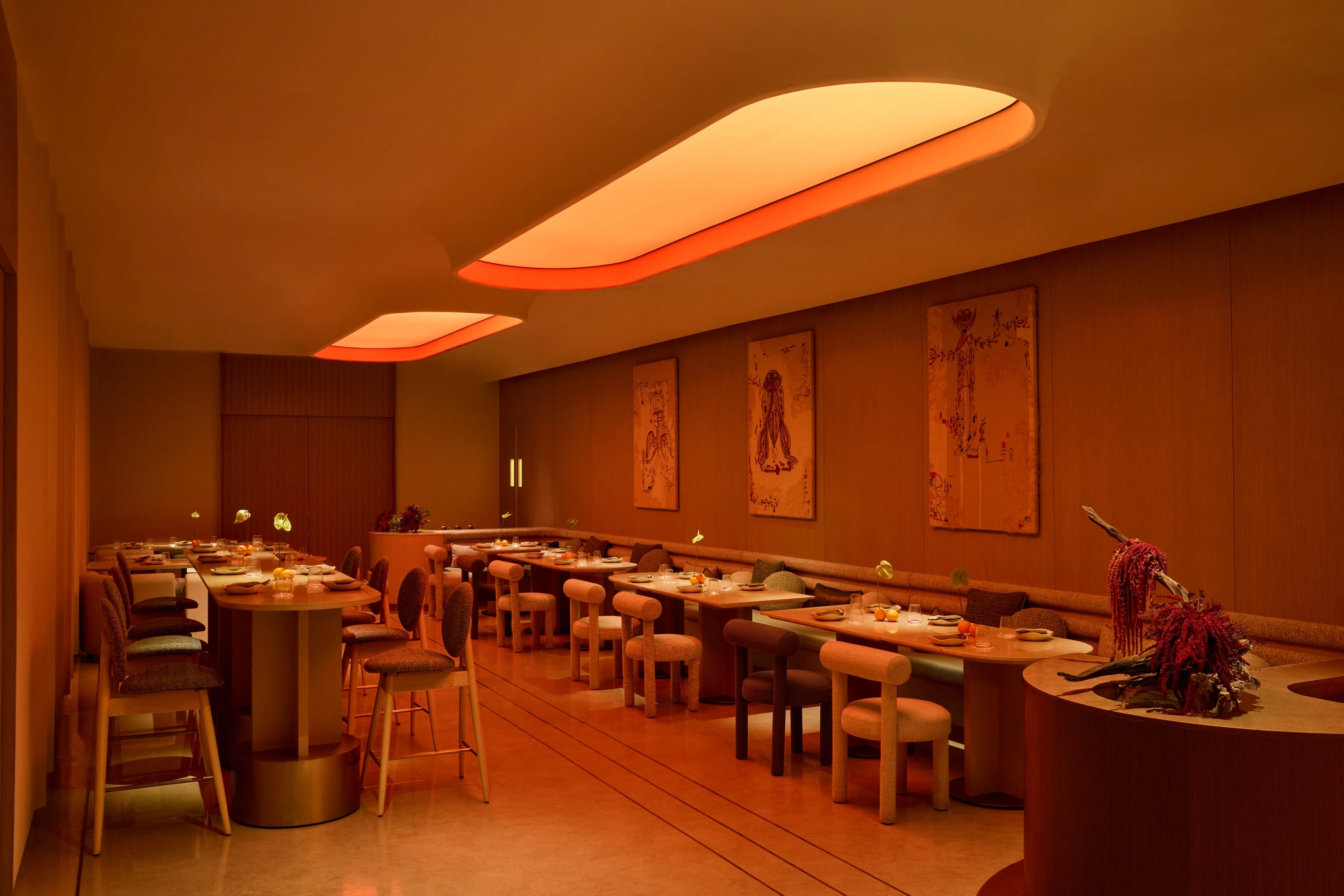
Getting a table at Papa's is a competitive sport. Every first of the month, at 11am sharp, thousands of hopeful diners scramble for one of just 12 seats in this attic hideaway above Veronica's deli in Bandra. Within minutes, most walk away empty-handed. Next month, they’ll be back.
If you haven't clocked it yet, Mumbai is having a major micro-restaurant moment.
'We purposely limit the availability to 12 seats so we can give every guest our full attention,' says Hussain Shahzad, executive chef at Hunger Inc. Hospitality. Dietary preferences are noted. Drink pairings considered. 'Fine dining had started to feel solemn, with the white tablecloths, hushed voices, an air of intimidation and what not. At Papa's, we wanted to bring the fun back.'
The city has always moved fast, but right now there's a particular buzz around intimate, chef-led spaces where the menu is fixed and the seats are few. Take BARE, for instance: an 11-seater doubling as a cocktail bar, art gallery and espresso bar, it opened recently to the same kind of feverish interest. 'Chef's tables work because they bring dining back to something deeply personal,' says founder and creative director Pooja Raheja, who adds that it’s ‘not just about the food’.
But what’s driving it?
Two things, I think. The fact that sky-high rents make large spaces a financial gamble, and that Mumbai diners are increasingly done with the generic. They want main character energy at the table, and they're willing to queue, plan, and pay big for it.
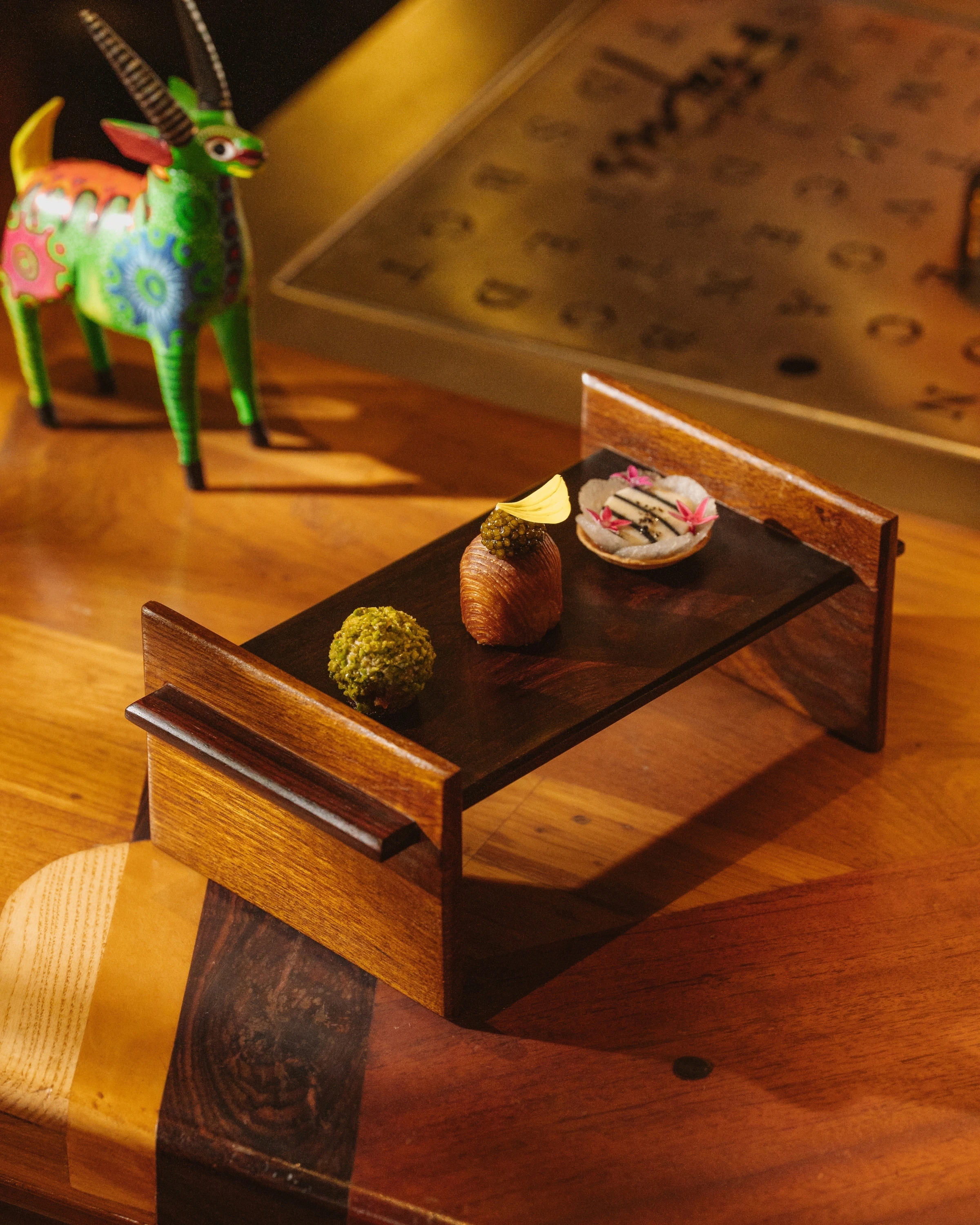
A seat at Papa's will set you back ₹7,000+ per head. HŌM Theatre, Chef Saurabh Udinia's seven-seater in Bandra, runs between ₹3,750 and ₹4,750+ per person. Both are perennially booked out. Saurabh reasons that the experience is elevated because of the smaller sizes. ‘‘Fewer guests allow for better control, deeper engagement, and a more honest expression of food. Tight menus allow clear pacing and a highly focused team,’ he says.
What’s a chef’s table?
While an XS table or micro-restaurant is a 5-20 seater establishment, a chef’s table is a curated offering where a set menu is served at a fixed ticket price. It can be hosted out of a larger establishment, too.
Often, diners confuse a chef’s table with an omakase experience, where the menu keeps changing each time you dine. It may not even ever repeat. But for a chef’s table, the menu is mostly fixed, and can vary seasonally.
As a guest, there seems to be something liberating about surrendering to someone else's vision.
'I can be very safe when ordering – basically, I'll always pick Chinese – so I love that a set menu pushes me to discover something new,' says Sushri Sahu, managing editor of a lifestyle platform. Film critic Jinal Bhatt agrees: 'After a long week of decision-making, it's a relief to relinquish control and still be guaranteed a great meal.'
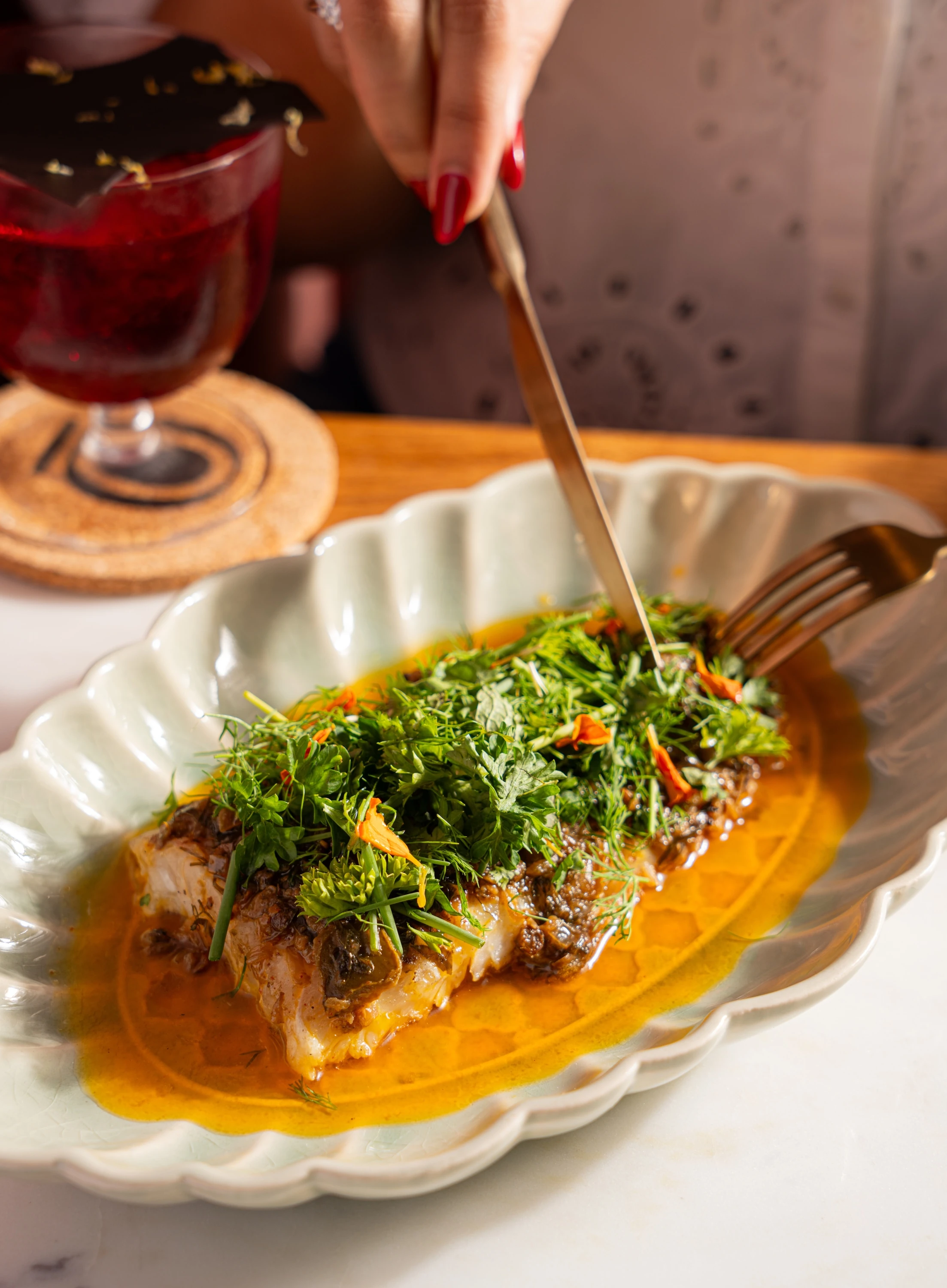
The model makes operational sense too. Fewer covers mean tighter execution, sharper focus, less waste. At Khao Man Gai by Chef Seefah in Bandra, the strictly non-vegetarian menu is a single page: five appetisers, three mains, five sides, a small drinks and desserts menu. 'Every detail matters,' say chef-owners Seefah Ketchaiyo and Karan Bane. 'A small format allows better control and consistency.'
One size fits all?
This also begs the question, though: in the F&B space, can one size (here, one menu) fit all? ‘Food is deeply subjective, and we recognise that not every guest will resonate with every dish – and that’s completely okay. Instead of diluting the experience to accommodate every preference, we prioritise integrity, creativity and clarity of vision,’ says Pooja. She adds that guests are often open to being surprised; they come with curiosity rather than rigid expectations.
Hussain sees it as creating a menu that surprises without confusing or alienating guests. ‘At Papa’s, we bring together ingredients and combinations that work beautifully when they are balanced, but they also ask guests to place a certain amount of trust in us. Once that trust clicks, the reactions are almost always joyful.’ They cater to diverse palates: vegetarian, pescatarian, or non-vegetarian. It gives them the flexibility to personalise without compromise, while still staying true to the spirit.
For food creator and businessman Vidur Kapoor, it goes beyond logistics. He sees these smaller tables as a true market of luxury. ‘I’m drawn to the proximity to the chef, watching the technique and hearing the story behind a dish, trusting a menu created for just a handful of guests. With limited seats and a curated pace, everything feels deliberate. There’s no excess, no dilution, only craftsmanship and connection. And for me, that intimacy is the ultimate luxury.’
'There is a real hunger in the city, both literal and cultural, for experiences that make people feel something rather than simply feed them. We are…living in a moment where people are looking to mark time differently,’ Hussain sums up.
Of course, scarcity is one of the oldest tricks in hospitality – make something hard to get in a megalopolis, and desire does the rest. But Mumbai's micro-restaurant moment has earned its hype through its curators’ plain, simple care and attention. When the food is this considered and the experience this personal, it's almost like someone's broken an unspoken fourth wall.
Discover Time Out original video