

[image]
[title]When you’re at a local joint and you get a waft of the pungent, earthy aroma of truffle, have you ever stopped to think why it only costs a measly ₹300?
I mean. Sure you have. The truffle’s arguably the world’s most famous fungus. Something everyone knows you’re supposed to be paying through your nose for, because it’s only really foraged in the temperate forests of Europe – mainly Italy, Spain, and France – and maybe some parts of America and Australia.
There’s low chances, then, that you could be tasting the real deal atop your fries at an all-day diner in Andheri.
Wait, what am I tasting, then?
What you’re probably tasting is 2,4-dithiapentane: a lab-made chemical compound that recreates the aroma and plays on the associated memory of how a truffle should smell. It’s certainly not the same as a freshly shaved seasonal truffle over a dish. Because that aroma crescendos.
‘Most commercial truffle oils aren’t infused with large amounts of real truffle, but are instead flavoured using aromatic compounds that recreate the signature earthy aroma, which is what makes them far more affordable and consistent year-round,’ says Manuel Olveira, chef & owner at La Loca Maria.
The oil’s engineered for a better shelf-life, adds Harsh Shodhan, chef and founder of the Gourmet Kitchen & Studio, which does catering for the Kotak family, corporate events, HNI parties and large-scale elite weddings. ‘Authenticity’s not what’s at play here. And in Mumbai, real truffles are used in particular seasons. It’s not a year-round ingredient by any means.’
So what do real truffles taste like?
Unlike the ‘economical’ store-bought truffle oil (still at a pretty crazy ₹2,000-3,000 a pop!), real truffles play on your palate. White truffles are extremely pungent, earthy, garlicky, and almost fermented, with a cheese-like aroma.
‘White truffles are never cooked aggressively because heat destroys their volatile compounds,’ says Rohit Sangwan, executive chef at the Taj Mahal Palace, Mumbai.
‘Black winter truffles, though, are more robust and warm in flavour. Earthy, cocoa-like, woody, slightly nutty. And they tolerate gentle cooking much better. Summer truffles are milder and more subtle, often used in larger quantities,’ he says.
Where in Mumbai can I taste the real thing?
La Loca Maria is known to use black winter truffles in their yearly festive menus. Some fine-dining restaurants like Indian Accent, CinCin, Wasabi by Morimoto, the Chambers, and luxury hotels do bring them (import) in during peak season for special menus, but their nature doesn’t exude available year-round vibes.
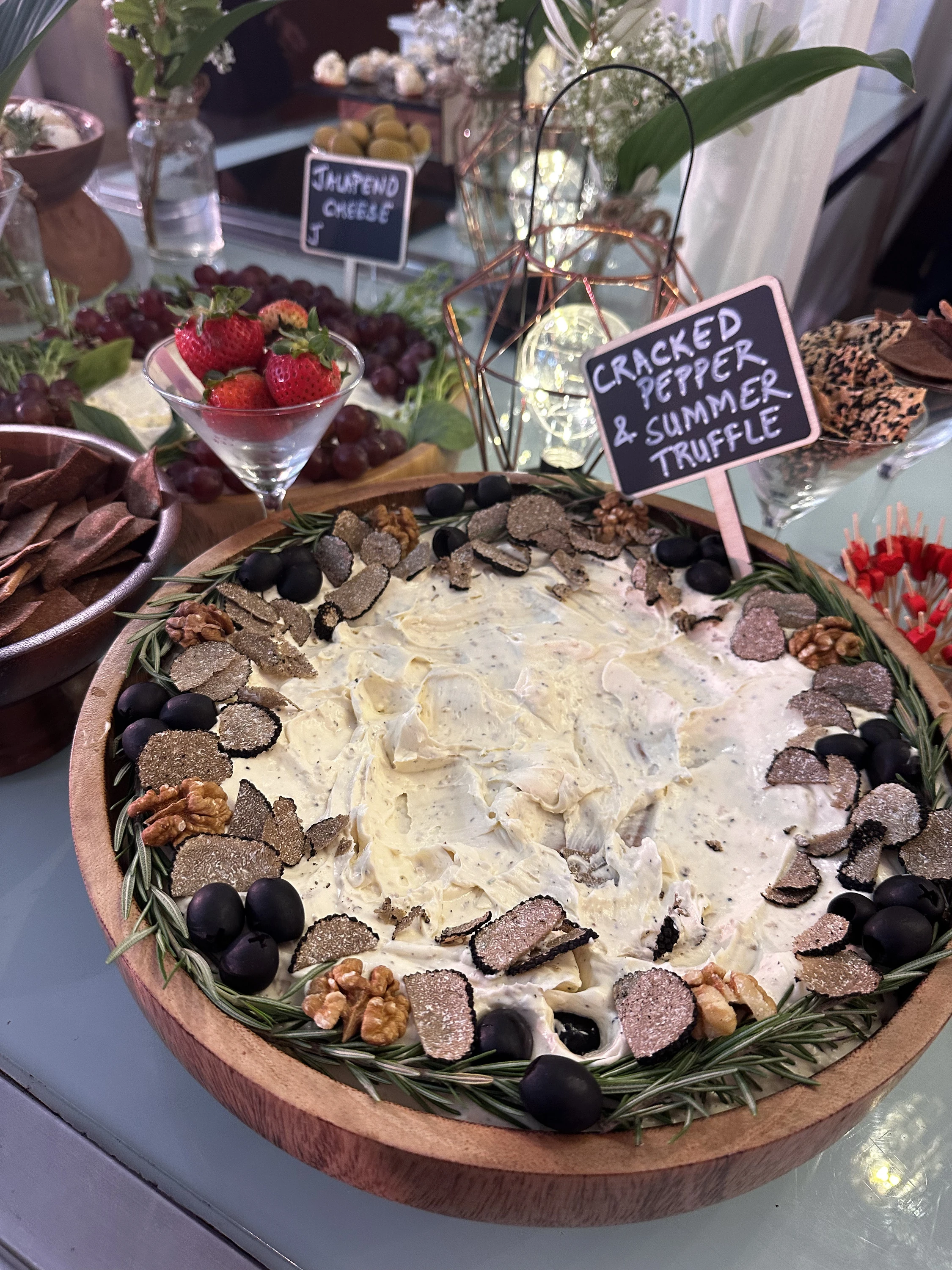
Again, prices vary. CinCin’s seasonal truffle menu has dishes ranging from about ₹1,795 to ₹1,945. At La Loca Maria, you can sample the seasonal truffle menu with dishes starting at ₹850.
How do I know what I’m tasting?
The easiest marker, say chefs, is the complexity of flavour. Rohit says the aroma changes every few seconds.
‘Another giveaway is persistence. Synthetic truffle oil tends to dominate an entire dish immediately and linger unnaturally. Fresh truffle integrates more elegantly with butter, eggs, rice, potatoes, or cream,’ he adds.
Chef Dayamani Singh, executive chef at CinCin, who works with 100% real and fresh seasonal truffles, says, ‘Physically, a fresh truffle should be compact and firm to the touch, with a naturally rugged exterior. Once cut, the inside should show organic, uneven veining, almost like marbling.’
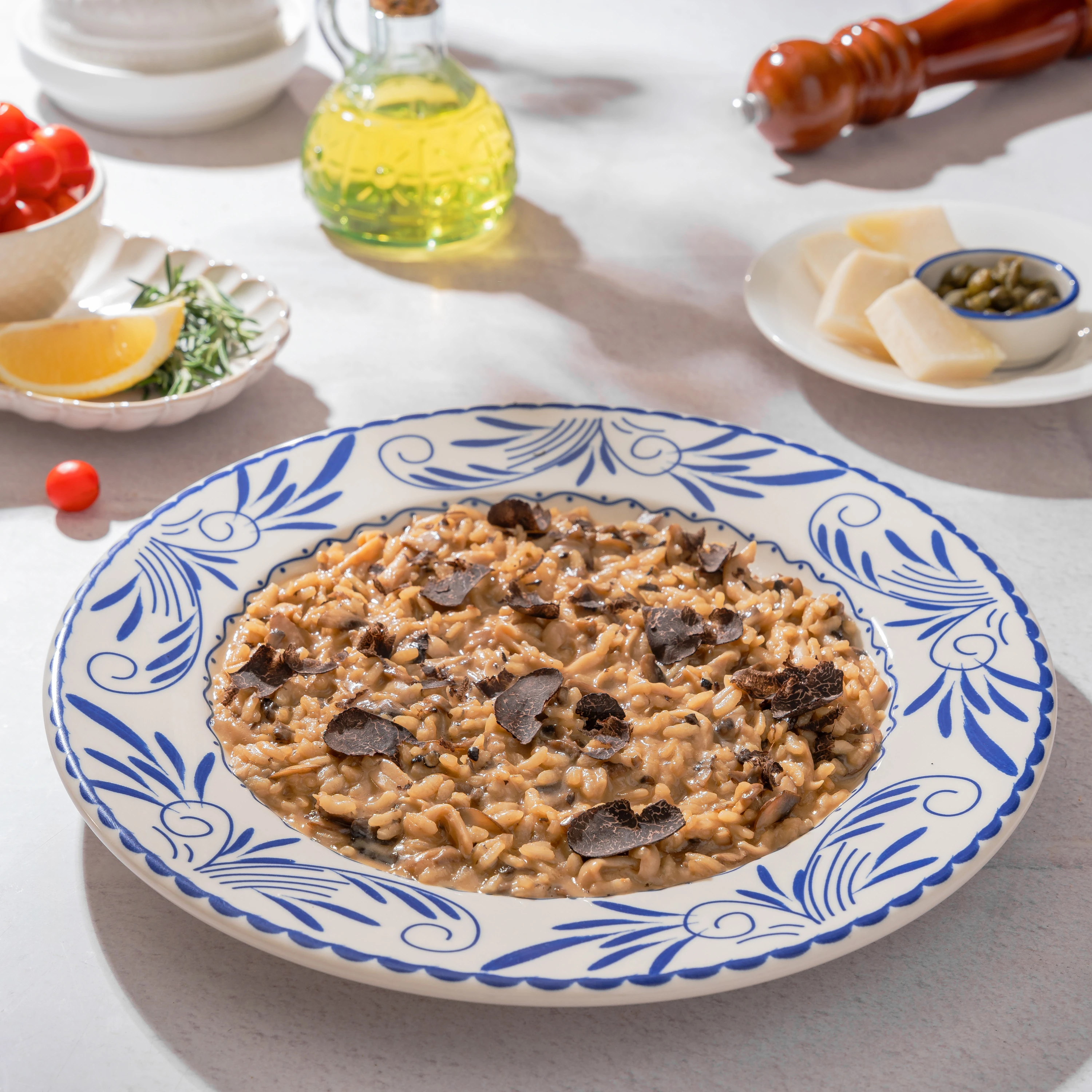
‘Another practical indicator is value. Because truffles are highly perishable, they are expensive. If something is widely available at a low price point, it is almost always flavoured rather than the real ingredient,’ he says.
Harsh says the safest approach would be to ask about seasonality and sourcing. ‘Most places end up switching to truffle oil when fresh options aren’t available,’ he says.
A difficult pantry item
It’s not that restaurants are skimping out on the real thing. Truffles are a notoriously difficult pantry item to work with. In fact, they’re not treated like a pantry item at all, because as soon as they’re harvested, truffles begin to lose aroma quickly, leaving chefs with an incredibly tight working window of a few days at most at peak quality.
‘Even under ideal conditions, chefs are working against time. In a tropical climate like Mumbai, the aromatic peak starts declining almost immediately, and maintaining quality becomes even harder,’ says Rohit. He adds that inconsistency in supply, aroma intensity varying from batch to batch, import logistics, customs delays, and flight disruptions can directly affect quality by the time the ingredient reaches the kitchen.
‘Storage is another critical factor,’ says Chef Dayamani. ‘Truffles need to be kept carefully refrigerated. We store ours at around 1-4°C and monitor regularly to manage moisture. Even cleaning them requires a light touch, with just a gentle brush and minimal water because they’re delicate and porous.’
‘Apart from the short shelf life, prices can fluctuate significantly, and availability depends heavily on the harvest,’ says Manuel.
If you can overlook Anthony Bourdain’s disdain for truffle oil and want to pick up a bottle at a fancy store, here’s how to do it, according to Chef Dayamani. ‘Check the label; it should clearly mention real truffles, ideally the species. The smell should be more subtle and rounded, not aggressively pungent. You might even see tiny flecks of truffle in the bottle. And of course, price is a giveaway,’ he says.
How expensive are real truffles?
White truffles, especially the Alba white truffle, known for its rarity, intoxicating aroma and unmistakable profile, are the most expensive, and can range from ₹4-5 lakh per kilo.
Black winter truffles, with their deep, earthy character and flair for culinary manipulation, are slightly more accessible and range between ₹80,000 and ₹1.5 lakh per kilo, depending upon seasonality.
Autumn truffles, offering a deeper profile, cost ₹50,000-60,000 per kilo. The most affordable ones are summer truffles, which are priced at a few thousands per kilo, and offer a subtle, delicate earthiness.
The history of the truffle
For centuries, the truffle enjoyed very different reputations depending on where you asked. In Europe, they were (and still are) viewed as symbols of absolute luxury and political power. In China, though, they were used as aphrodisiacs…for pigs.
In the late ’80s and ’90s, the Chinese started foraging black truffles in Yunnan and Sichuan provinces and exporting them to the world. They’re less fragrant than their European counterparts but still prized.
By the ’80s, the lab-made oil had entered the culinary world, leading to a truffle-oil boom and commercialised bottles flooding supermarket shelves. By the 2000s, the great scam of swapping real French varieties with less aromatic, insipid Chinese black truffles sprayed with lab-made aroma was exposed.
‘Over time, the truffle has become more of a flavour trend than a true ingredient in many dishes. Once you experience the real thing, you realise how subtle and luxurious it actually is,’ says Harsh. He says you can’t possibly go back to truffle oil-based dishes after.