


[category]
[title]
From global icons to boundary-pushing newcomers, this year’s edition turns the idea of the ‘edge’ into something vividly, urgently human


The cherry blossoms, the ancient temple silhouettes, the low golden light. Spring in Kyoto always feels cinematic. And then there’s Kyotographie, the festival that over 14 editions has made the ancient capital one of the most compelling destinations on the global photography calendar.
This year, the annual celebration is running from April 18 to May 17 and tackling its most electrifying theme yet: ‘Edge’. Tension, transition, collapse, discovery – it’s all here, staged across Kyoto’s temples, galleries and labyrinthine alleyways. Here are eight reasons to check out Kyotographie 2026.
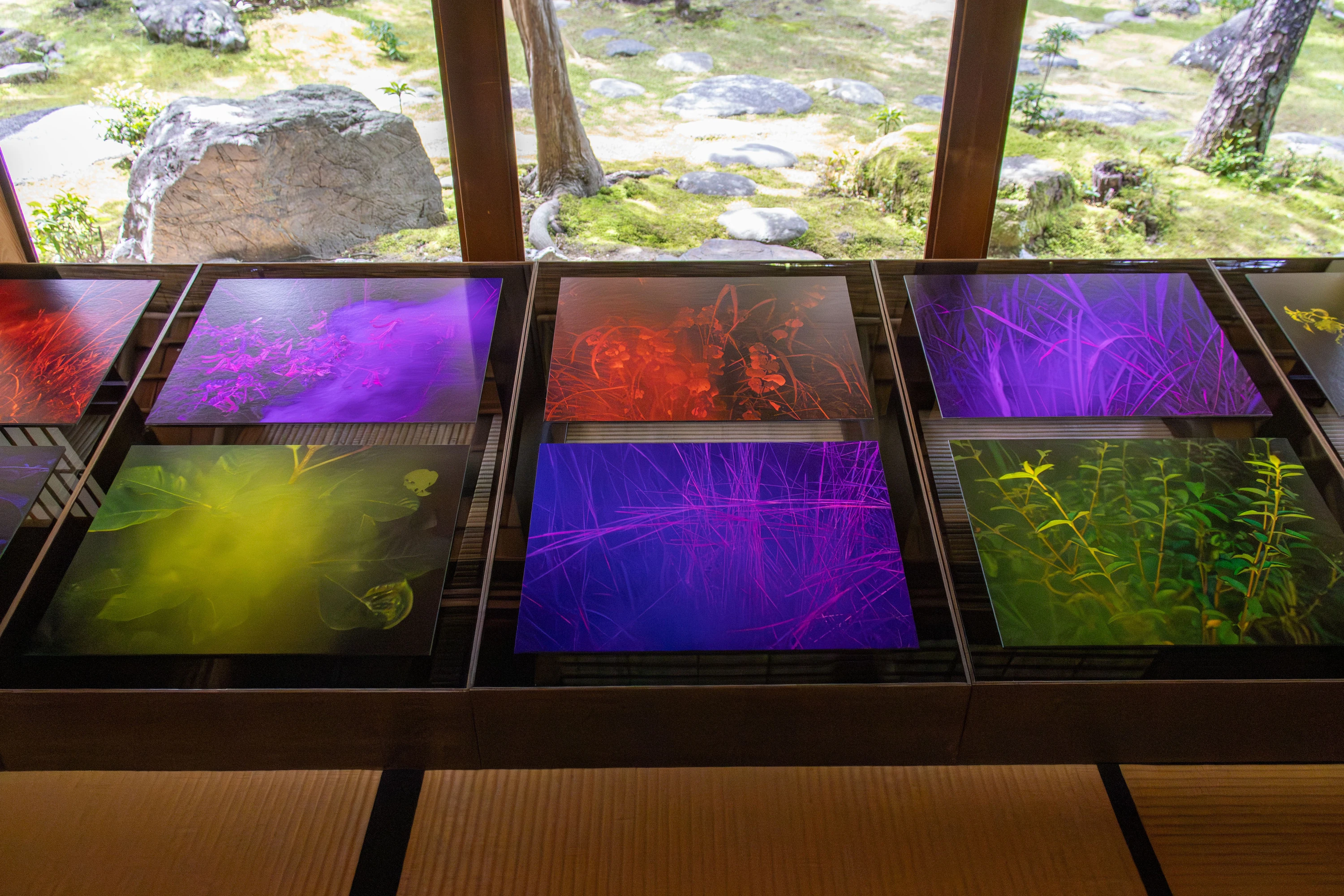
Liminal, unstable, electric – the festival’s ‘Edge’ concept touches everything from photography’s own uneasy relationship with truth and fiction, to lives lived on the margins of society, to the literal edge of environmental catastrophe. In an era of AI-generated imagery and geopolitical instability, the festival asks whether the edge is a place of collapse or of possibility, and that tension gives the programme its pulse.
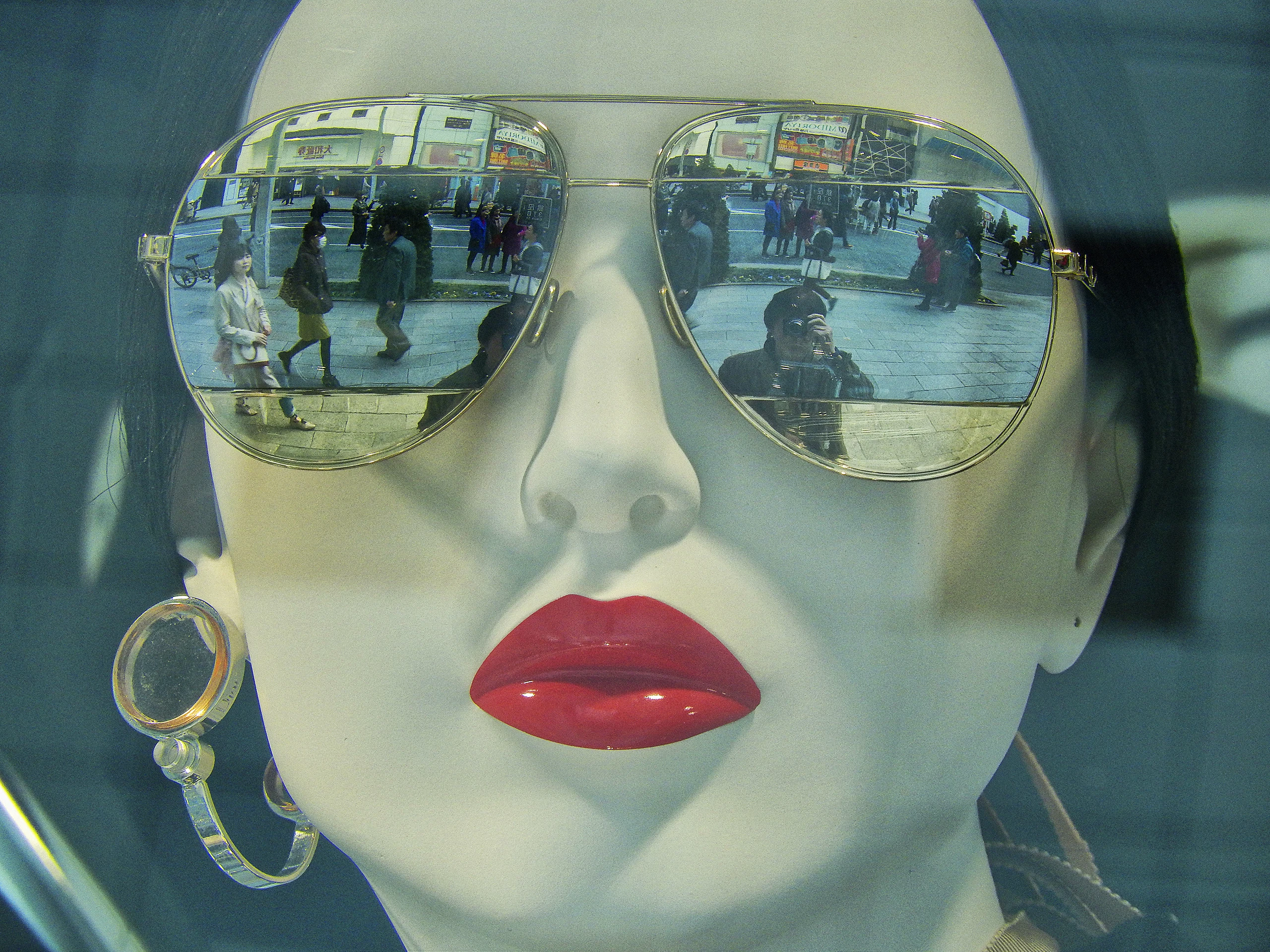
If there’s one show to anchor your visit around, it’s this one. A comprehensive survey of Daido Moriyama’s near-sixty-year career arrives at the Kyoto City Kyocera Museum of Art, adapted from a retrospective that has toured Brazil, Berlin, Helsinki and London.
With a special focus on the magazines and photobooks that shaped Moriyama’s radical vision, including his legendary contributions to Provoke magazine and the watershed Farewell Photography (1972), the exhibition foregrounds the radical materiality of the Osaka native’s practice. The extensive display feels like a genuine homecoming.
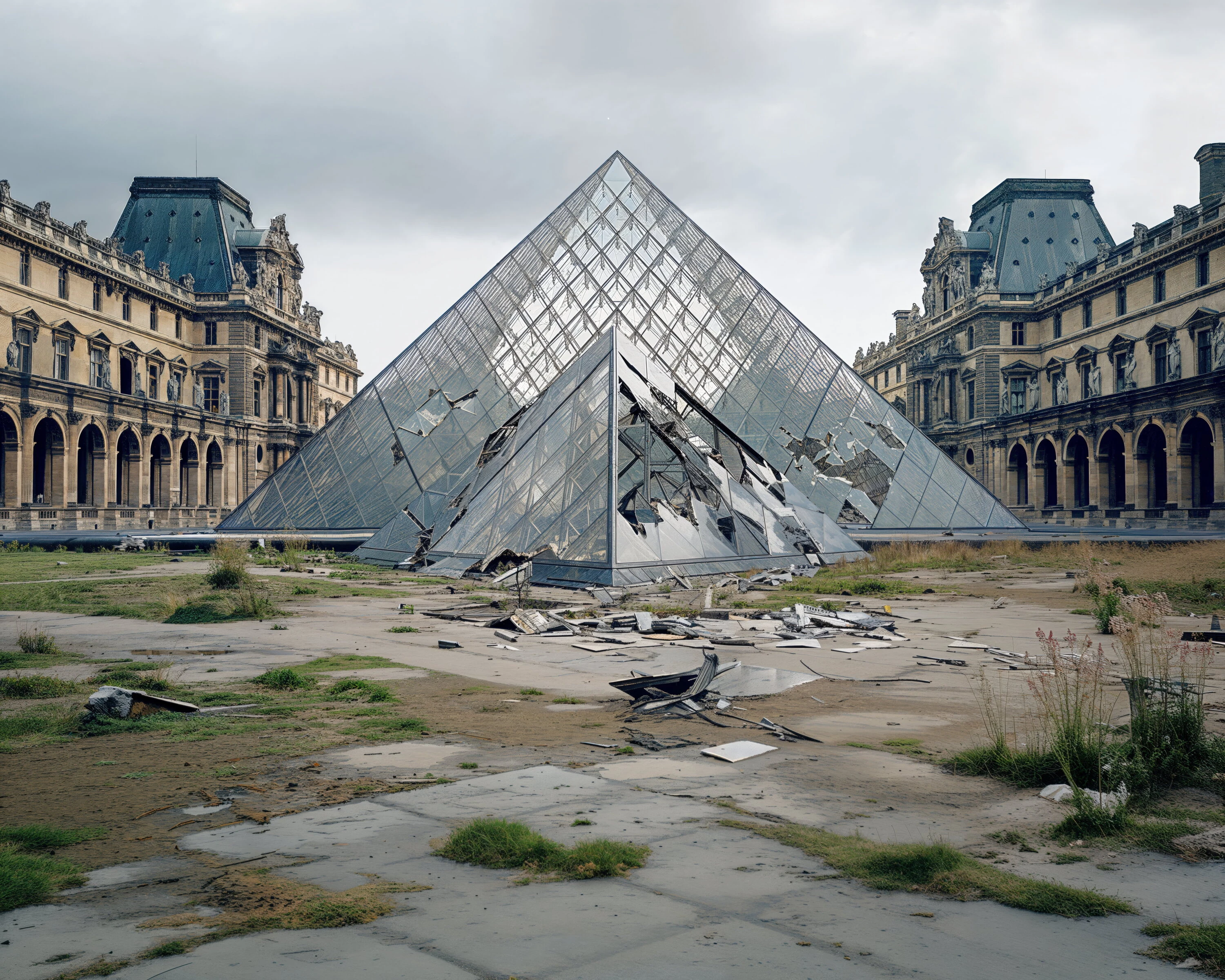
French duo Yves Marchand and Romain Meffre have spent two decades photographing the architectural casualties of modernity, from Detroit’s decaying theatres to the ghostly silhouette of Gunkanjima island off the coast of Nagasaki. Now they turn their lens – and some unsettling AI tools – on Kyoto itself.
Alongside their large-format ruin studies, the duo unveil a new series imagining the ancient city as a desolate, overgrown shell. Crumbling machiya, ivy-swallowed temples, silence where there was once ceremony; it’s mournful and strangely beautiful, a meditation on what we stand to lose that feels urgent precisely because it isn’t real. Yet.
The exhibition has been sound-designed by Yannick Paget in a new collaboration with the artists, adding an immersive sonic layer that makes the imagined decay feel all the more visceral.
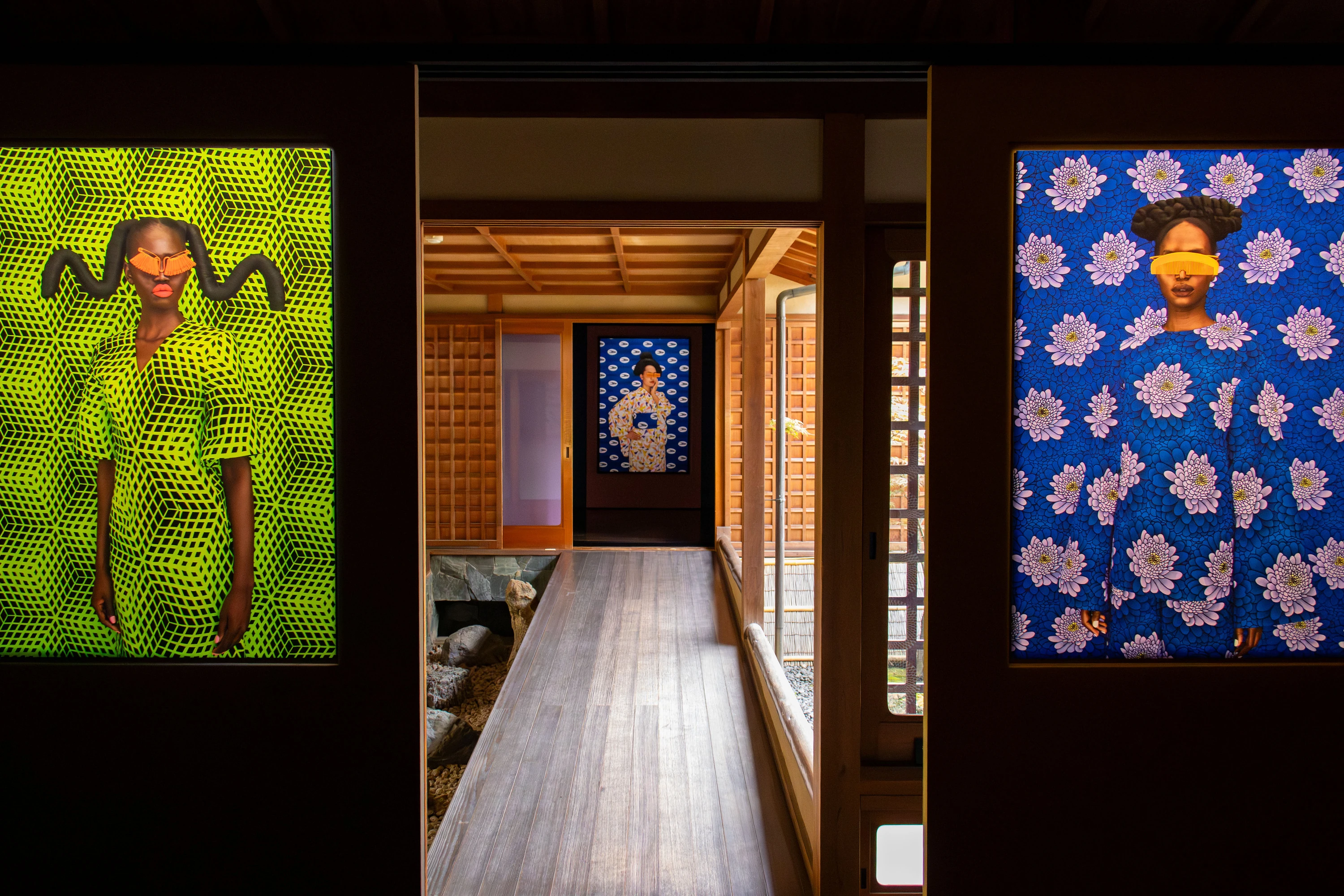
As part of the festival’s African Residency, Kenyan artist Thandiwe Muriu presents both her acclaimed Camo series and a new body of work created in Kyoto. Known for her vibrant, textile-driven portraits, Muriu explores identity as something layered and fluid. Her Kyoto chapter introduces Japanese fabrics into her visual language, drawing unexpected parallels between African and Japanese traditions. The images challenge ideas of belonging, particularly through representations of Afro-Asian identity.
At Shimadai Gallery, Anton Corbijn offers a powerful counterpoint to the festival’s conceptual density. Spanning five decades, his portraits of musicians and cultural figures, shot in stark black and white, reject polish in favour of presence. Whether photographing U2, the Rolling Stones or David Bowie, Corbijn captures something disarmingly human: vulnerability beneath iconography.
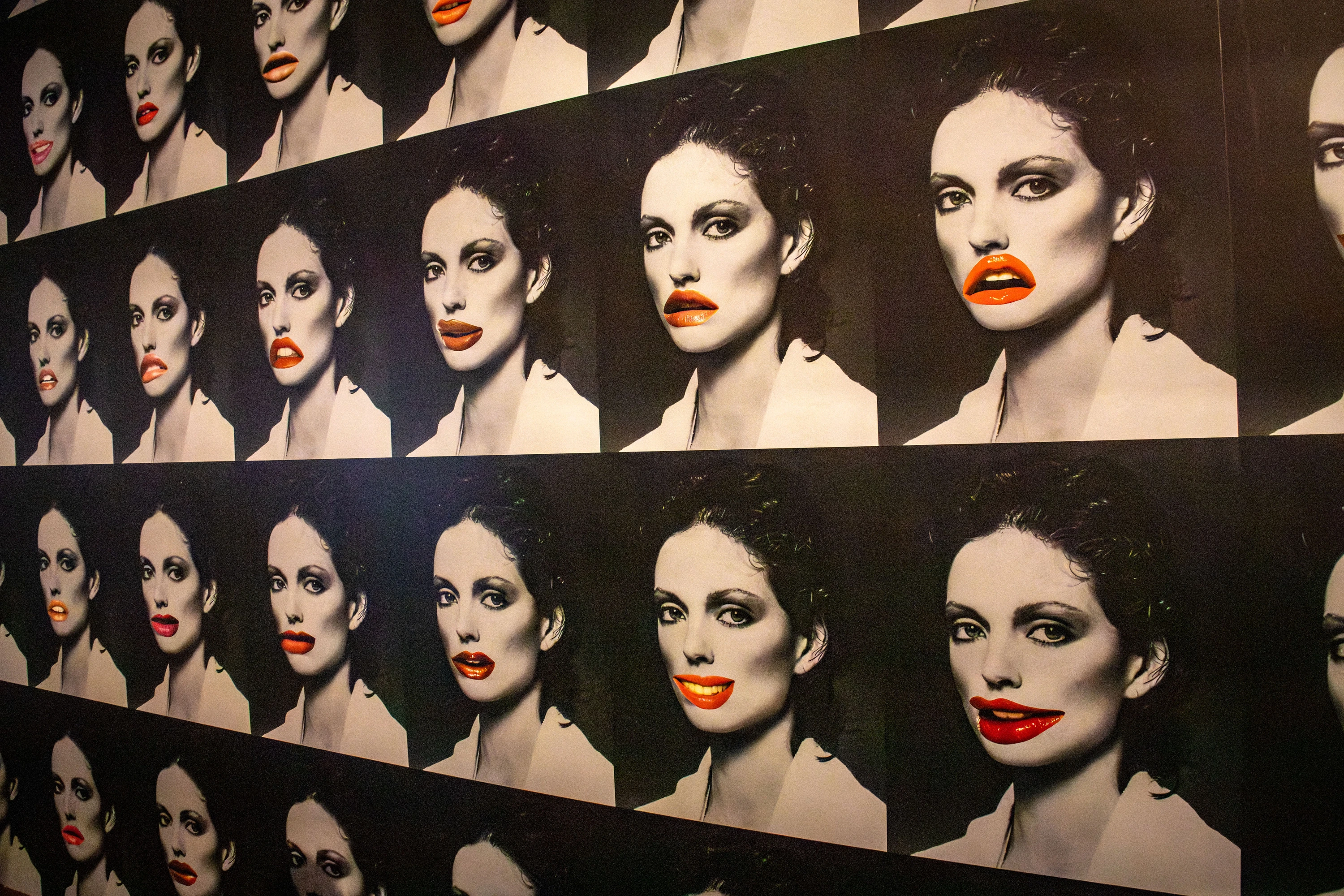
Linder Sterling, the punk-era photomontage iconoclast who emerged from late-1970s Manchester and whose radical feminist work has long deserved a Japanese audience, makes her long-overdue debut here. Fresh from a major retrospective at London’s Hayward Gallery, her Dada-inflected, surrealist-tinged reimaginings of femininity and desire feel genuinely transgressive, wherever you encounter them.
Alongside Sterling, Lebohang Kganye, the Johannesburg-based artist whose layered works combine photography, sculpture and storytelling, brings five major bodies of work to Kyoto for her first significant Japanese presentation. Between the two of them, this edition punches well above its weight for debut moments.
Ernest Cole’s House of Bondage, the shattering 1967 document of apartheid, and the first account of the Black experience under that regime told through a Black photographer’s lens, is shown in Japan for the first time. Alongside the landmark series, Pieter Hugo presents two decades of intimate, wandering work on life and mortality, while Lebohang Kganye’s layered postcolonial narratives complete a trio that spans three generations.
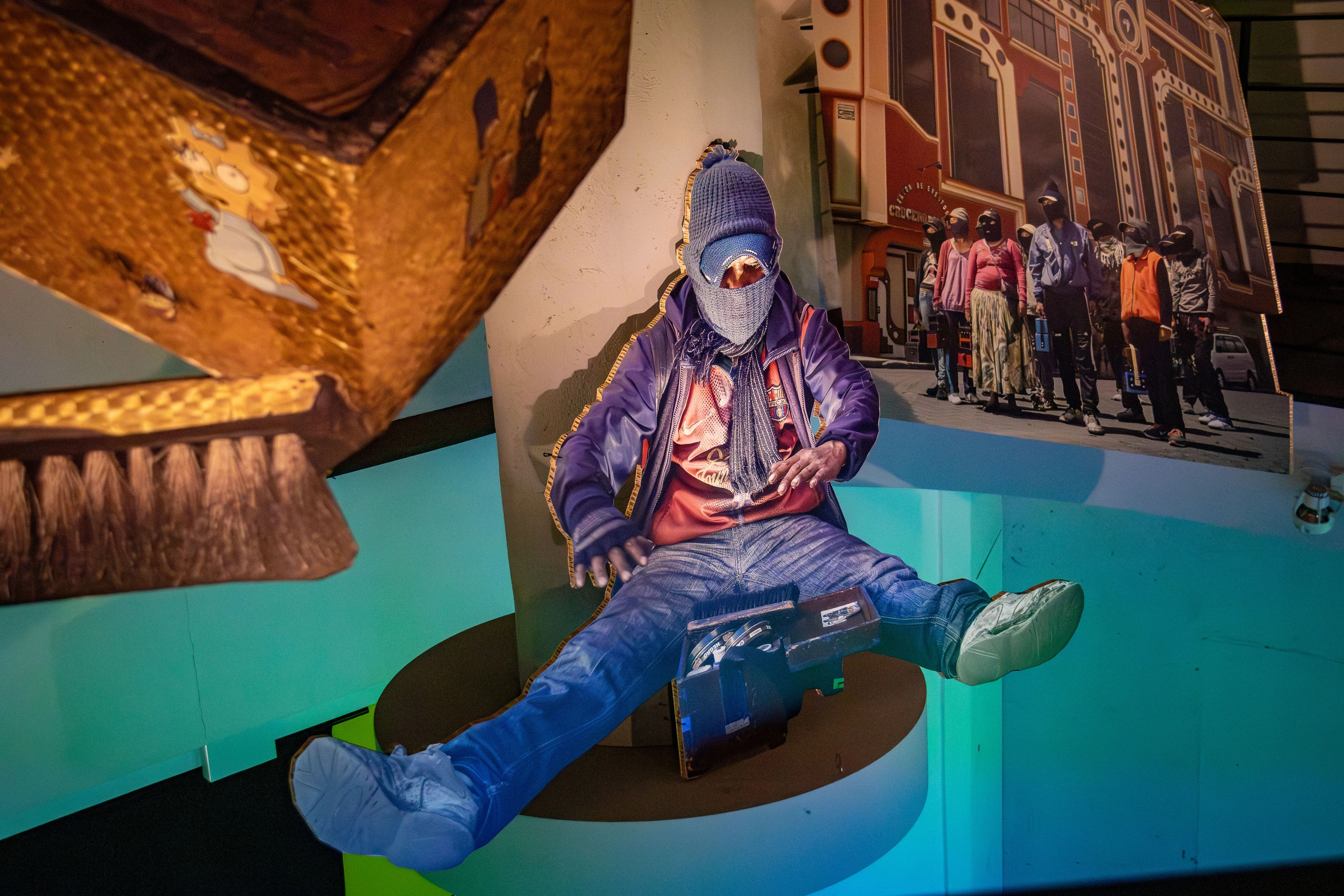
One of Kyotographie’s great strengths is its insistence on giving a platform to stories that rarely get one. This year, Federico Estol’s Shine Heroes, winner of the festival’s KG+ Select grant in 2025, turns its lens on the 3,000-plus shoe shiners of La Paz, Bolivia, who wear disguises daily to conceal the work their own families don’t know they do. Estol reframes these labourers as superheroes, in a project built on genuine community co-authorship and a circular economy that returns half of all proceeds to its subjects.
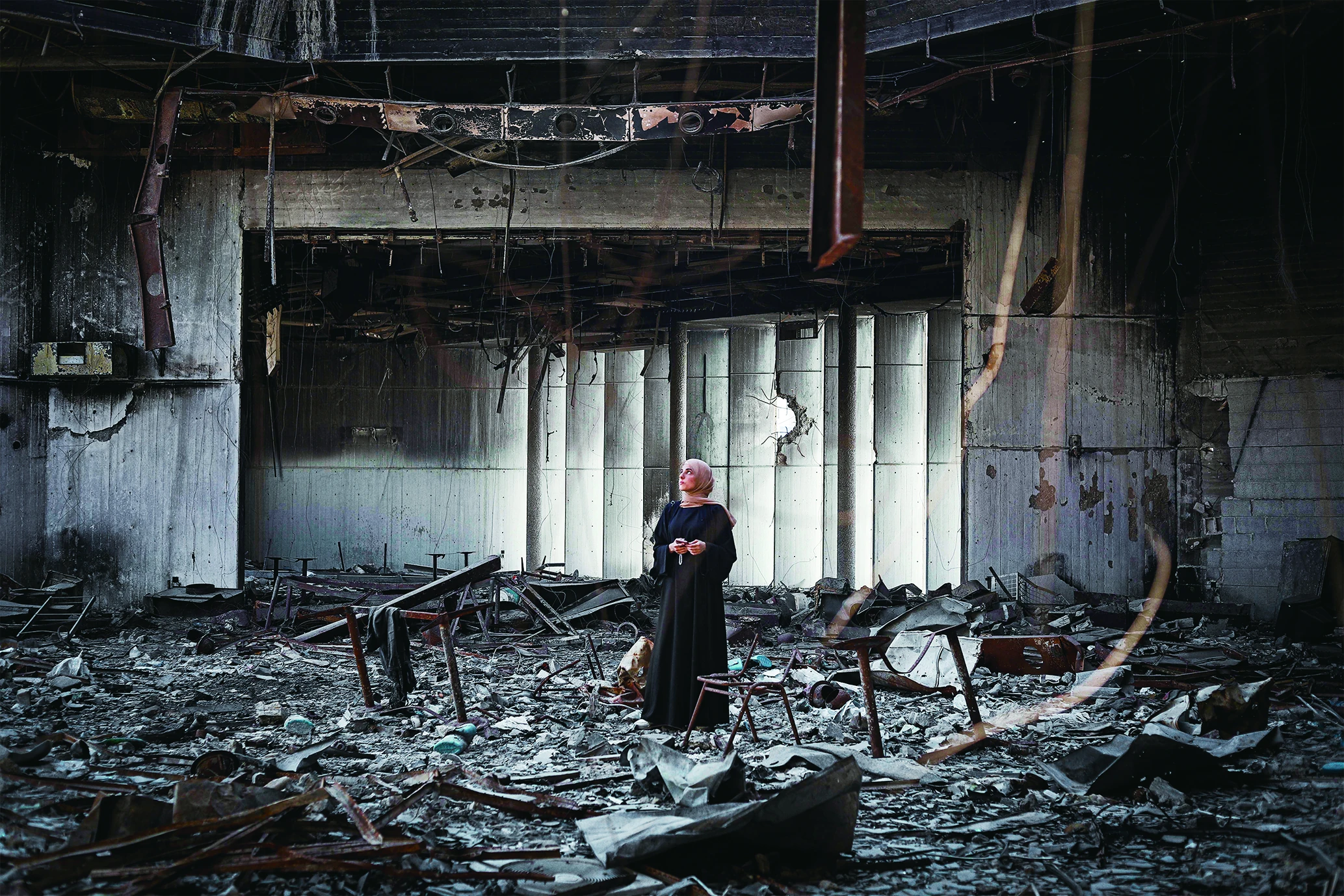
And in a devastating tribute, the festival honours Palestinian photographer Fatma Hassona, killed in an airstrike in April 2025 at just 25 years old, through a projection of her images. In doing so, it’s a reminder of what photography, and Kyotographie, is ultimately for.
Kyotographie 2026 runs across multiple venues in Kyoto until May 17. For full programme details and ticketing, visit the festival website.
More from Time Out Osaka
See 40,000 wisteria clusters at this private garden in South Osaka
A Super Mario train is now running on Osaka Metro’s Midosuji Line
Osaka’s historic Shochikuza theatre has been given a last-minute reprieve
New Universal Studios Japan manhole covers are popping up in Osaka
Suntory to offer Roku Gin distillery tour and tasting in Osaka
Discover Time Out original video