[category]
[title]
What does it take to stage the iconic Broadway hit musical Hairspray in SA? We sat down with this talented cast and crew to find out.


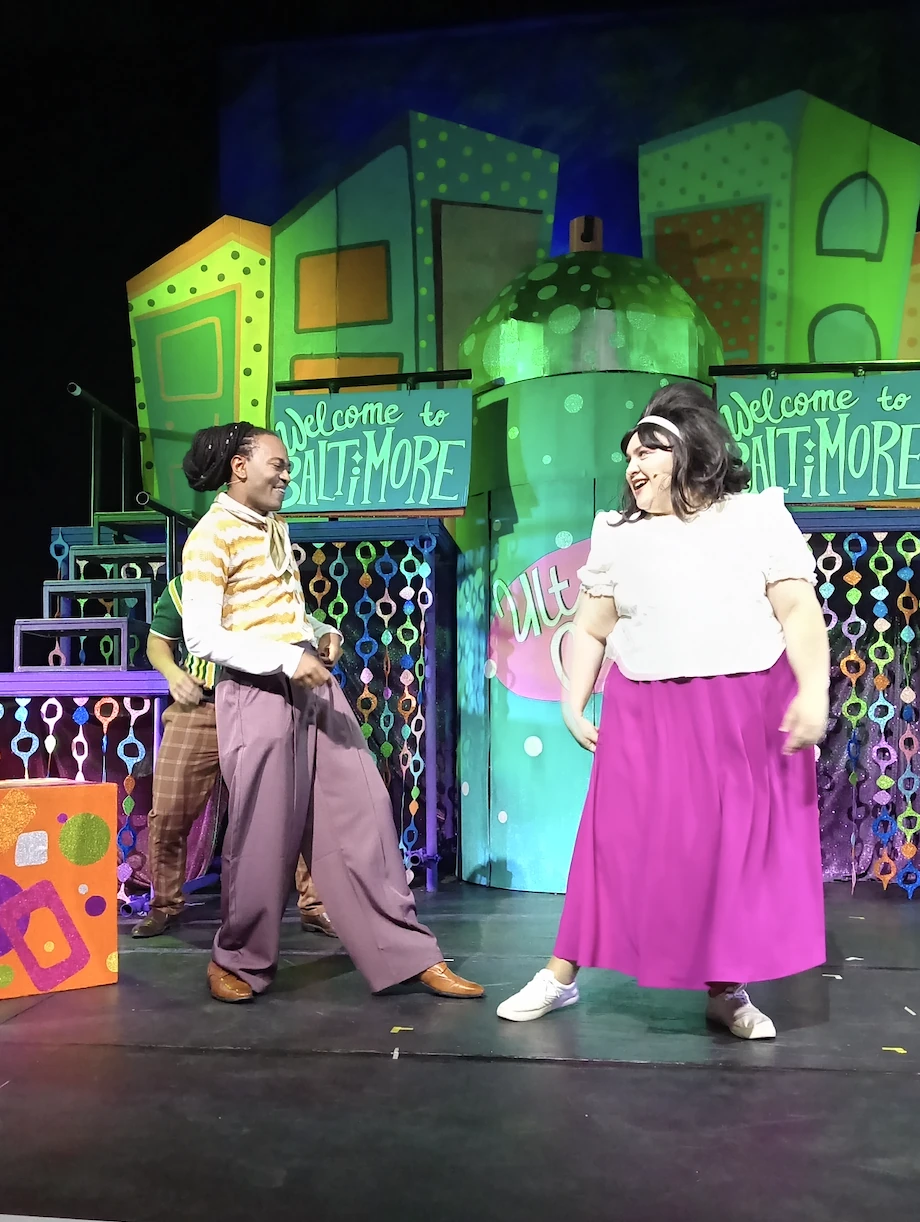
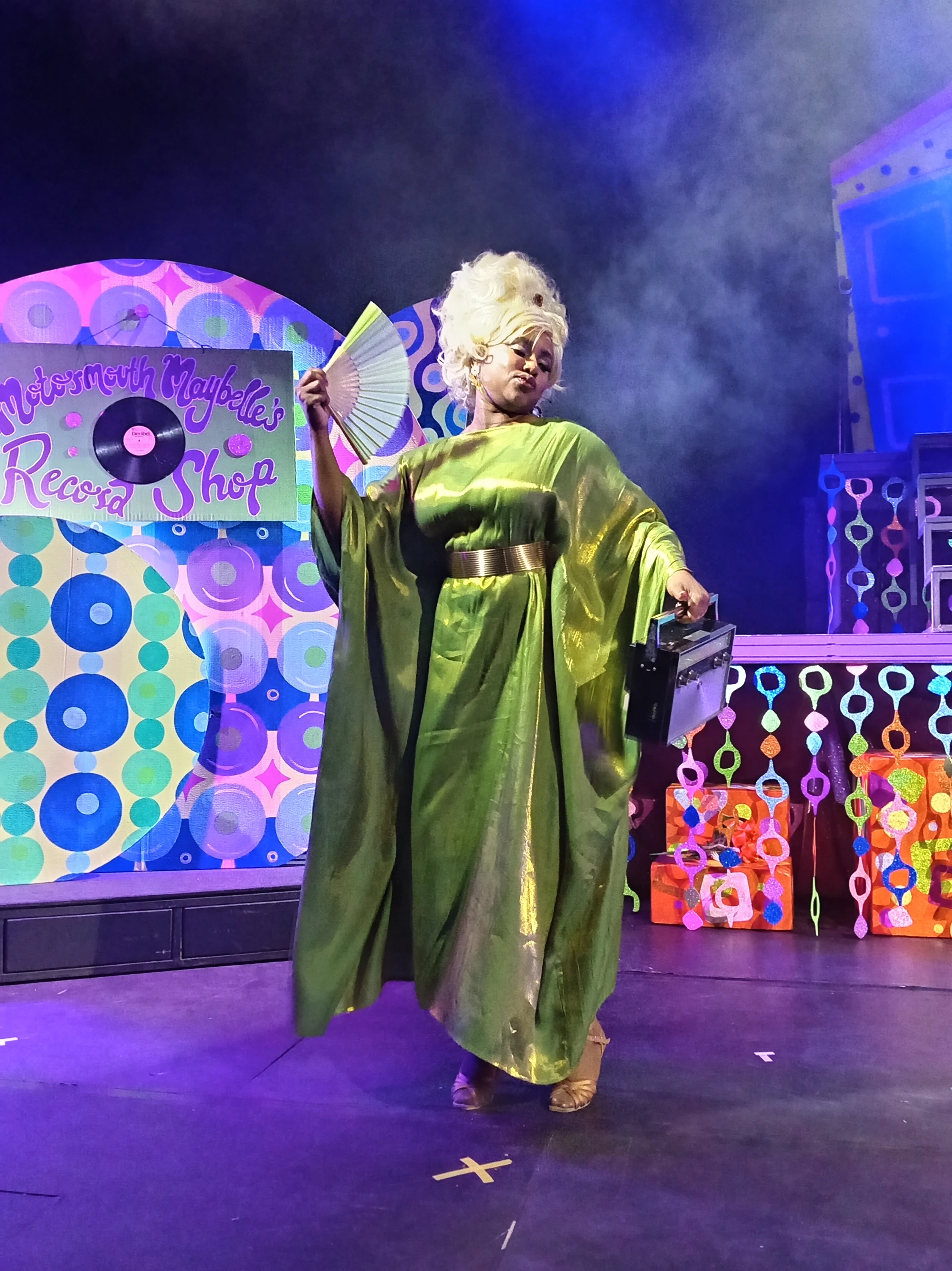
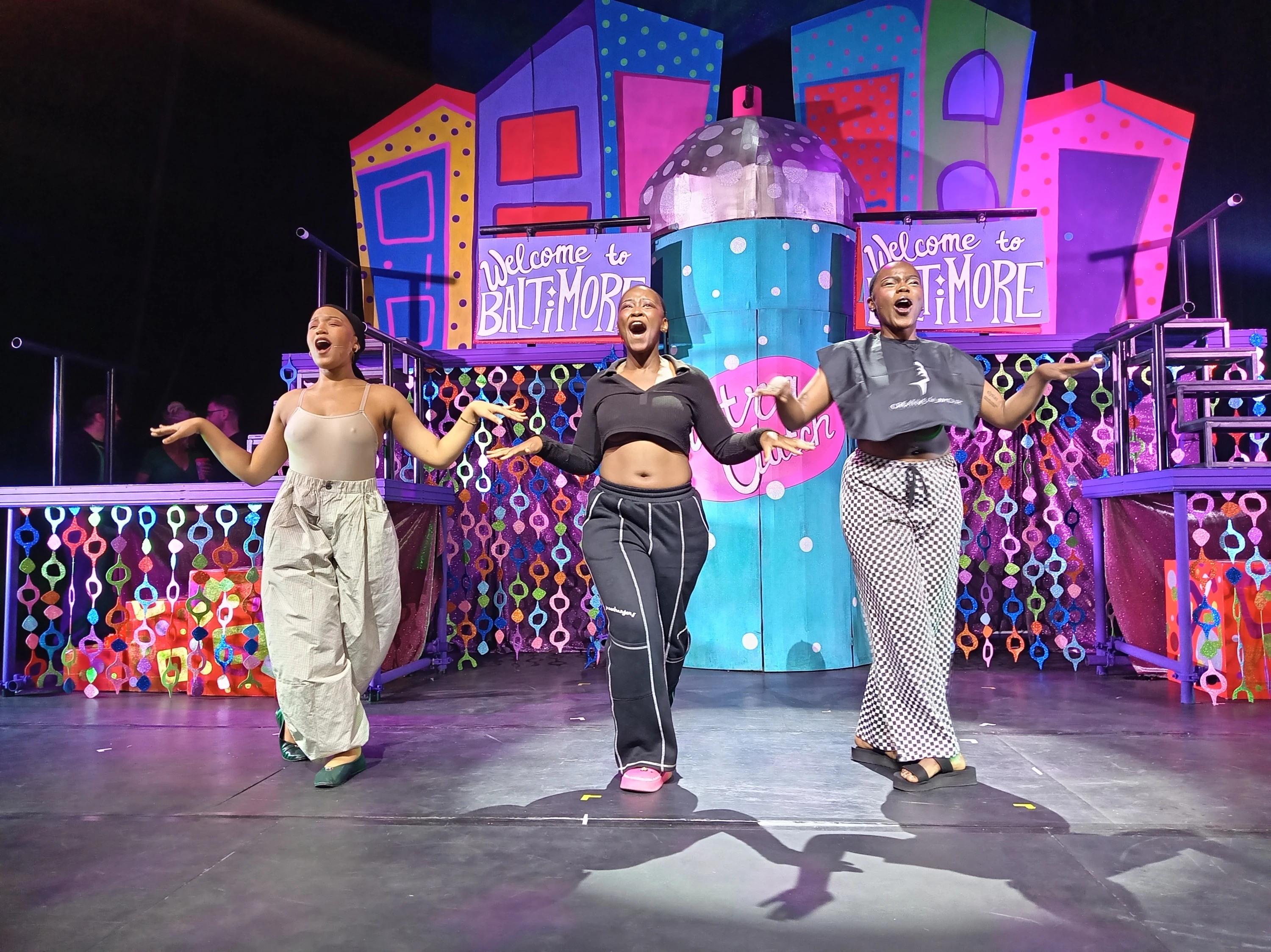
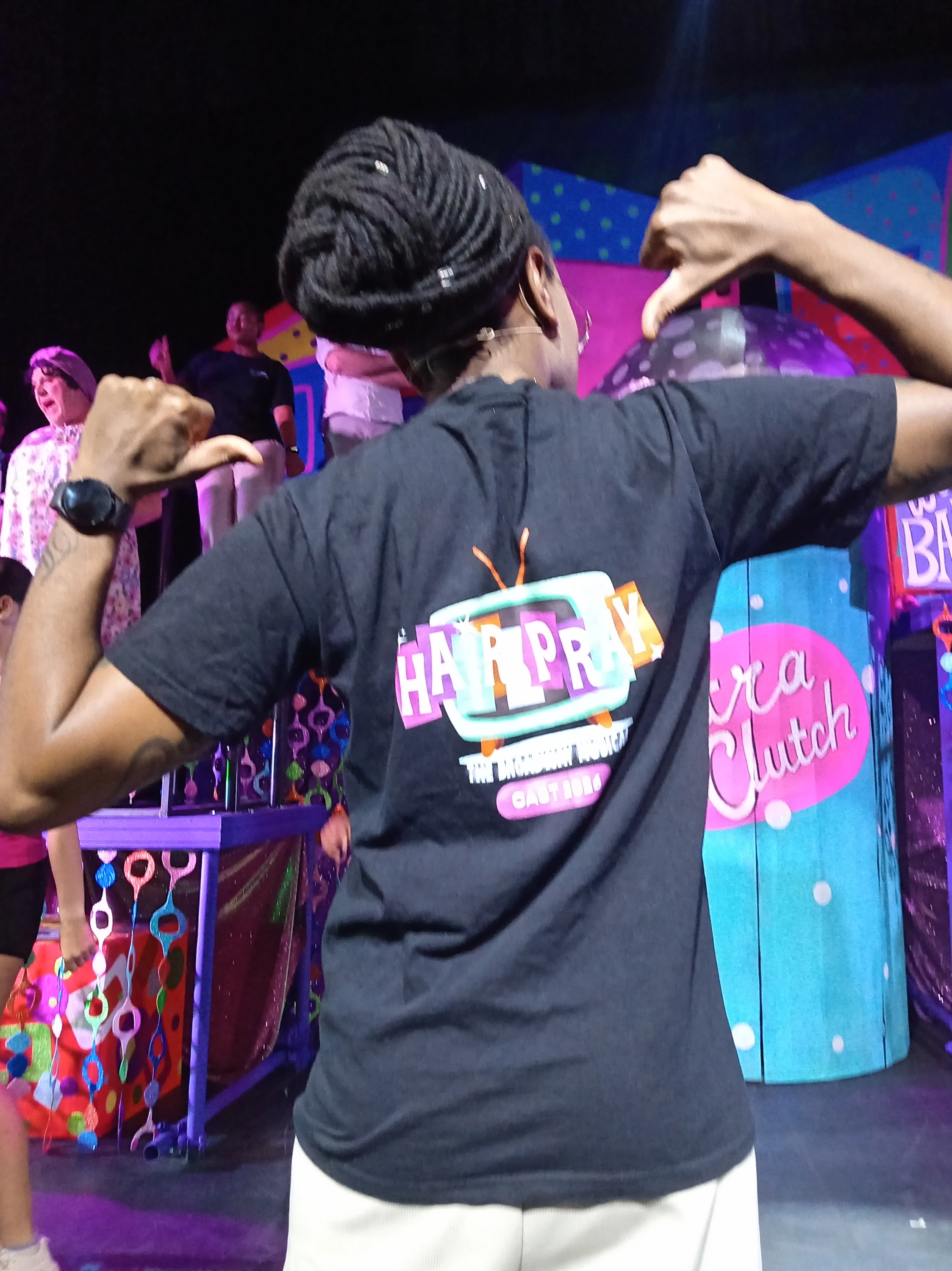
The Centurion Teater has assembled a young cast for an adaptation of the iconic Broadway musical, Hairspray. The show opened on 22 October and will be on stage until 7 November.
At the show’s final dress rehearsal, set and costume designer Ashleigh Hilton spoke to TimeOut about the intricacies of creating the right look for a South African cast who have their own story around hair and fashion.
We also caught up with lead actress Carly Janse van Vuuren who is a teenager and is still in high school. She shared what it means for her career to take on a production of this magnitude at such a young age.
Set in Baltimore, the story currently unfolding on a stage in Gauteng chronicles the events that were set in motion when Tracy Turnblad, played by Carly Janse van Vuuren, decided to pursue her dream of dancing on the popular Corny Collins Show.
While on detention at school, Tracy catches the rhythm of her friend Seaweed J. Stubbs, played by TeeKay Baloyi. After winning over the show’s host and becoming an overnight celebrity, she and her friends decide to take the show’s racial segregation head-on.
Hairspray is colourful without seeking to minimise the impact of racism and the various civil rights movements that were happening simultaneously across various parts of the world in the 1960s.
Using music, dance and physical theatre, the production paints a joyous picture of people cultivating their own happiness during a time when racial tensions were at exceedingly high levels. The American play is almost symbolic of how South Africans in Sophiatown found solace in music in the 1950s and added colour to their lives through expressive fashion.
The Sophiatown story is one of brave Black people who fearlessly resisted forced removals that had been dictated by the apartheid regime, and Hairspray is about a group of young people in America who staged protests against segregation in their own country.
The production explores body image, racism, dreams, the challenges of parenting teenagers and other universal themes.
For Carly, Hairspray is the first musical she ever saw on TV. As a much younger child, the teenager recalls immediately falling in love with the story.
She found herself drawn to Tracy, not knowing she’d one day give the character her own flavour, which makes this a full-circle moment for the young actress.
She sees this as an opportunity beyond just playing Tracy, saying it has taught her a lot about the skill of multitasking, which she will need as she grows in her craft.
“I think balancing my schedule with school and final exams while doing Hairspray is a very big thing for my career because it shows that I can do multiple things,” Carly asserts.
The story for her speaks to South Africa’s own pursuit of inclusivity.
“Bringing Hairspray to the stage will once again remind us that we are all human, we are one and we should stand as one,” she adds.
Part of her research included speaking to her grandparents about what life was truly like in the 1960s and 70s. She used this knowledge to inject her own interpretation of what Tracy’s life may have been like and the kind of changes that Carly would have liked to implement had she existed in that era.
In the South African context, Ashleigh is not oblivious to how immense prejudices still continue to thrive in a democratic era. She believes that weaving brightness, joy and colour into the storytelling translates better than a deep and dark piece.
This is a very South African perception of things because the people of Mzansi are known for using humour as a coping mechanism against some of the country’s serious challenges.
“There’s space for staging a production that brings joy and hope without losing sight of the strong underlying message. From a cultural perspective, it was important for me to do justice to the American experience of the 60s and also translate it to our current experience,” Ashleigh explains.
The costumes and set were initially designed before Ashleigh even met the cast. Once she met them, she had to go back to the drawing board. TeeKay, for example, has long dreadlocks, which was not a common thing in 1960s America.
“So I asked myself how we could recontextualise this to stay true to the '60s. We're set in 1962 but I had to move everyone into 1969, and drew some inspiration from the Black Panthers because they brought in those kinds of hairstyles.
“I redesigned the entire production and colour palettes and played around with the decades. My white cast’s looks are inspired by the 50s and my black cast’s looks are inspired by the late 60s into the 70s.”
Ashleigh approached the designs in such a way that the clothes would not feel uncomfortable for the cast during choreography. With people like her working on sets, it seems the arts are in good hands.
Sign up to Time Out Pretoria's free newsletter for expert recommendations on new things to do, see, eat and drink in the Capital. And don't forget to connect with us on Instagram and Facebook.
TIME OUT PRETORIA RECOMMENDS:
📍 The best things to do in Pretoria
🍽 The best restaurants in Pretoria
🏨 The best hotels in Pretoria
🛏️ Where to stay in Pretoria
Discover Time Out original video