[category]
[title]
Wessex Water has now joined eight other water companies across England and Wales which have implemented restrictions on the use of hosepipes


Describing this summer as hot feels like a serious understatement. The UK has had so many days of record-breaking heat that we’ve lost count of which heatwave we’re on now. In fact, the past few months have been such a scorcher that parts of the UK are now in drought. Almost 75 percent of England is now living in drought conditions.
Considering the situation, hosepipe bans implemented across different parts of the country should come as no surprise. Wessex Water has been the latest provider to announce a temporary ban, bringing the total number of Brits living under restrictions up to 27 million.
Unsure whether the rules apply to you, or what they really mean? Here’s everything you need to know about the impacted areas, when restrictions are likely to end and any exemptions.
More than 20 million people across south and south-east England and parts of Wales are currently facing hosepipe bans.
Here’s when each of the hosepipe bans either started or will start.
The short answer is, we don’t know. None of the nine water companies with either active or pending hosepipe bans have announced an end date, with many saying the rules will have to stay in place until water levels recover or there is an improvement in water supply.
Water companies tend to lift restrictions on water usage when reservoir and river levels have sufficiently recovered or when demand falls. With hot weather and minimal rain forecast in the UK in the coming days and weeks, it’s unlikely we’ll see any of these bans lifted in the next few days.
Thames Water said it will end its ban ‘as soon as conditions allow’.
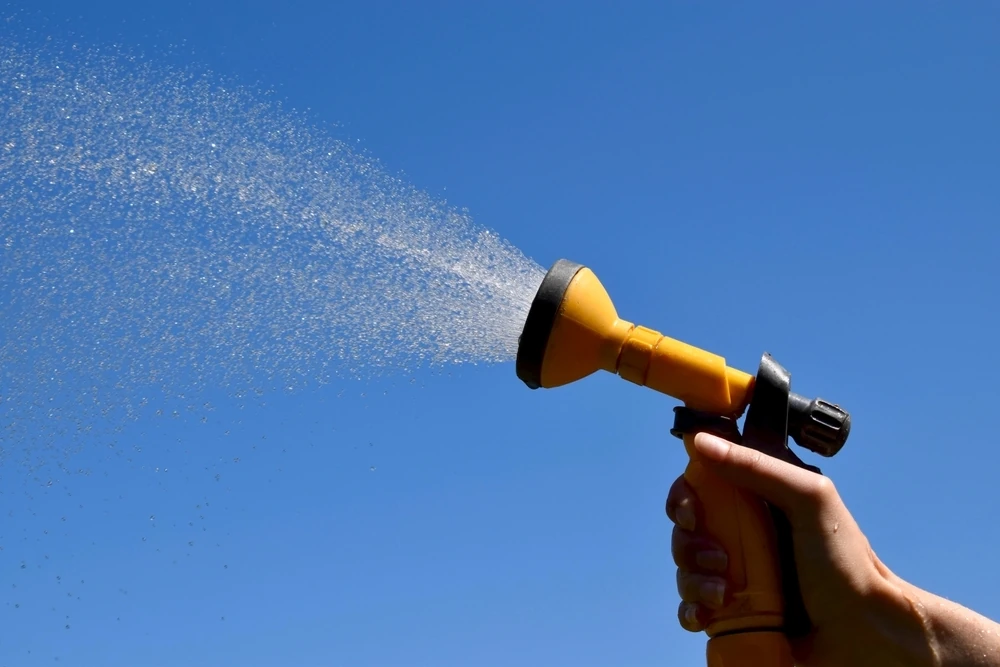
A hosepipe ban, or, legally speaking, a ‘Temporary Use Ban’, prohibits households from using water supplied through a hosepipe to do things like watering gardens and lawns, filling paddling pools and swimming pools, washing cars and other vehicles with a hose or filling ornamental ponds and fountains.
Yes. During a hosepipe ban, water companies encourage customers to use watering cans or make use of water collected in a water butt.
As long as you’re not using a hose, you can still keep your whip spotless. You can use a bucket and sponge, liquid collected in a water butt or cleaning products which don’t require water at all.
Most Temporary Use Bans include exemptions, but these vary depending on the water provider. Exemptions tend to apply to customers who have certain disabilities or health issues that make it difficult to use alternatives to a hosepipe. Companies also tend to offer further support for people on the Priority Services Register.
We’d recommend checking the list of exemptions for your water supplier.
If you ignore the ban, your water company will likely issue an initial warning, but continued refusal to adhere to the ban could land you with a fine of up to £1,000. Hosepipe bans are legally enforceable under the Water Industry Act 1991 and the Flood and Water Management Act 2010.
Did you see that one of the world’s 25 best islands is right here in the UK?
Plus: none of the world’s ‘most liveable’ cities are in the UK, apparently.
Stay in the loop: sign up to our free Time Out UK newsletter for the latest UK news and the best stuff happening across the country.
Discover Time Out original video