[category]
[title]
Tommy Shelby goes back to war in the new Peaky Blinders movie


For the seventh and final time, Tommy Shelby is saddling up to take control of Birmingham’s criminal underworld in Peaky Blinders: The Immortal Man. World War II is raging, Luftwaffe bombs are falling and his unhinged nephew is running rackets too egregious even for the reclusive crime lord’s tastes.
For fans of Steven Knight’s Netflix crime saga, which has charted the Shelby clan’s crimes and sharply-dressed misdemeanours from 1919 to 1940, the movie-length adaption offers a meaty, expansive farewell to some much-loved characters and the introduction of a few new ones. It’s also an uptick in the show’s world-building, where old favourites like The Garrison Tavern and Charlie’s Yard are joined by docks, factories and bombed-out city streets. The film’s production designer Jacqueline Abrahams talks us through the key locations.
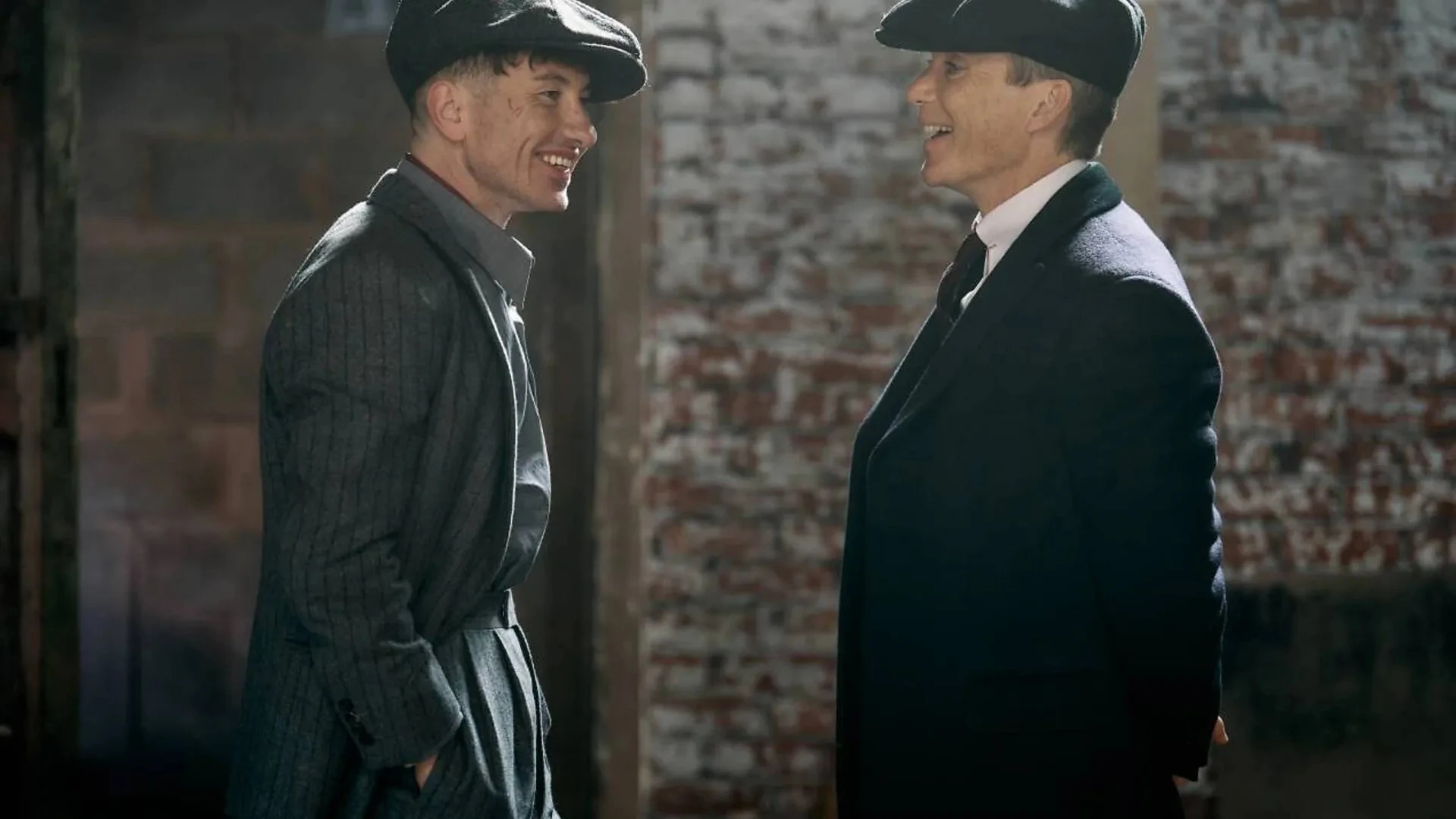
The Immortal Man finds Tommy Shelby looking anything but immortal. He’s in an opium-fuelled exile, grieving lost family in a faded country pile outside Birmingham. In the city, his rash, impressionable nephew Duke (Barry Keoghan) has assumed the mantle of gangland supremo. Enter Tim Roth’s fascist fifth columnist, John Beckett, the trigger man for a Nazi scheme to flood the UK economy with counterfeit bank notes. Will Hitler’s fake cash scheme collapse the war effort and lead to Britain’s surrender?
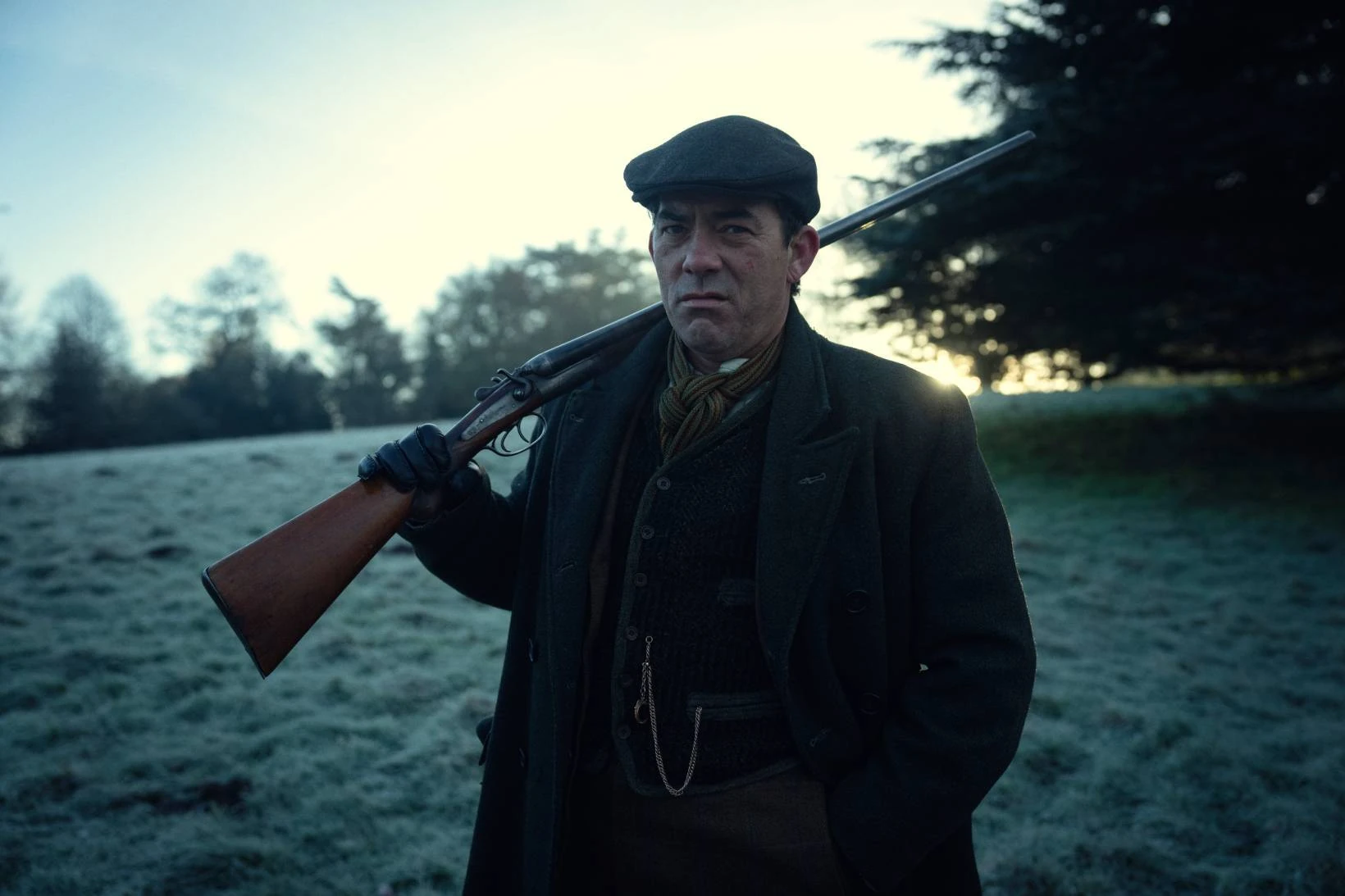
Already traumatised by one world war, Tommy has to dust himself off, stick his hat on and plunge into another one. Luckily, he has old pals like Hayden Stagg (Stephen Graham), Charlie Strong (Ned Dennehy) and loyal sideman Johnny Dogs (Packy Lee) to call on, as well as his MP sister Ada (Sophie Rundle) to point him toward the straight and narrow. Not that he’s heading in that direction.
The film, written by Knight and directed by Wild Rose’s Tom Harper, builds out from the Netflix series with new locations across England and Wales, while staying faithful to the look and feel of the Shelbys’ shadowy realm. Locations scouting took the production team from Hull to Wales, via Manchester, Bradford, Leeds, Surrey’s Shepperton Studios and, of course, Birmingham itself. ‘The locations are like a puzzle that you’re desperately trying to fit together,’ says Abraham. ‘We'd get in the car and go: “Where are we going today? Is it Birmingham or St Helens?”’
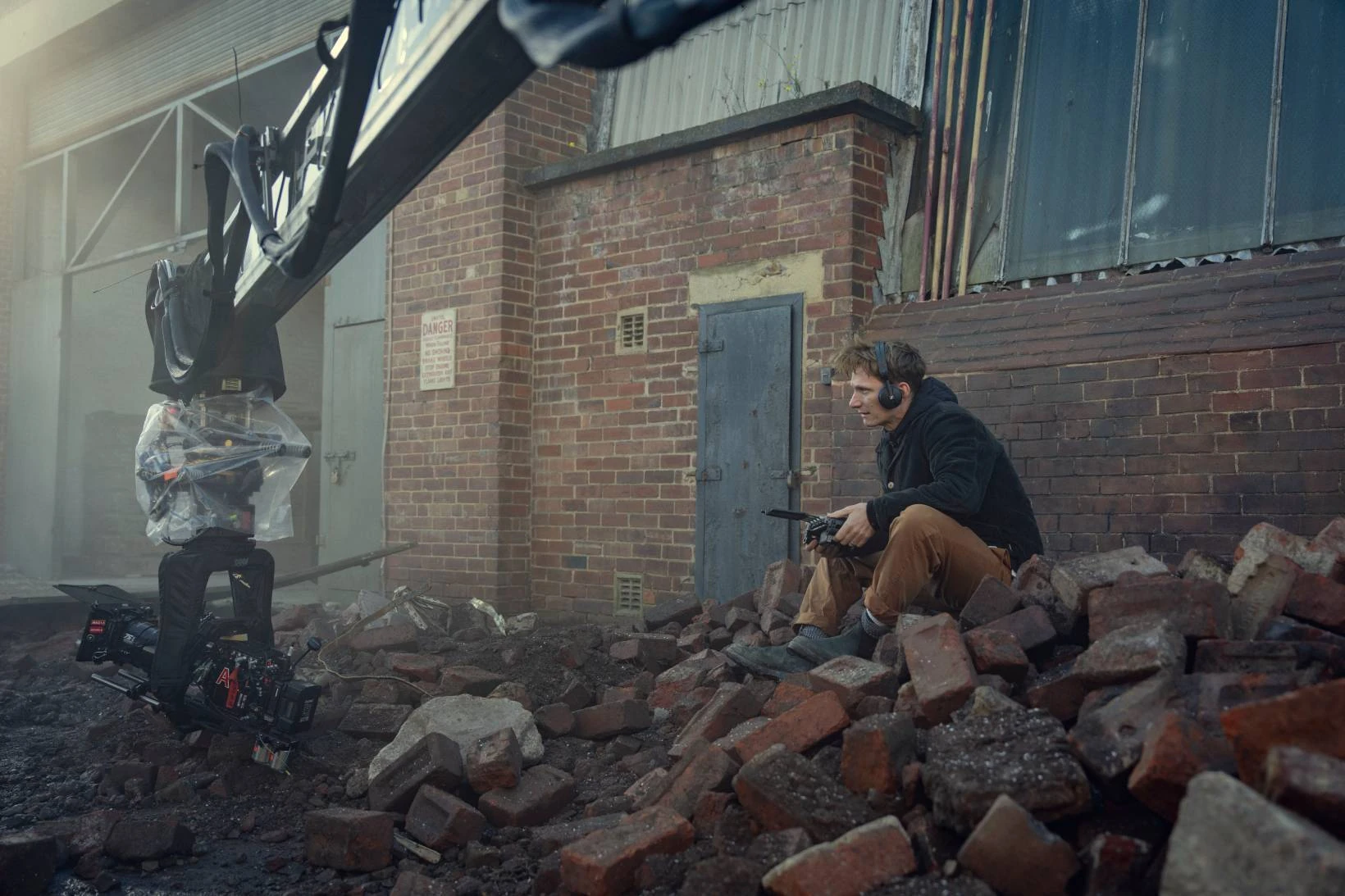
The film opens with a bombing raid on the BSA (Birmingham Small Arms Company), where munitions workers unwisely opt against taking shelter. The exteriors were filmed at the old Leeds factory of menswear label Burton. ‘We did it clean [for the pre-bombing shots] and covered it in all sorts of stuff,’ says Abraham. ‘We created a mound of hardcore first and then dropped a massive load of bricks.’ The factory interiors were filmed at the old Pilkington glassworks in St Helens.
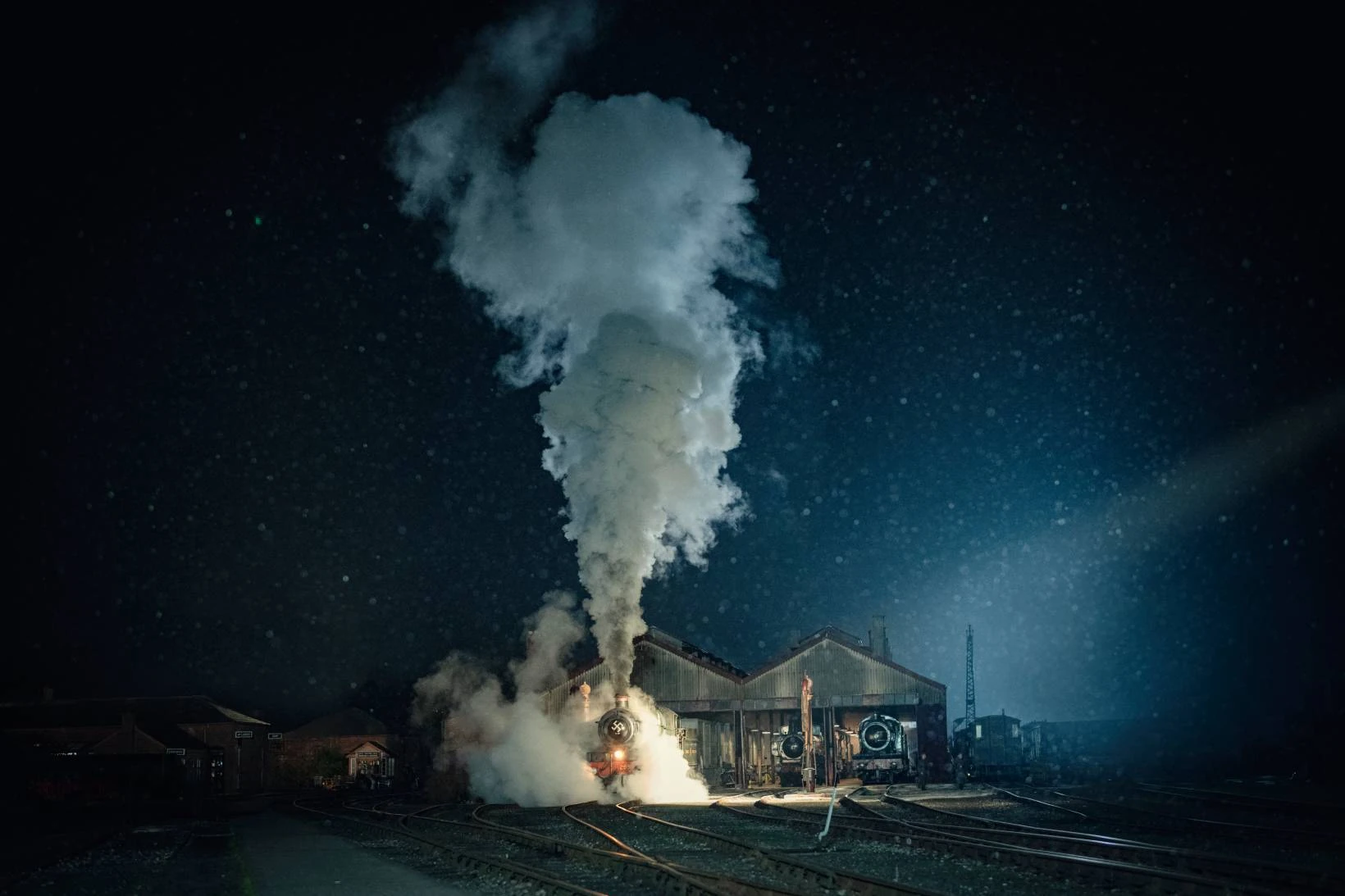
Meanwhile in Nazi-occupied Europe, the Germans are loading a train with fake British bank notes at a concentration camp railhead. Here, we meet Tim Roth’s Beckett, who will help smuggle the dodgy cash into Britain. The real train belongs to Didcot’s historic railway museum. ‘The props department made a Nazi insignia for the front of the train,’ says Abraham. ‘The museum gave us the flatbeds and we built the crates. The pound notes were accurate to the period. We bought some real ones because they had a watermark, and then our graphics person painstakingly reproduced them.’
📍How to visit Didcot Railway Centre
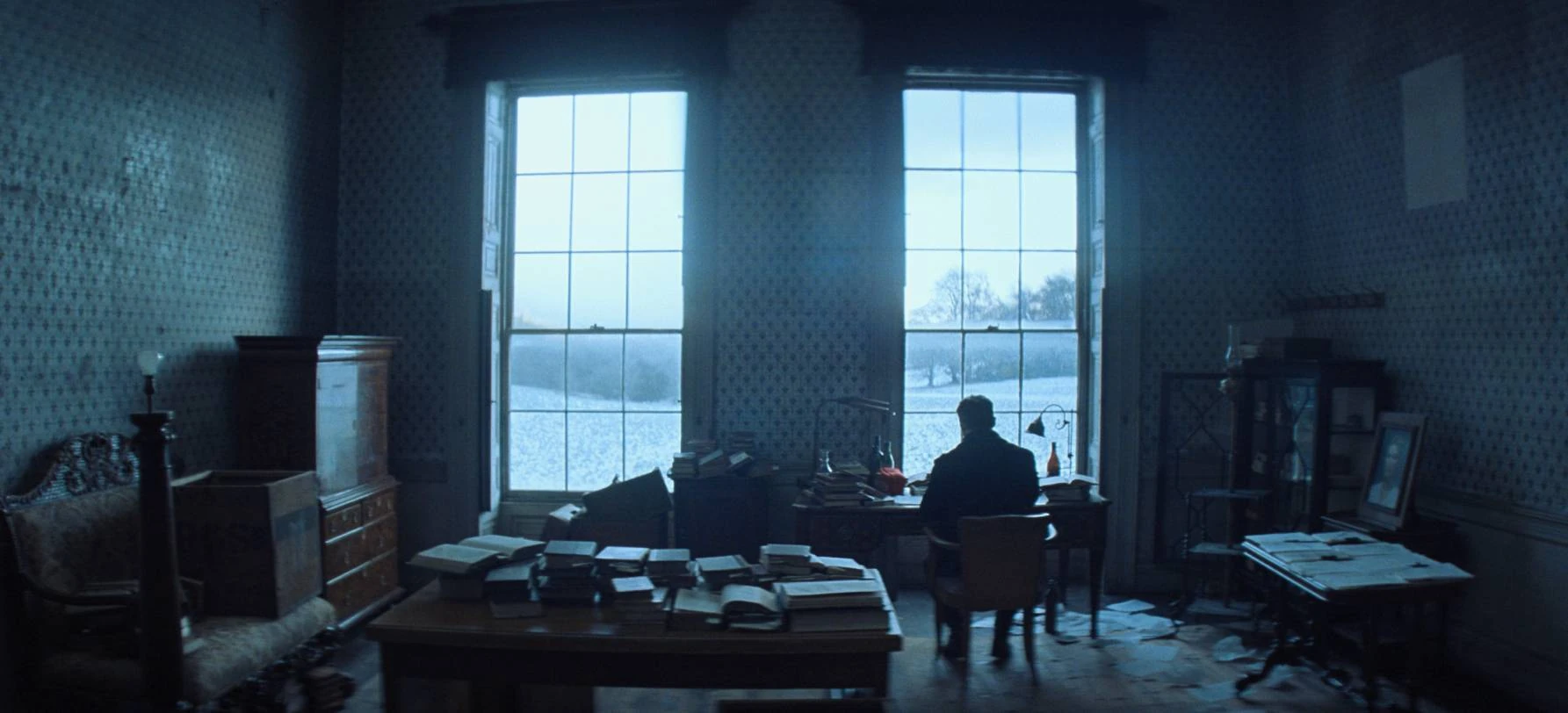
The movie finds Tommy living reclusively in a decaying country house, penning a memoir, confronting his ghosts and hanging with Johnny Dogs. Two locations combined to create Avening House, Tommy’s home: Derbyshire’s Calke Abbey and Calder Abbey in Cumbria. Calke, a National Trust house dating back to 1701, hosted scenes in its stable yard and – after more than 1,300 historic objects had been packed away – inside the house itself.
The schoolroom, where Tommy is writing his memoirs, was a key location. ‘It had a spooky feel,’ remembers Abraham. ’It was so beautiful, we didn't do much apart from dress it.’ The attention to detail ran deep, though: open the drawers of the writing desk and you’d find more props. ‘I made it my business to make it as immersive as possible for Cillian.’
📍Take a Peaky Blinders: The Immortal Map walking tour at Calke Abbey.
Calke’s setting was too picturesque to stand in for the wilder look of Avening, so Calder Abbey, a ruined Cumbrian monastery, stood in for the garden and the graveyard where Tommy’s daughter Ruby is buried.
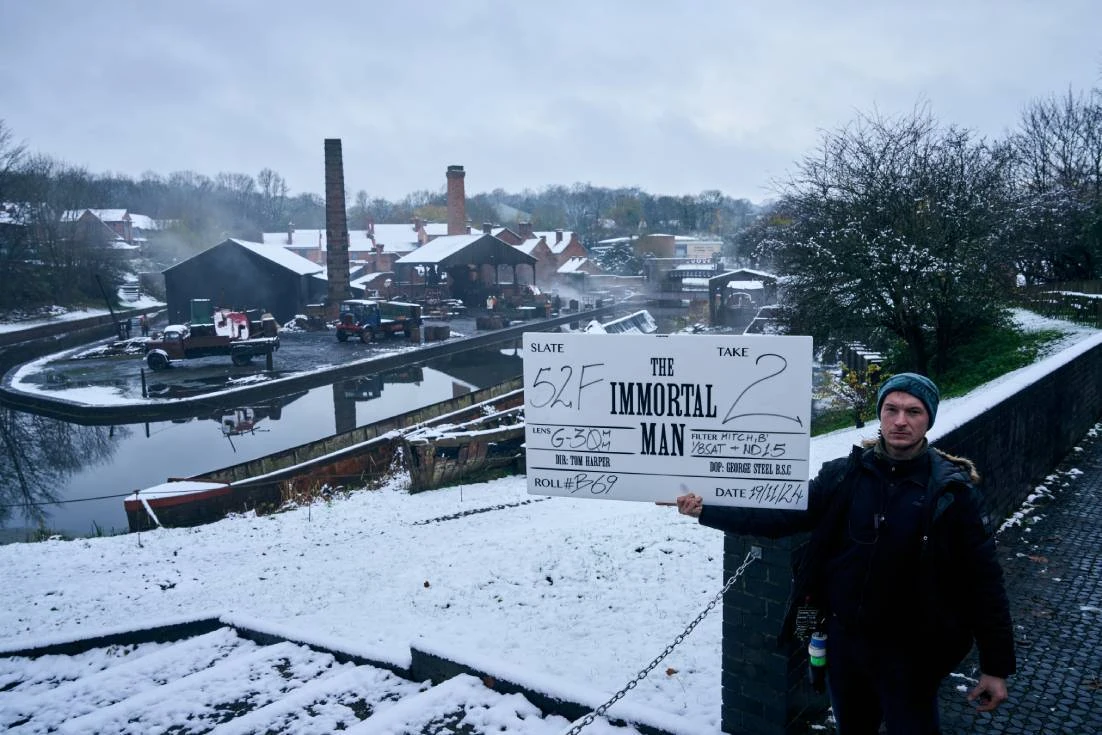
The unofficial home of Peaky Blinders, Dudley’s 26-acre open-air museum charts life in this corner of the Midlands from the Industrial Revolution until 1968. This period time capsule has been a long-time Peaky location and returns in the movie as the setting for Charlie Strong’s yard.
📍How to visit the Black Country Living Museum.
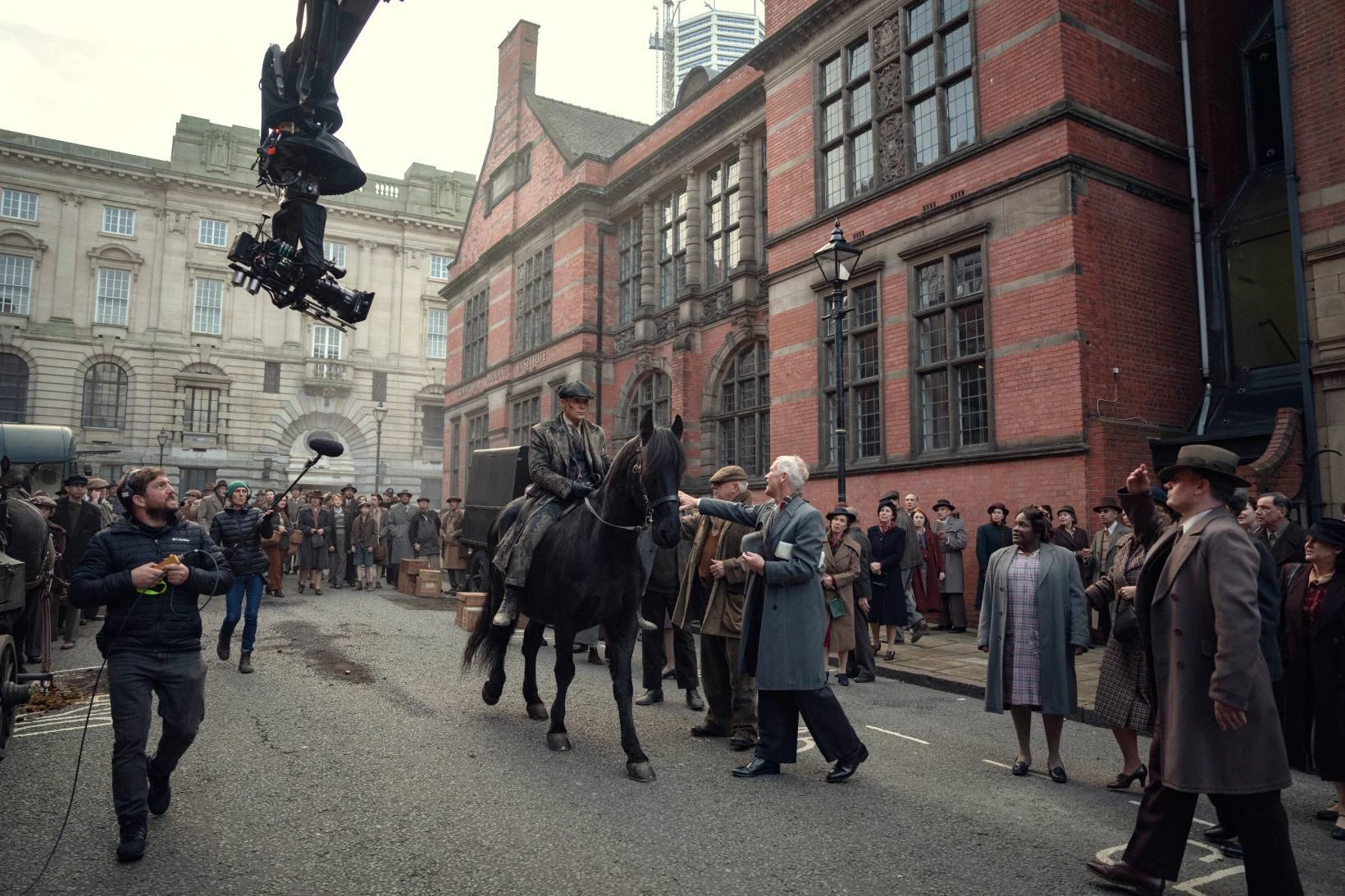
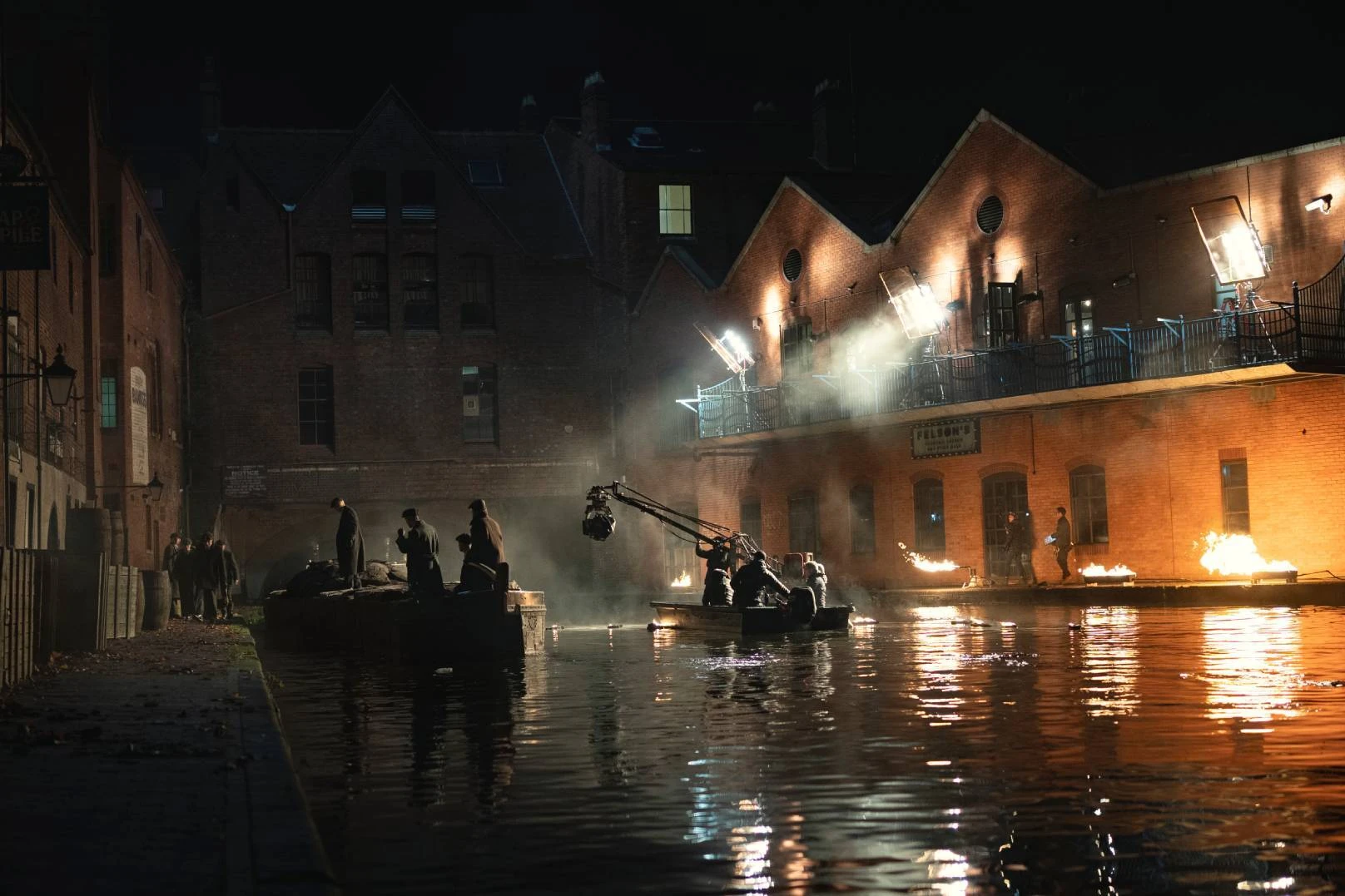
The Immortal Man presents Tommy as a sort of western archetype, a John Wayne figure with a revolver rather than a six-shooter. None more so that when he mounts up and takes a horseback ride through the bombed-out streets of Birmingham, a returning hero reminding the city who their sheriff is. The scene was filmed on Cornwall Street, while Gas Street basin another city location used. ‘We dressed it the day before filming,’ says Abraham. ‘It was pretty intense because we didn't have long. It was on a major bus route.’
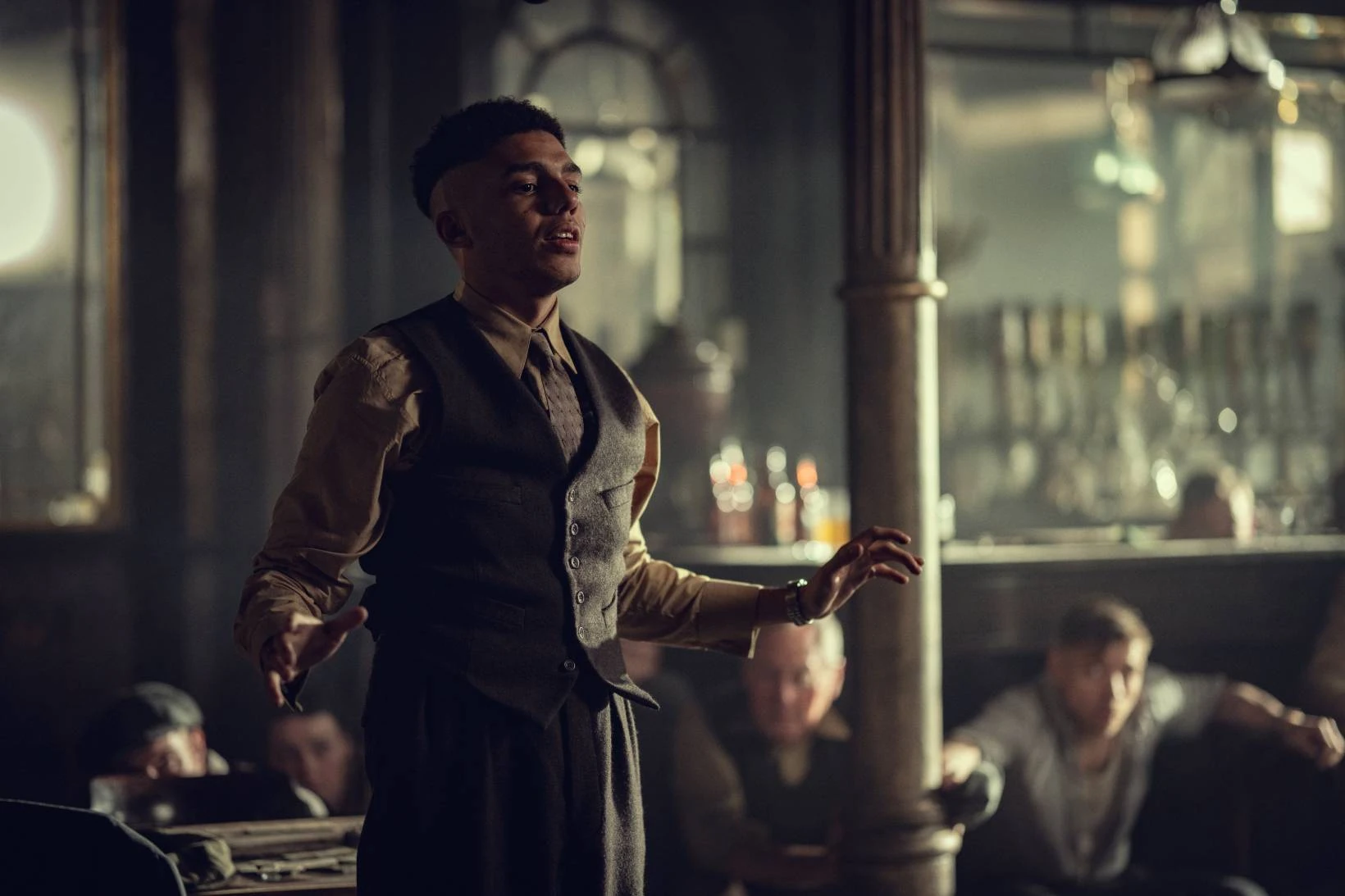
Not everything could be filmed on location, however. Steven Knight’s home studio, Digbeth Loc., once again played a key role. ‘I like to call it “Digbeth International”,’ jokes Abraham of the 46,000 square foot production complex. The Peakys’ local boozer, The Garrison, features in one explosive scene, with its interiors recreated on a stage. The exterior, meanwhiie, was built and filmed in Castlefield, Manchester. Digbeth Loc.
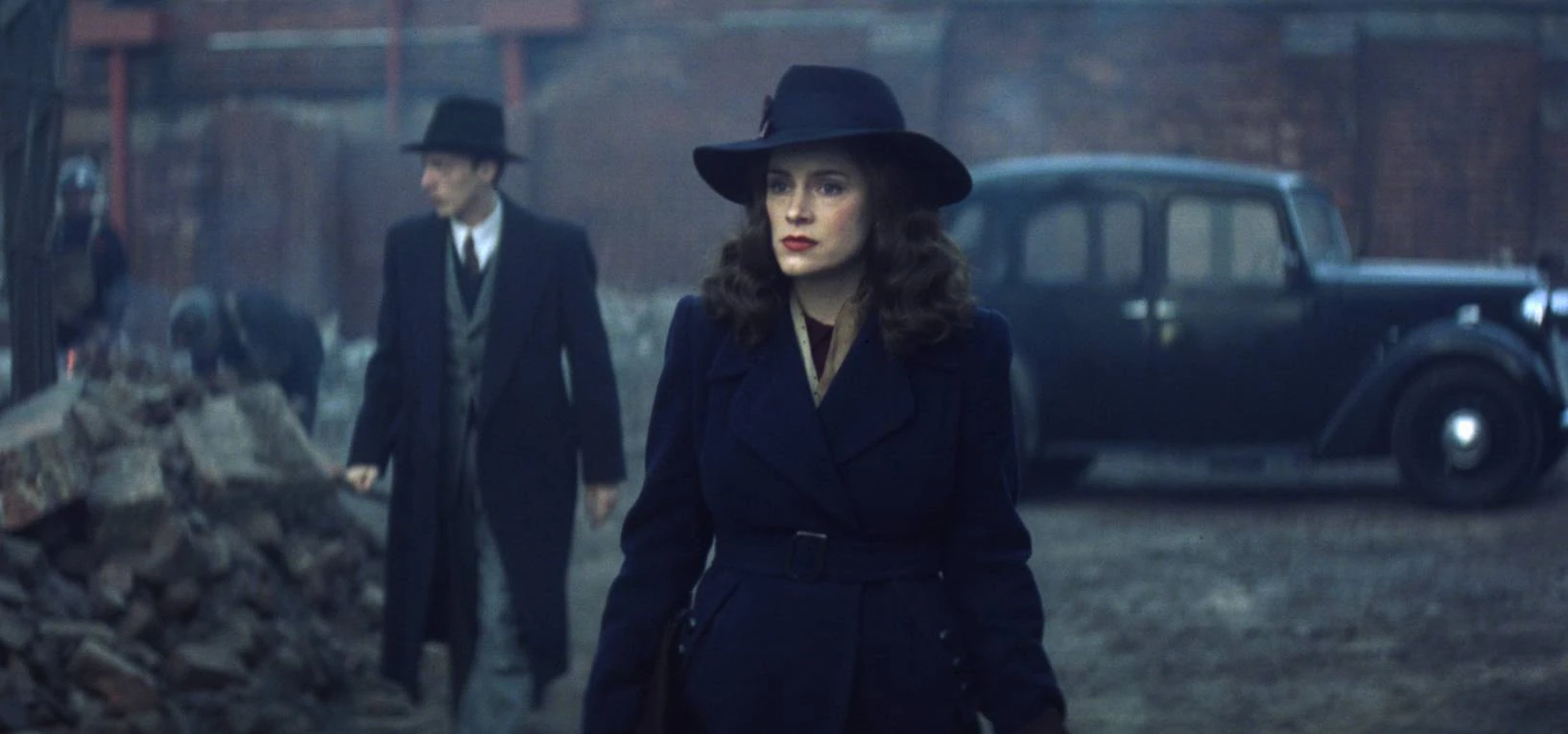
The Luftwaffe bombing Blitz is in full effect during The Immortal Man and the second city is taking a pasting. Bradford’s historic mercantile quarter stood in for bomb-damaged Brum in some of those scenes.
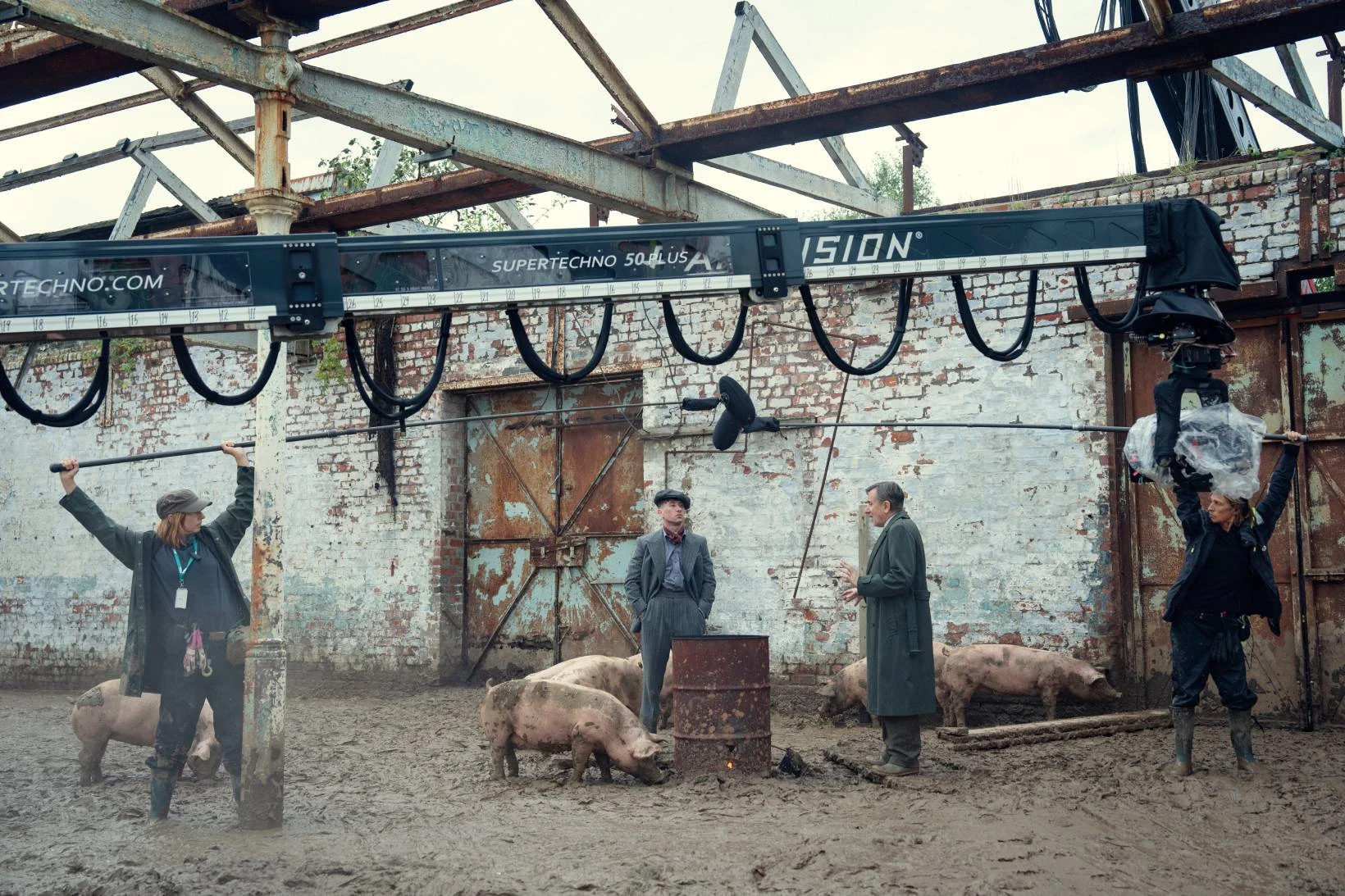
The Nazis aren’t the only swine in the movie. This pig pen, part of the Shelbys’ rationing racket, has a dubious use in the story. The yard was filmed at another ex-manufacturing plant: Hartley's jam factory near Liverpool. It also doubles up as a morphine store, betting shop and air raid shelter.
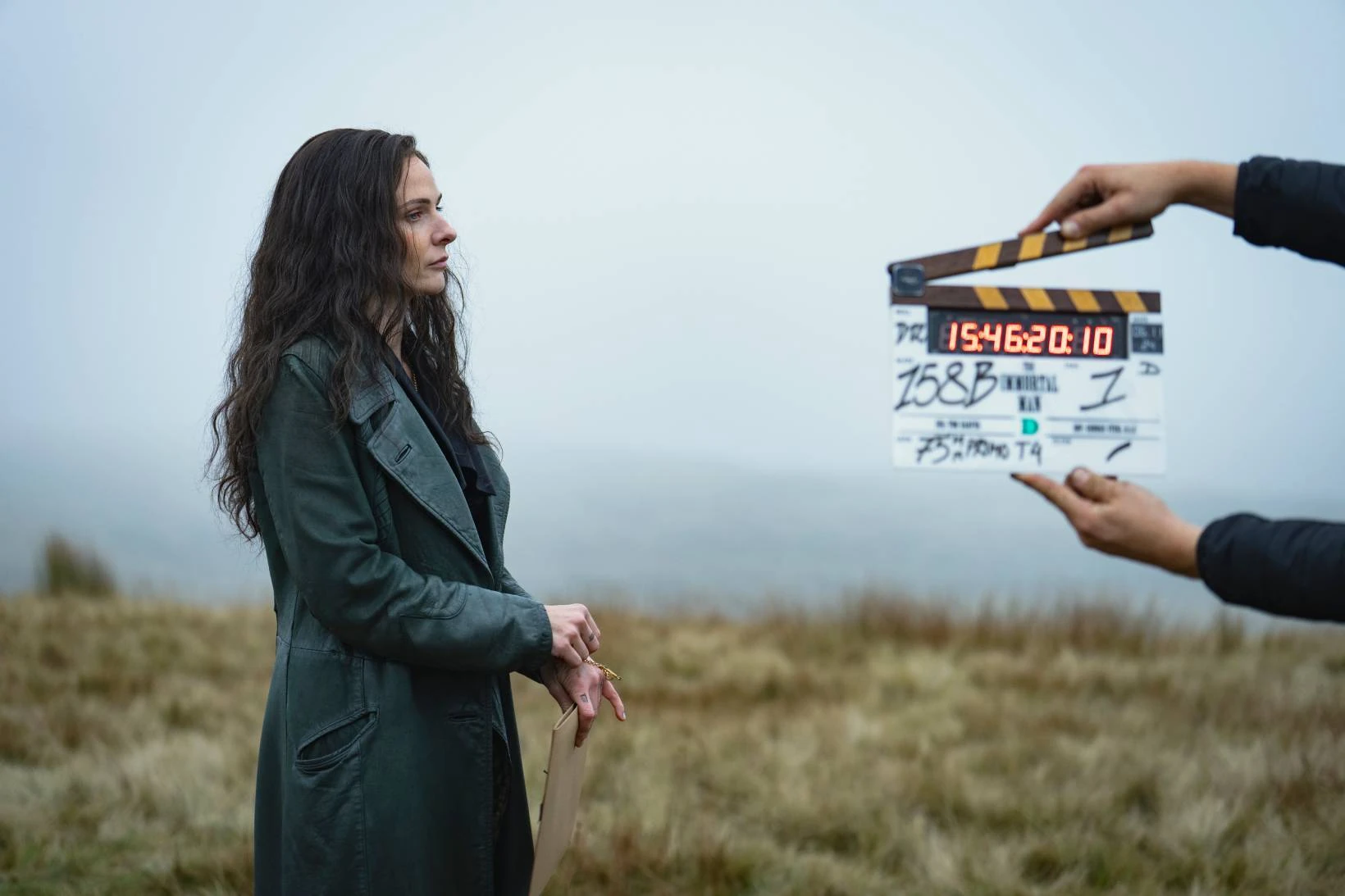
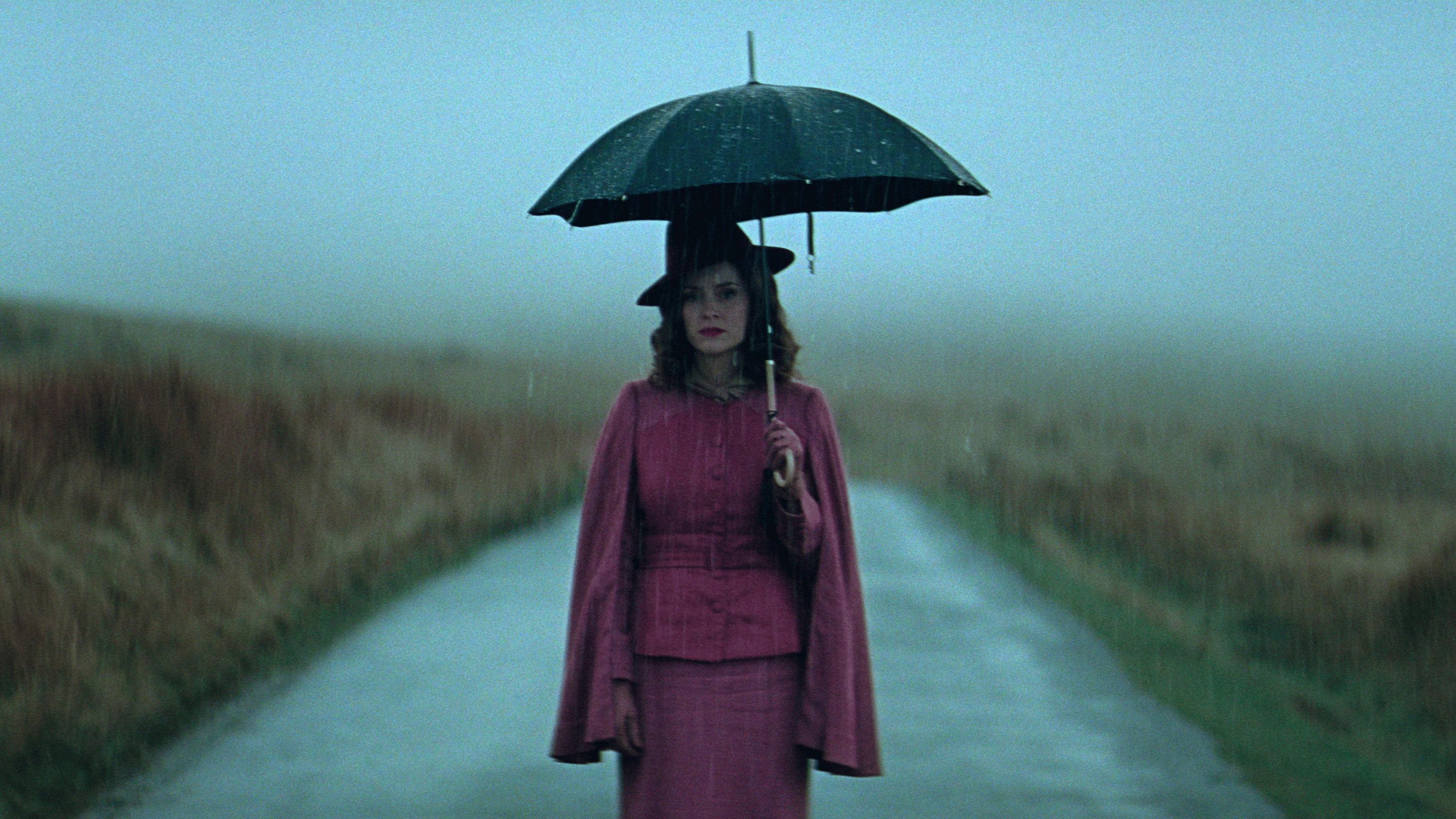
Two bleakly beautiful national parks, the Lake District and the Peak District, served as the countryside Tommy travels through en route to his old life. ‘The barren landscape couldn't be more opposite to the Peaky world,’ says Abraham. ‘They were really important to Tommy’s psycho-geography,’ she adds. ‘An expression of his despair, a place where ghosts can appear.’
The sparse Lake District landscapes also hosted a caravan-burning farewell to one of the movie’s characters. ‘We had to airdrop the vardo in,’ remembers Abraham, ‘because it was not accessible by road. We let it burn down completely and then the fire brigade put it out.’
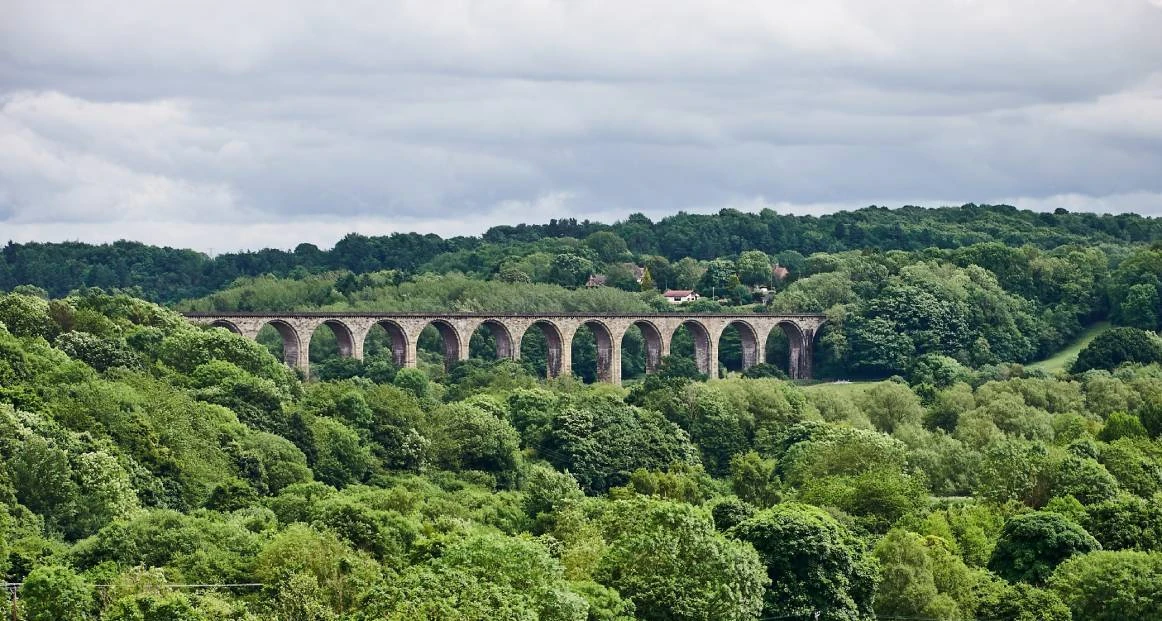
As Tommy, Hayden and the gang steam towards Liverpool on canal boats, they cross this spectacular aqueduct in north Wales’s Dee Valley. If you’re bold enough, you can hire a canoe and paddle across it. The River Dee flows 126 feet below.
📍 Here’s how to canoe across Pontcysyllte Aqueduct.
A climactic scene set in the Liverpool docks was actually filmed across the country near Hull. It’s not a spoiler to say that Stephen Graham gets wet, although that moment was captured in the safer (and cleaner) surrounds of a Shepperton water tank.
It’s on Netflix worldwide now. Check out the trailer below.

The art of dressing Tommy Shelby in the Peaky Blinders movie.
The best films of 2026 (so far).
Discover Time Out original video