[category]
[title]
The Welsh government has announced a public inquiry that will look into the pros and cons of the proposed Glyndŵr National Park


Wales could be getting it’s first new national park since 1957. On the face of it, a brand new officially designated and protected stretch of land might sound like a great thing. But not everyone is excited at the prospect.
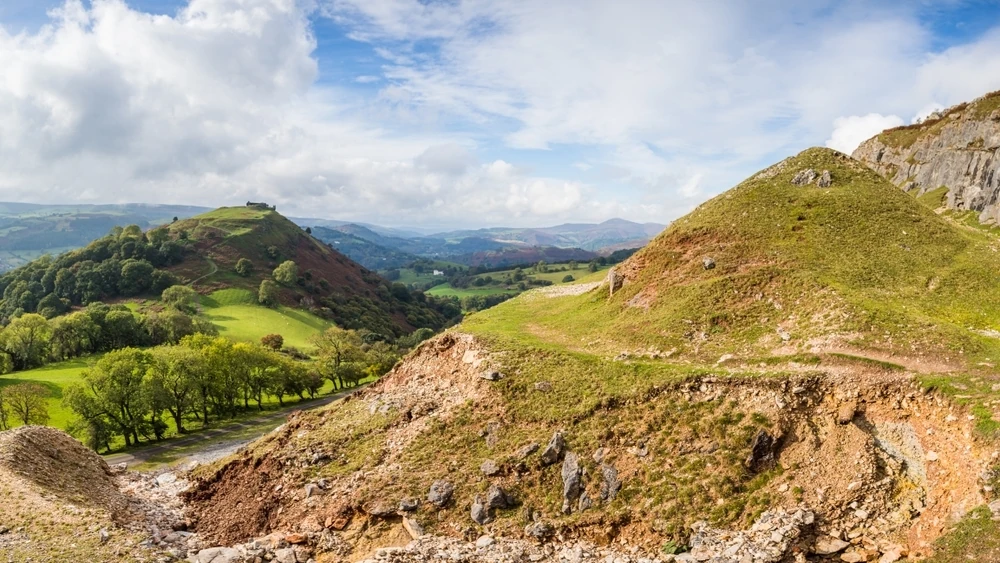
Glyndŵr National Park (pronounced glin-door), named after the last Welsh-born Prince of Wales Owain Glyndŵr, would be Wales’ fourth national park. If approved, it would stretch from the northeast of the country to the centre and encompass the existing Clwydian Range and Dee Valley Area of Outstanding Natural Beauty – an already protected landscape.
Between 2022 and 2025, Natural Resources Wales went through the official process of checking whether the proposed area fit the criteria for a national park. Then in January this year, the organisation’s board voted to back the proposals. The next step is for a public inquiry to take place, in which planning inspector scrutinises the arguments for and against the park, then makes a recommendation to ministers.
Local opinion over whether the area should become an official national park is split down the middle. Of 1,678 responses to a public consultation back in 2024, 53 percent were in favour, 14 percent offered at least conditional support, 31 percent were opposed and 3 percent were undecided.
Supporters of the idea argue that a national park designation would result in more funding to help better manage tourist pressures, grants for farmers to manage the land sustainably, raise the profile of Welsh language and culture and better protect the landscape and its biodiversity.
However, the designation also means stricter rules around what can and can’t be built on the land. Councillors in Powys worry that it will scupper plans to develop land and infrastructure in the area. Several local authorities are also opposed to the plan because of concerns over funding levels, rising house prices, pressures on rural communities and restrictions on local businesses.
The Welsh government says that the existing national parks – Bannau Brycheiniog (Brecon Beacons), Eryri (Snowdonia) and the Pembrokeshire Coast – attract more then 12 million visitors each year and boost the Welsh economy by around £1bn.
ICYMI: Four UK destinations are in the top 50 most beautiful places in the world.
Plus: England’s most famous hike finally becomes an official National Trail this week.
Stay in the loop: sign up to our free Time Out UK newsletter for the latest UK news and the best stuff happening across the country.
Discover Time Out original video