[category]
[title]
A guide to the Forest Research Institute Malaysia (FRIM Kepong), the world’s largest man-made tropical rainforest with canopy walks, jungle trails and over 2,500 tree species


Malaysia is home to some of the most complex rainforest ecosystems on the planet. Stretching across the peninsula and Borneo, these landscapes are incredibly biodiverse – and remarkably ancient. In fact, parts of Malaysia’s rainforests are believed to be around 130 million years old, making them among the world's oldest tropical forests.
But here’s something many travellers don’t realise: one of the world’s largest man-made tropical rainforests sits just outside Kuala Lumpur. The Forest Research Institute Malaysia (FRIM Kepong) in Selangor was once land cleared for vegetable farming and tin mining before it was painstakingly restored over decades of reforestation. Today, the regenerated forest stands as a rare example of how degraded land can be brought back to life. It’s also now recognised as a UNESCO-listed heritage site.
FRIM Kepong, short for the Forest Research Institute Malaysia, is a research centre and eco-tourism destination in Kepong, Selangor, just outside Kuala Lumpur. The site spans 545 hectares, adjacent to the Bukit Lagong Forest Reserve, and is widely recognised as the largest and oldest man-made tropical forest in the world. In fact, its origin dates back to the 1920s.
The forest was created as part of an ambitious restoration effort following heavy degradation from tin mining. Scientists began replanting native tree species to rehabilitate the land, gradually transforming the former mining landscape into a thriving tropical rainforest.
Today, FRIM Selangor Forest Park stands as a global example of large-scale tropical forest restoration. The site has since been recognised as a UNESCO World Heritage Site and listed as part of Malaysia’s National Heritage.
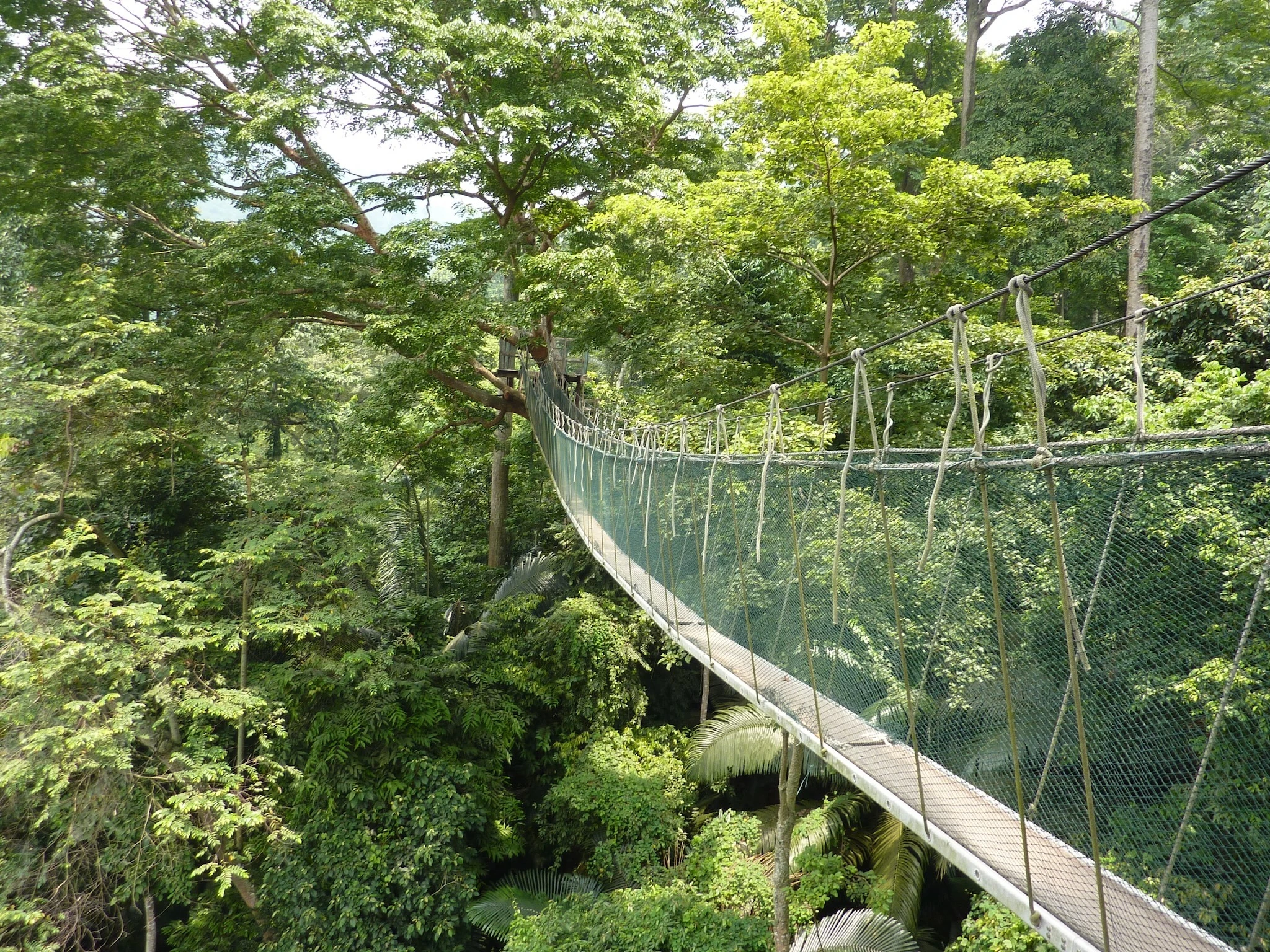
FRIM Kepong is essentially a giant playground for nature lovers. One of the biggest draws is the Forest Skywalk, a canopy walkway that sits about 141 metres above sea level, offering sweeping views across the surrounding rainforest. Back on the ground, visitors can wander through five different nature trails, cycle along mountain biking tracks that crisscross the park, or explore the site’s seven arboreta, home to more than 2,500 species of trees, including towering dipterocarps, bamboo groves and tropical fruit trees.
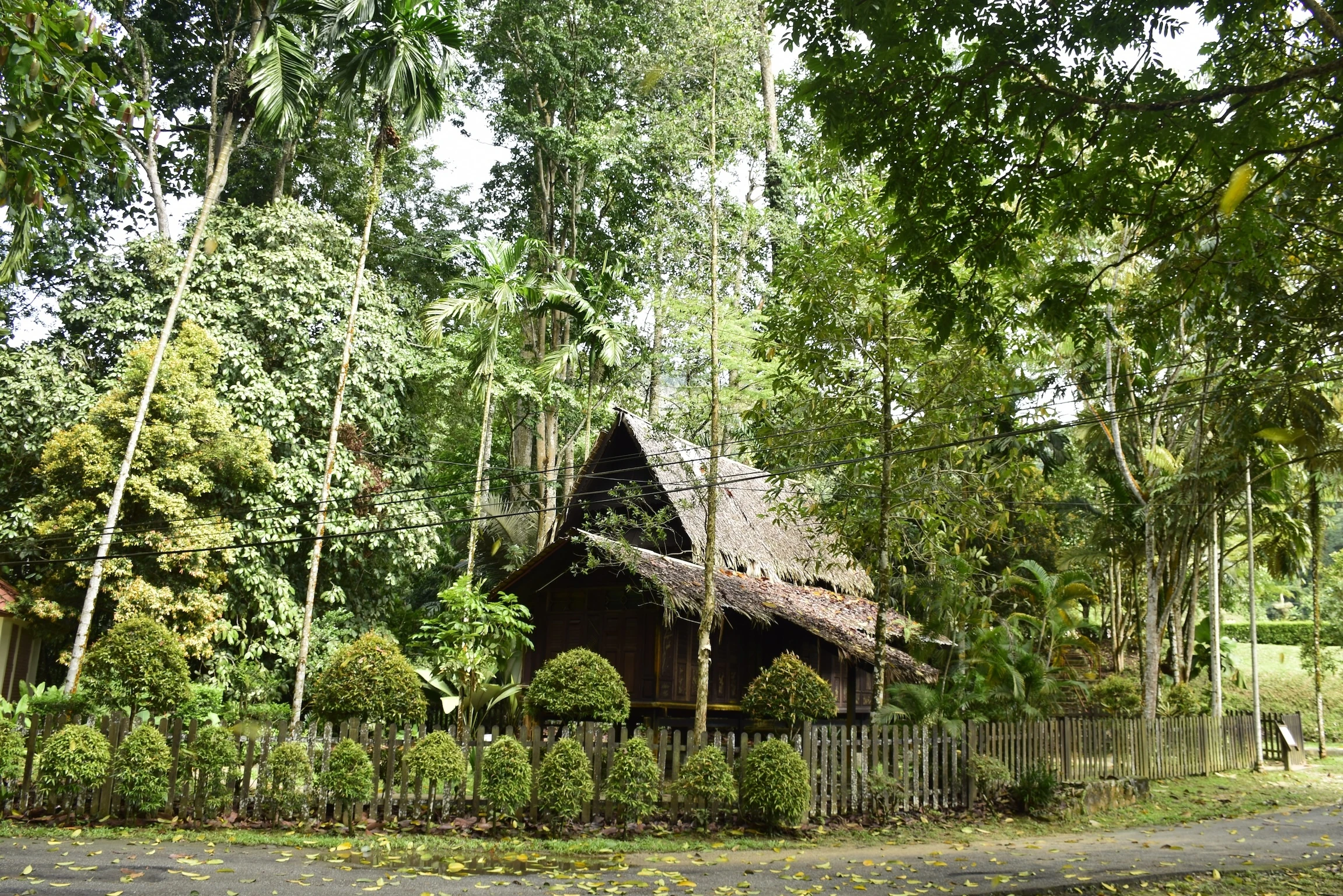
Besides trails, FRIM offers plenty more ways to explore the forest landscape. You’ll find ethnobotanical and herb gardens, a wetland area, and traditional Malay village houses that give a glimpse into local heritage. The park is also a hotspot for birdwatching, with around 182 of Malaysia’s 742 bird species recorded here.
If you’re planning to spend a full day, follow the jogging and cycling paths deeper into the reserve. They eventually lead to the Sungai Kroh waterfalls, where picnic spots, shelters and a small cafeteria make it an easy place to rest and soak up the jungle surroundings.
Entry to FRIM Kepong is surprisingly affordable, even for international visitors. Non-citizen adults pay RM5 per person, while children or students pay RM1 per entry. Malaysian citizens pay just RM1, and some groups–including students in school uniform and people with disabilities–can enter for free.
There are a few additional fees depending on how you visit. Cars entering the main campus or Kepong Botanical Gardens cost RM5 per entry, while motorbikes are RM3 and mountain bikes RM3 per bicycle. If you’re bringing a DSLR camera, there’s an RM5 fee. For deeper jungle exploration, guided trekking is mandatory and costs RM150 per group (up to 20 people), with night walks available at the same rate.
FRIM Kepong sits just outside Kuala Lumpur, making it an easy day trip from the city. Driving is the most straightforward option, with access via Jalan FRIM from Kepong Sentral or the DUKE Highway. Simply plug “FRIM Kepong” or “Kepong Botanic Gardens” into Waze or Google Maps and you’ll arrive in about 20 to 30 minutes from KL city centre. There’s parking available on-site.
If you’re relying on public transport, take the KTM Komuter from KL Sentral to Kepong Sentral Station, which takes around 20 to 30 minutes. From there, it’s a short 10-minute Grab or taxi ride to the entrance. Buses also run through Kepong, though they usually require a short walk or ride to reach the park gates.
FRIM is open daily from 6am to 7pm, including public holidays, though there’s a brief closure between 7.30am and 8.30am on weekdays. The Forest Skywalk operates from 8.30am to 4.30pm (with a midday closure on Fridays for prayers), while the Research Gallery and library follow shorter weekday opening hours.
Have you heard? Phones are no longer allowed in the wild in India’s major tiger reserves
Plus: These are the best cities in Asia in 2026, according to Time Out
Stay in the loop: sign up for our free Time Out Asia newsletter for the best travel inspiration straight to your inbox.
Discover Time Out original video