[category]
[title]
From Japan’s vast karst plateau to Malaysia’s prehistoric Lenggong Valley, UNESCO’s latest geopark additions put some of Asia’s most striking landscapes in the spotlight


Forget city breaks for a second. UNESCO has added 12 new sites to its Global Geoparks Network, and Asia has come out especially strong. The latest additions include new geoparks in China, Japan and Malaysia, highlighting everything from glacial mountain terrain and limestone cave systems to mangrove deltas and sites that preserve nearly 2 million years of human history.
If you are not already deep in UNESCO lore, a Global Geopark is not quite the same thing as a World Heritage Site. The designation recognises places with geological features of international significance, while also encouraging education, conservation and sustainable local development. These are places where extraordinary landscapes are meant to be protected, not loved to death.
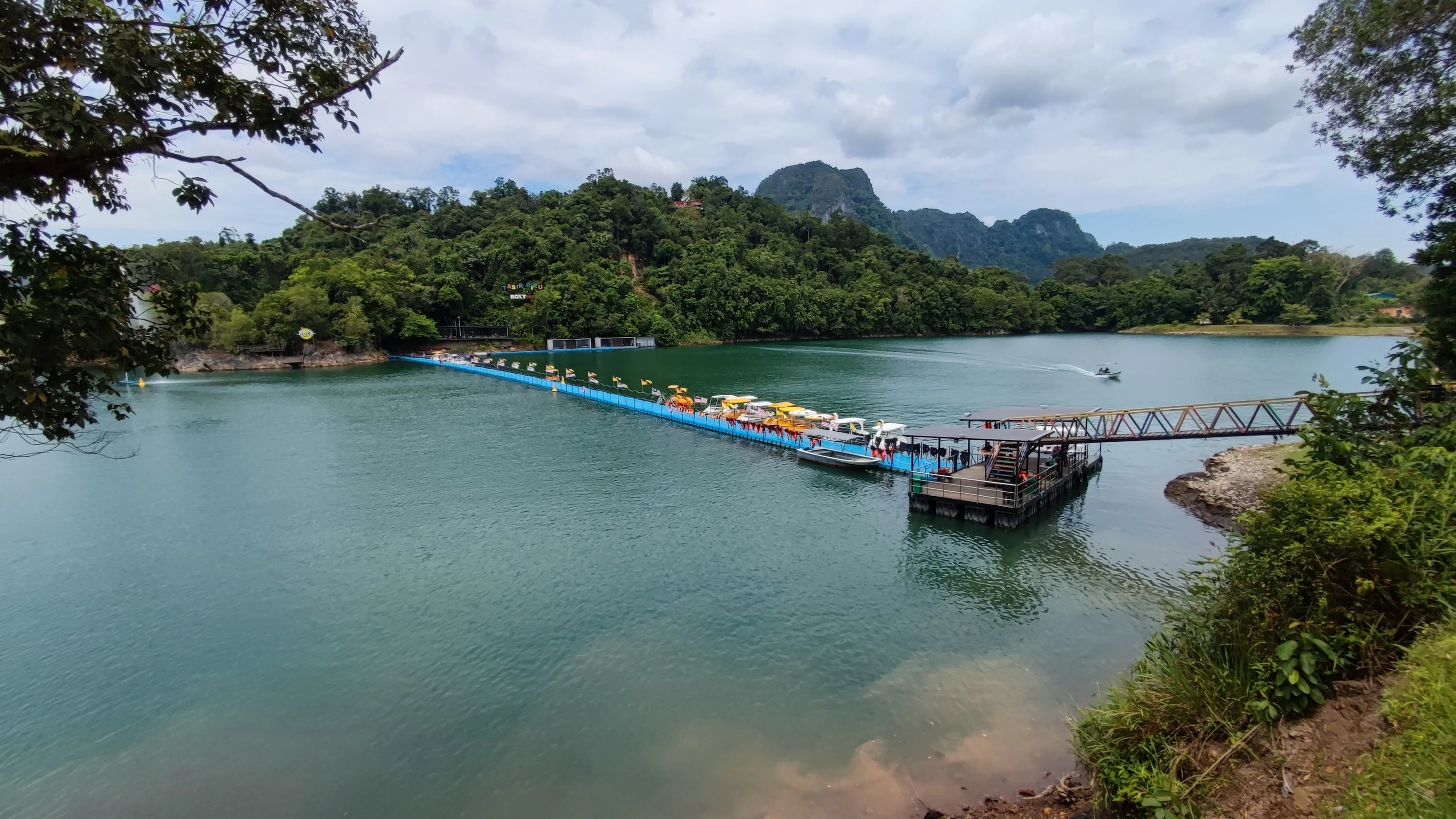
Among the standout Asian additions is Mine-Akiyoshidai Karst Plateau UNESCO Global Geopark in Japan, home to the country’s largest karst plateau and an extensive cave network. Over in Malaysia, two sites made the cut: Lenggong UNESCO Global Geopark, known for its major prehistoric and archaeological significance, and Sarawak Delta UNESCO Global Geopark, with its mix of mangrove ecosystems, caves and 28 distinct rock geosites. China also added two new entries: Changshan UNESCO Global Geopark, with its mountainous subtropical landscapes, and Mt. Siguniang UNESCO Global Geopark, known for its dramatic glacial landforms and distinct vertical climate zones.
Beyond Asia, the newly designated geoparks stretch across France, Greece, Ireland, Portugal, Russia, Tunisia and Uruguay. UNESCO says the 12 additions bring the network to 241 geoparks across 51 countries, covering more than 882,000 square kilometres worldwide.
Perhaps this is a useful reminder that some of the world’s most compelling travel experiences are not always in famous cities or over-photographed beaches – sometimes they are in a karst cave, a volcanic island, or a mangrove-lined delta.
1. Changshan, China
2. Mt. Siguniang, China
3. Terres d’Hérault, France
4. Nisyros, Greece
5. Joyce Country and Western Lakes, Ireland
6. Mine-Akiyoshidai Karst Plateau, Japan
7. Lenggong, Malaysia
8. Sarawak Delta, Malaysia
9. Algarvensis, Portugal
10. Toratau, Russia
11. Dahar, Tunisia
12. Manantiales Serranos, Uruguay
Read the full list here.
Have you heard? Bhutan may introduce a digital arrival card: what travellers need to know
Plus: One of the world's best surfers is hosting surf retreats on this magical Asian island
Stay in the loop: sign up for our free Time Out Asia newsletter for the best travel inspiration straight to your inbox.
Discover Time Out original video