[category]
[title]
The campaign is cheeky. The problem is anything but.


The Western Cape is beautiful. The mountains are dramatic. The coastline is showing off. And our wetlands, rivers and estuaries are working behind the scenes to keep our ecosystems going.
So, naturally, we should probably stop chucking rubbish into them.
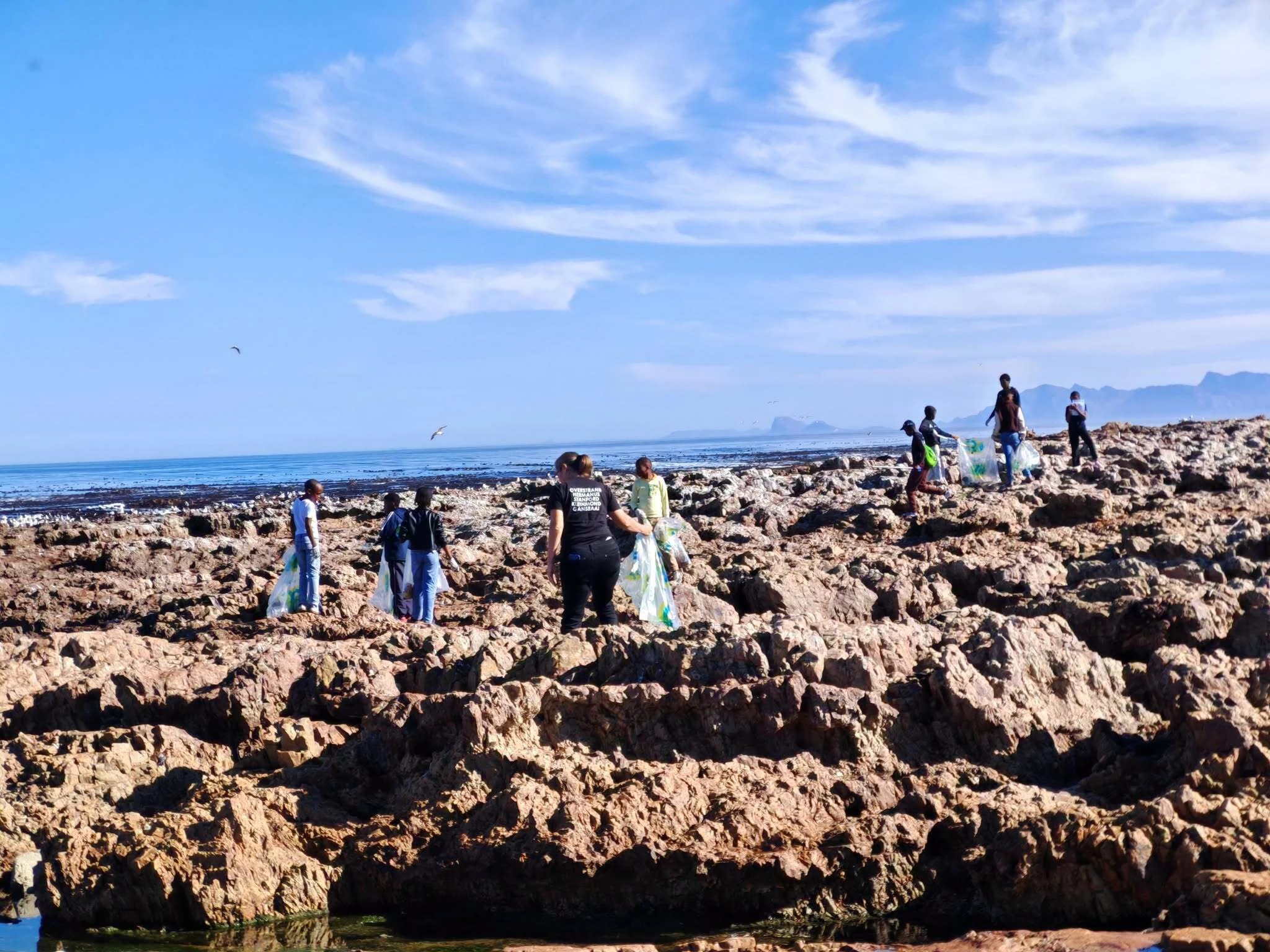
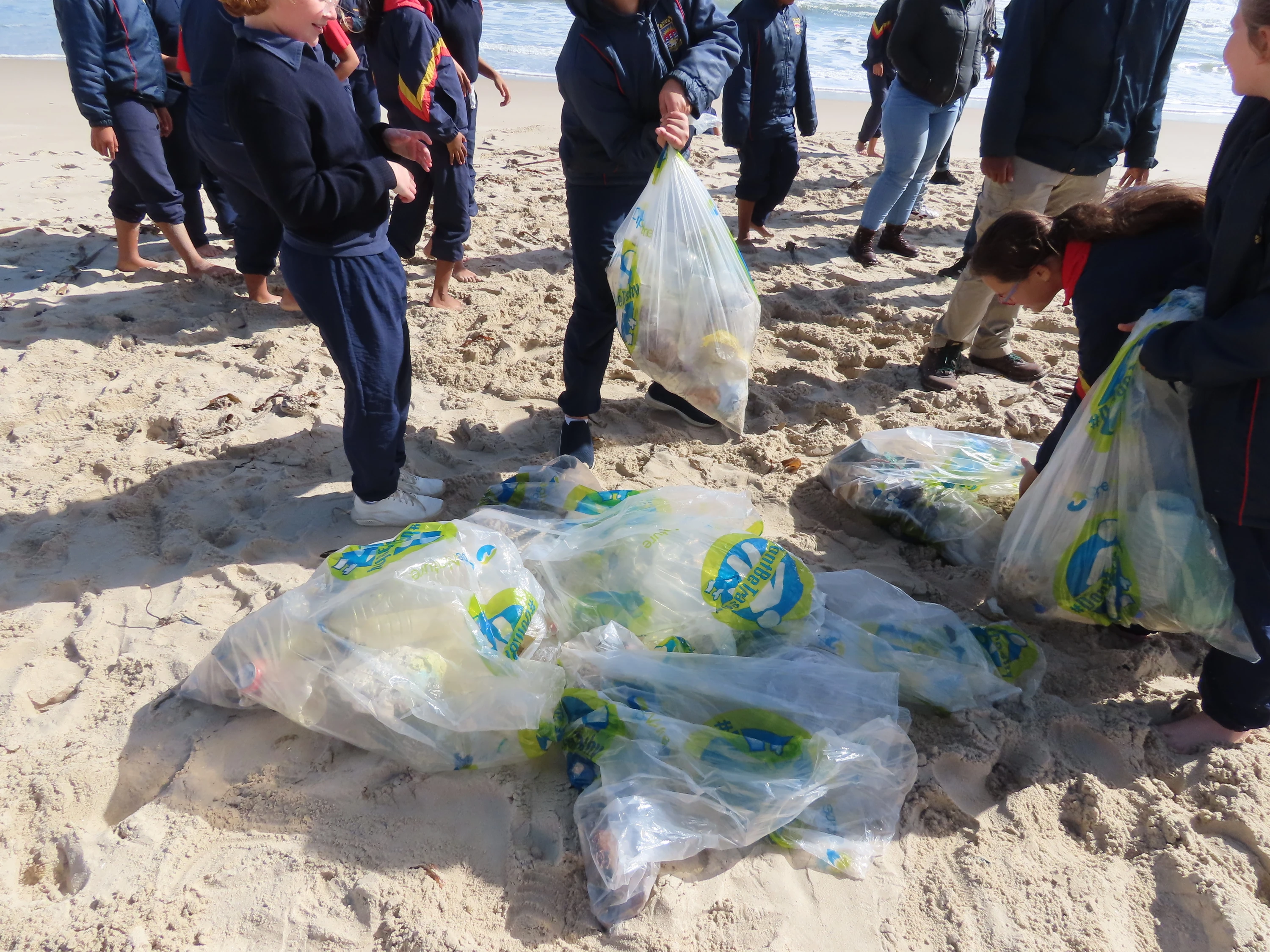
From Tuesday, 1 September to Wednesday, 30 September 2026, CapeNature and the Department of Environmental Affairs and Development Planning are calling on communities, schools, businesses and visitors to join the annual #DontBeTrashy Drive.
And yes, the hashtag is cheeky. The problem is anything but.
The month-long campaign tackles litter, illegal dumping, plastic pollution, wastewater contamination and discarded fishing gear. All of which can wreak havoc on the Western Cape’s natural spaces.
Because rubbish has a habit of travelling.
A wrapper dropped beside a road doesn’t necessarily stay there. Wind can carry it. Stormwater can sweep it away. Rivers can ferry it downstream. Eventually, that innocent-looking piece of trash can land in a wetland, estuary or the ocean, where it becomes someone else’s ecological headache.
Wildlife can ingest plastic or become tangled in waste. Habitats can be damaged. And as larger pieces of plastic break down, they contribute to the growing microplastic problem. Mother Nature is not a magical rubbish disposal service.
“The #DontBeTrashy Drive is about inspiring lasting behavioural change,” explained CapeNature CEO Dr Ashley Naidoo. “Every item of waste that is reduced, reused or recycled is one less item that can pollute our land and marine-based environment.
The campaign is also getting young people involved. Changing the waste story starts long before someone develops the questionable habit of throwing a takeaway container out of a car window.
Throughout September, CapeNature and its partners will roll out school outreach for Grade 3 and 4 learners, with the potential to expand to Grades 6 and 7.
There will also be Captain Fanplastic activities, revamped waste-education programmes and LoveNature waste-series videos.
For grown-ups, meanwhile, there will be public clean-ups, social media education, radio interviews and plenty of environmental awareness material. The public is being encouraged to cut down on single-use plastics, dispose of waste properly, keep rubbish out of stormwater drains, report illegal dumping, support community clean-ups and share environmental messages.
Because while clean-ups are important, prevention is the real flex.
Ruben Hazelzet, creative director of Soapbox South Africa, puts it: “We will never sweep our way out of the ocean plastic crisis.”
His point? Conservation has to start upstream, by helping young people understand waste before it reaches rivers and coastlines. That means education, better habits, and a little less “someone else will deal with it”.
The Western Cape’s natural environments connect biodiversity, communities, tourism, recreation and livelihoods. Keeping them healthy isn’t making the province look pretty. Admittedly, that’s a rather excellent side effect.
So this September, pick up the rubbish. Skip the unnecessary plastic. Teach a kid why it’s a big deal. Report the illegal dump.
Basically, Western Cape, be the person who leaves nature better than they found it. It’s really not that hard.
Sign up to Time Out Cape Town's free newsletter for expert recommendations on new things to do, see, eat and drink in the Mother City. You can also follow Time Out Cape Town on Facebook, Instagram and TikTok!
Discover Time Out original video