[category]
[title]
Welcome to the world of Gen Z and Gen Alpha slang, where every word is not as the English language intended.


This is a conversation between my daughter and me when I’m getting ready to go out:
Me: How does this look?
Her: You’re so cooked. It’s giving… Nanny McPhee
Me: Rude! (storms out)
For someone who shares the same roof with two under-21s, I know by now that wasn’t meant as a compliment. Translation: I look bad. Bag lady bad.
Other parents probably find themselves in the same boat. Having a conversation with your kid and not knowing a single thing they just said.
Welcome to the world of Gen Z and Gen Alpha (born 2010-2024) slang, where every word is not as the English language intended. Shakespeare would be rolling over in his grave, and not for good reason.
Yes, folks, the Queen’s English is being hijacked by tweens and teens who throw around words like “sigma” and “glazing” as if they rewrote the English dictionary. It was only a matter of time before an analysis of Google search data revealed the most-searched slang words.
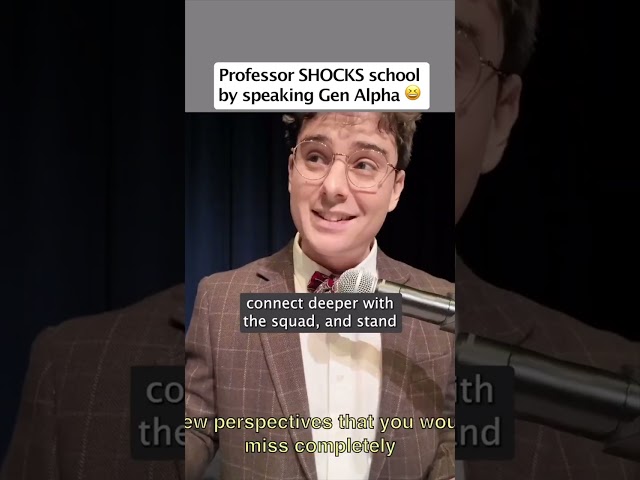
And guess what? South Africa got a go at it as well. Yes, “67” rated very high. According to Unscramble Words, it raked up about 131,600 searches. While there’s no literal meaning to “six seven,” it’s a perfect example of “brainrot.”
Unscramblerer.com used Google Trends to discover the top-trending slang terms and Ahrefs to find search volume. South Africa’s most popular slang terms were discovered in Google Trends with the keyword “meaning”.
The company analysed 01.01.2026 -25.08.2026 search data from Google Trends for terms related to slang words.
The Western Cape’s slang word was “aura.”
With 19,700 searches, “aura” refers to an individual’s cool factor, swagger or presence. “Aura points” are essentially coolness points that you can gain or lose by doing cool or cringe-worthy actions. “Aura farming” is a behaviour (often referencing anime characters) in which a person does something for the sake of looking cool.
The cool kids in the Cape use a unique hybrid of TikTok internet culture and traditional Kaapse (Cape Town) slang. The result is the creation of a highly localised “brainrot” dialect. Well, that’s what Reddit says.
A few examples:
@brownnclips Fanum Taxes Kevin!😭😭 #fanum #fanumtax #kaicenat #kevinhart #druski #fyp ♬ original sound - 🙌⭐️
“The most searched slang words of 2026 give insight into the cultural conversations happening in South Africa,” said Randoh Sallihall, a spokesperson for Unscramble Words.
“Using slang is a social signal. What people search for can tell us something about what they are trying to understand and participate in culturally.”
Highlighting research from the American Psychological Association, Sallihall noted that our language choices are our social signals of who we are, who we identify with and how we relate to other people.
Research by Alice Damirjian (postdoctoral, Department of Philosophy) also describes slang as a way of identifying group affiliation, distinguishing insiders from outsiders, and reinforcing social cohesion.
“Today, new slang terms can spread like wildfire around the world thanks to big online communities on social media like TikTok, Instagram, gaming chats, streaming and so on," Sallihall continues. "The popularity of trending slang words can change quickly, but the psychological need behind them stays the same. People want to understand one another and belong.”
There you have it, folks. We may not understand what our kids are saying, but at least they’re still… Speaking… English… Kinda.
Sign up to Time Out Cape Town's free newsletter for expert recommendations on new things to do, see, eat and drink in the Mother City. You can also follow Time Out Cape Town on Facebook, Instagram and TikTok!
Discover Time Out original video