[category]
[title]
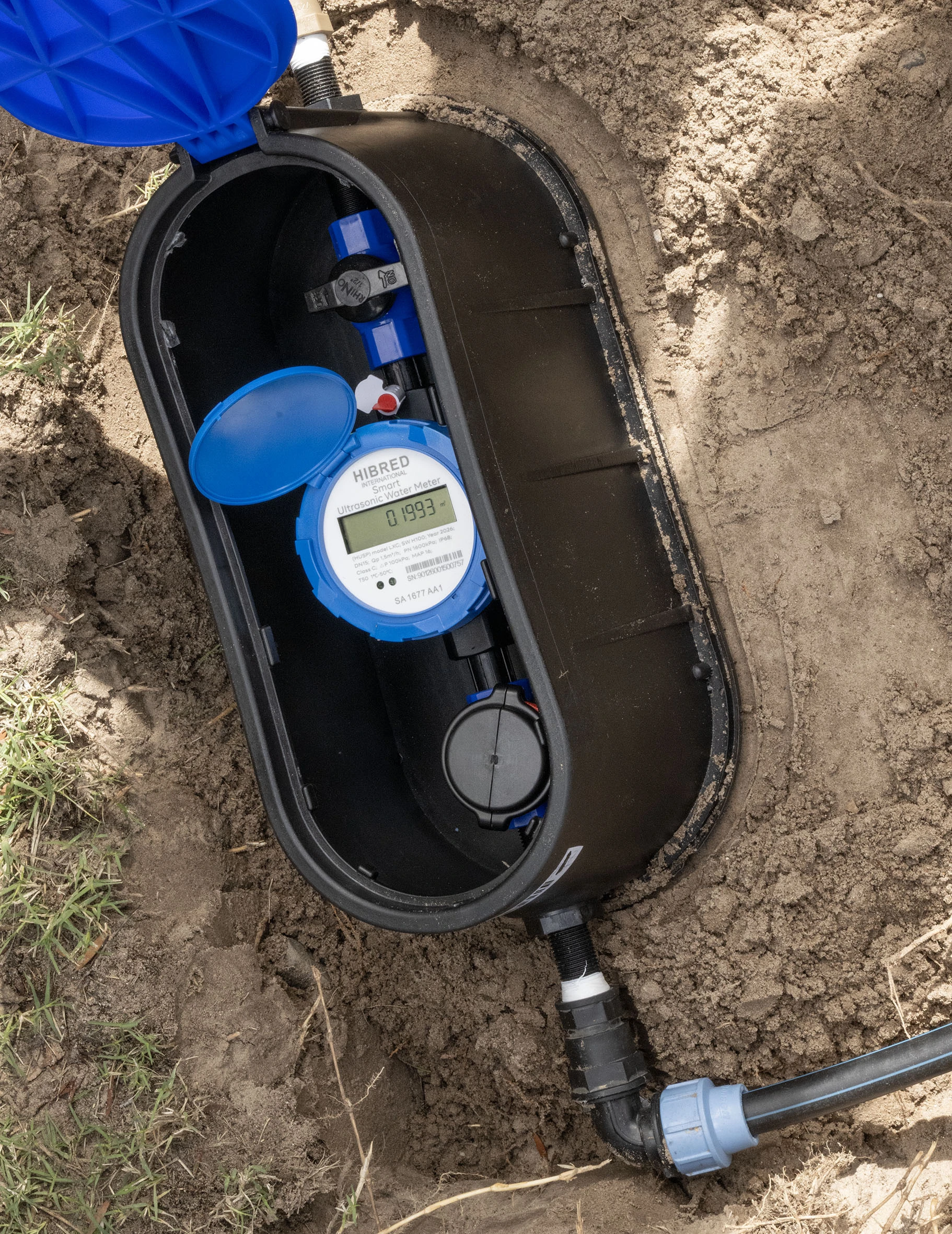
The new rates apply to fixed water and sanitation charges, which are based on the size of a property’s water meter.


Cape Town residents and civic groups have been up in arms this week following the municipality’s latest tariff proposals.
The new rates apply to fixed water and sanitation charges, which are based on the size of a property’s water meter. Many argue that while larger water meters may justify higher fixed charges as they deliver greater volumes of water, the same principle does not apply to sanitation services.
A totally reasonable argument. However, the City of Cape Town’s Mayoral Committee Member: Water and Sanitation, Dr Zahid Badroodien, explained the reasoning behind the new tariffs.
Taking to X, Badroodien gave a blow-by-blow account of how the CoCT breaks down the cost to residents.
The levy has two parts:
“Around 90% of the cost of providing water and sanitation is fixed,” noted Dr Badroodien. “These costs include maintaining reservoirs, pipelines, sewer networks, pump stations and wastewater treatment works that keep services running every day.”
To keep tariffs affordable, the CoCT currently recovers only 17% of these fixed costs through the fixed charge. The other 83% is recovered through usage charges.
That fixed sanitation charge you see on your rates account? That amount is linked to water meter size.
It’s an “established engineering approach that reflects the level of network capacity reserved for a property,” explained Dr Badroodien. “Residential sanitation charges also include a usage component based on 70% of measured water consumption.”
Basically, the approved tariff uses different meter sizes to reflect the level of network capacity reserved for each customer category.
And like other utility tariff structures, this approach provides a practical, fair, and efficient way to allocate a portion of the fixed costs of maintaining the network.
The City was forced to overhaul parts of its tariff structure following a court ruling. The Western Cape High Court found that the City’s fixed charges for water, sanitation and city-wide cleaning were unlawful.
The case was brought by the South African Property Owners’ Association (SAPOA) and AfriForum. They argued that the charges effectively functioned as a second property tax.
The court agreed and ordered the City to remove the charges by June 30. Instead of appealing the judgment, the City amended its draft budget and reopened it for public comment before adopting it.
And now we’re here.
Sign up to Time Out Cape Town's free newsletter for expert recommendations on new things to do, see, eat and drink in the Mother City. You can also follow Time Out Cape Town on Facebook, Instagram and TikTok!
Discover Time Out original video