[category]
[title]
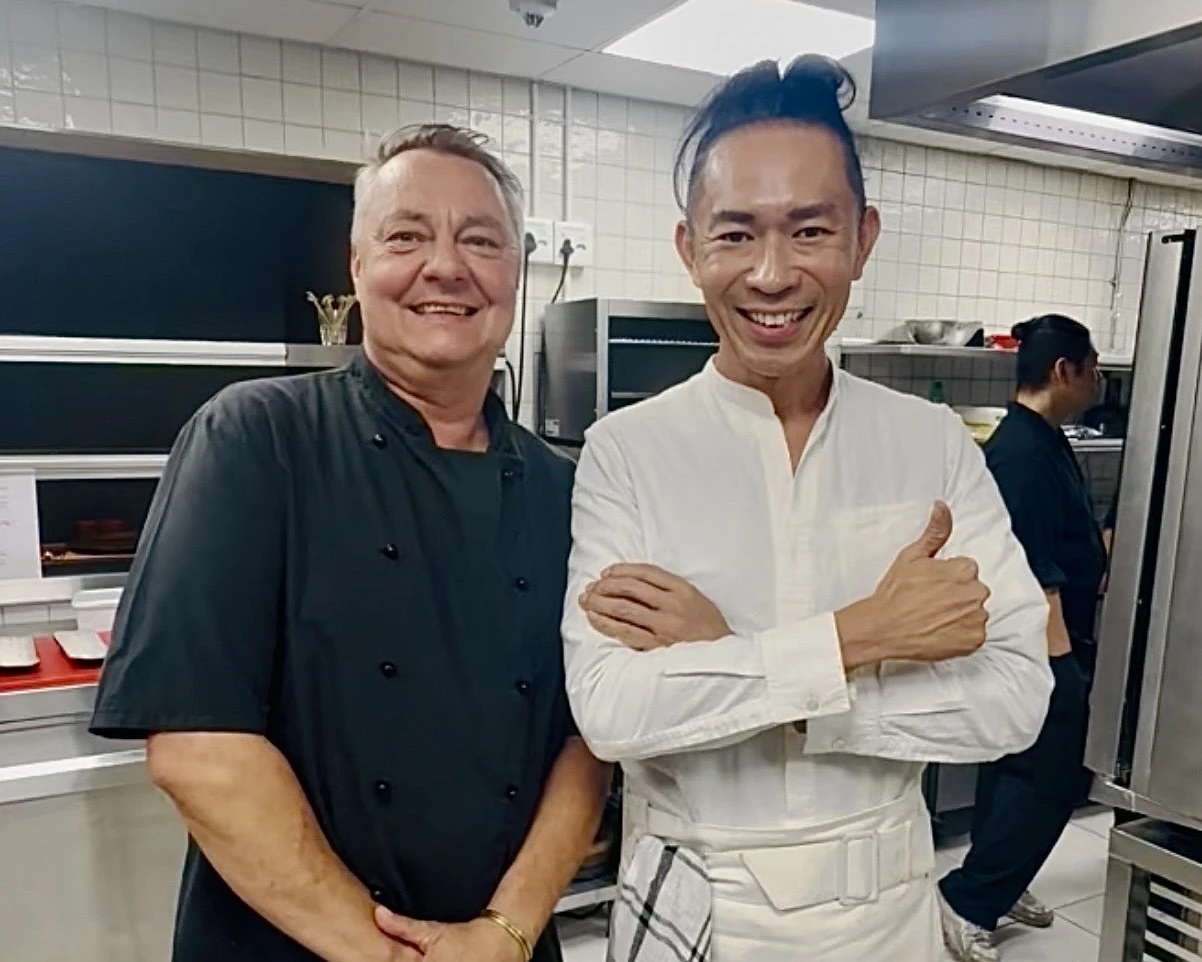
A collaboration with Chef Hayato Morita has set the table for East City Grill’s next chapter of experience-led dinners and curated sake tastings.


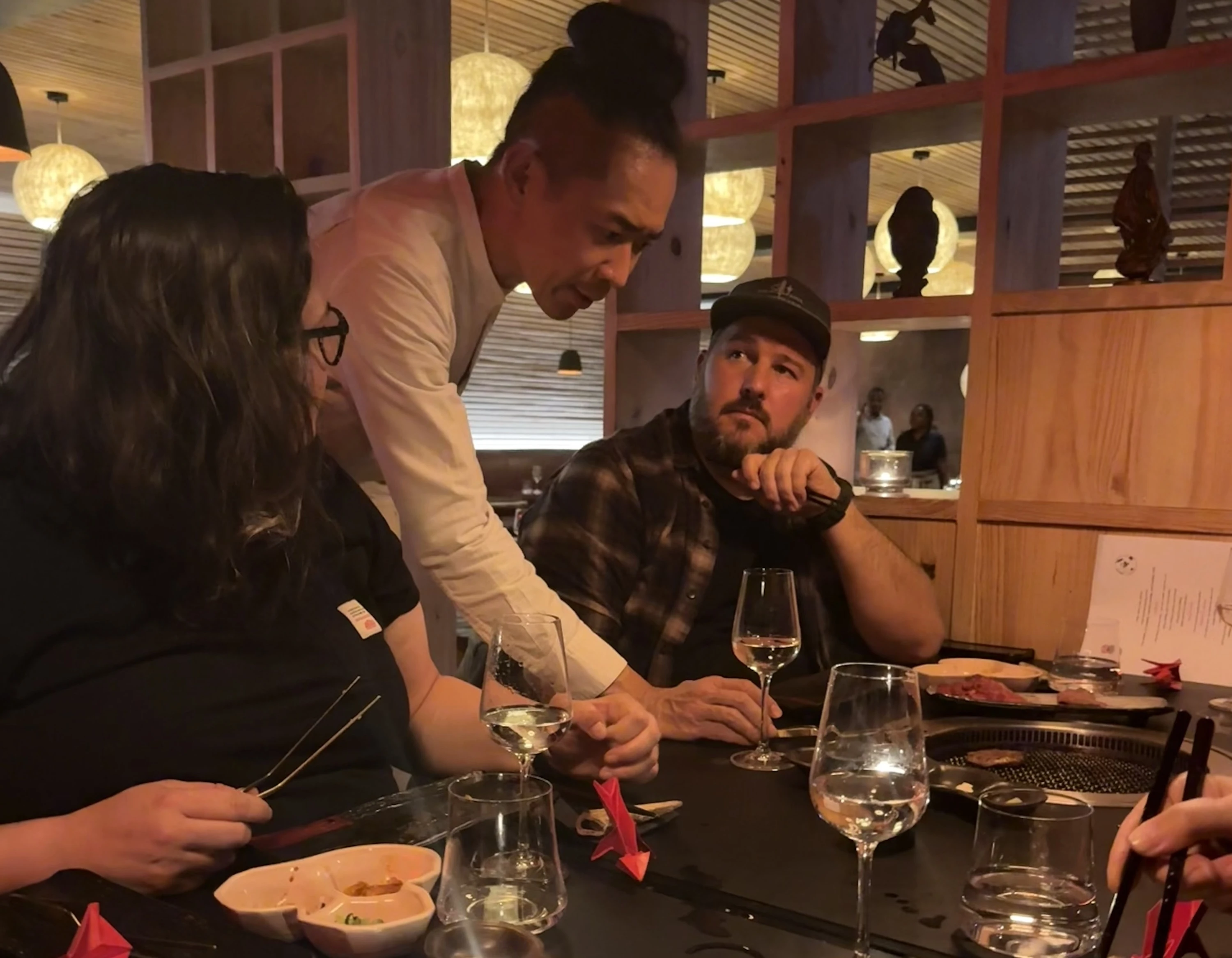
We're seated in the bespoke Yakiniku Room at East City Grill when Chef Hayato Morita brings his palms together in a resounding clap.
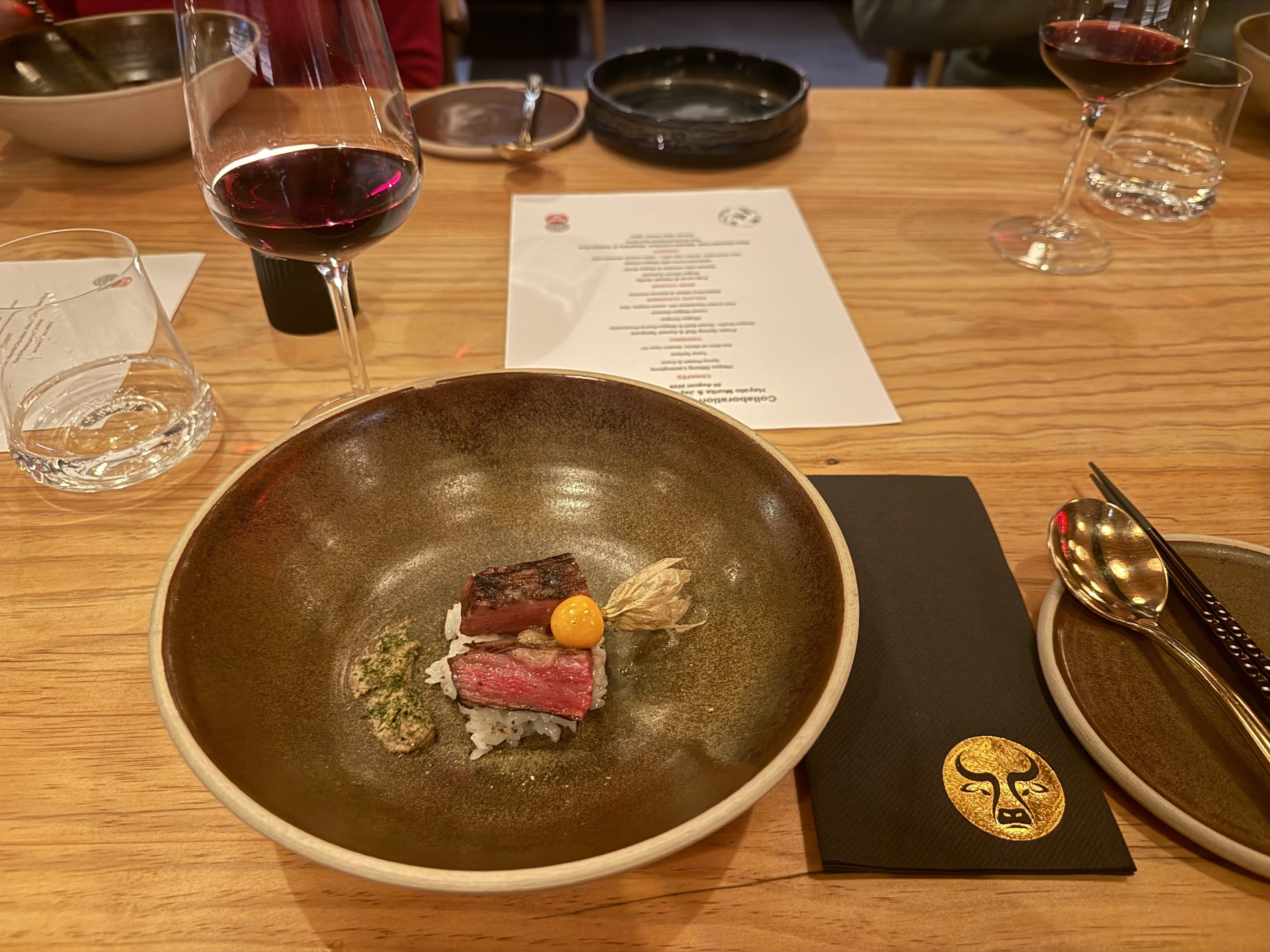
The clap came midway through a one-night-only dinner at East City Grill & Yakiniku, which has quickly become a favourite in Cape Town’s ever-evolving East City precinct. The sound briefly stills the room as the Japanese chef prepares Wagyu sushi with cuts of local Denver and tongue (not at all like the tongue popularised over Christmas lunch).
It would be easy to read the moment as theatre, particularly from a chef known for a secret Tokyo restaurant that uses projection mapping to turn dinner into a carefully choreographed occasion. But a later explanation details how the clap is an act of praise for the meat: an acknowledgement of the animal and the life given before the knife or flame touches it.
In Japan, where Buddhist-influenced restrictions helped shape centuries of complicated attitudes towards eating land animals, the gesture carries a deep resonance.
For Morita, it comes as a personal expression of gratitude and reveals something essential about the way he cooks: a serious respect for his Wagyu as an ingredient.
The invitation-only evening brought together chefs, restaurant-industry guests, and media for a collaboration between Morita and East City Grill's executive chef, Jaycee Ferreira. Morita arrived with ingredients selected in Japan, including premium Japanese Wagyu and sake. Ferreira and his team answered with South African Wagyu, local produce and the restaurant’s instinctive command of fire.
The evening began with cocktails combining vodka with a sake fermented for 28 days. Wagyu biltong lamingtons offered a playful South African opening, followed by spicy prawn and corn, and tuna tartare, served with Awa Blanc de Blancs from the Western Cape, non-vintage.
We then moved through the deep red velvet entrance into the Yakiniku Room. Seated alongside Belly of the Beast chefs Neil Swart and Anouchka Horn, it was quite a treat to watch two fire-led food cultures meet at this level. We were all slightly perplexed at how far to grill the tongue but medium is best, according to Morita.
READ: Restaurant Review: Buri
For the uninitiated, yakiniku is Japanese tabletop barbecue: yaki means ‘to grill’ and niku means ‘meat’. Thin slices of meat are cooked over the heat at the table, then eaten with tare dipping sauce, rice, pickles, kimchi or crisp lettuce. It is interactive and communal, turning dinner into something guests make together, but in this rather swish setting.
East City Grill’s dedicated yakiniku dining room takes the concept seriously. Its downward-extracting grill tables, imported from Japan, are said to be the first of their kind in South Africa.
Whether it’s a braai in the Karoo or a yakiniku table in Tokyo, the language of flame is universal, according to Ferreira.
For Morita, it's also part of a philosophy that asks diners to consider the animal, the farmer and the environment behind every cut - having co-developed his Moritanaka beef with Tanaka Chiksuan in Kumamoto to create a distinctive Japanese beef brand.
We were served a generous run of main courses: fuki-no-tō and hozuki risotto, Wagyu sirloin sukiyaki (a firm favourite for me personally), ramen in a chicken-and-Wagyu broth, and Japanese curry enriched with Wagyu cheek (Durbanites would be questioning the spice profiles of this one for sure).
Dessert brought black sesame cake with matcha crémeux, raspberry and toasted rice, followed by yuzu and marshmallow bonbons and a pour of Romantic Yahiko Umeshu from Niigata.
The dishes were paired with Shiro Chenin Blanc from the Western Cape and Shinku Cinsault from the Swartland, both 2025 vintages.
For East City Grill operator and sommelier Marc Botes, the focus on sake is part of a much larger shift now taking place in South Africa.
Previously, standard sake bottles - commonly sold in 720ml and 1.8-litre bottles - created a practical import barrier because they do not fit neatly within the container capacities set out in South Africa’s regulations.
As of February of this year, a temporary concession for sake, means sake is no longer subject to container-capacity restrictions, while restaurants and bars may serve it in units of 25ml or multiples thereof.
"That should mean we begin seeing a much wider selection of fresh, high-quality sake entering South Africa," says Botes. "We’re looking forward to showcasing as much of it as possible here at East City Grill & Yakiniku.’
READ: Mother Sippy: Jennifer Huge'
Morita's entry into the culinary world is a fascinating one, rooted in making an impact from the specialised beef he serves to where he opens his restaurants. Born in Osaka, Morita trained as an architect, worked as a Tokyo civil servant and boxed professionally before entering the restaurant industry at 31.
He opened the tiny standing yakiniku restaurant Rokkakai in 2009; his group now spans seven Tokyo venues, including members-only CROSSOM MORITA, with its reported seven-year waiting list. A 2020 Cooking Masters bronze recipient and Sake Samurai, Morita brought the precision, storytelling and ingredient-led philosophy behind those restaurants to Cape Town.
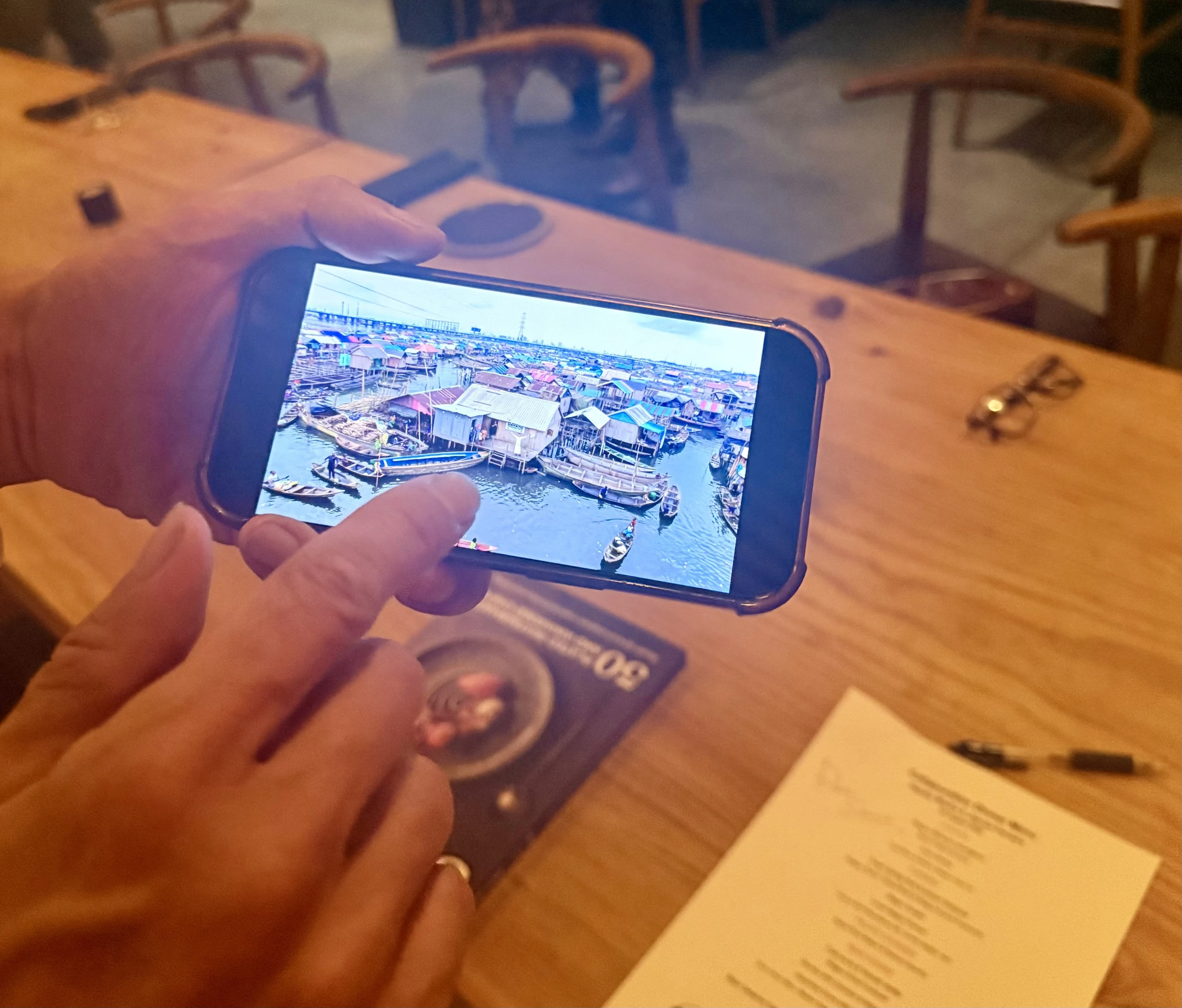
And Cape Town is only one stop in Morita’s journey. He is travelling on to what he describes as his restaurant in Lagos to continue a food project far removed from Tokyo’s members-only dining rooms. Since 2023, Morita has made repeated visits to Makoko, the vast informal waterfront community built on stilts across the Lagos Lagoon.
This long-established community faces severe infrastructure shortages and limited access to formal employment.
Morita sees his project using food as a route towards opportunity. It has included community restaurant operations, cookery training and plans for solar-powered mobile kitchens that can provide food while creating work for local residents. His ambition is to help establish cooking as a viable profession. The intention is not simply to offer a brief escape from hardship, but to share practical skills, create livelihoods and give Makoko’s children another way to imagine – and begin building – their future.
The contrast between a Tokyo restaurant with a seven-year waiting list and a cooking programme in Makoko could hardly be greater.
Yet the thread connecting them is the same one Morita brought to Cape Town: food as an act of respect and a means of creating an unexpected, yet positive impact.
Sign up to Time Out Cape Town's free newsletter for expert recommendations on new things to do, see, eat and drink in the Mother City. You can also follow Time Out Cape Town on Facebook, Instagram and TikTok!
Discover Time Out original video