[category]
[title]
Gary van Wyk didn’t go into the forest to take photographs, sell prints and make money. The proceeds go directly into conserving Brazil’s Amazon.


When Gary van Wyk travelled deep into Brazil’s Amazon in 2018, he wasn’t quite prepared for what awaited him. A four-day boat journey. An isolated village. Insect bite. Twelve days immersed in a community whose traditions stretch back thousands of generations.
What happened beyond the lens would inadvertently shape his work.
The photographer was introduced to the Huni Kuin, an Indigenous community in Brazil’s Amazon, by a mutual friend. Tanya Mukani had connected with the community’s spiritual leaders, known as pajés. After photographing two of them during their first visit to South Africa, Gary was told something that would change his life.
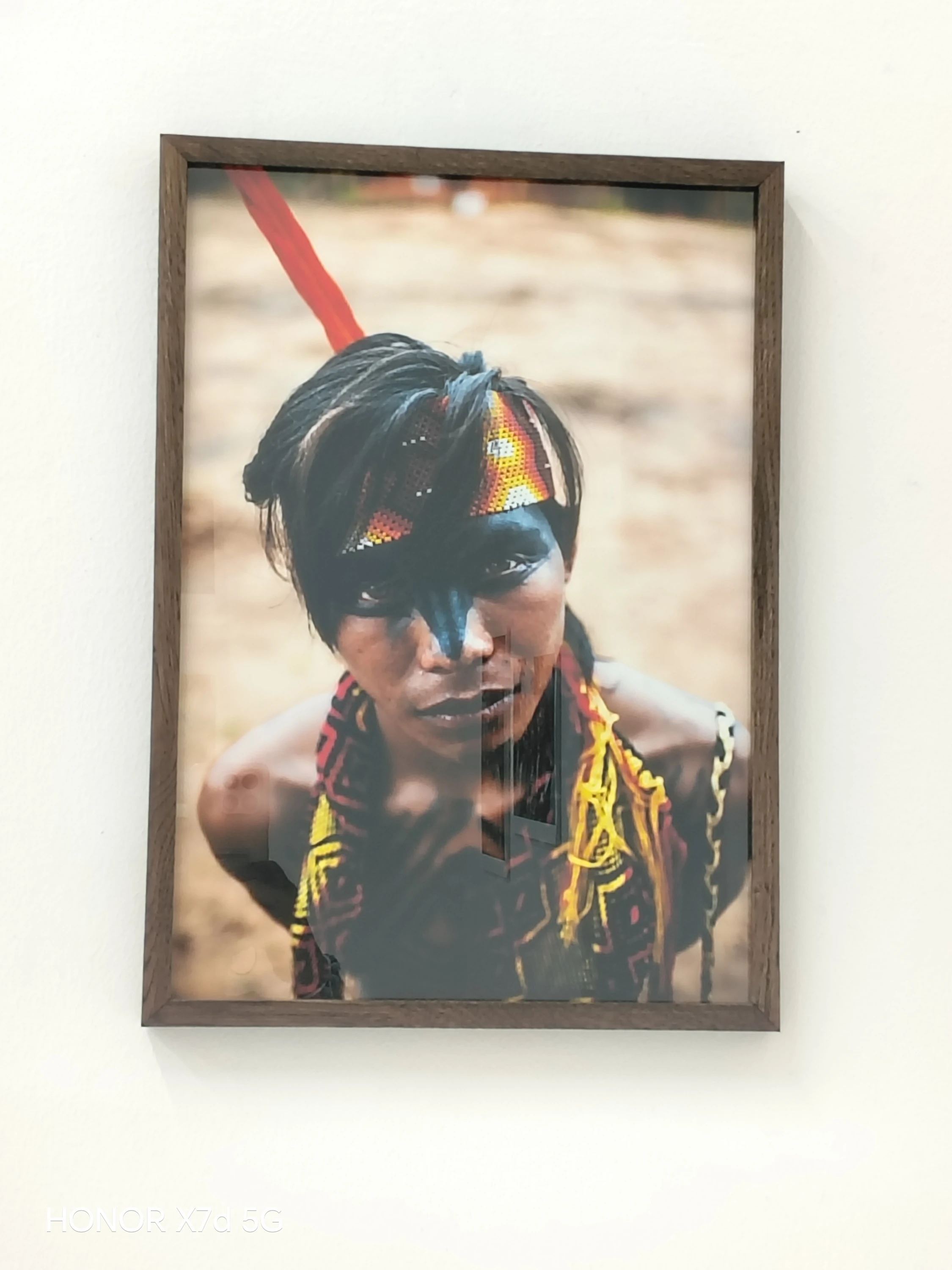
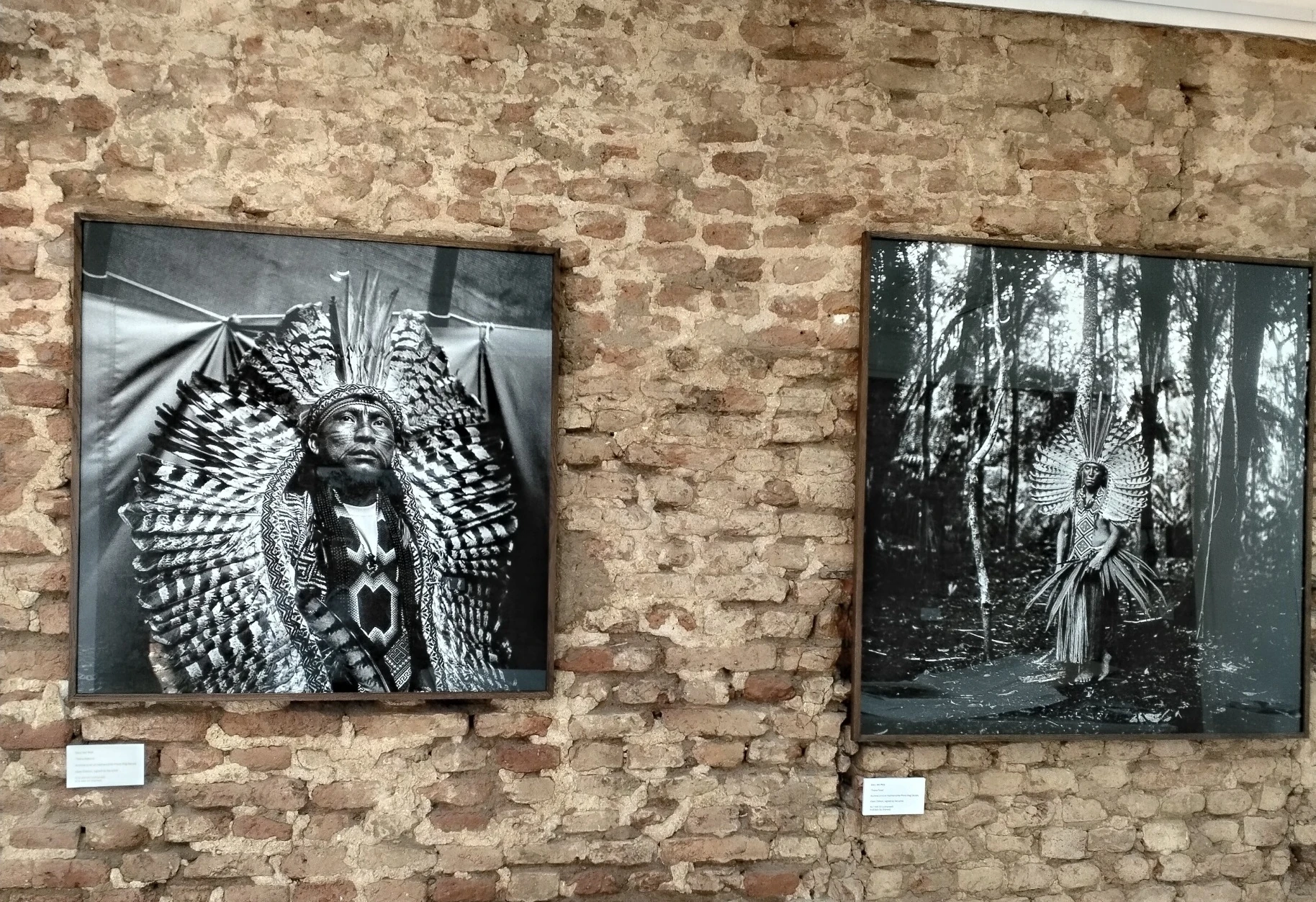
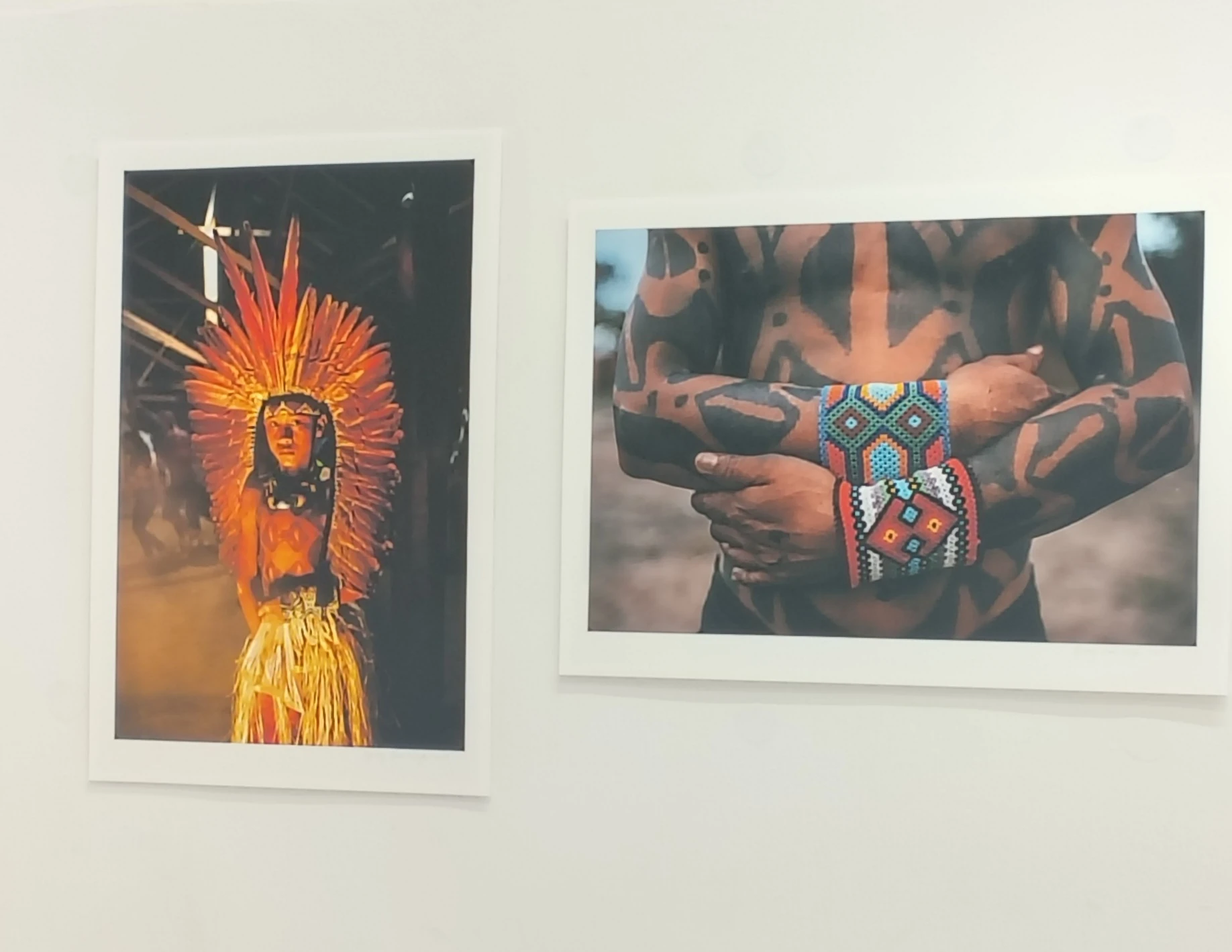
“They said to me, ‘Well, you’re part of the journey now,’” he says, modestly. We’re at the Ultraviolet Gallery in Shortmarket Street, surrounded by his prints. Titled Novo Futuro: The Huni Kuin of the Amazon, the bright, visceral colours of his photographs stand out against the gallery’s white walls.
View this post on Instagram
An invitation to photograph a festival in the forest eventually led him to the community’s village in Acre State, where he spent 12 days documenting its people, traditions and everyday life.
Nothing was staged. Nothing was manufactured for the camera.
He glances around the gallery with outstretched arms: “I describe the photographs as gifts from these people because they were so completely open.”
That openness is central to Novo Futuro, his first photographic exhibition, which offers an intimate glimpse into a community whose cultural identity, spiritual knowledge and way of life are deeply connected to the forest.
For Gary, the photographs carry a responsibility that exceeds the gallery walls.
The Huni Kuin face mounting threats, including deforestation and pressure from interests seeking to open up the Amazon to mining. Their fight to protect their ancestral land and cultural heritage has become an important part of his photographic journey.
When I ask whether he considers himself an activist, Gary is characteristically candid. “I didn’t set out to be an activist. These people are activists, and I can’t say that my work isn’t activism. So I suppose I must be.”
It is a distinction worth making. The Cape Town-born shooter isn’t positioning himself as the mouthpiece for the Huni Kuin. Comparatively, he sees his role as using his platform to help their voices, stories and struggles reach a wider audience.
Crucially, the financial benefits are not confined to the photographer. “I didn’t simply go into the forest, take photographs, sell prints and make money. Funds go back to the village,” he explains.
One photograph was auctioned to raise money for a specific community project, attracting an international buyer who paid $8,000 (almost R140,000). The proceeds went directly to the village.
His decision to make most of the exhibition’s prints open editions, rather than restricting them to expensive, limited runs, is another deliberate choice. “I made that decision because I wanted the work to be accessible.
Time Out tip: Gary's work has taken him to far-flung corners of the world, including Nepal, New York and the Caucasus.
“I didn’t want it to go only to a particular buyer who could afford expensive prints. This work is for everyone.”
He wants to create a sustainable relationship in which the community benefits from the continued circulation and appreciation of its images. And this isn’t a fleeting collaboration. He has worked with the Huni Kuin for almost a decade, staying in touch and travelling with them to Tanzania, where they met the Maasai for the first time.
He describes that encounter as a historical moment. “It felt like brothers meeting after a very long time apart. The same beads, the same traditions, just in different landscapes.”
That sense of connection also has a personal dimension.
Gary identifies with his own Khoi heritage and reflects on how much of his community’s ancestral identity has been lost over generations. “In many ways, we’ve lost our heritage. We no longer have the deep roots that these communities have managed to hold on to.”
His encounters with Indigenous communities across the globe have become something of a journey of self-discovery. “Perhaps I’m finding a piece of myself in all these people and cultures,” he muses.
His photographs reflect this instinctive approach. During his early career in newspaper photography, Gary developed the ability to enter unfamiliar environments, observe and connect without imposing on the people he photographs.
“Whether you’re photographing someone famous or someone from a remote community, everyone wants the same thing: connection and respect.”
Admittedly, his gallery work remains his greatest thrill, even if commercial photography pays the bills and supports his family. “This is definitely my best work. It’s my passion and my love.”
More info:
Sign up to Time Out Cape Town's free newsletter for expert recommendations on new things to do, see, eat and drink in the Mother City. You can also follow Time Out Cape Town on Facebook, Instagram and TikTok!
Discover Time Out original video