
[category]
[title]
In the name of conservation and innovation, PeeCycling recovered nutrients and water that would otherwise be flushed away.


If you were at the second Test of the Springboks versus the All Blacks at DHL Stadium on Saturday, 29 August, chances are your urine was collected. Don’t worry, it was all for conservation reasons: all 3,600 litres of it.
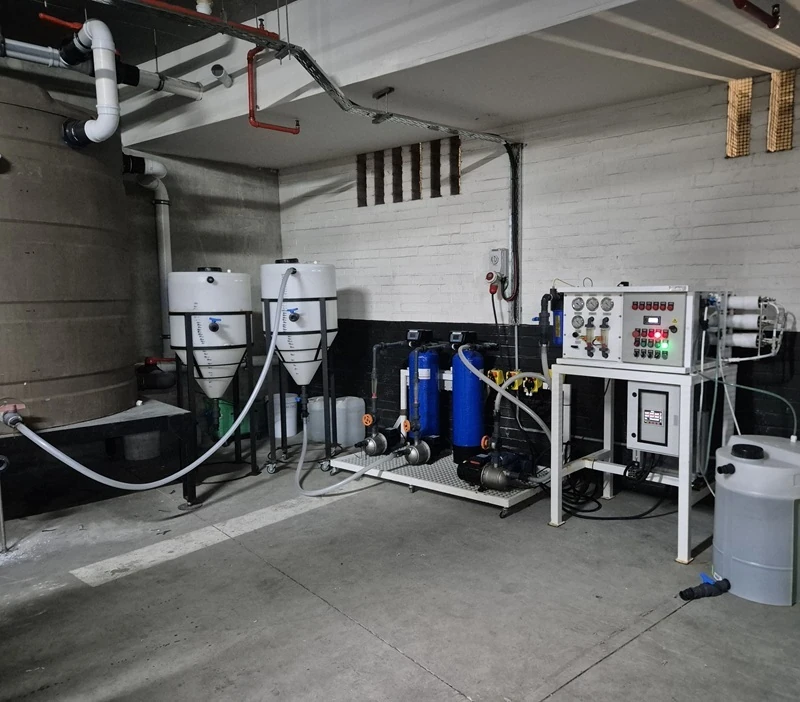
In the name of finding solutions to environmental and climate change, local think tank PeeCycling collaborated with Bidvest Prestige to collect urine from a single toilet and four urinal troughs. It then converted the waste on site into a liquid fertiliser, recovering both nutrients and water that would otherwise be flushed away.
While the project is in the experimental phase, PeeCycling’s Dyllon Randall is confident it could yield the company’s first commercial urine-to-fertiliser plant. Thus far, the results look promising. The judging panel was so impressed that PeeCycling was named the winner of the FNF GreenPitch Challenge 2026.
READ: Dam levels and water restrictions still a concern, despite stormy weather ahead
Hosted by GreenCape and a City-supported Special Purpose Vehicle (SPV), the GreenPitch Challenge was initiated in 2018. This year marks its expansion across the Global South.
“Its expansion into a continent-wide challenge reflects both the scale of the environmental challenges facing African economies and the opportunities these challenges create for innovation, enterprise development and investment,” says Alderman James Vos, the City’s Mayoral Committee Member for Economic Growth.
“That is what GreenPitch is about: turning challenges into solutions and solutions into economic opportunities.”
This year’s competition saw 18 finalists selected from more than 30 entries. PeeCycling was awarded the top prize for its technology that converts human urine into fertiliser and non-potable water.
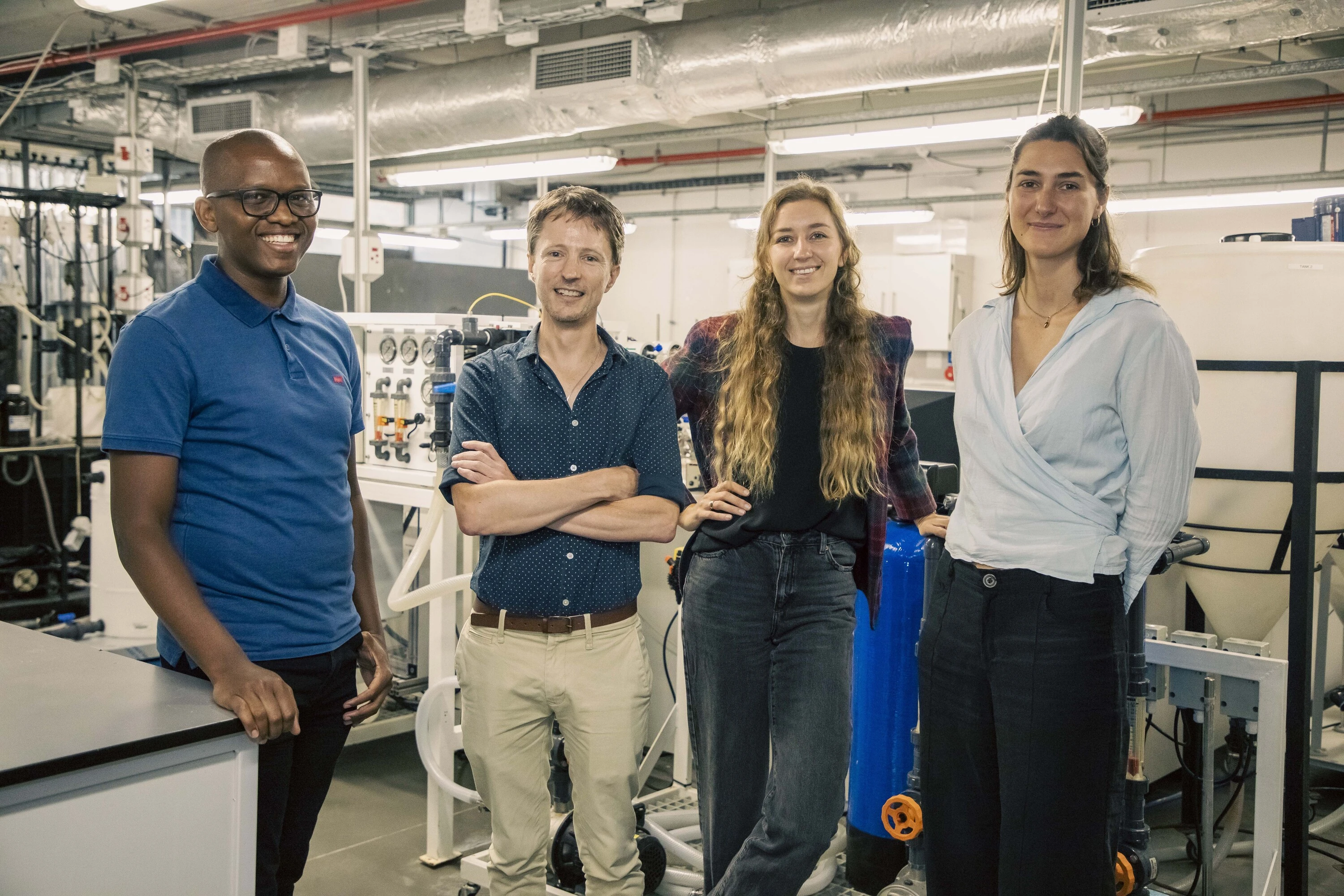
Founded by Dyllon Randall and Caitlin Courtney, the company developed the process through the Department of Civil Engineering and UCT’s Future Water Institute.
Excited about winning, Dyllon explained: “The FNF Afri GreenPitch gave us access to people and expertise we would not otherwise have had and pushed us to think harder about how we grow.”
GreenPitch also comes at a precarious time. The 2018 drought pushed the City closer to Day Zero. Dam levels were at critical lows, dropping to nearly 20%.
Had it dropped to 13.5%, residents would have to collect daily rations at emergency collection points. It’s giving dystopian time warp, ‘Tank Girl’ style.
That doesn’t mean Cape Town is out of the woods, far from it. This year, we’ve had a drier rainy season than usual, and water demand has risen.
The City’s drought-response framework predicts one key planning indicator: whether dam storage is forecast to be below 80% by November 1. No cause for panic, the immediate risk to the water supply was assessed as low. According to the Cape Town Dam Levels dashboard, the City’s combined dam levels are at 75.1%.
Councillor Zahid Badroodien, the Mayoral Committee Member for Water and Sanitation, added that the CoCT is “actively funding and investing R570 million” in its New Water Programme this financial year.
The action plan aims to build Cape Town’s resilient water supply through projects such as desalination, groundwater, reuse and clearing of water-thirsty alien invasive plants.
Initiatives like the GreenPitch Challenge will continue to highlight green innovations.
“For a green business, the hardest stretch is rarely the idea. It is the journey from first customer to first factory. That stretch is the pioneer gap, and the FNF Afri GreenPitch Challenge exists to close it,” noted GreenCape’s Green Finance Programme Manager, Lisa Johannson.
It’s how we discovered that banana stem waste can be converted into safe, biodegradable hair braiding fibre, thanks to the fine work of Mattie’s Success. The Botswana-based enterprise was runner-up and won the People’s Choice Award.
“This experience has given me the opportunity to share our vision while connecting with inspiring entrepreneurs and changemakers across Africa,” says founder Matlhogonolo Seadimo. “The People’s Choice Award is especially meaningful because it shows that our story and solution resonated with the people.”
We must also be prepared as the Western Cape faces risks related to the El Niño-Southern Oscillation (ENSO) and the upcoming summer season. The Mother City sits at the intersection of nurturing South Africa’s green economy and finding workable solutions.
Keep an eye on GreenCape's news page for details on the 2027 competition entry date.
Sign up to Time Out Cape Town's free newsletter for expert recommendations on new things to do, see, eat and drink in the Mother City. You can also follow Time Out Cape Town on Facebook, Instagram and TikTok!
Discover Time Out original video