[category]
[title]
The Mother City represents something slower. Stranger. And far harder to package: a “micro footprint” city.


For decades, Cape Town has made it onto wanderlust bucketlists… until now. It’s become more of an experience than a humble brag passport stamp.
According to Cape Town Tourism, international visitor spending reached a record R19-billion. That’s no small feat. High-value, international visitors stay an average of 9.5 nights and spend R1,390 per day.
Cape Town Tourism’s This is Cape Town campaign has done much to bolster the city as a place of extraordinary human connection, natural beauty, and world-class experiences.
And that is exactly what Saurabh Rai wants to emulate via the properties in Preferred Hotels & Resorts’ portfolio.
The hospitality company represents more than 650 independent hotels, resorts, and residences across 85 countries. It currently counts Erinvale Estate Hotel & Spa, President Hotel, and Last Word Constantia as its partners.
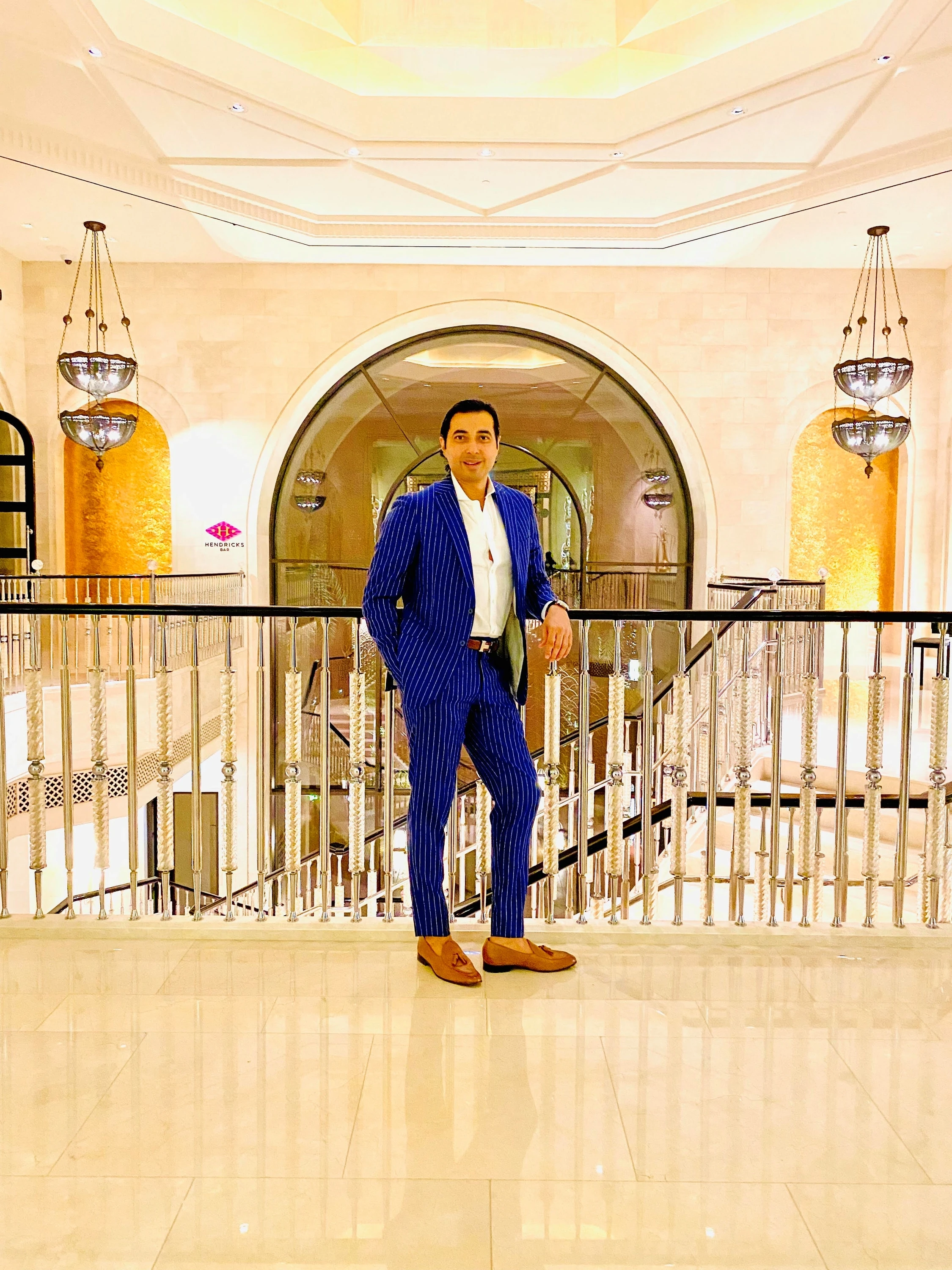
As EVP for South Asia, the Middle East, Africa, and Australasia, Saurabh has visited close to a hundred countries. He knows a highlight reel destination when he sees one. And he knows Cape Town isn’t it.
The Mother City represents something slower. Stranger. And far harder to package: a “micro footprint” city, where the win isn’t how much ground you cover but how deeply you sink into a single square metre of it.
Some cities are built for speed. Saurabh uses Bangkok as the classic example. Two efficient days. Five must-hit spots. A night market. One great bar, done. Beautiful, but built for a sprint.
The Mother City refuses to be a hurried side note. “Cape Town, firstly, is not one city. I mean, it’s got five cities in one,” Saurabh says. “And all five of them have a very independently exclusive genre of experience. Camps Bay hands you sweeping beaches and a completely different energy to the mountain-backed vineyards twenty minutes away.”
The clearest expression of the micro-footprint idea appears at the table.
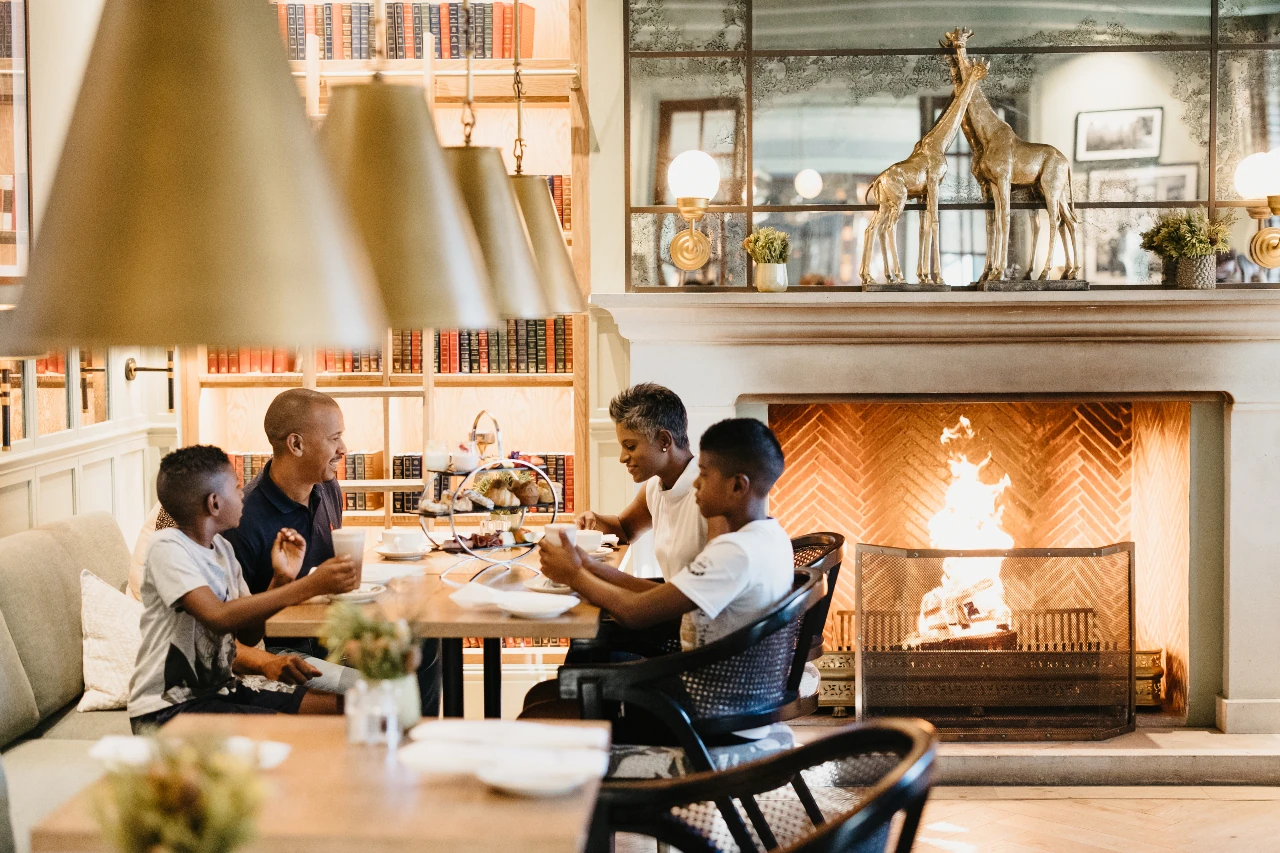
Saurabh keeps returning to the Spanish idea of sobremesa, the lingering conversation that happens after a meal is technically over. “This is the time when the family is at the table. The meal is over, and now it’s just about the conversation,” he explains. “You’re almost soaking in and letting the experience mingle on.”
It’s unhurried by design, and he sees it everywhere in Cape Town’s wine country. Take a lunch at an estate like Mont Rochelle, tucked against the Franschhoek mountains.
Saurabh’s advice: don’t bother going for less than four or five hours. Take in the view. Meet the people pouring the wine. Tour the cellar. Somewhere in there, the afternoon disappears.
Saurabh draws a line between what he calls templated luxury and artisanal luxury.
Templated luxury is easy to find and easy to market. The same amenity brand. The same room layout. The same experience whether you’re in Dubai or Doha. It works, and plenty of travellers want exactly that.
Independent hotels play a different game entirely. “It’s very tough for mass brands who are more about numbers and templated reproduction to be able to curate these experiences,” Saurabh says.
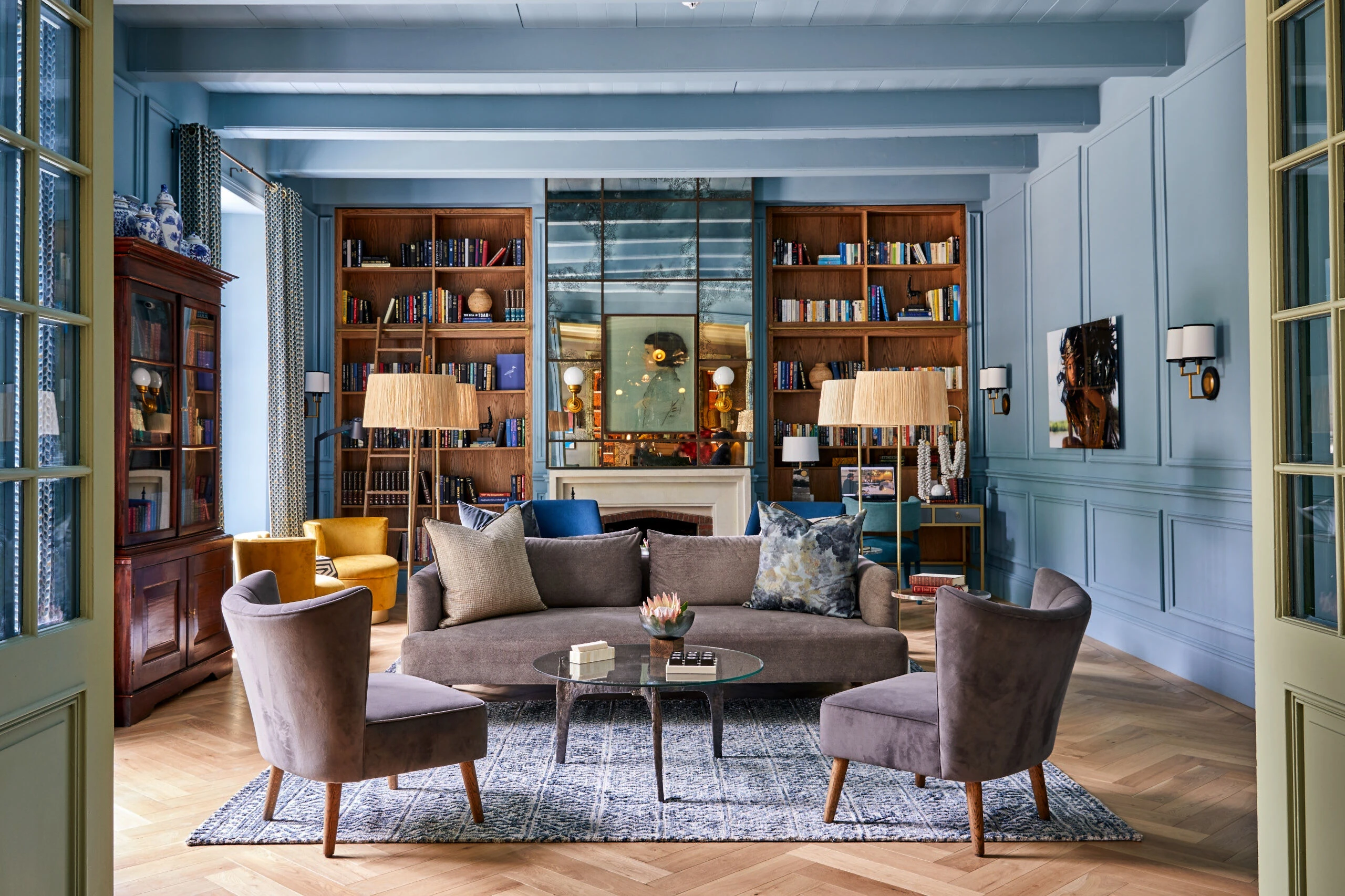
He describes Erinvale Estate Hotel & Spa, where every detail, from the art on the walls to the bath products in the rooms, traces back to the land and the family who owns the place.
At Erinvale, for example, the bath amenities are literally vine-derived, sourced from the same estate (Lourensford) producing the wine down the road.
Preferred’s own brand standards are built to protect this. They dictate the level of guest experience, not the specific decor. So no two hotels in the portfolio ever feel like siblings pretending to be twins.
That authenticity extends to the people delivering it. South Africa’s hospitality talent is some of the most genuine in the world. The kind of service where staff remember your family, your usual table, your last visit. He believes it’s a resource that can’t be manufactured or franchised. It has to be lived into.
The numbers back the theory. Saurabh points to a 73% jump in African portfolio revenue for Preferred, driven by expansion and strong existing-hotel performance, particularly in Cape Town.
Rerouted global travel, expanded air capacity, and a wave of Middle Eastern visitors escaping the northern hemisphere’s brutal summer have all converged on the city at once.
The infrastructure is here. The wine is here. The welcome is unmistakably here. What Cape Town is still figuring out is how to make the front door easier to walk through. Until then, the reward for whoever does find their way in is a city built for staying still, not for ticking boxes.
Check out Preferred Hotels' The Luxury Report here.
Sign up to Time Out Cape Town's free newsletter for expert recommendations on new things to do, see, eat and drink in the Mother City. You can also follow Time Out Cape Town on Facebook, Instagram and TikTok!
Discover Time Out original video