

[image]
[title]With the latest cold front bringing heavy rain, damaging winds and rough seas to the city, you might think that this week’s storm is one for the history books. And yes, while there are trees down across the city and widespread damage to homes and roads, it is certainly a week to stay off the mountain, avoid the seas and keep a hot water bottle at the ready.
But perhaps be especially glad that you weren’t standing on the shores of Table Bay on 15 May 1865.
Back then, Table Bay was not the protected working harbour we know today. The breakwater had only recently been started, the Alfred Basin was still years from completion, and ships arriving at the Cape often lay exposed at anchor in a bay that could turn violent when north-westerly gales came rolling in.
In the second week of May 1865, though, there was little sign of what was coming. A spell of warm, calm weather settled over Table Bay, and sailors in the bay were probably enjoying a pause before winter came rolling in. It was, literally, the calm before the storm.
On 15 May 1865, the barometer began to fall. The wind shifted to the north-west. By the following day, the sea had risen, anchors were dragging and captains were signalling frantically for help. One of the first casualties was the Stag, crewed by 14 local seamen, which was swamped while running out anchors and cables.
Then the storm hit.
For around 18 hours, the nor’wester tore into Table Bay. Ships were driven ashore, masts fell like trees cut down and wild waves broke over vessels stranded on the beach.
By the time the storm had passed, some 17 ships, 30 cutters and countless small boats had been stranded or wrecked along the shore. Around 60 lives were lost.
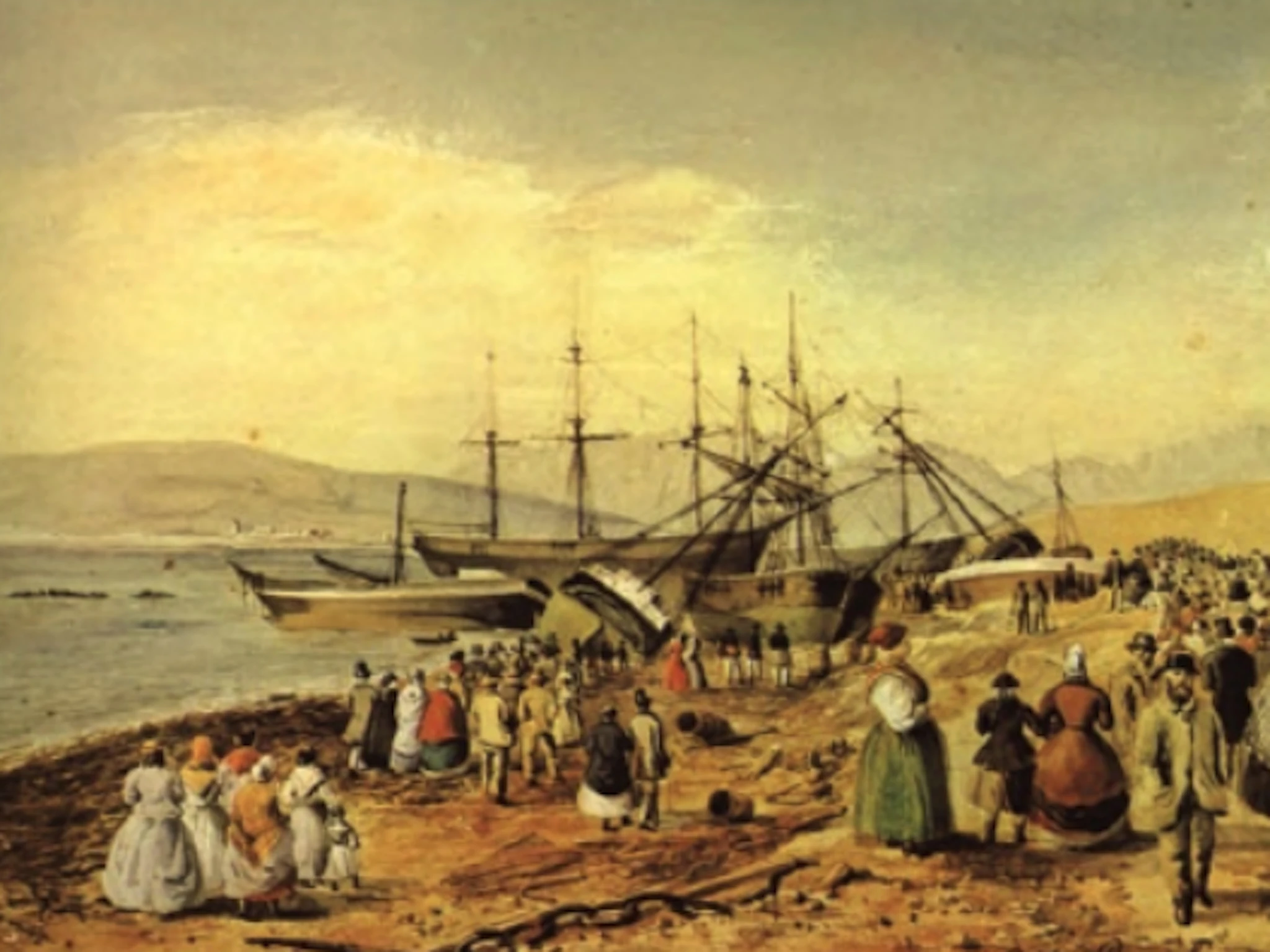
The Cape Argus later described the aftermath on the shoreline in haunting detail: "The beach beyond the Castle presented a mournful spectacle – waves breaking onto the stranded ships with foremast square sails set, perfectly upright on the beach... whilst those that had taken the beach broadside-on were continually drenched by seas washing over them and, having lost their masts and bowsprits, were helpless as logs of timber."
Among the last ships to go was the RMS Athens.
Built in Liverpool in 1856, the Athens was an iron single-screw steam barque of the Union Steamship Company, serving the Royal Mail route between Southampton and Cape Town.
Shortly before 6pm, Captain David Smith signalled that his last anchor had failed. While the engine tried to work up steam to sail for the open sea, hoping to ride out the storm beyond the bay, the ship was seen making little progress as she struggled to round Mouille Point in the gathering darkness.
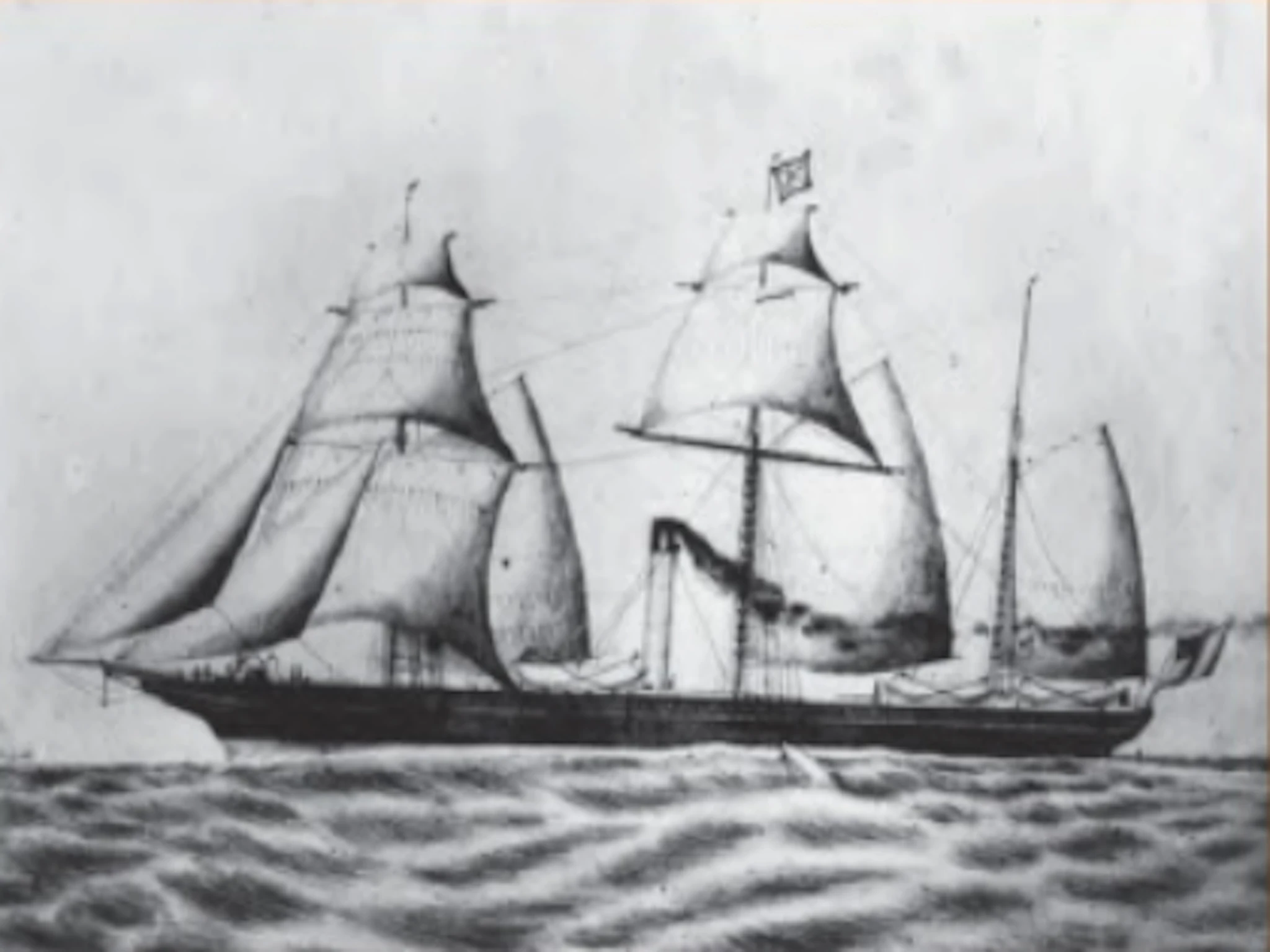
At about 8pm, a messenger reached Cape Town Police Station: a ship was on the rocks near Mouille Point lighthouse, and the men aboard could be heard calling for help.
Less than two hours later, the cries from the Athens fell silent. By morning, Captain Smith and all 29 crew members were gone. The lone survivor, so the story goes, was a pig that managed to swim ashore.
And yet, today, a piece of the RMS Athens can still be seen. Look out to sea from the far end of the Sea Point Promenade, closest to the V&A Waterfront, and you’ll still find part of the engine block and piston offshore.
It’s one of hundreds of wrecks that lie offshore of Cape Town. So, while the latest storm batters the Mother City – or perhaps we should be calling it the Cape of Storms –spare a thought for the seafarers – past and present – who will be riding out the week on the wild, wild waves of the Cape.
Because beneath the seas, Cape Town hides a treacherous past, of dragged anchors and sharp rocks, and of one May night more than 150 years ago when the Cape of Storms truly lived up to its name.
In pictures: the V&A Waterfront through the years
Follow Time Out Cape Town on Facebook, Instagram and TikTok! And make sure you sign up to Time Out Cape Town's free newsletter for expert recommendations on new things to do, see, eat and drink in the Mother City.