[category]
[title]
Ten years on, Bass Foundation Roots is still pulling Delhi out of its clubs and onto the grass, with vinyl, valve amps and a wall of speakers.


A decade ago, Delhi crowdfunded a custom Jamaican-style sound system. Today, it travels across India playing festivals, streets, block parties and jungle gigs, from Goa Sunsplash and Magnetic Fields to sessions in tribal Meghalaya. A mobile book stall and assorted goodies come along for the ride.
This is the Bass Foundation Roots (BFR) sound system, co-founded by Begum X, singer with the Indian band The Ska Vengers, and Indian reggae artist Taru Dalmia, aka Delhi Sultanate.
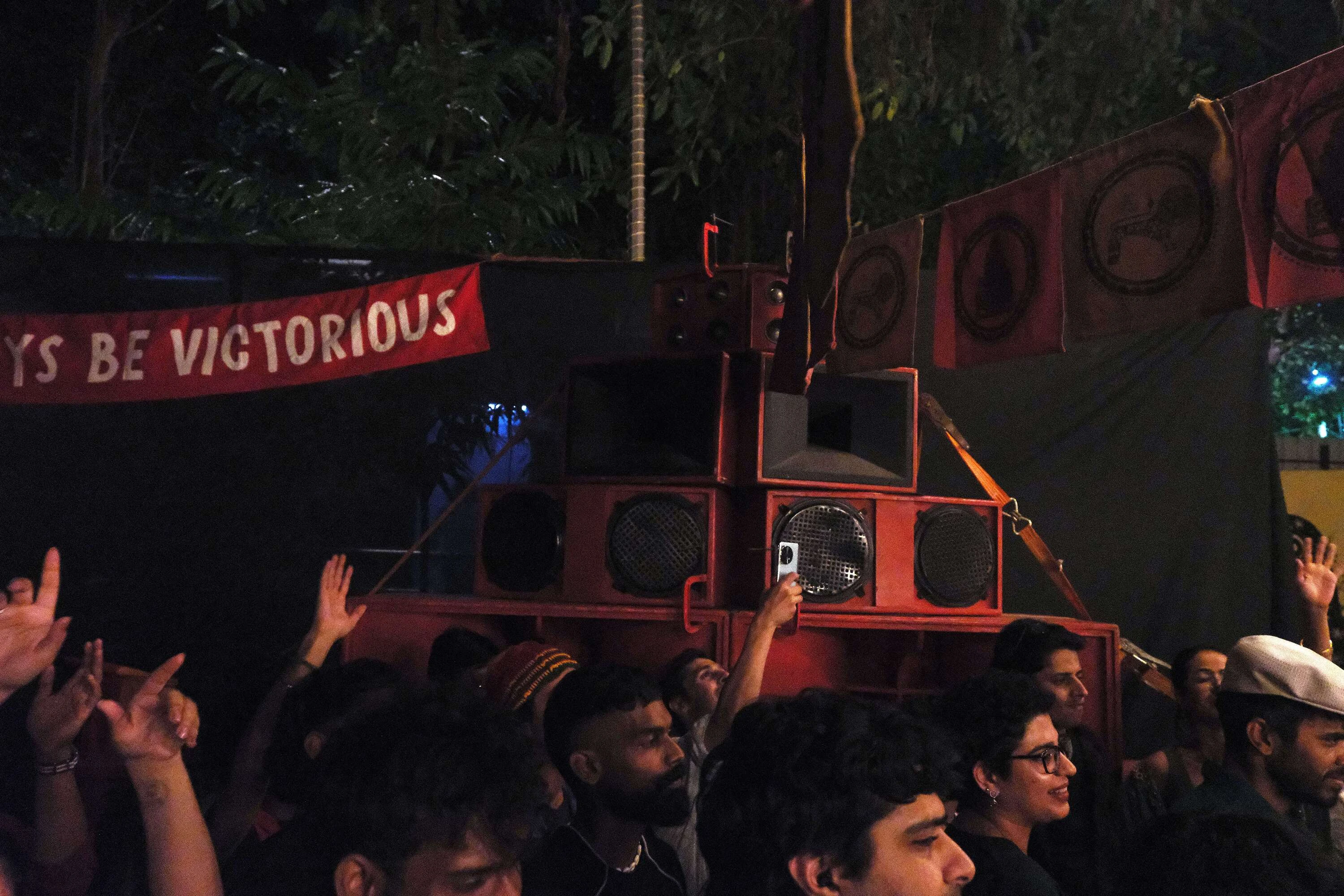
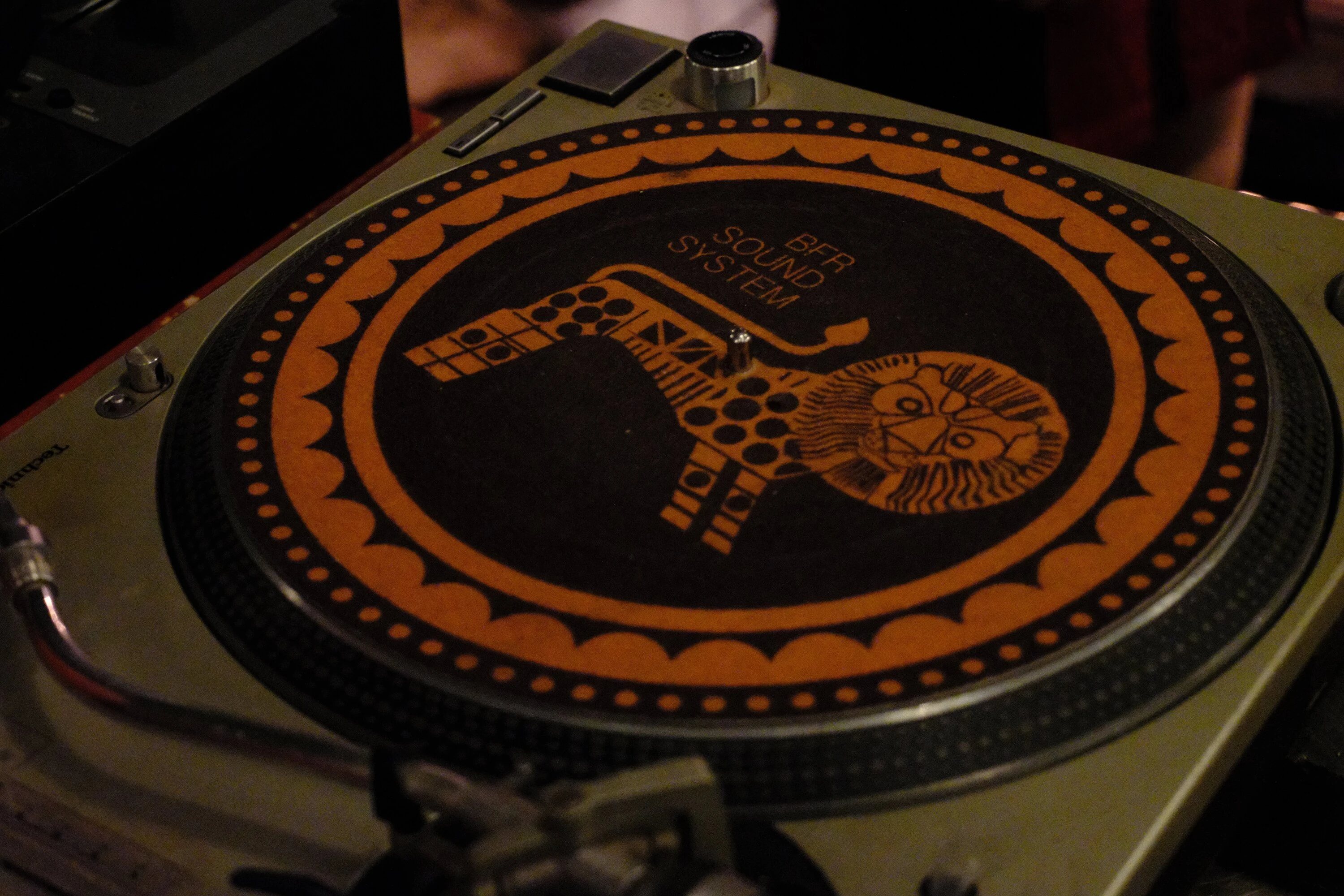
The hand-built rig is a 10-foot-tall, 13-foot-wide wall of speakers, plus record players, analogue valve equalisers, state-of-the-art amplifiers and a whole world of vinyl. It draws on the Jamaican sound system tradition that emerged across the Caribbean in the 1940s and '50s. BFR throws regular dances to bring people together through reggae, and it gets Delhi out of its homes and onto the dance floor.
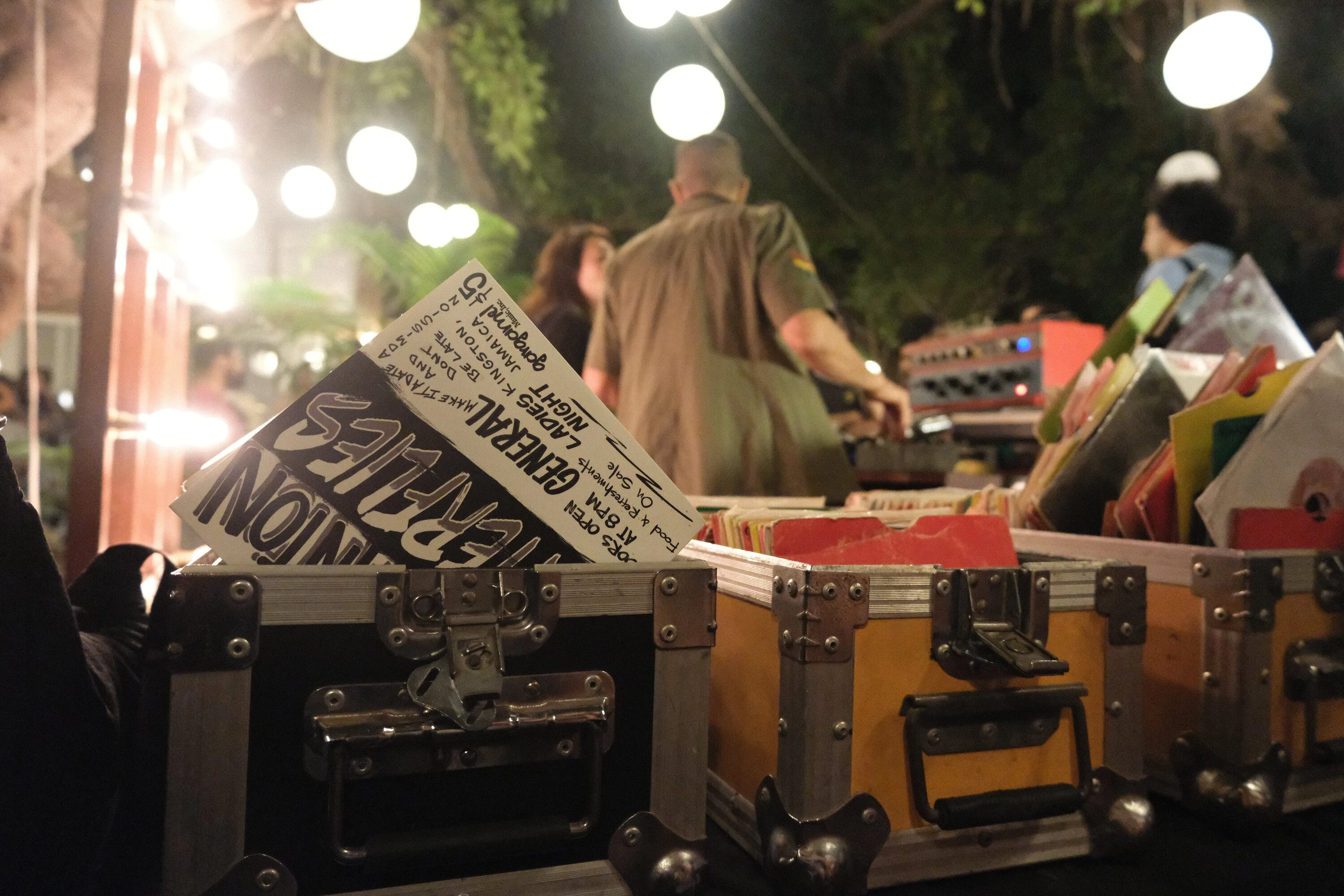
In the simplest terms, it's a reggae dance party. Unlike clubs, BFR sessions always happen outdoors, under the open sky. Where clubs and concerts offer anonymity, these parties are community-first and all-inclusive. Picture a generous dance floor, a sound system playing strictly vinyl, and plenty to poke around while you're there: stickers, hoodies and books on sale, from Angela Davis to Ambedkar.
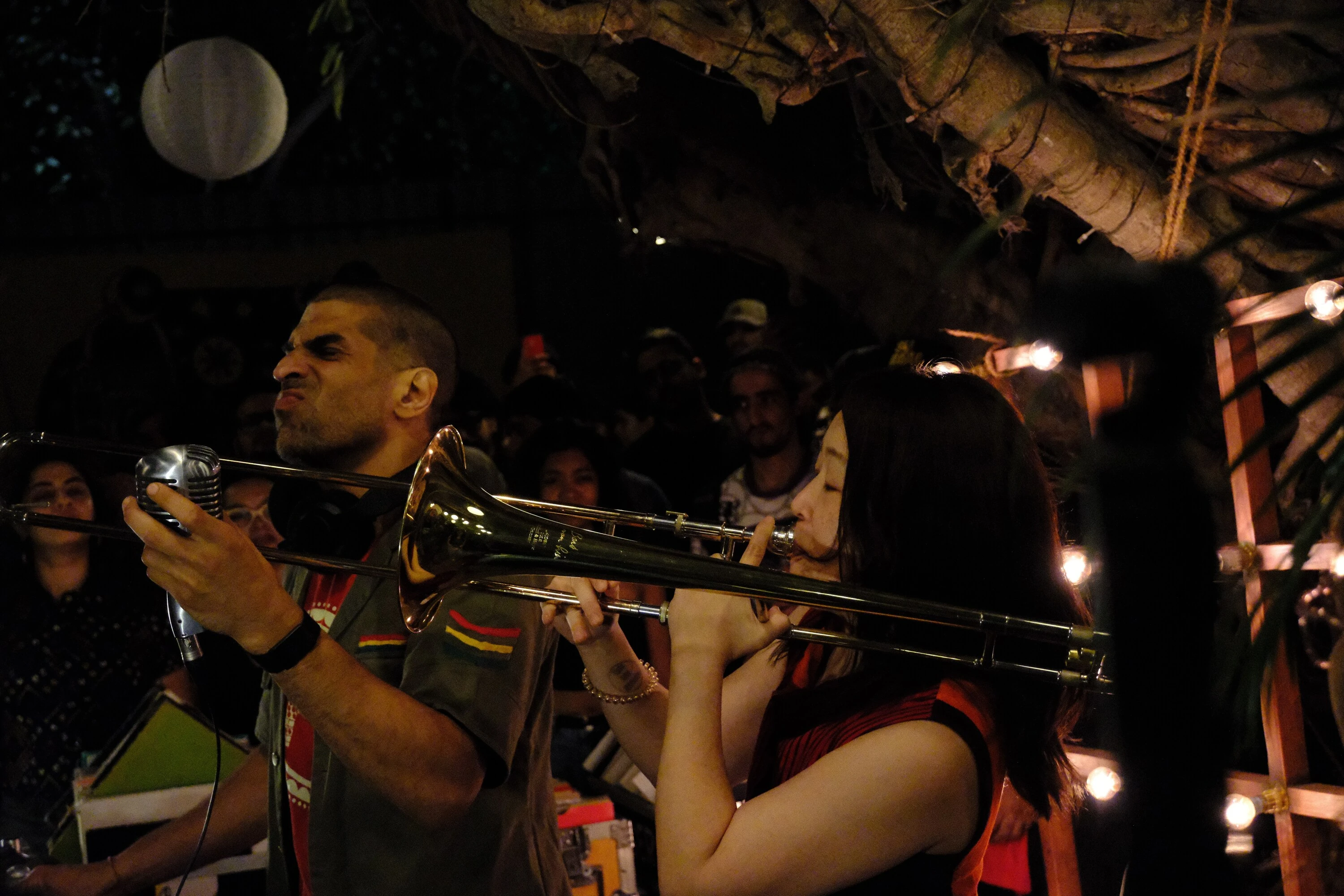
Sessions usually run five hours of non-stop music, interspersed with live trumpet, trombone, melodica, rap and tribal voices. There are also dubplates (exclusive recordings you won't hear anywhere else) from prominent Indian artists such as rapper Divine and folk singer Harpreet.
The most recent dance party, held on October 18, celebrated ten years of BFR. The sound system was set up under an old pilkhan tree, strung with Chinese lanterns and flyers. Zines hung from the opposite side of the trunk. Nearby, a typewriter station invited you to tap out a letter, next to a poster of freedom fighter Shaheed Bhagat Singh, designed by artist and author Bakery Prasad. Bhagat Singh has a close historical connection with the venue, Shaheedi Park.
The performers are right in front of you, high and low notes included. At the anniversary party, the ground reverberated with Japanese trombonist Chie Nishikori's trumpet, until she made way for rastaman Ras Man Man on melodica. Ras Man Man also built another sound system, based in Shillong. My personal favourite was Mahi G (Mahi Ghane), a tribal songwriter and rapper from Kalyan, Maharashtra.
The party was also alcohol-free, and the crowd came for the sheer love of music.
Here's the best part: standing next to BFR doesn't mean putting up with punishing noise. You'll find yourself drifting towards it. The speakers produce frequencies your whole body can feel, right down to your gut, and the music hugs the dance floor from all sides. The giant red pyramid of the rig blends into the crowd until the party wraps.
Reggae leaves you with a happy aftertaste. It isn't overly verbose, and the beats are easy to tap a foot to. Dance, or sit one out. You'll enjoy it either way.
BFR has travelled by road from the valleys of Kashmir to the jungles of Assam. The selection is strictly roots reggae, dancehall and bits of local music, and the motto is the old reggae adage: Peace, Love, Unity, Knowledge and Understanding.
Despite its influence, reggae hasn't quite entered India's commercial mainstream. As a result, BFR parties and other experimental music often reach only venues that’ll set you back a few bucks. Even though free sessions in slums or on university campuses are financially hard to organise, though, BFR does them regularly, mostly within Delhi-NCR.
They don’t keep a fixed gig calendar. The crew pops up at parties across India, so keep your ears to the ground. Your best bet is to follow @delhisultanate on Instagram.
Spain colonised Jamaica in the 1500s, followed by Britain in 1655. After a hard day's work on the cotton and sugar plantations, workers went home looking for music. New records were hard to come by, and radio was unaffordable for most. Sound systems at community dances and parties, called shebeens, made music truly accessible. Sometimes two systems would clash in a musical showdown, with the crowd deciding the winner.
Enslaved Caribbean people were transported around the world as forced labour, and they carried their music with them.
Over time, Jamaican reggae absorbed other influences, including African-American R&B, and much of what you hear today, rap and hip-hop included, owes something to it.
BFR plays roots reggae, a subgenre that explores the everyday lives and hopes of Africans. It's also the genre through which Bob Marley and the Wailers introduced reggae to a global audience. And while they’re the most recognisable names, they’re part of a much larger legacy. Others include Peter Tosh, Jimmy Cliff, Judy Mowatt and Sister Nancy, as well as Headley Jones, maker of what is arguably the first sound system. Jamaica also received a sizable number of Indian indentured workers, who left their own imprint on the music and produced icons such as Super Cat, Apache Scratchy and Diana King.
Discover Time Out original video