
[image]
[title]Angling to catch a gig or show in Delhi? Let me paint you a picture of what your weekend night out could look like.
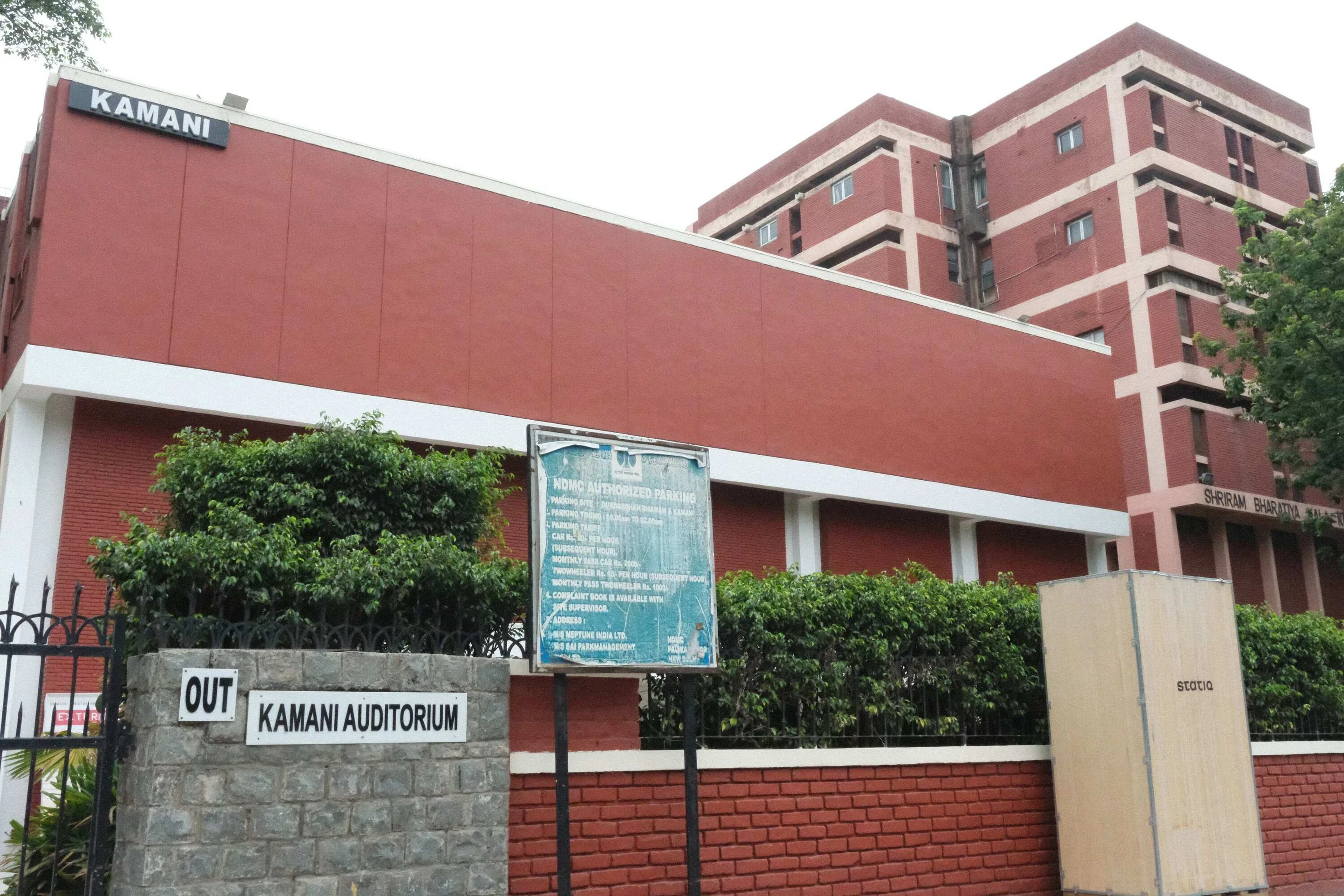
You could go to Kamani Auditorium: a legacy 700-seater in Mandi House, a neighbourhood often called the Broadway of Delhi. This 1971-established institute has a balcony, proper stage lighting, a good sound system, a green room ample enough for all cast members to panic in, a canteen and parking nearby. It hosts everything from nationally important productions to international ones.
Or you could go to Mool, in South Extension – a basement studio and performance space inside a residential building. Built in 2023, it has low-ceilinged stairs, one entry and exit, a couple of lights, some instruments and a storage space; and that's it. Parking is headache-inducing to find, and the nearest Metro station is… kind of far.
On paper, it's no contest. You'd pick Kamani any day. But in practice, Mool is booked by some performing group or the other almost every weekday for the next two months, while Kamani's October 2023 roster, though undeniably busy, was... considerably less full.
Tiny alternative spaces like NIV Art Centre, Colabitat and Lilanoor are drawing bigger and bigger crowds, sometimes more than they can fit. They're versatile, accessible and host events all year. You can argue that a smaller room is easier to fill than a huge auditorium as far as an audience is concerned. But ask anyone who takes an interest in the performing arts, and there's absolutely no doubt that these rooftops and basements are competing – intentionally or not – with Delhi's culturally ‘biggest’ players. In fact, Delhi's music scene is undergoing a transformation that seems to be happening in ways that mainstream audiences haven't quite caught up with yet.
Why are smaller spaces winning?
For decades, the cultural venues to be at in Delhi were the literally big ones, from Meghdoot at Sangeet Natak Akademi and Shri Ram Centre to sprawling outdoor spaces like Bharat Mandapam (formerly Pragati Maidan) and Okhla NSIC Park, full of pomp, ribbons and promise.
Then the COVID pandemic came, and with it, isolation.
This changed what people wanted from going out in Delhi. It wasn’t just about an aesthetically pleasing show anymore. People wanted spaces where they could build communities from scratch, discover niche interests and actually talk to each other.
Rooftops like Red House's started hosting events, as did basements, including Method's. Pubs began doubling up as lecture rooms, and studios became more than places for indoor commercial shoots. Several alternative spaces began popping up along the stretch between central Delhi and the Gurugram border, especially around South Extension, Lado Sarai, Saket, Champa Gali, and MG Road. West and North Delhi developed their own neighbourhood cultural spots too.
Alternative spaces build niche communities in every neighbourhood
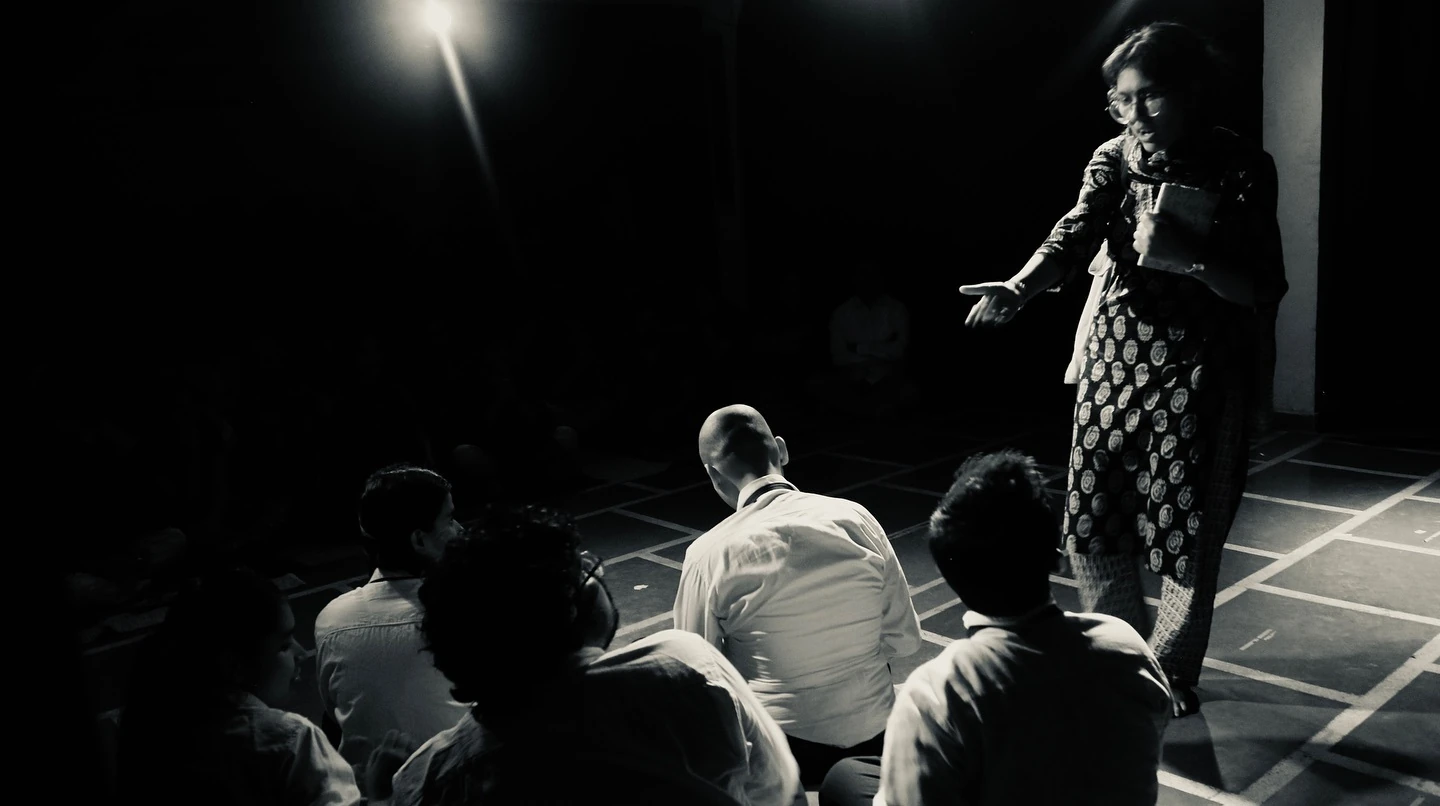
Part of this shift is the Internet, which made niche venues and communities easier to find. I don't say communities lightly. In a big venue, you're unlikely to spot familiar faces, and once the lights go down, you hardly notice who's sitting around you. In a room of 30-odd people, you keep crossing each other's paths. The host is often standing amid the audience, and you get an HD view of the whole show without needing your glasses.
Read further: The best alternative places to catch a gig in Delhi
Try that at Kamani, where, if you're in the balcony, the actors can look like ants. Activities like zine-making, pottery, coffee brewing or fermentation work even better when the audience can participate on the same table as the host.
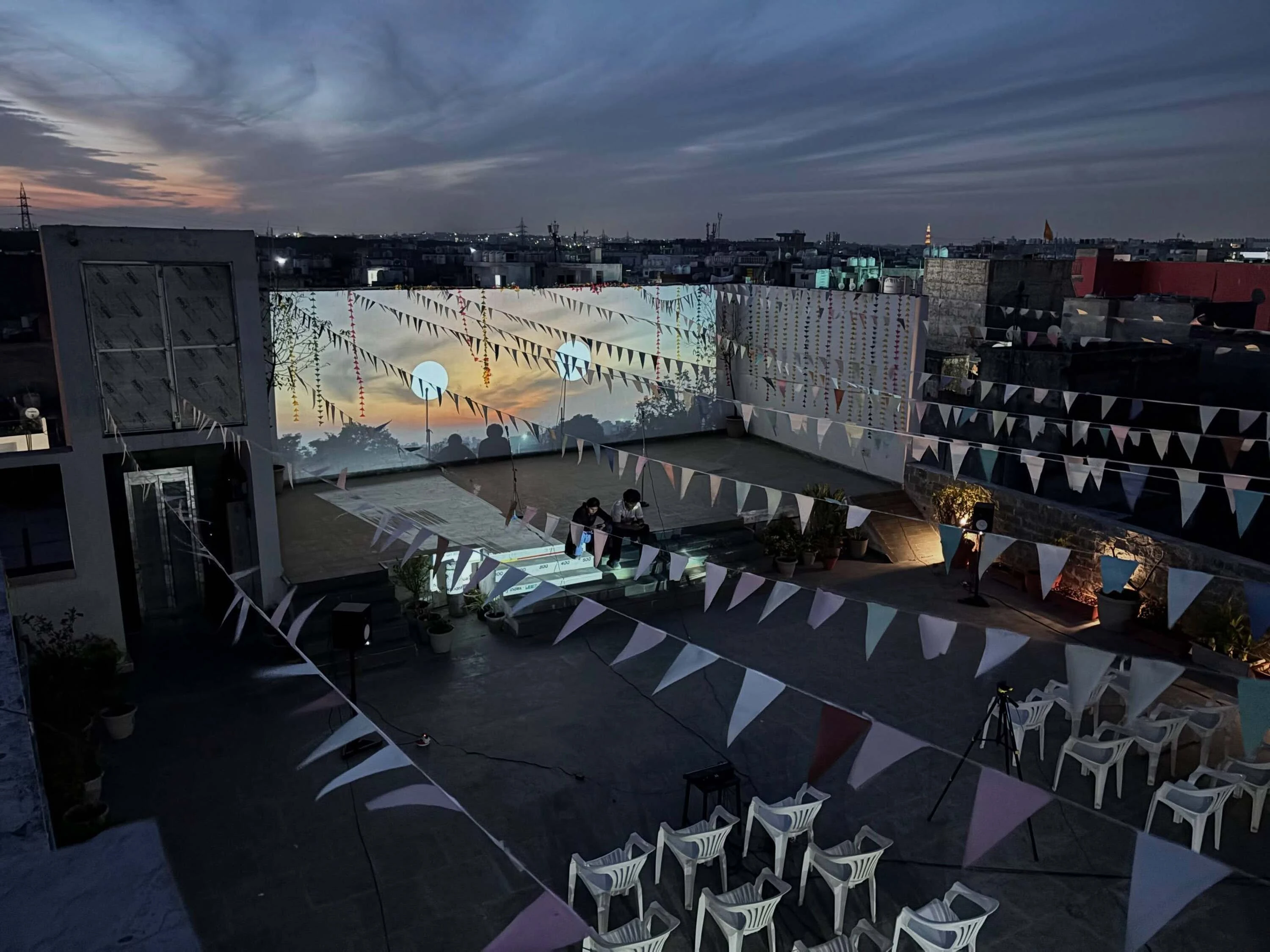
That's why many spaces are splitting themselves into smaller galleries to host a wider range of events. NIV Art Centre in Saket has done this across its three floors, each with one or more separate galleries. Even its terrace isn't just a terrace. It has the biggest seating capacity in the building, and I've seen it shift from a book launch venue to an open-air film screening hall. What makes this different from, say, the several rooms of a veteran cultural centre, is that you don’t cross multiple bureaucratic hurdles to make different kinds of events happen.
Multi-purpose spaces just work better
Owners of smaller venues tend to be more open to experimental ideas because there's slightly less of a worry for funding. They're also easier to book. You can often secure one without wading through official paperwork or waiting hours for an email that may or may not arrive.
Take WIP Adda in Lado Sarai. I first came across this venue on the Internet, and it was months before I actually went for a theatre show. Like Mool, this is a basement performance space inside a residential apartment, very easy to miss. The play was Besharam Ka Paudha, which had already completed 100 shows at larger and even international venues before stopping at WIP. If you walk from the Metro, you'll likely pass piles of garbage and small potholes (ponds, if it's monsoon). I assumed people wouldn't exactly queue up to watch a play here. I was very wrong.
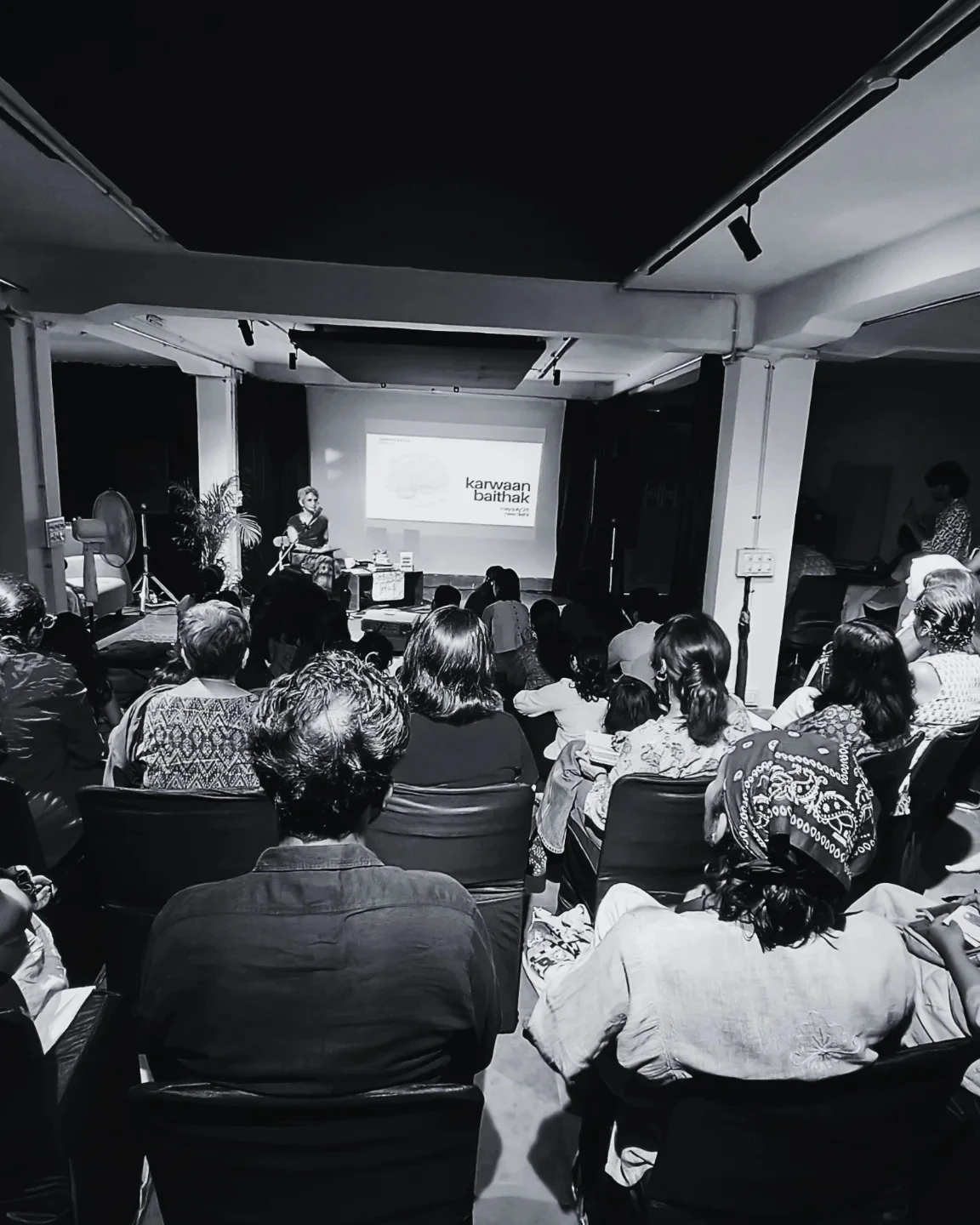
There were fewer than 30 people in the room, but for a space this size, it was a full house. Once you're inside, you're practically cut off from the outside world. You'll find this in a few of these spaces: they feel like portals, separated from the city by little more than walls and windows.
I still had my reservations, since spaces like WIP can feel like a last resort for anyone looking to put on a show. Rajesh Nirmal, the play's director and writer and a Delhi-based theatre practitioner with decades of experience, disagrees: 'Only shows (or events) with patronage (from the state or otherwise) can have the privilege of hosting audiences inside bigger spaces that charge nothing less than half a lakh for a day. Clearly, indie artists don't have that kind of money.'
There’s also the economics of smaller spaces
Smaller spaces cost more than 70% less than a big auditorium, which makes performances more viable on a budget. That's not to say big venues are anti-creative, but a larger scale naturally means bigger bucks.
Kunzum Cafe in GK gives up its second floor for cultural and art events at a relatively affordable rate. The space can seat around 80 people and has a decent stage. You can catch a film screening, a book launch or a comedy show here, and Kunzum sometimes hosts artists for free. In doing so, the cafe isn't just bringing in more customers. It's also linking its name to a particular kind of culture built around youth, art and community. The business gets customers and a cultural identity, and artists get a space they can afford.
A recent experimental music gig by ONNO Collective at Method, an art gallery in Def Col that became a performance venue for the night, shows this well. Around 50 people came and went through the evening. The organisers set up a separate projection area for a video jockey, turned the whole gallery into a dance floor and carved out little spaces for performances. There was even an in-house cassette store and a small bar.
The whole thing was inventive. Tito, the founder of ONNO, said Method invited them to host musicians and produce live music. Hiring a venue of this scale on their own would have been a financial disaster for the small record label. A bigger, more formal venue like Sri Ram Centre might not welcome such a complete reimagining of its space. The event brought together singers and listeners across genres, including lesser-known ones like metal, reggae and hard rock.
The story of Delhi's tiny alternative spaces is also the story of its evolving cultural scene. The city’s no longer fixated on five-star amenities when it comes to its art and culture. It just wants a solid show.