[category]
[title]
We chatted to Blanche Moila as part of Time Out Durban’s Women’s Month interview series, celebrating women who have changed the game.

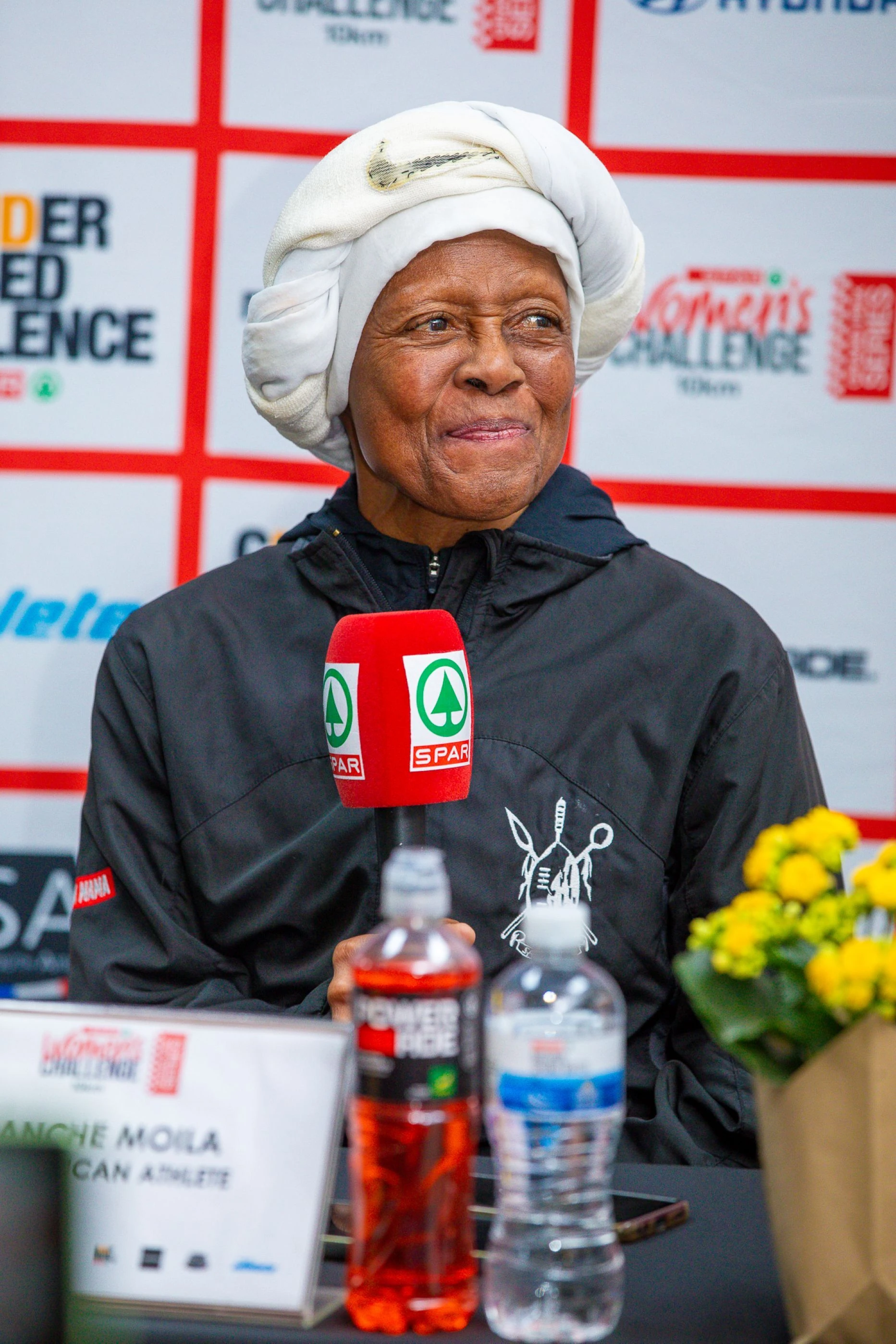
Blanche Moila has been breaking glass ceilings for most of her life.
Long before longevity became one of the buzzwords of modern sport, Blanche was making history. In 1984, she became the first Black woman to earn Springbok colours in athletics, establishing herself as one of South Africa’s elite distance runners.
Racing in the colours of KwaZulu-Natal Athletics, she collected national titles across a range of distances and built a career that challenged deeply entrenched ideas about who belonged in sport.
Now, more than four decades later, the Durban-based runner has added another milestone to the list.
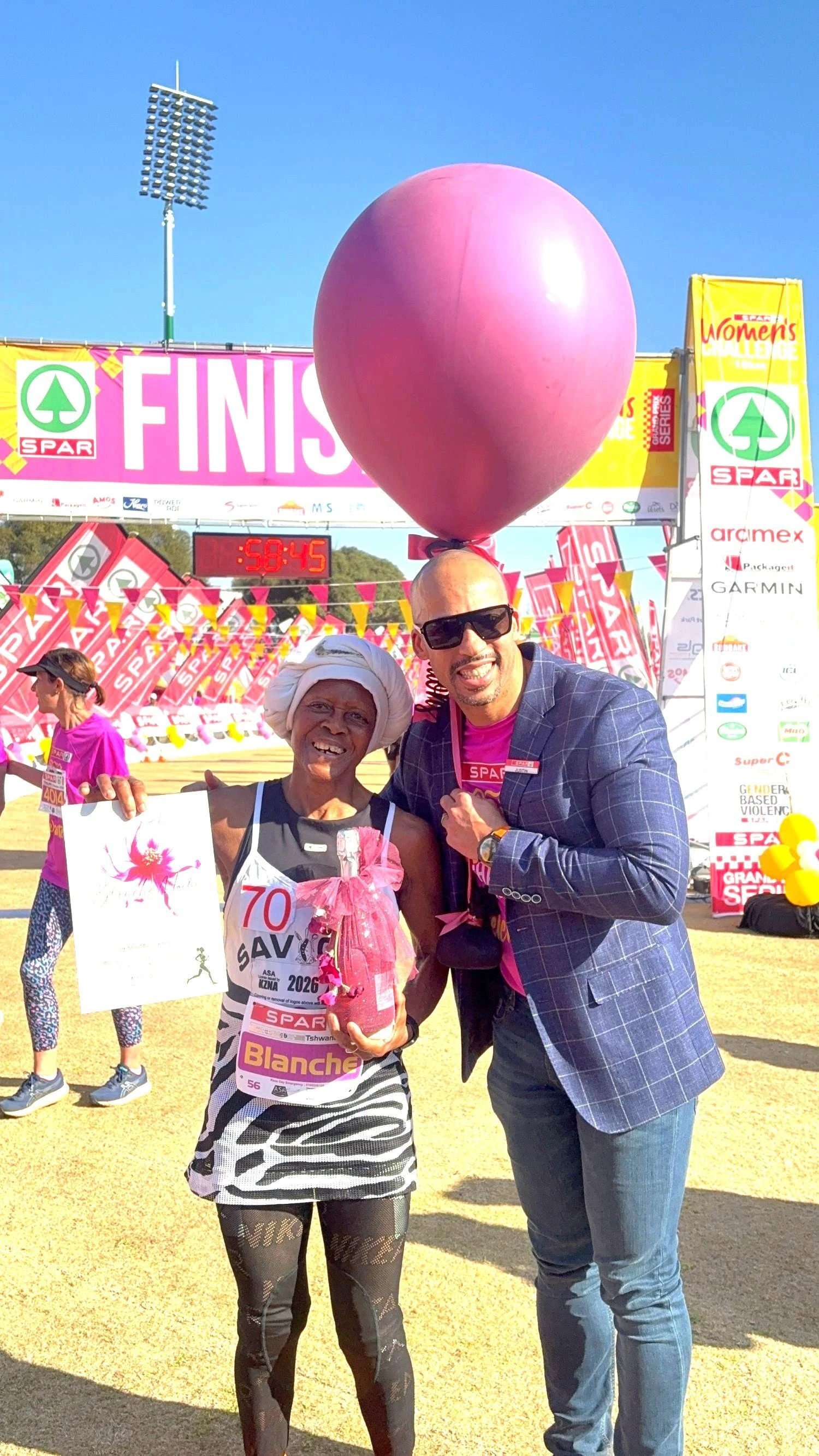
Blanche recently became the fifth athlete to complete 100 SPAR Women’s Challenge 10km races in Tshwane, joining a small but remarkable club of long-distance loyalists that includes Sonja Laxton, Ronel Thomas, Janene Carey and Grace de Oliveira.
And, naturally, she has no intention of stopping.
“Running has taught me that age has no penalties. We live in the eternal present. I am 70 years old and still find expression through running. The body we have, and the shape it is in, is in part a product of lifestyle.”
READ: Meet the Umlazi woman who became Southern Africa's first Black female tea taster
Blanche’s running story began somewhat unexpectedly while she was studying to become a nurse.
During a sports day involving hospital staff and patients, she was introduced to running by her mentor, Dr Shorty Moolla. Something clicked.
“I believe running chose me. I might add, tongue in cheek, but I chose my parents wisely! Those athletic genes.”
Initially, she simply enjoyed the feeling that running gave her, along with its health benefits. Then came the results.
In her first women’s 10km race, Blanche finished third in 39 minutes. Within a year of training, she was working towards something bigger.
“I realised I had the ability to break through the glass ceiling,” she says.
The discipline became part of her life far beyond the track. During 45 years of working in a hospital, Blanche says she never missed work because of illness, maintaining a 100% attendance record.
For her, running was never simply about medals. It became a way of life.
And she was running at a time when women in sport faced plenty of outdated assumptions.
“There were myths surrounding women in sports, such as: women would be muscle-bound, would not conceive children, perspiring retracted from femininity,” she says.
Then there were the broader social and political realities of the time. As a Black woman competing during a deeply divided period in South Africa's history, Blanche encountered people who did not believe she should be competing at the front of the field.
There were even occasions when she faced verbal abuse from people who objected to her running ahead of other athletes.
“I just held my head up and ran faster, proving I belonged on those podiums. When given lemons, make lemonade!”
READ: Comrades Marathon 2027 launch: Everything you need to know
“Being awarded Springbok colours was a big deal to me, not because I was the first Black woman, but because I realised it afforded me a platform to encourage more women in diverse cultures to view running as a wholesome sport with health benefits,” she says.
At the time, South Africa remained a patriarchal society where women were not necessarily encouraged to participate in sport. Today, Blanche sees a very different sporting landscape.
Women from diverse cultures are participating, competing and forming communities around sport. More are being recognised for their achievements across different codes.
She also points to Kass Naidoo's gsport4girls awards as an important part of that change, helping to elevate the profile of women in sport and create meaningful opportunities for the next generation.
READ: Durban R&B artist Nanette on her new project and the future of African R&B
At the recent SPAR Grand Prix race in Tshwane, Blanche finished second for Savages Athletic Club in the 70+ age category, clocking 58:16 and completing her 100th SPAR Women's Challenge 10km in style.
“What keeps me motivated are the health benefits derived from running. It helps maintain a positive mindset,” she says, adding that running is also a great way to relieve stress.
“The SPAR Women’s Challenge resonates with me as it speaks to the elevation of women in distance running. It celebrates women by promoting inclusivity of walkers and runners of various levels of fitness, from the social to the competitive – all while raising awareness for vital social causes.”
She's also keen to see more opportunities for individual sponsorship open up to women in sport. Her advice to athletes is to value the people who support them. Blanche has remained loyal to Nike since 1984.
Having been part of South Africa's distance-running story for more than 40 years, Blanche has watched the sport evolve dramatically.
"It's really satisfying, and I’m just so excited about it. If you look at my 10km personal best (33:58), it's way slower than women are running now," Blanche said. "Elite athletes are now running 32 or 31 minutes, and it just shows the depth and talent we have in South Africa."
That may be one of the most fitting legacies of a career spent breaking barriers: making it possible for the women coming behind you to run even further.
“I just love running; every finish line I cross is a celebration! The Spar Women's Challenge is a big deal to me. I crossed the finish line with contentment and gratitude for the strength I still have to complete the distance. I was overwhelmed by the occasion,” she says.
She hopes the next generation of South African women in sport will see their talents not as limitations, but as opportunities.
“Run with a purpose, using one's God-given talent to make a difference in others' lives.”
And if there's one thing her extraordinary journey demonstrates, it's that the finish line doesn't have to mean the end. Sometimes, it's simply another starting point.
The next leg of the SPAR Grand Prix 10km series, which is open to women of all ages and abilities, takes place in Gqeberha on Saturday, 26 September, followed by the final race of the 2026 series in Johannesburg on Sunday, 4 October.
Follow Time Out Durban on Instagram, Facebook and TikTok! To get the coolest news, features, and things to do straight to your inbox, sign up for our newsletter.
TIME OUT DURBAN RECOMMENDS:
📍 The best things to do in Durban
🍽 The best restaurants in Durban
🏨 The best hotels in Durban
🛏️ Where to stay in Durban
📢 Latest news from Durban
Discover Time Out original video