[category]
[title]
As part of our Heritage Month series, former commodore Myles White looks back at the people, boats and traditions that have shaped the historic club since the 1970s.

Sailing and Durban have a long history.
Back in 1858, the city’s first regatta took place in Durban Bay as part of the Queen’s birthday celebrations.
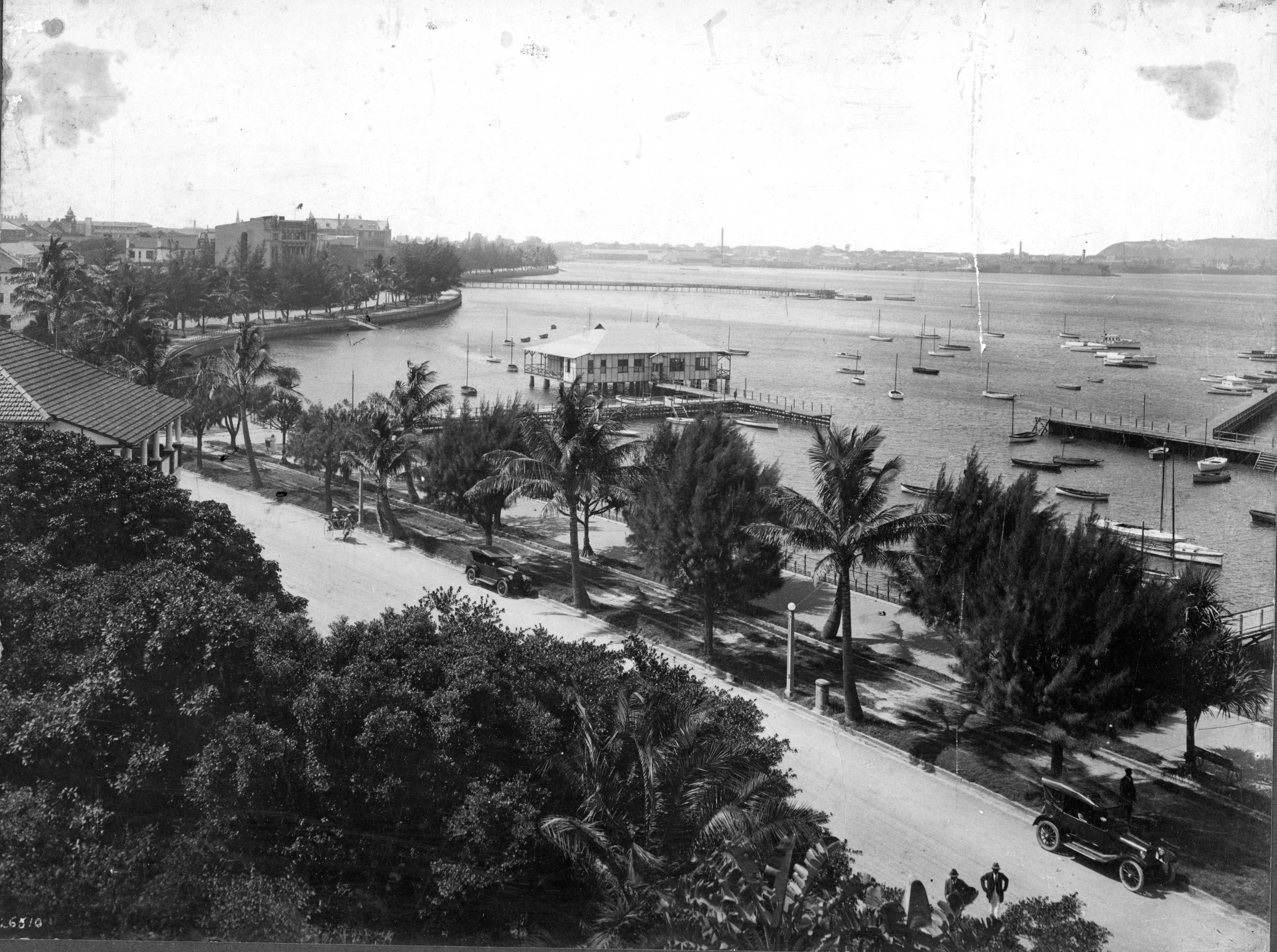
More than three decades later, on 14 May 1892, the Point Yacht Club was officially formed by a group of locals who knew the sea well. They included retired seamen, officers and crew from cargo vessels, Norwegian fishing-boat skippers and engineers, as well as harbour officials and other maritime professionals.
Their idea was simple: create a club where sailors could enjoy the facilities they needed close to the water.
Almost 135 years later, the club remains part of Durban’s waterfront identity. It now operates from two venues and offers racing across a range of classes, youth sailing and social events.
READ: Durban's Thomas Funke named South Africa’s Sailor of the Year
The club continues to host sailing, racing and social events, while its watersports community includes keelboats, dinghies, Hobie Cats, youth sailing, powerboating and paddling.
READ: From deckhand to first mate: Meet the KZN sailor making waves on the world's superyachts
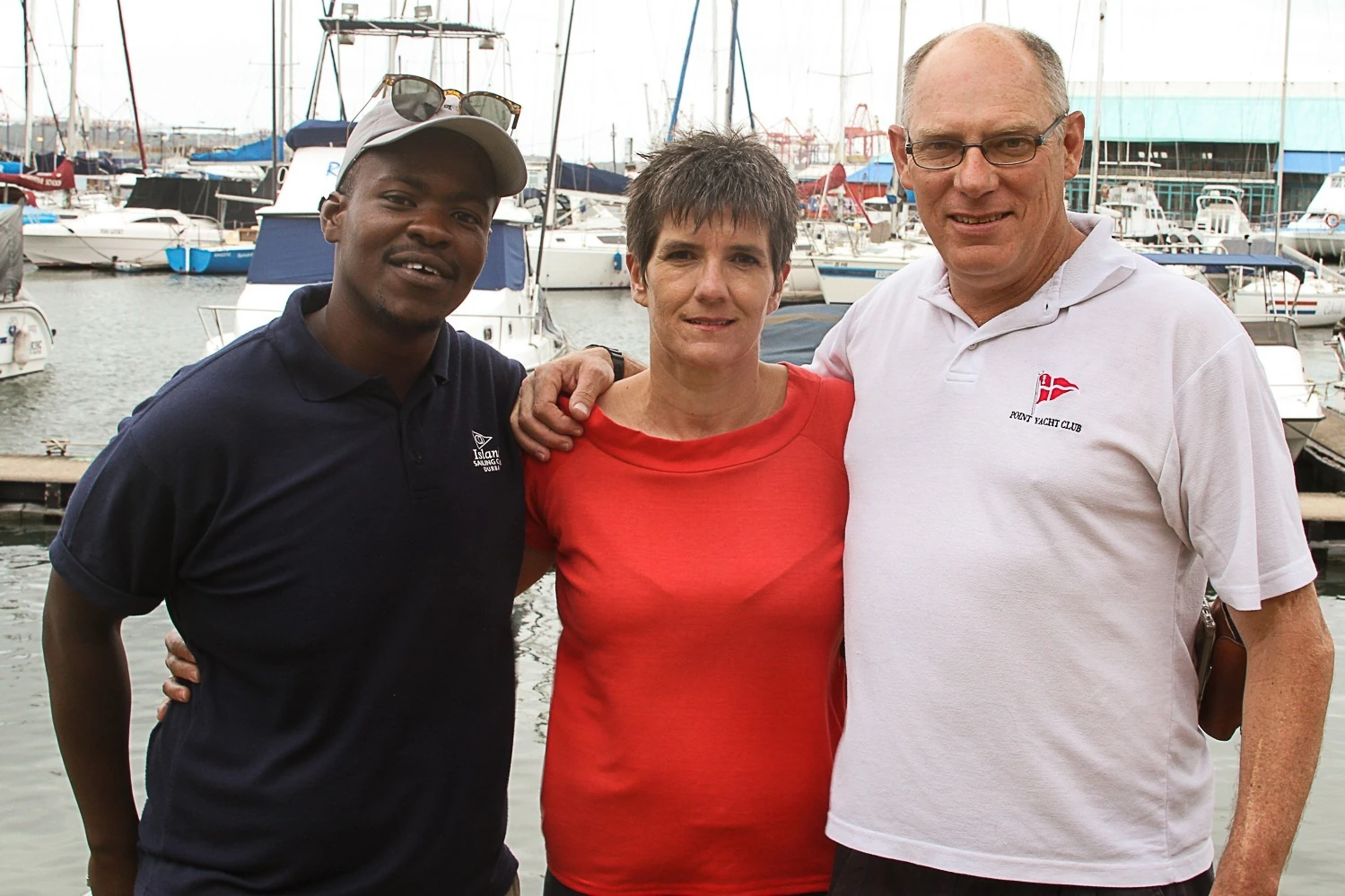
Few people are better placed to talk about PYC’s changing sailing culture than Myles White, who joined the club in 1973 and has served as Commodore, Rear Commodore, and several other roles.
White remains an active sailor and most recently played a leading role in organising the successful Marriott Mirror World Championship hosted by Point Yacht Club off Durban in April 2025.
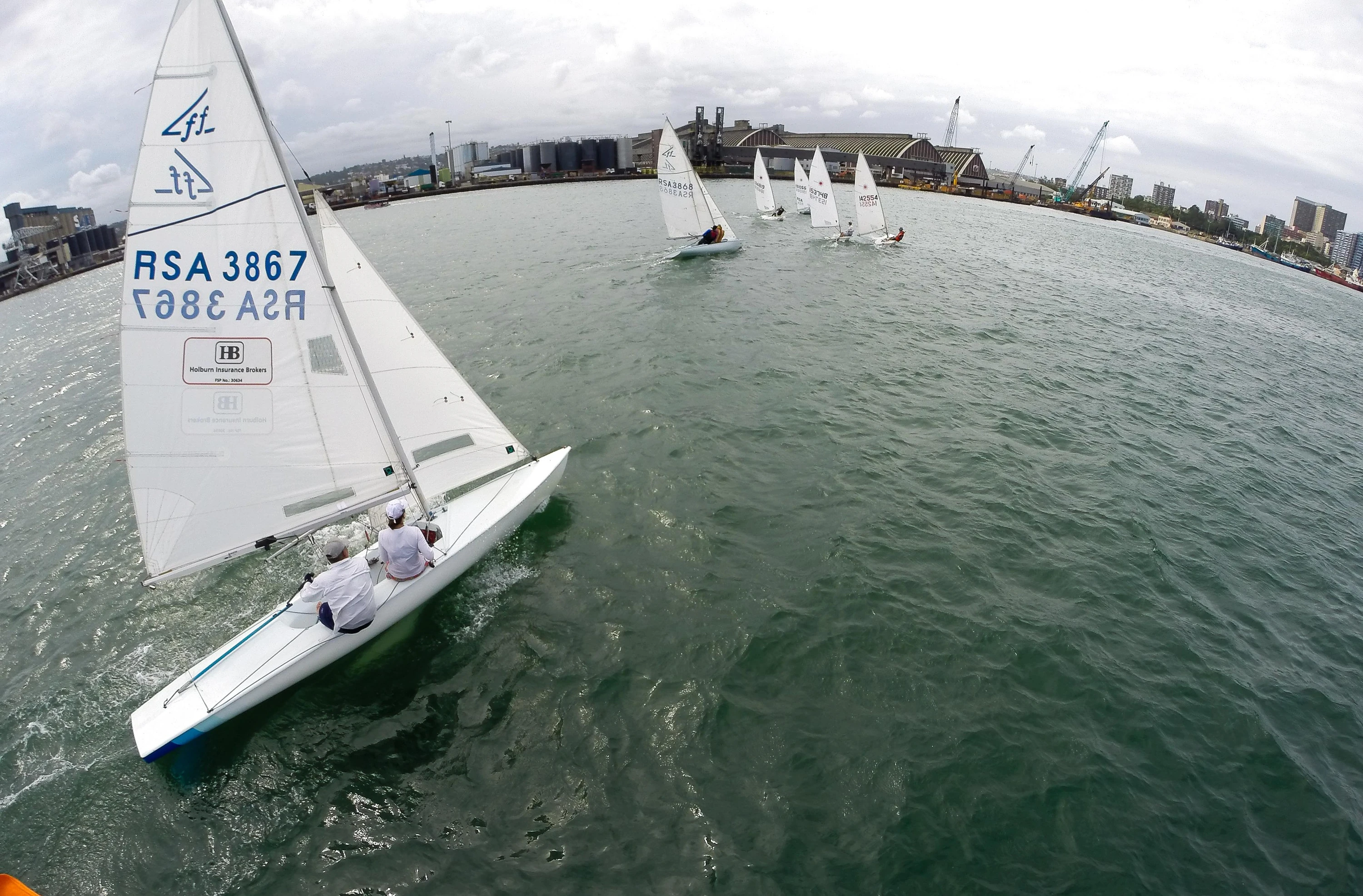
He still sails most Wednesdays as crew on the keelboat Flyer and is particularly passionate about Flying Fifteens, the small two-person keelboats that have long formed part of the club’s racing culture.
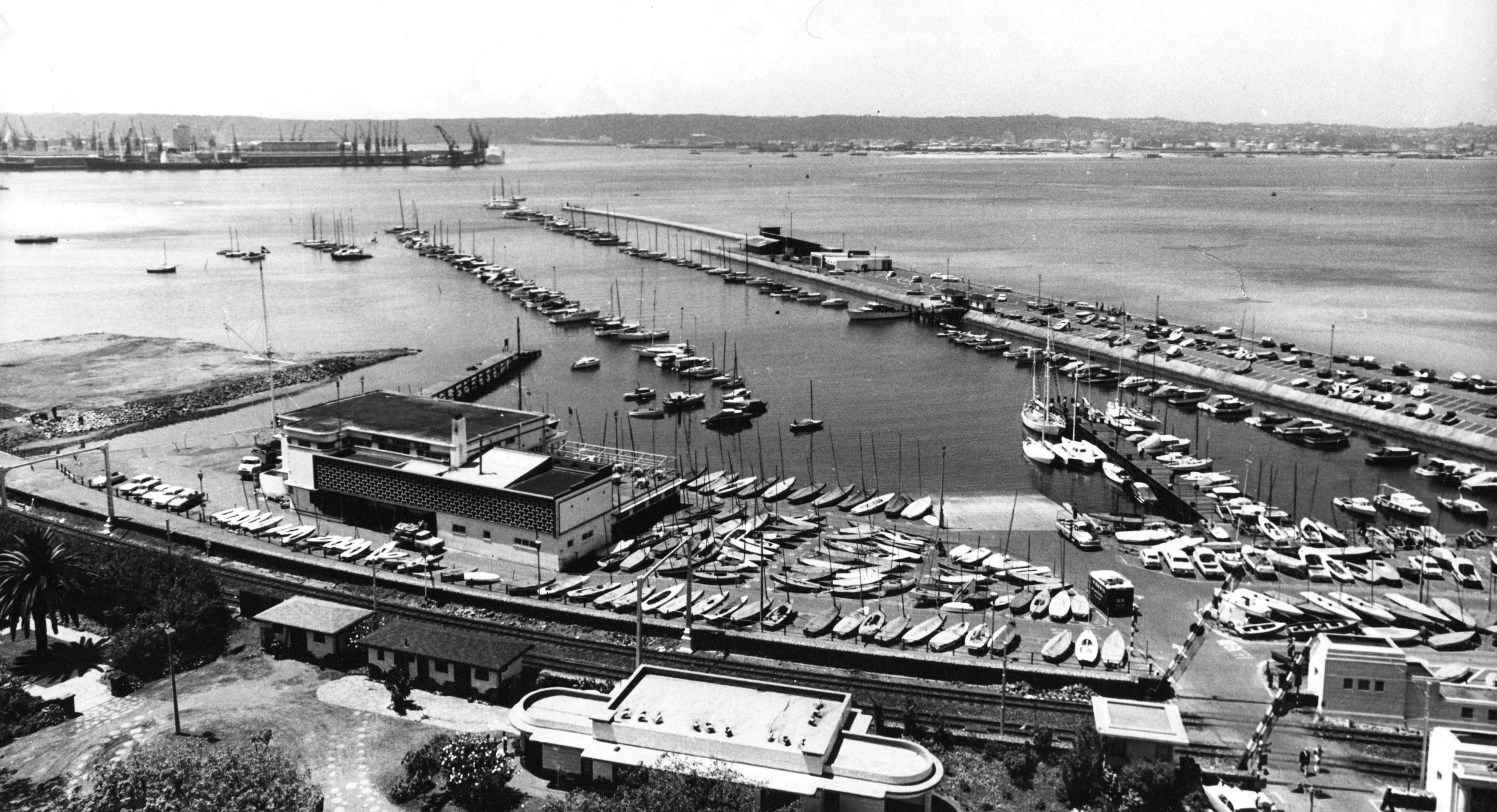
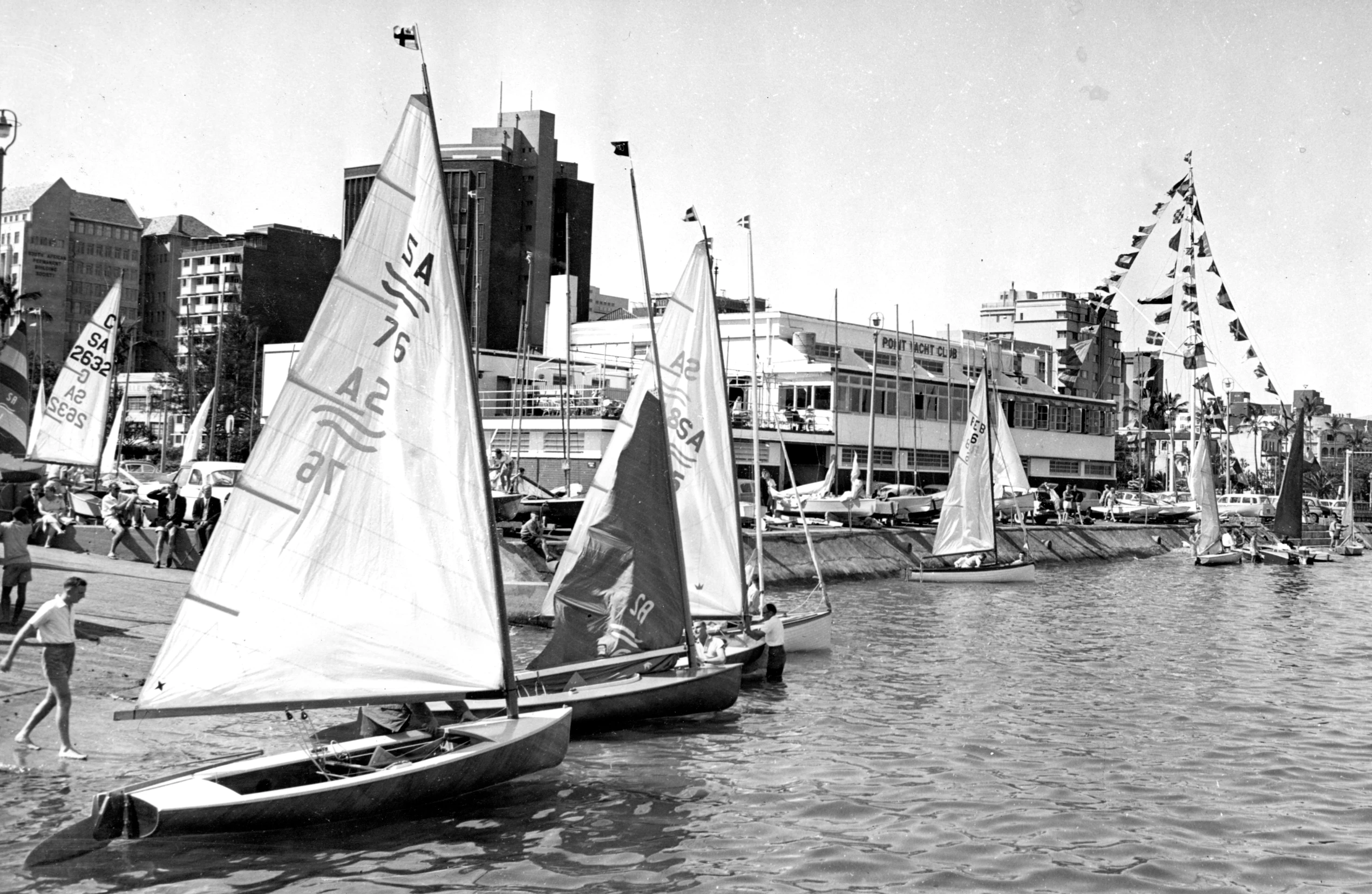
“So much has changed in sailing in Durban over the years. When I joined in the 1970s, sailing was primarily in dinghies in the harbour on Saturday afternoons during the Summer, and then from Easter until July we sailed offshore from Vetches Beach. There were a few keelboats which tended to race on Sundays, or overnight races up and down the coast.”
It was also very much a family affair.
“Sailing was very much a family sport with many entire families present each Saturday, spread across a range of different boats. It was a bun-fight to find seating space at lunchtime for the famous PYC Pie & Chips. The till opened strictly at 12.30, and by that stage there would already be a queue of hungry sailors wanting to get their meal down the hatch before heading off to the boat park to launch and go racing.”
And there were considerably more boats on the water than today's sailors might see.
“Every Saturday would see in excess of 120 boats on the race course, and more different classes of boat than the total number of boats we get to the start line these days.”
The starting order itself paints a picture of the variety of boats that once filled Durban Bay: Hobie 16s, Hobie 14s and Paper Tigers, Cadets, Dabchicks and Mirrors, Lasers, Sprogs, Finns, Enterprises, Flying Fifteens, Fireballs and the Open fleet.
READ: Meet the 17-year-old KZN sailor making waves from Midmar to Portugal
The sailing community extended well beyond the club itself.
White remembers a Durban where boatbuilding, sailmaking and chandlery formed a thriving local industry, with several specialist businesses serving the city's sailing community.
“It was the arrival of the Laser in the mid-70s that saw the popularity of fibreglass boats take off. Most boats, dinghies as well as keelboats, were built of wood. Basil Beavin was a well-known wooden boat builder from PYC – his craftsmanship was utterly superb.”
He recalls two sailmaking lofts, two boat chandlery shops on the Esplanade, specialist mast builders and local companies producing boats ranging from Lasers and Sprogs to Flying Fifteens and larger keelboats.
“To say that Durban had a thriving yachting industry was an understatement. A large percentage of sailors worked in the CBD, and meeting in Charlie's Bar at lunchtime for a pie and chips together with a beer or two was standard operating procedure.”
That connection has changed as Durban’s urban landscape and working patterns have changed, with fewer club members now working close to the waterfront and many living further from the city. White says this has had an impact on both club patronage and participation in sailing events.
READ: Durban Beyond the Beach: The Inanda I wasn't expecting
For many PYC members, heritage is not simply about old buildings, boats or trophies. It’s about passing sailing on.
“As Juniors we enjoyed a ‘Junior Week’ of sailing during the July and December school holidays every year. Those were enormous fun, and high-quality racing was enjoyed. Young sailors regularly came from Midmar and even the Transvaal to participate.
“Among those I sailed against are people who later in life became National Champions, sailed for South Africa at the Olympics, and even World Champions.”
That legacy continues today through PYC’s youth sailing and broader watersports programme.
While the club officially celebrates its 135 years in 2027, the 135th season has just begun, which means commemorative festivities are already underway.
You can look forward to the 56th Vasco da Gama Ocean Race, the 50th MSC Week AND the 135th birthday celebrations...
More than a century after the first Point residents decided they wanted a club close to the water, PYC remains part of Durban’s maritime landscape.
And it’s going to celebrate in style!
TIME OUT DURBAN RECOMMENDS:
📍 The best things to do in Durban
🍽 The best restaurants in Durban
🏨 The best hotels in Durban
🛏️ Where to stay in Durban
📢 Latest news from Durban
Follow Time Out Durban on Instagram, Facebook, and TikTok! To get the coolest news, features, and things to do straight to your inbox, sign up for our newsletter.
Discover Time Out original video