
[category]
[title]
The 2026 Simon Mabhunu Sabela KZN Film and Television Awards take place at Durban’s Playhouse on November 21. Meet the filmmakers, performers and communities behind this year’s nominated work.


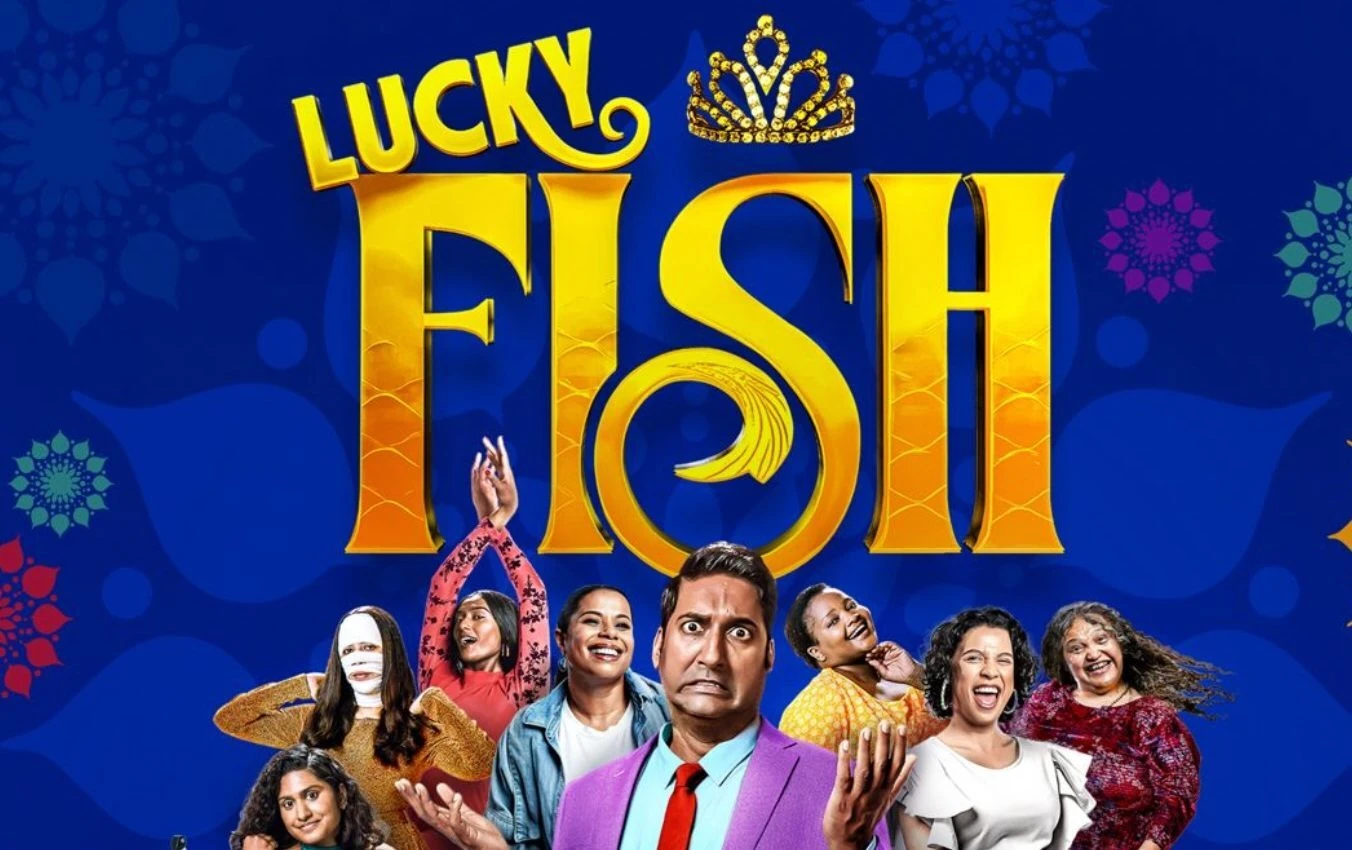
Before Lucky Fish reached an awards shortlist, its filmmakers had a problem to solve. A location had fallen through shortly before shooting. Members of the Phoenix community helped them find an alternative.
Director Luke Rous recalls that support as part of making the film in KwaZulu-Natal. He and his friend Meren Reddy, the film’s co-writer, creative producer and lead actor, had wanted to make the project happen for years. They eventually shot it in Durban, Umhlanga and Phoenix.
Next week, Lucky Fish will compete for Best Feature Film, Best Pan African Film and Best Use of KZN at the 2026 Simon Mabhunu Sabela KZN Film and Television Awards. The invitation-only ceremony takes place at Durban’s Playhouse on Saturday, November 21.
Nomzamo Mbatha, Dawn Thandeka King and Masoja Msiza are among the acting nominees. Their names will draw attention, but there is plenty to explore elsewhere on the shortlist, including independent films, student work and the technical jobs that rarely receive the same billing.
“Lucky Fish was a passion project for my best friend Meren Reddy,” Rous says in comments distributed by the KwaZulu-Natal Tourism and Film Authority ahead of the ceremony.
He describes getting to shoot it entirely in KZN as “a special dream come true for him and I”.
The Phoenix story adds something useful to that account. Finding a location is practical work, often invisible to the audience, and losing one shortly before filming can leave a production scrambling. In this case, residents helped the filmmakers find a way forward.
It is also a more specific example of a production’s relationship with a place than the familiar praise for KZN’s scenery. People who lived there helped the film get made.
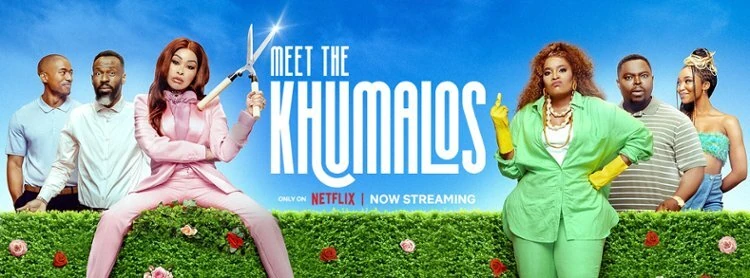
Lucky Fish faces Meet the Khumalos in all three categories. Following the revised nominations, Amathambo completes the Best Feature Film field, while A Shepherd’s Joy is the third Best Pan African Film contender. Shaka iLembe Season 2 joins the two films in Best Use of KZN.
For Durban-born Meet the Khumalos filmmaker Jayan Moodley, the nominations recognise the effort of a whole production team.
“The reaction was one of pure joy and excitement, especially for the entire team, the cast and crew who poured so much of themselves into the project,” she says in the same statement.
“This recognition is for our city, for our people and for our stories that celebrate Durban and the rich culture and heritage that it embodies.”
Local audiences bring their own knowledge to those stories. They know the places, recognise the details and can judge whether the version of home on screen feels familiar. That gives a category such as Best Use of KZN an interest beyond the industry: it invites viewers to consider how filmmakers have chosen to show the province.
Lungisani Lucas Gwadiso’s A Shepherd’s Joy brings a different ambition to the competition.
Alongside the film’s Best Pan African Film nomination, Gwadiso is recognised in Best Production Design Film and TV. According to the Authority, he is currently participating in an international residency at the Nikita Mikhalkov Academy in Moscow, working alongside filmmakers from other countries.
His comments about a possible win focus on the stories he wants to tell.
“A Sabela trophy would not just be a personal achievement. It would be a statement that stories rooted in African rural life, told with honesty and respect, have a rightful place in our industry,” he says in the supplied comments.
That is a clear statement of purpose. Gwadiso wants rural experiences to have space on screen, with care given to how they are represented.
His residency provides an opportunity to develop his filmmaking among international peers. The nominations bring recognition at home. What those opportunities lead to is still to come, but his work gives audiences another entry point into a shortlist that extends well beyond mainstream television.
There will be several contests between cast members of Shaka iLembe Season 2.
Nomzamo Mbatha and Dawn Thandeka King are both nominated for Best Actress in Television, alongside Six Nyamane for Homecoming Season 1.
For Best Actor in Television, Uzalo’s Masoja Msiza faces Wiseman Mncube and Lemogang Tsipa, both recognised for Shaka iLembe.
The series also accounts for all three Best Newcomer Actor nominees: Cebo Radebe, Kwanele Mkhize and Anele Nene. In Best Newcomer Actress, its Luyanda Zuma competes against Nqobile Mdladla for Ithonga and Nandipha Khubone for Meet the Khumalos.
Felicia Naiwa Sithebe of Actor Spaces welcomes the recognition of emerging performers, while taking a measured view of what follows.
“A nomination can open a door, but the talent, discipline and consistency of the actor are what will help them sustain a career,” she says in comments included in the Authority’s statement.
The next opportunity to work matters, too. A nomination gives casting teams and audiences a reason to notice an actor. Building a career requires further roles in which to prove themselves.
Previous Sabela winner Zola Mhlongo will return as a presenter. The programme also includes a Lifetime Achievement Award and an In Memoriam tribute recognising people whose work helped build the industry.
This year’s ceremony follows both a postponement and corrections to the nominations.
The awards were originally scheduled for October 10. In an October 6 statement, organisers announced the move to November 21, saying more time was needed to complete adjudication after receiving more than 420 entries.
At the time, Authority acting chief executive Sibusiso Gumbi stressed the importance of independent judging, industry oversight and auditing.
“The credibility of any awards programme rests on the integrity of the process behind it,” he said.
On November 8, the Authority confirmed that an eligibility review had led to four nominations being replaced and the Best Television Production category being withdrawn.
Thembi Mtshali Jones replaced Noxolo Mathula in Best Actress Film, while Amathambo replaced The Trek in Best Feature Film. Changes also affected Best Sound Design and Best Screenplay.
The findings included entries outside the qualifying screening and broadcast period of March 29, 2025, to March 28, 2026, as well as issues concerning production classification and KZN-related eligibility considerations.
“We recognise that these matters should ideally have been resolved before the nominations were announced,” Gumbi said in the November statement.
The Authority said its senior judging panel and auditors reassessed the affected nominations against the published requirements and reviewed the original scores before confirming the changes.
Those corrections matter to the people whose work is being judged. A nomination has value because entrants and audiences trust the process behind it.
For viewers, the revised shortlist is also a place to find something unfamiliar: a student film, an independent production or a performer whose name they have not yet learnt.
Rous and Reddy have finally made their long-planned film in KZN. Moodley’s team is being recognised for Meet the Khumalos. Gwadiso wants rural stories to reach further. Awards night will decide who wins. Watching their work gives the rest of us a part in what happens next.
Follow Time Out Durban on Instagram, Facebook and TikTok!
TIME OUT DURBAN RECOMMENDS:
📍 The best things to do in Durban
🍽 The best restaurants in Durban
🏨 The best hotels in Durban
🛏️ Where to stay in Durban
📢 Latest news from Durban
Discover Time Out original video