

Growing up in Singapore, I was never one for winter sports. We just don’t have mountains or snow on our hot and humid little island. But fuelled by post-pandemic delusion, I picked up snowboarding in my 30s and haven't looked back since. Especially with Japan and some of the world’s best powder just a short seven-hour flight away.
With soft, consistent powder, relatively affordable resorts and all the konbini egg sandos I could want, it’s hard to pry myself away from Japan to snowboard anywhere else. So the idea of flying from Asia to Europe, burning through annual leave and sitting through a long-haul flight just to snowboard down the Alps felt a little excessive.
➡️ READ MORE: Discover our favourite ski resorts in Europe
But having been engrossed in the Milano Cortina Winter Olympics in February of this year, curiosity got the better of me. I wanted to know what Alpine skiing was actually like, right in the thick of the action. That’s how I ended up on a ski trip split between Club Med Serre Chevalier in the French Alps and Club Med Pragelato-Sestriere, just over an hour’s drive away in the Italian Alps.
For those unfamiliar with the concept, Club Med practically pioneered the all-inclusive holiday concept more than 75 years ago and now operates dozens of ski resorts across Europe. You pay a flat rate per person per night, and that covers your room, food, drinks and activities, including your ski pass and daily ski or snowboard lessons, regardless of skill level.
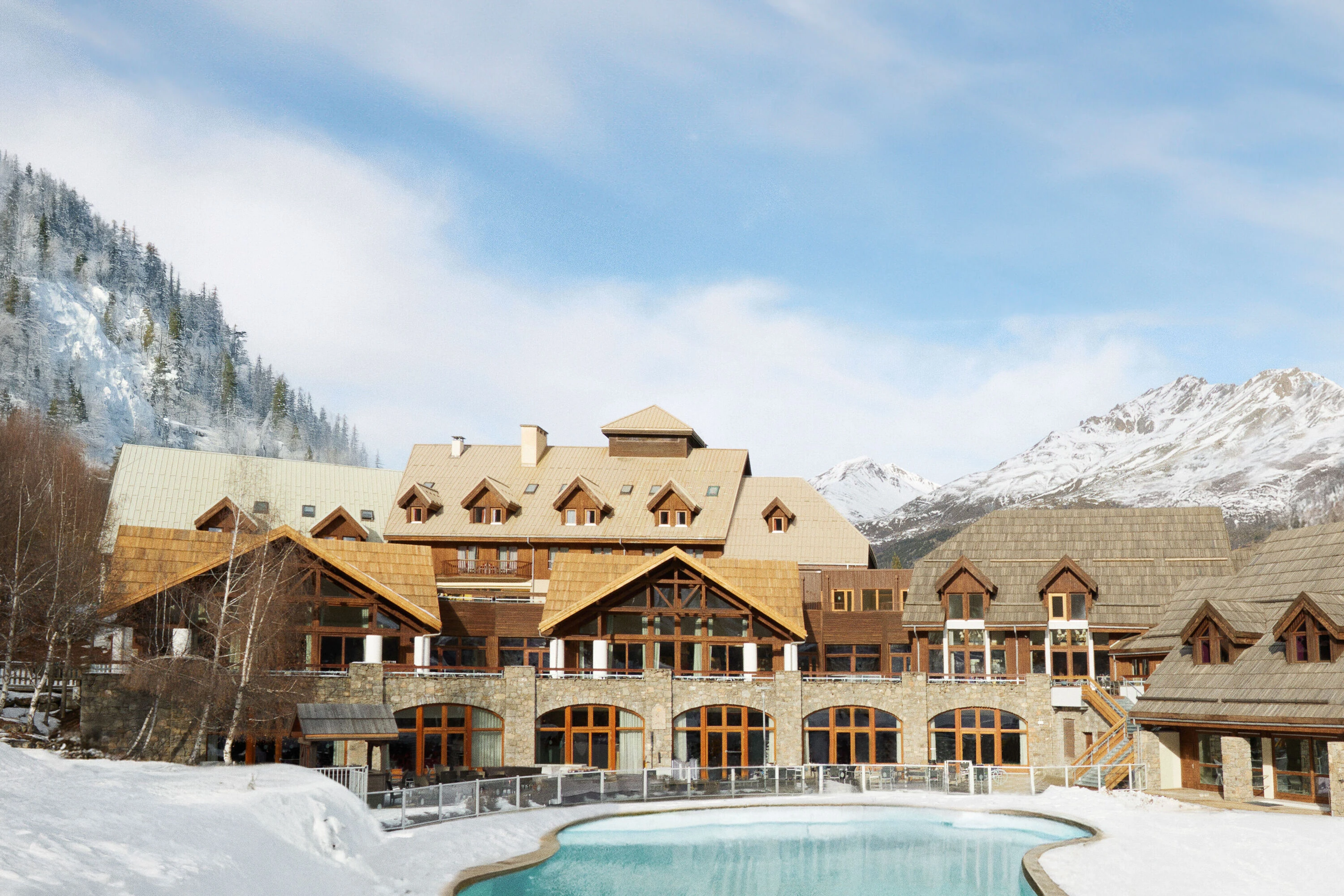
300 days of sunshine
First up is Club Med Serre Chevalier. Set in La Salle-les-Alpes, the resort sits at the foot of 250km of terrain in one of the largest ski domains in the southern Alps. Eighty percent of the slopes are above 2,000 metres, and locals love to remind you that the region gets around 300 days of sunshine a year. Even in winter, we felt that warm, golden glow, which made for very pretty pictures.
Of course, that sun comes with a trade-off of snow melting quickly. We were lucky that our first ski day followed nearly 20cm of fresh snowfall, so conditions were soft and forgiving. In fact, much of the lesson involved our instructor encouraging us to really lean into the powder and trust our turns.
That said, the section of La Salle-les-Alpes I was brought to definitely felt more skier-friendly than snowboarder-friendly. After taking a gondola up the mountain, you reach a wide stretch serviced mainly by button lifts, which, if you snowboard, you’ll know are an absolute menace. They’re awkward, thigh-burning and not for the faint-hearted in case you have to bail midway. That said, complete beginners have access to a magic carpet that runs partway up, which helps ease you in.
Rather than spending the whole day navigating button lifts, I decided to ride all the way back down to the resort. The return route is mainly long, narrow green runs (great for skiers, less so for snowboarders who need more width) or bumpy, ungroomed red slopes. I took my chances on the reds. They got me down faster and, unexpectedly, helped me level up my riding.
By later afternoon, the terrace transforms into a full-blown après-ski party
Back at the resort, lunch is ready and waiting. By late afternoon, the terrace transforms into a full-blown après-ski party with people dancing on podiums, music pumping and a generous semi-buffet laid out even before dinner officially begins at 7pm. There’s mulled wine, cocktails and free-flow alcohol at the bar. It’s entirely possible to have a champagne glass permanently in hand.
Breakfast, lunch and dinner are all buffet-style but genuinely gourmet with rotating themes each evening. We had everything from a spicy Moroccan-themed lunch to live stations doling out seared foie gras and all-you-can-eat oysters. After dinner, you can either turn in early for another full ski day or stay up for live shows and entertainment.
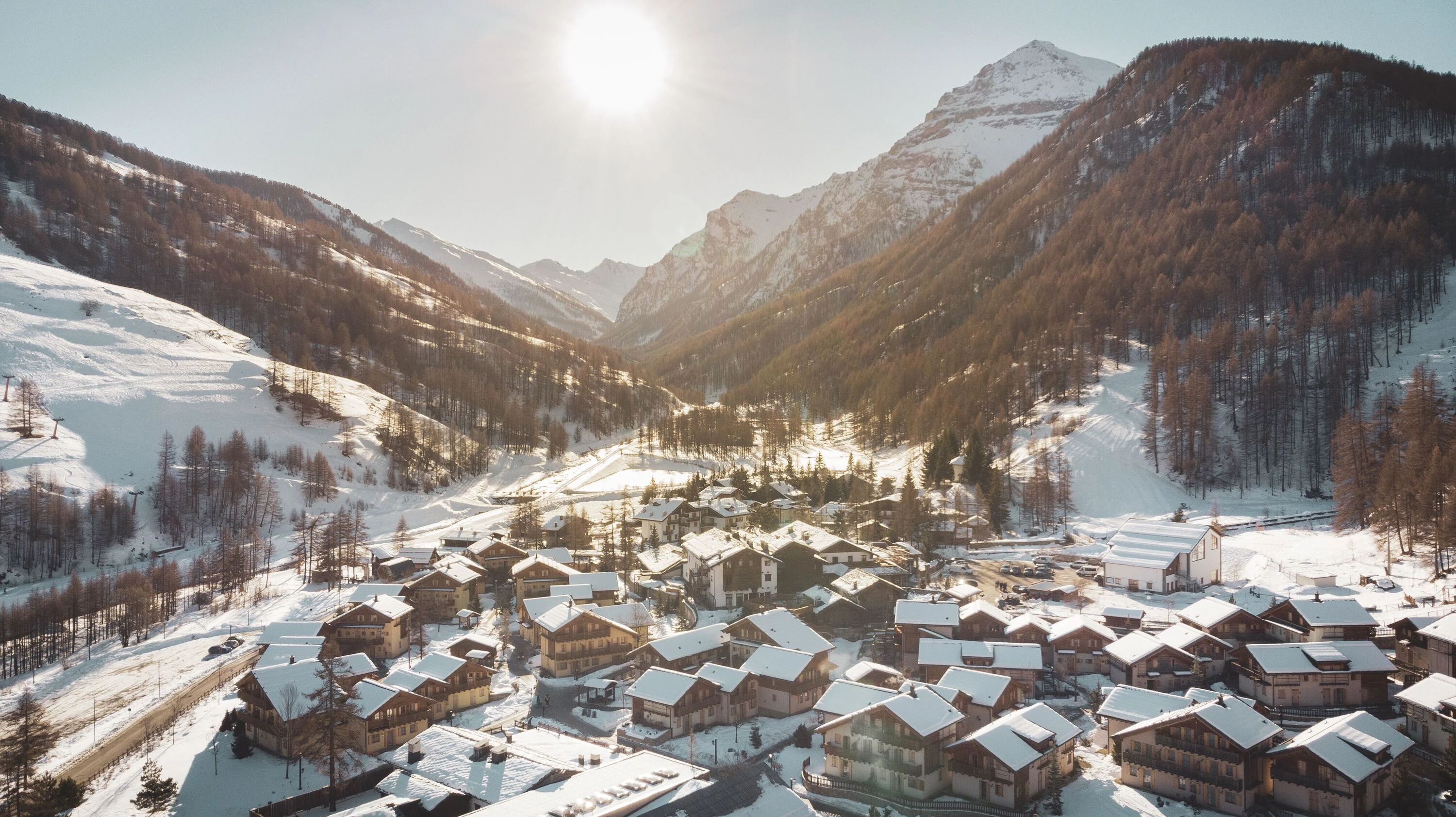
Staying in a former Olympic Village
Over on the Italian side of the Alps, I stayed at Club Med Pragelato-Sestriere, which was once part of the Turin Winter Olympics village. I also happened to be there just as the Milano Cortina 2026 Winter Olympics were kicking off, and the air was thick with anticipation. Televisions around the resort screened Olympic events and highlight reels on loop.
Unlike its sister property in France, this resort isn’t one monolithic hotel block. Instead, it unfolds like a tiny Alpine town, with wooden chalets, cobbled pathways and kids having snowball fights right on the snowy streets. Mornings start with a quick breakfast before shuffling to the ski locker room. Lessons begin at 9am, and we take a standing-room-only gondola up the mountain, packed in like Italian sardines.
The resort plugs directly into the Via Lattea (Milky Way) ski area, which spans 400km of runs linking seven villages across Italy and France. There are actual Olympic runs here. You can stand at the top and think: someone once raced for gold on this mountain.
You stand at the top and think: someone once raced for gold on this mountain
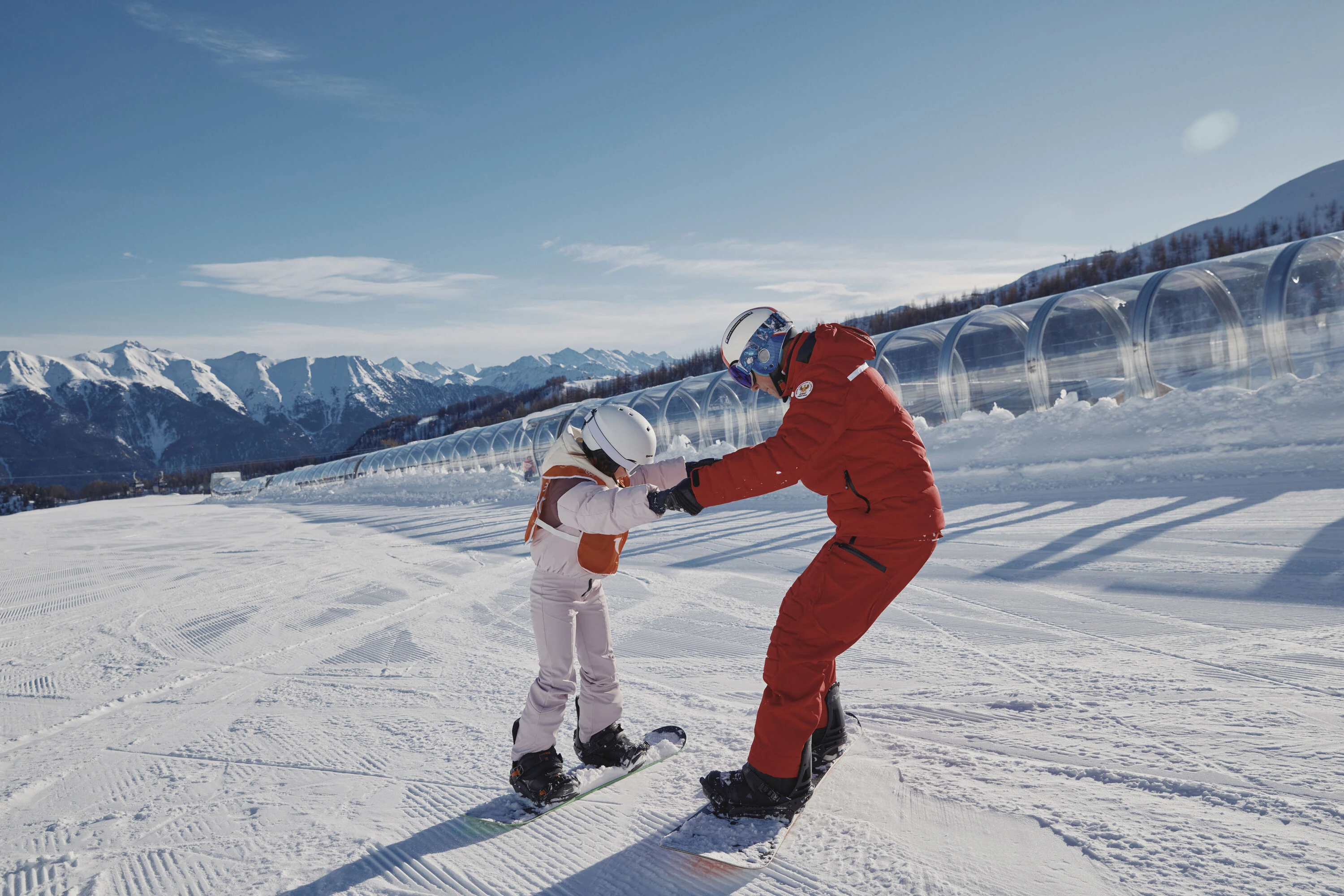
What impressed me most, though, was the quality of instruction. Italian ski and snowboard instructors go through a notoriously tough qualification process, and it shows. Lessons are small, grouped by ability, and you stick with the same instructor all week. By day three, beginners are confidently linking turns; intermediates are eyeing black runs they once swore off. And yes, most main slopes are accessed by gondolas and chairlifts rather than button lifts, which made for a much more enjoyable time on a snowboard.
Club Med Pragelato-Sestriere has multiple restaurants on site and partners with several mountain restaurants, so you can enjoy a proper Italian lunch on the slopes without heading back early. At Il Piemonte, I piled my plate high with handmade pasta, regional cheeses and charcuterie. There’s a gelato station that makes self-control nearly impossible. La Trattoria serves properly blistered wood-fired pizzas, while La Tana specialises in fondue and stone-grilled meats best paired with a glass of Barolo.
The verdict
As someone who usually hyper-plans trips by pinning restaurants on maps and building hour-by-hour itineraries, I didn’t expect how freeing Club Med’s all-inclusive concept would feel. Ski passes are handed out on arrival, gear can be pre-booked and waiting in your locker and every detail of the day is already organised so all you have to do is show up.
For me, that meant less energy thinking about logistics and more time focusing on improving my snowboarding technique and pushing myself to try steeper runs. For that reason, I can easily recommend both resorts – but for different things. Stay at Serre Chevalier if you want a resort that’s beautifully designed and contained within one main building where everything is easily accessible, and beginners will have as great of a time as advanced skiers. The terrain here also felt slightly more skier-friendly than snowboarder-friendly, though that’s fairly typical across Europe. Stay at Pragelato-Sestriere if you want to level up your snowboarding and ride down the same mountains as Olympians – it’s a flex (and I’ll be talking about it for a very, very long time).
Nicole Marie Ng travelled to the Alps with Club Med. Our reviews and recommendations have been editorially independent since 1968. At Time Out, all of our travel guides are written by experts across Europe. For more, see our editorial guidelines.