
[category]
[title]
Nothing says spring like asparagus on a plate


Asparagus season kicks off in Helsinki restaurants in mid-April and runs through to the end of May. In selected spots, it’s marked with dedicated asparagus weeks and special seasonal menus.
It’s as much a ritual as a menu item, a way to celebrate the return of light after a long winter. Like the blini weeks in mid-winter, it neatly marks the passing of time, but the mood couldn’t be more different: if blinis are winter’s rich, butter-fried yin, asparagus is spring’s green, light-chasing yang.
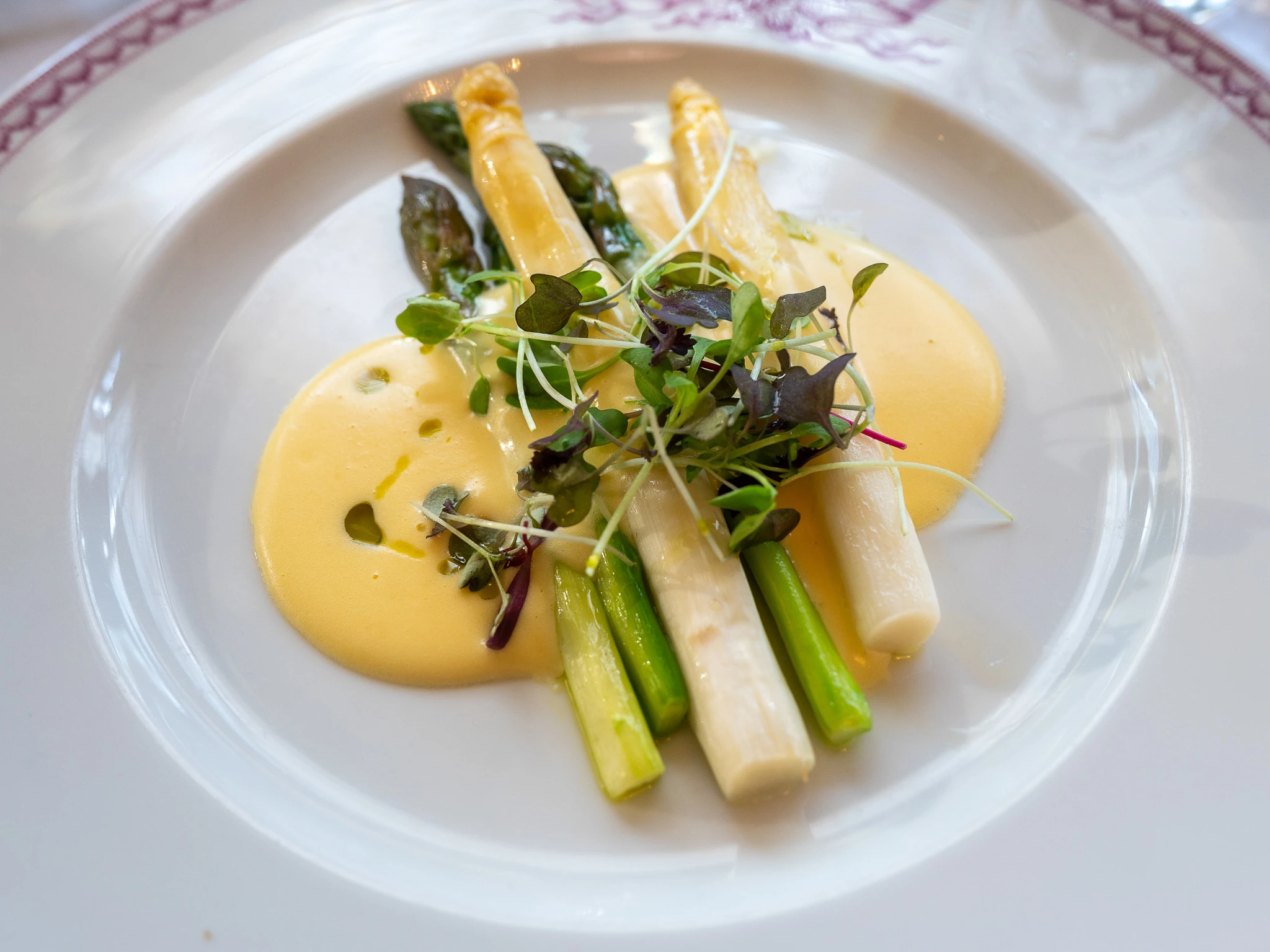
And just like with blinis, tradition rules. Few chefs feel the need to reinvent asparagus. Year after year, diners order the same thing: asparagus served the classic way, with hollandaise.
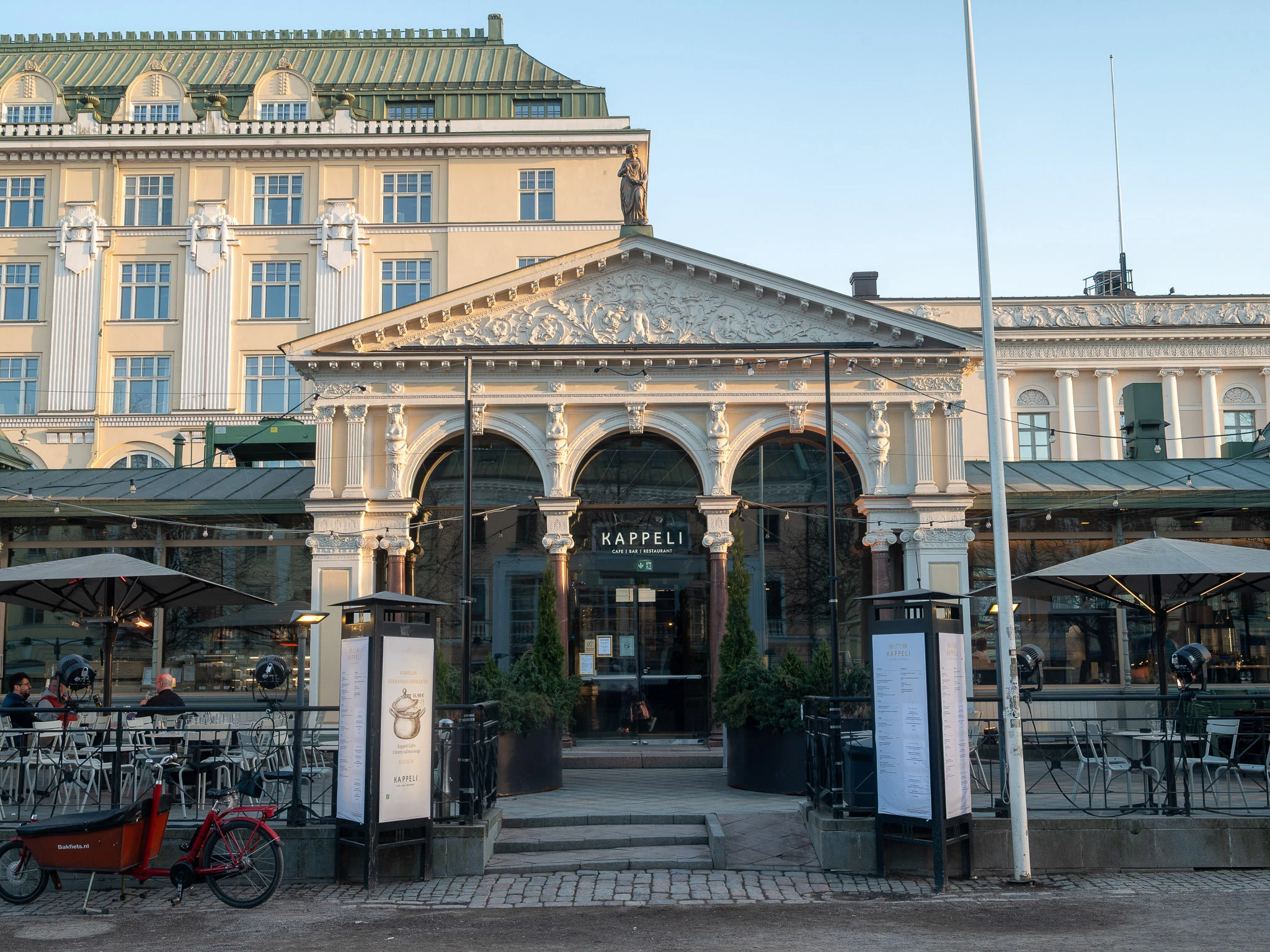
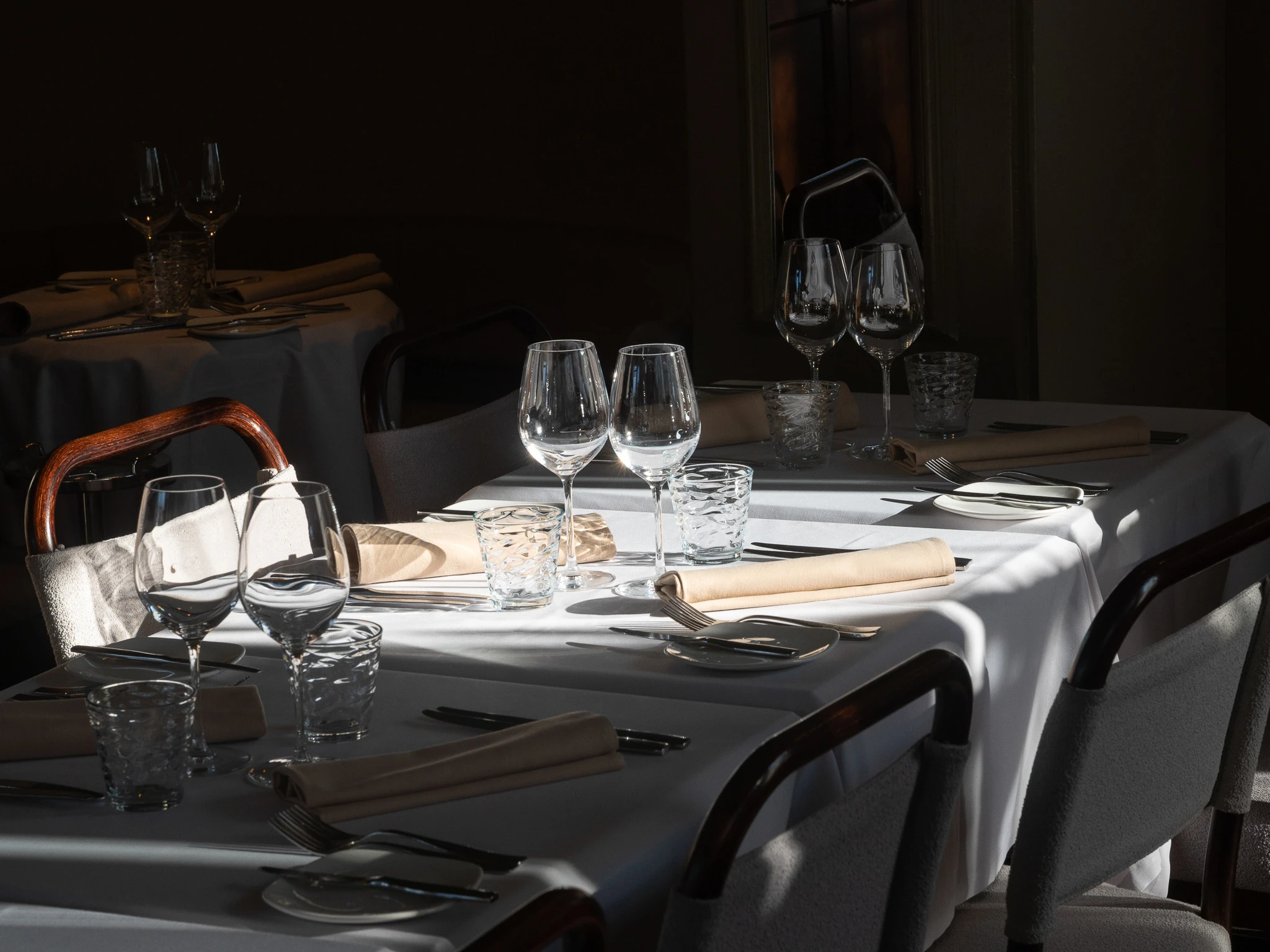
The most atmospheric place to indulge is Kappeli, whose grand dining room feels almost purpose-built for spring. The wooden pavilion, dating back to 1867, rises like a cathedral, with high ceilings and large windows flooding the room with pale Nordic light. Composer Jean Sibelius and poet Eino Leino once lingered here, and you can see why.
Kappeli’s asparagus menu (€69) starts with an asparagus soup, followed by pan-fried whitefish served with green asparagus and sauce maltaise – a hollandaise lifted with blood orange, adding a gentle sweetness and acidity. The dish was bright and elegant, with Dijon-spiked mashed potatoes bringing an unexpected twist. Flavoured mash might just be this year’s quiet restaurant trend.
There’s also a vegetarian option, swapping the fish for a white bean croquette – loudly praised at the next table.
Dessert is a rhubarb crumble with strawberry ice cream, a beautifully balanced dish that already hints at summer.
Kappeli is undeniably charming, but it doesn’t come cheap. The whitefish alone would set you back €40 as a main. Then again, spring only comes once a year.
For something more affordable, try Salve, where asparagus is served with Arctic char (three-course menu for €47), or Viisi Penniä, where a three-course menu lands at about €50, featuring asparagus with smoked salmon.
At Lasipalatsi, the approach is different. The ‘Asparagus Palette’ lets you eat as much asparagus as you like (€59), alongside shrimp skagen, cured char, trout roe, Parma ham, poached egg and brioche.
Asparagus comes in two familiar forms: green and white. It’s the same plant, just grown differently.
White asparagus is the aristocrat. It grows underground, shielded from sunlight, and is harvested just as its tips emerge. It’s carefully peeled in the kitchen, revealing a mild, slightly nutty flavour that pairs best with rich sauces, ideally hollandaise.
Green asparagus, on the other hand, grows above ground, soaking up sunlight. That’s what gives it its colour, its vitamins, and its firmer, more pronounced taste. It’s harvested just before the buds open, when the shoots reach around 15 centimetres.
While white asparagus shines when gently boiled, green asparagus is more versatile – excellent grilled or pan-fried with nothing more than Parmesan and a squeeze of lemon. Many prefer the boldness of green, but white asparagus carries a certain ceremonial elegance.
Though often served as a starter, asparagus easily carries a full menu, especially paired with fish in main courses.
Asparagus is notoriously tricky with wine. Get it wrong and the wine can turn metallic or harsh. That’s why many restaurants – including Kappeli – turn to Alsace. Its rieslings are fresh, mineral and typically unoaked, making them ideal partners for asparagus’s delicate flavour.
Discover Time Out original video