

[image]
[title]There are two kinds of people at a nine-course tasting menu: people like me, who’ve made peace with tiny portions, and people like my father, seated across from me, for whom dinner means big plates, big portions and a big nap to follow.
Nine courses don’t exactly lend themselves to large portions, unless, of course, they’re meant to feed nine people instead of one, and as the plates begin to arrive, it’s clear that most of the courses are meant to be devoured in a single bite. Some, maybe, can be stretched to three. The portions may be small, but the flavours are anything but. My dad, however, isn’t impressed.
Why are small portions so divisive?
Miniature portions of food aren’t new, but they’ve never really been the norm, possibly because they’re almost always astronomically priced.
It’s divisive territory, no doubt. Take my father and I. He thinks micro-bites are more fad than rad, but I kind of like the restraint. Smaller portions leave room for curiosity. Instead of committing to one oversized plate, I get to explore a lot more. And lately, it seems more Indian restaurants are banking on that same sense of curiosity than ever before.
So why are small portions having such a big moment?
I think the minimisation movement goes in two directions. One is the tasting menu – in which a chef has curated an experience. The meal consists of several standalone small plates, all pre-decided. There is complete surrender of the diner to the chef, who decides what comes next and how. You pay a set amount for a set number of courses. To me, this is storytelling.
Restaurants like Avartana and Indian Accent in Delhi embody this philosophy. You don't choose individual dishes – you choose a journey, deciding only how many courses you'd like. You may not love every course, but you're almost guaranteed to remember a few.
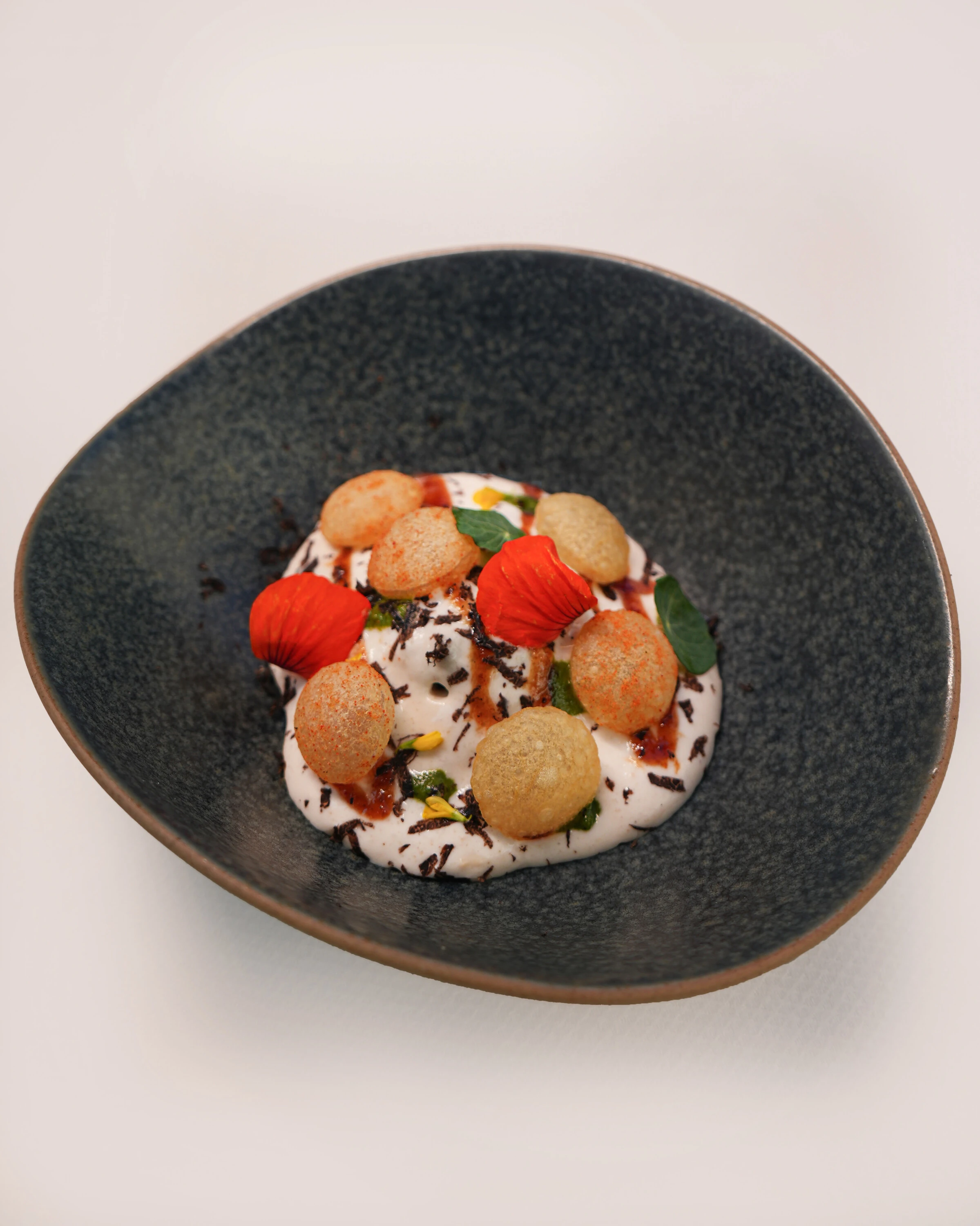
The first impression for any patron who wants more is simple: money-hungry capitalist restaurant owners serving less to save more. Maybe? Maybe not? These tiny plates – and the tweezers performing surgery on coriander stems – are expensive. It probably costs far more to painstakingly plate a dish like that than it does to throw four more pieces of chicken onto a plate. Not to mention the hours of thought that go into creating it. Money might be a motive, but surely not a good one. And that's where the second direction comes in.
The second direction is à la carte small plates at fine-dining restaurants – plates similarly sized to tasting menu courses, but served standalone. This is where things get more interesting, because the curation now lies in the hands of the diner, making it much harder to justify small plates, however good they may be.
Why, you ask? I've been to plenty of ‘elevated’ Asian spots where a plate of three dumplings costs ₹695 or a tiny tomato carpaccio is priced at ₹795. The food may be delicious, but when every dish is ordered in isolation, it's hard to ignore the mismatch between portion, price and satisfaction. And what is the chef's intent here? To tell me a story, or simply to make me order three more dishes? Pricing, then, plays a much bigger role.
My point’s simple: the small-plates culture only works when it's curated.
Other reasons why portions are getting smaller
We're currently witnessing a cocktail boom in India, especially across Delhi, Mumbai and Bengaluru. Cocktail bars are mushrooming across the poshest parts of each city, and folks are flocking to them night after night.
Naturally, bars must design smaller plates to pair these cocktails with, and most don’t offer large plates at all. It makes sense: drink more, eat lighter. But what often gets forgotten is that this is only one kind of diner, who nibbles at tiny portions while getting steadily drunk. In catering to the high-spending tequila lover, the person who simply wants a generous plate of food to soak up all the booze is quietly left behind. I'm guilty of doing this at my own bar too. Sorry, Dad.
Another thing that manages to irritate people is aesthetic presentation. For people who see food as functional – like my dad – plating gulab jamun on a rock or serving beer in a wine glass is ridiculous. ‘Intellectual’ food, he calls it. But for the avid Instagram consumer, aesthetic is everything. Perhaps it even changes how we perceive taste.
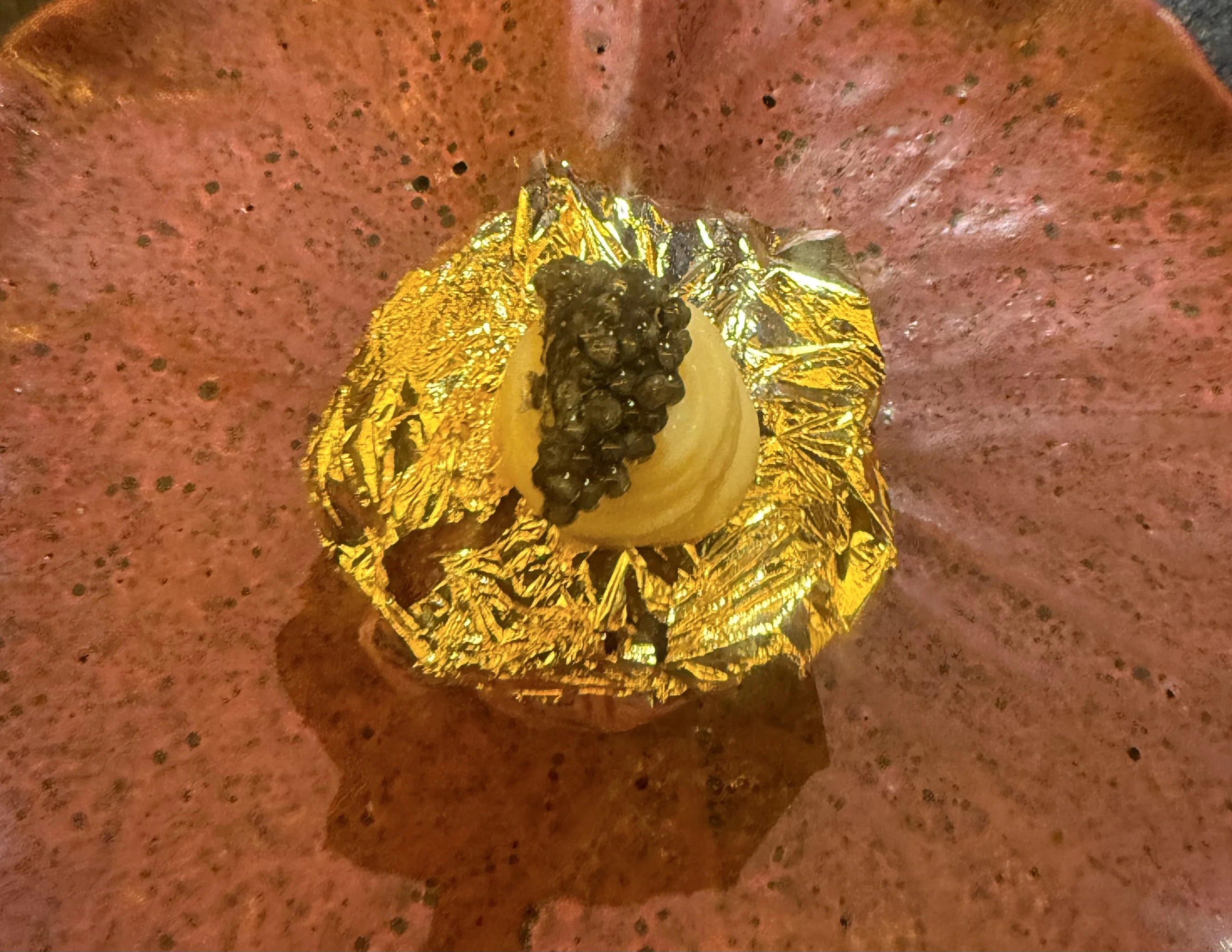
I think social media’s to blame. Restaurateurs have caught on that young people with a little disposable income will happily drive across town for avante garde looking stuff that’s sure to get them clout via Instagram story. Who wants to photograph a bowl full of prawns in gravy when you’ve got three perfectly placed prawns over an elegant swirl of velouté?
Is storytelling around food getting old?
The last – and, in my opinion, the most fatuous reason of all – is the pompousness that sometimes accompanies small plates. There are chefs who have spent decades building philosophies around food. Their stories are earned, understood, accepted and appreciated. But if it's really that much of a story, why are you breaking it up into à la carte dishes?
Sometimes, storytelling’s just a fancy cover-up for mediocre plates. I don't want to hear about the farmer's son who watered the tomatoes for this bruschetta if the bruschetta itself doesn't taste good. Hiding mediocre cooking behind beautiful ceramics and theatrical plating is simply persuasion without flavour. And the moment that storytelling convinces you that chefs cooking traditional à la carte food are somehow beneath you, you've completely lost the plot. Even the finest small plates begin to rot under that kind of attitude. Food is food. Cooking is cooking. Irrespective of portion size, one thing will always remain primary: taste. Who's to say that large can't be just as beautiful?
The verdict
Dinner with Dad ended just fine. He enjoyed a few things, longed for a few others, and didn't wait very long to dismiss a couple. But it left me with three thoughts.
First, the mini-everything trend feels like a phase. We're living in an era of minimalism and minimisation, where scarcity somehow equates to value. Small feels sophisticated. Restrained feels premium. And while I may be wrong, every design movement eventually swings the other way.
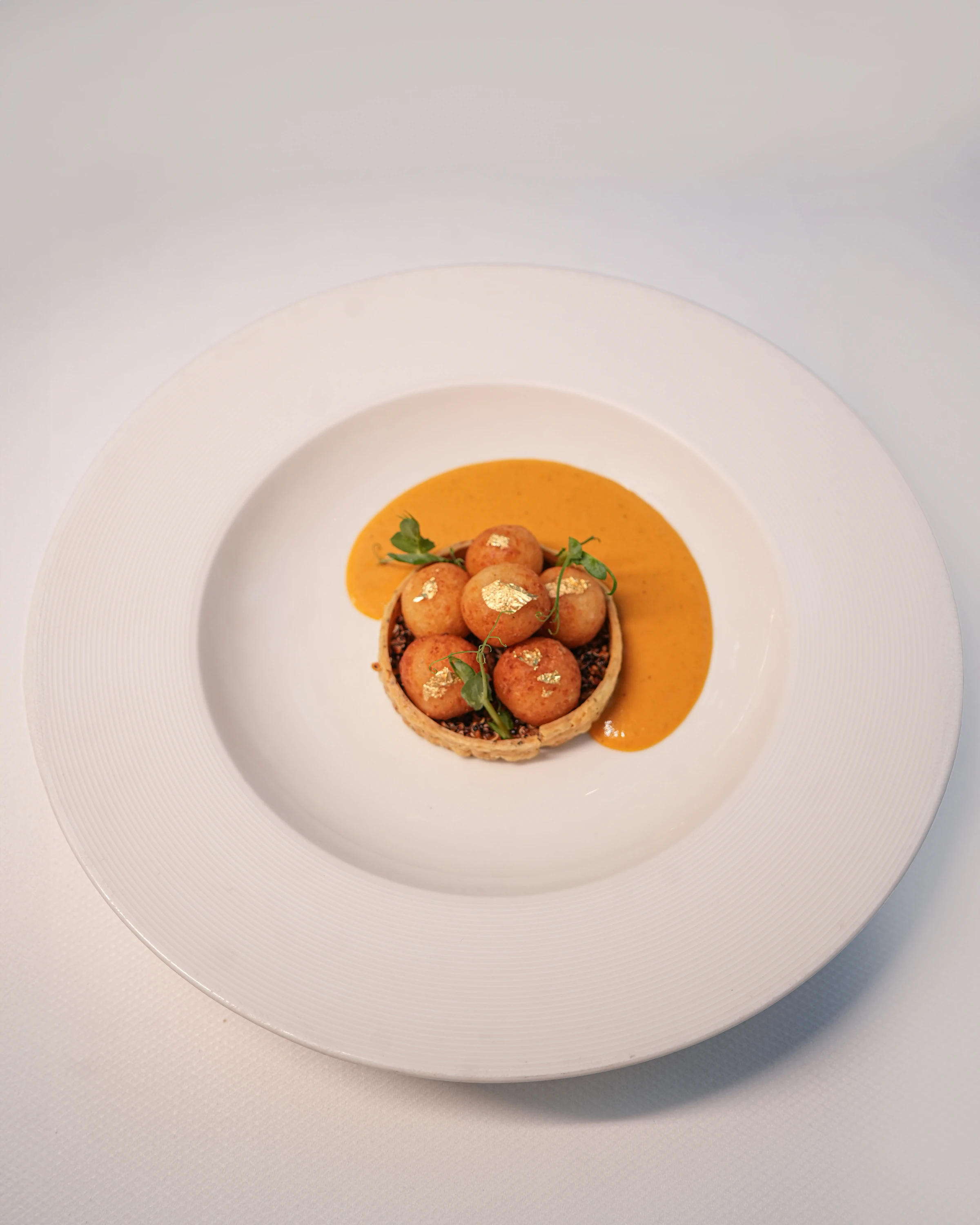
Second, this isn't just happening in restaurants. It's the design language of our time. Buildings are minimal. Clothes are minimal. Homes are minimal. Plates are minimal. We are, in many ways, living through a minimalism movement of sorts, and it's influencing everything we create.
And finally, we need romance. Food has always been an act of romance – with ingredients, with craftsmanship, with the senses, and with the people gathered around the table. Trends may dictate how we plate food, but they'll never change why we gather around it. There will come a time when those tiny sparks from small plates won't be enough, and we'll crave fireworks instead. So, for now, smell more. Eat less. Because I have a feeling the era of big tables, big plates, and big naps isn't too far away.