

[image]
[title]Some of Johannesburg’s most important histories are hiding in plain sight.
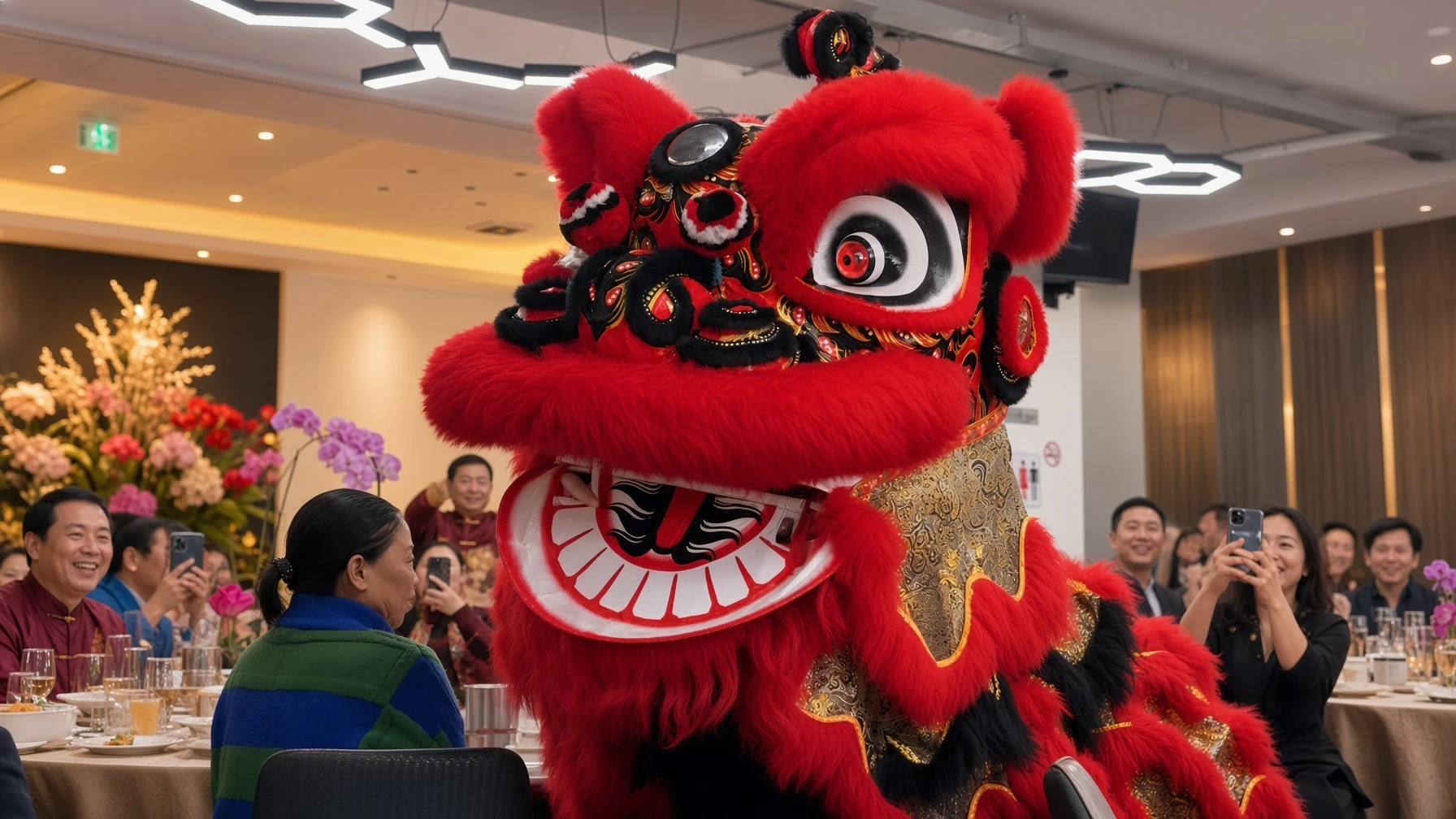
I was reminded of that recently, sitting around a table at Xiang Restaurant in Edenvale, celebrating the 20th anniversary of The Chinese Association (Gauteng) Women’s Federation.
Nine courses stretched over a long afternoon with traditional dress, music, singing and education.
The Chinese Association, or TCA, was established in Johannesburg in 1903, originally as the Transvaal Chinese Association, representing a community of only about 900 people. Within a few years its members were resisting laws requiring Chinese and Indian residents to register and be fingerprinted. Later, under apartheid, Chinese South Africans faced discrimination affecting everything from property ownership and education to business, movement, marriage and voting rights.
That history is important because often minority histories become invisible, not because nothing happened, but because there were fewer people around to make sure their stories were heard.
The Women’s Federation was established in 2006, but its work is connected to that much longer tradition of persistence.
Under women like longtime chair Shirleen Man, resistance has often taken a quieter form: caring for elderly people, preserving culture, fundraising, supporting children, organising food and blanket drives, collecting sanitary products and helping communities far beyond the Chinese community itself. In 2025, TCA volunteers including the Women’s Federation collected food, clothing, books and handmade winter goods before travelling to a care centre in Tembisa, where they served hundreds of local residents.
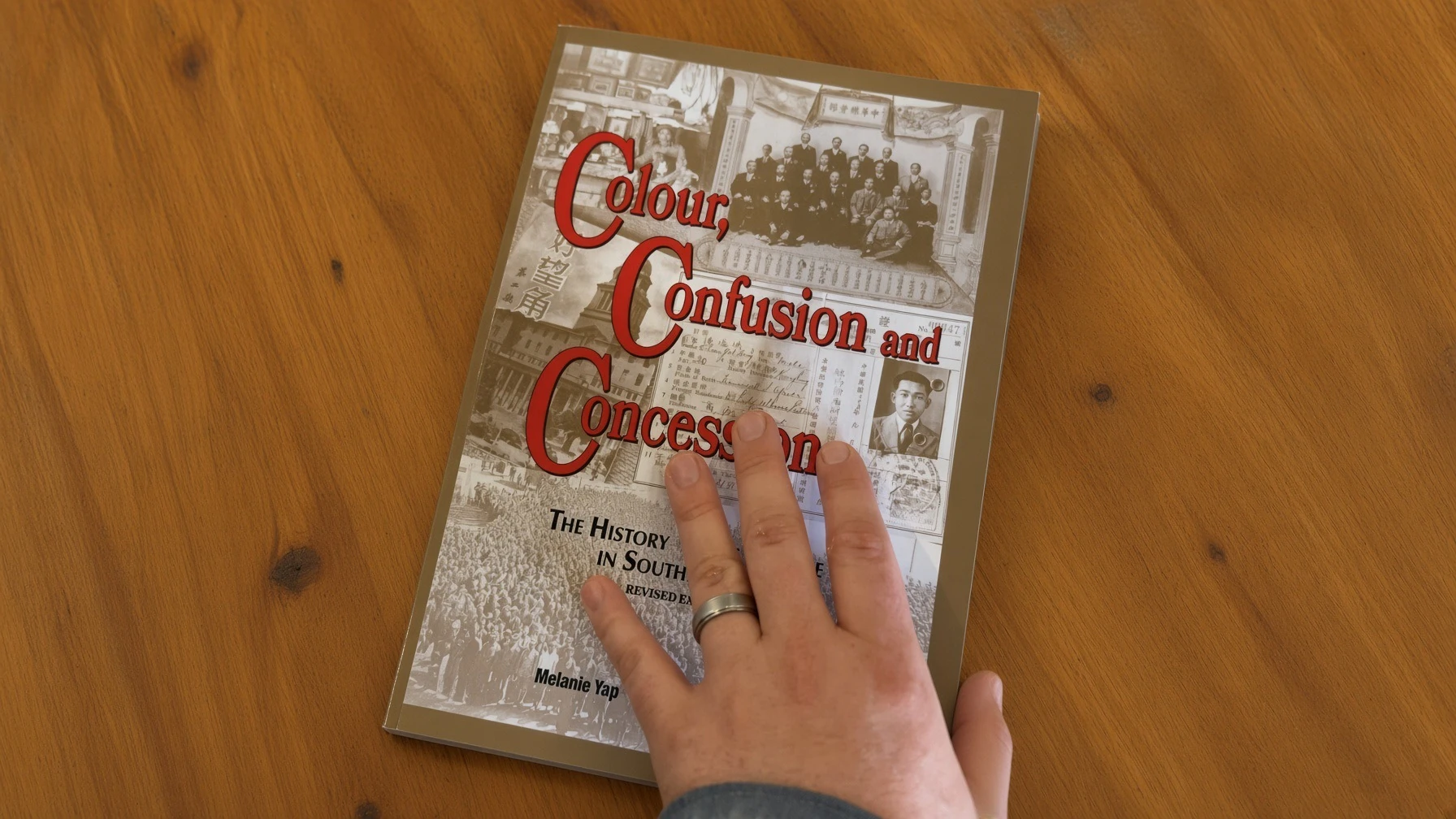
At the anniversary, Dianne Leong Man and Melanie Yap spoke about their extraordinary book, Colour, Confusion and Concessions: The History of the Chinese in South Africa.
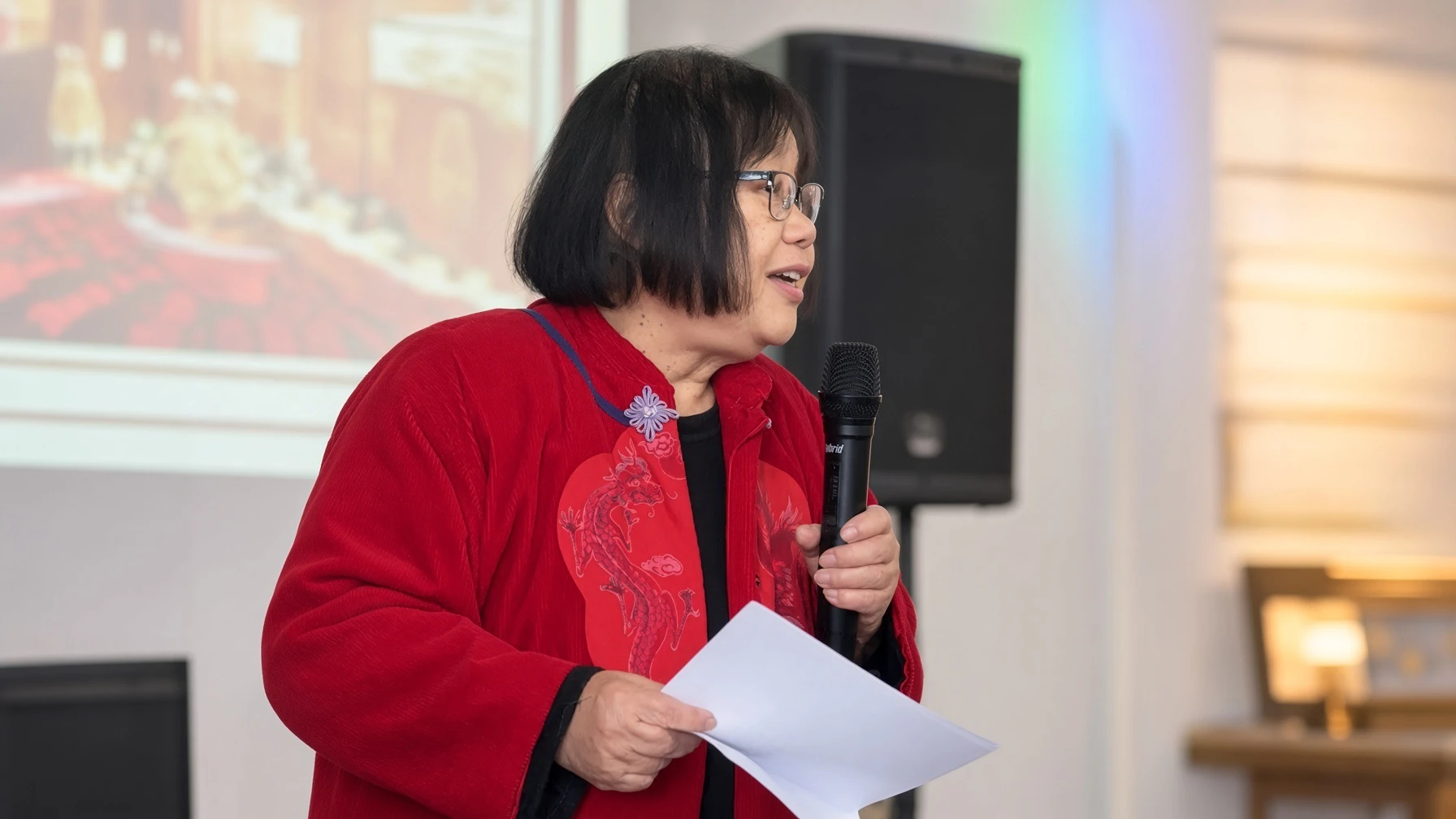
Originally published in 1996, the history was substantially updated in 2024. Leong Man is a third-generation Chinese South African and longtime Wits librarian; Yap is a South African journalist who served for 14 years as general secretary of the Chinese Association of South Africa. Their work documents a community that conventional South African history had largely overlooked, including two landmark modern legal battles.
When a flood of racist social-media posts targeted Chinese people in 2017, the TCA took the matter to the Equality Court. Attorney Joyce Nam-Ford, herself a South African woman of Chinese descent and a TCA legal figure, acted for the community pro bono. Five years later, the court found multiple respondents guilty of hate speech, harassment and unfair racial discrimination. Nam-Ford later recalled being frightened not simply by the insults, but by threats directed at Chinese children.
It followed another landmark judgment in 2008, when the High Court recognised South African Chinese people within the statutory definition of “black people” under the Employment Equity and B-BBEE Acts, an acknowledgement rooted in the systematic discrimination they had suffered under apartheid.
Sitting at that lunch, I was reminded that resistance doesn’t always look like a march.
Sometimes it is a courtroom.
Sometimes it is a history book.
This Heritage Month, TCA Women’s Federation’s 20th anniversary feels worth acknowledging.
Johannesburg is richer because they stayed, resisted, remembered, and kept showing up.
Follow Time Out Johannesburg on Facebook, TikTok and Instagram! While you're at it, sign up for our newsletter to receive even more of the best of your city.
TIME OUT JOHANNESBURG RECOMMENDS:
📍 The best things to do in Johannesburg
🏨 The best hotels in Johannesburg
🍽 The best restaurants in Johannesburg
🛏️ Where to stay in Johannesburg
📢 Latest news from Johannesburg