[category]
[title]
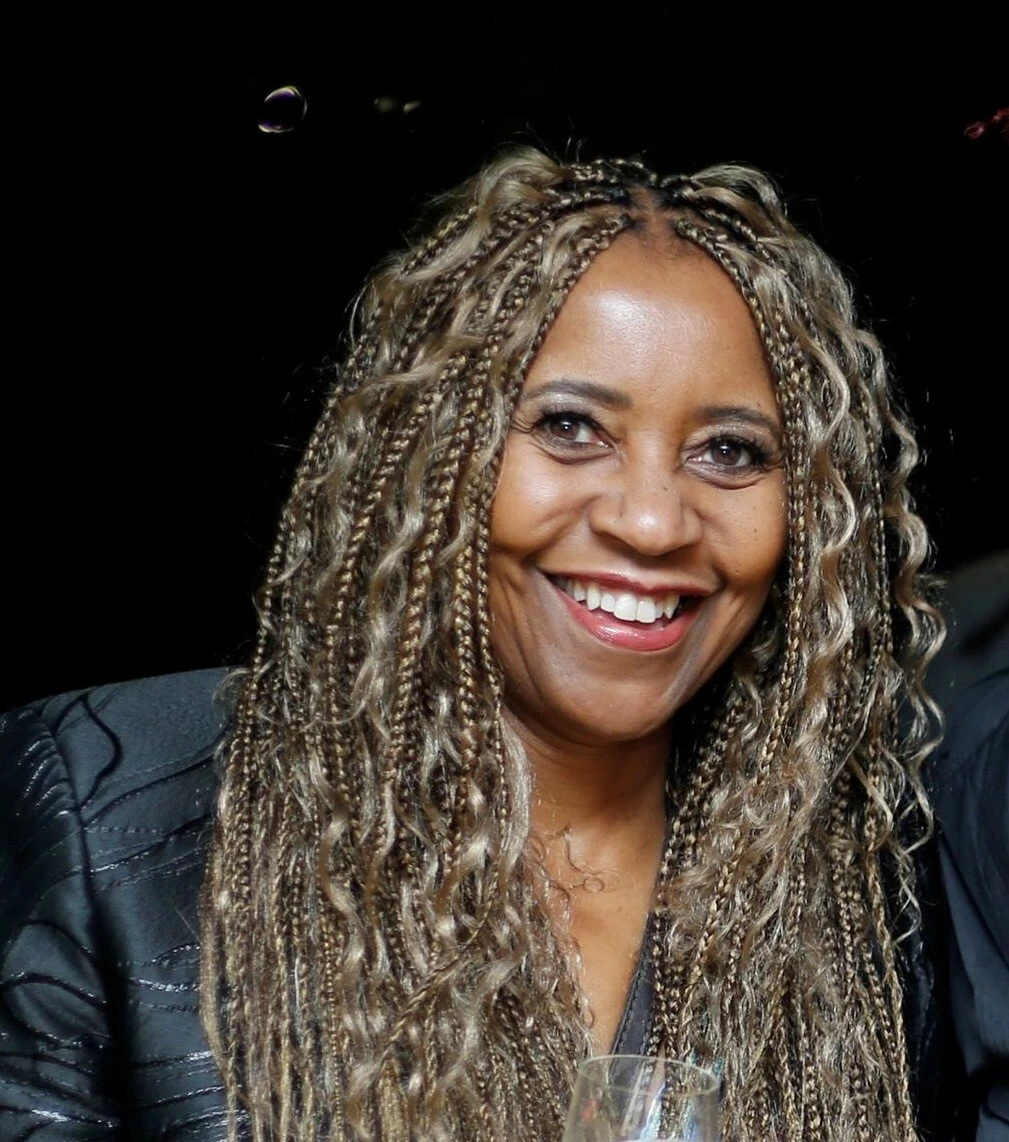
Entrepreneur Monalisa Zwambila says sanitary necessities, pregnancy, menopause and other women specific costs are too high and she has a solution for these challenges.


The cost of being a woman is typically associated with make-up and beauty products, fashion and the like, but these are not necessities.
"How much money do women part with for their biologiocal essentials?" is a question that Riverbed Agency founder Monalisa Zwambila is answering with her newly launched app ,Femio.
Not only that, she is also advocating for women to be rewarded with discounts, cash back, financial services and other benefits for the monthly costs of simply being women.
For example, the first inclusive prototype for car safety was developed in the mid 1980s. This was not done for the benefit of women though.
It was designed for expectant fathers who struggled to understand their pregnant partners' extreme exhaustion, insomnia and other physical limitations that were related to the pregnancy.
While things eventually started to change, it was not until 2021 that car brands started to become more conscious as prior safety measures were designed by remodelling men's physique instead of taking women's features into account.
How would it work?
The app helps women calculate menstrual, reproductive, pregnancy, menopause, safety and the other basic costs that are unique to them. After downloading, I spent a few weeks observing, learning and familiarising myself with its functionality.
Based on my current salary and job specifications, the monthly income pay gap between myself and counterparts who are men, is R4530. The current lifetime cost of my womanly essentials is R1.8 million.
Monalisa shares that during research, she and her team examined R10 000 as the average salary, focusing on unbranded sanitary pads and tampons. They found that by the time they turn 49, this demographic of women would have spent R340 000 on average on their sanitary needs.
At the launch event held in Sandton during women's month, Monalisa alerted guests to rewards platforms not necessarily being women-centric.
View this post on Instagram
In our follow-up interview she shares her vision to see a shift where women are able to get back some of the money that women lose because of their cost of being a woman.
"From a Femio perspective, the rewards you get are over and above what you're getting with retailers. The main difference is that every woman should be awarded because they already have this cost that their male counterparts don't have," she explained.
She says her research also revealed that women typically spend more on food, clothes and school fees for their children than men do.
Additionally, the data shows that men tend to focus on things like alcohol, gambling and other forms of adult entertainment, while women prioritise differently. But these priorities are still outside the scope of the biological cost of being a woman.
From family and ambition to romantic relationships and supporting women-owned businesses, Monalisa's app really leans into women's natural inclination to be cultures of community
Who is Monalisa Sibongile Zwambila?
The self-made businesswoman was not born with a silver spoon in her mouth. Hers is a story of survival and resilience, having attempted three business ventures that did not work out before she eventually founded Riverbed.
She remembers feeling like she was trying with all her might to pour into these potential businesses, and when they didn't materialise the way she had hoped, it added a bit of pressure as she also had children to take care of.
"I call it unbending resolve, as opposed to resilience because no matter what is coming at you, keep on trying to put one foot in front of the other. You wake up every day, set a bunch of goals and you do everything you can to make that happen," Monalisa shared.
She also shared her challenges with finding a job after her divorce, saying while this was a very low and painful point in her life, she knew she had to make a life for her kids.
"One day you're married and you're all doing well, and then suddenly you're at rock bottom and everyone else is carrying on with their lives, you become isolated.
“And this is what happened to me. It took nearly a year to find my first job and it wasn't necessarily the highest paying of jobs. My mom and siblings were a really solid support system," she said.
Monalisa’s never-say-die spirit helped her claw herself out of circumstances that she almost thought would be permanent, and a lot of us can learn from her. Femio can be downloaded on Google play or the Apple store.
Follow Time Out Johannesburg on Facebook, TikTok and Instagram! While you're at it, sign up for our newsletter to receive even more of the best of your city.
TIME OUT JOHANNESBURG RECOMMENDS:
📍 The best things to do in Johannesburg
🏨 The best hotels in Johannesburg
🍽 The best restaurants in Johannesburg
🛏️ Where to stay in Johannesburg
📢 Latest news from Johannesburg
Discover Time Out original video