[category]
[title]
We often mark Mandela Month with speeches, famous quotes and 67 minutes of service. All of that is important. But there is another, deeply South African way to connect with history. You can eat it.

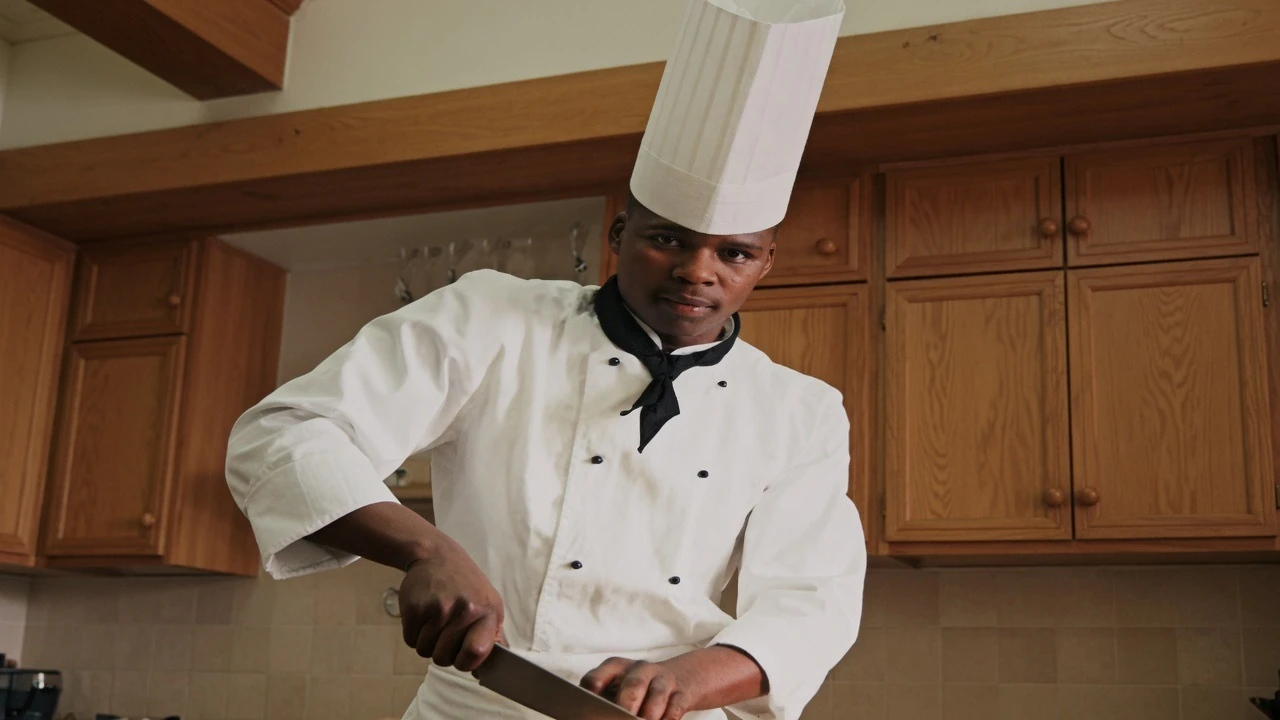
Imagine being 24 and trusted to prepare food for Nelson Mandela.
Not just food for a president, but food for a man who had spent 27 years in prison, separated from his family, his home and many of the flavours that had formed him.
That responsibility fell, in part, to a young Eastern Cape chef named Andile Somdaka, who became one of the chefs entrusted with cooking for the father of democratic South Africa.
He would later also cook for President Thabo Mbeki.
Andile has since become my friend, but every time I hear him speak about those years, I am struck by the scale of the task placed in his hands.
Madiba did not need someone to introduce him to expensive ingredients or complicated fine dining. He needed someone who knew the food of the Eastern Cape because he had grown up eating it too.
Andile recalls preparing a simple maize-meal porridge with milk, water and butter for Madiba. At lunchtime, Mandela enjoyed fish, particularly grilled or poached, served with roasted vegetables. His tastes were comforting, modest and connected to his home.
A meal doesn’t need to be luxurious to be significant. Sometimes the most powerful thing a chef can put on a plate is something you recognise from your past: the smell you remember, the texture you grew up with and the flavour that briefly transports you back to the people and places that made you.
Today, Andile carries that philosophy into Eziko, his traditional African restaurant and catering business in Midrand.
When I visited him for the first time, he put down a feast.
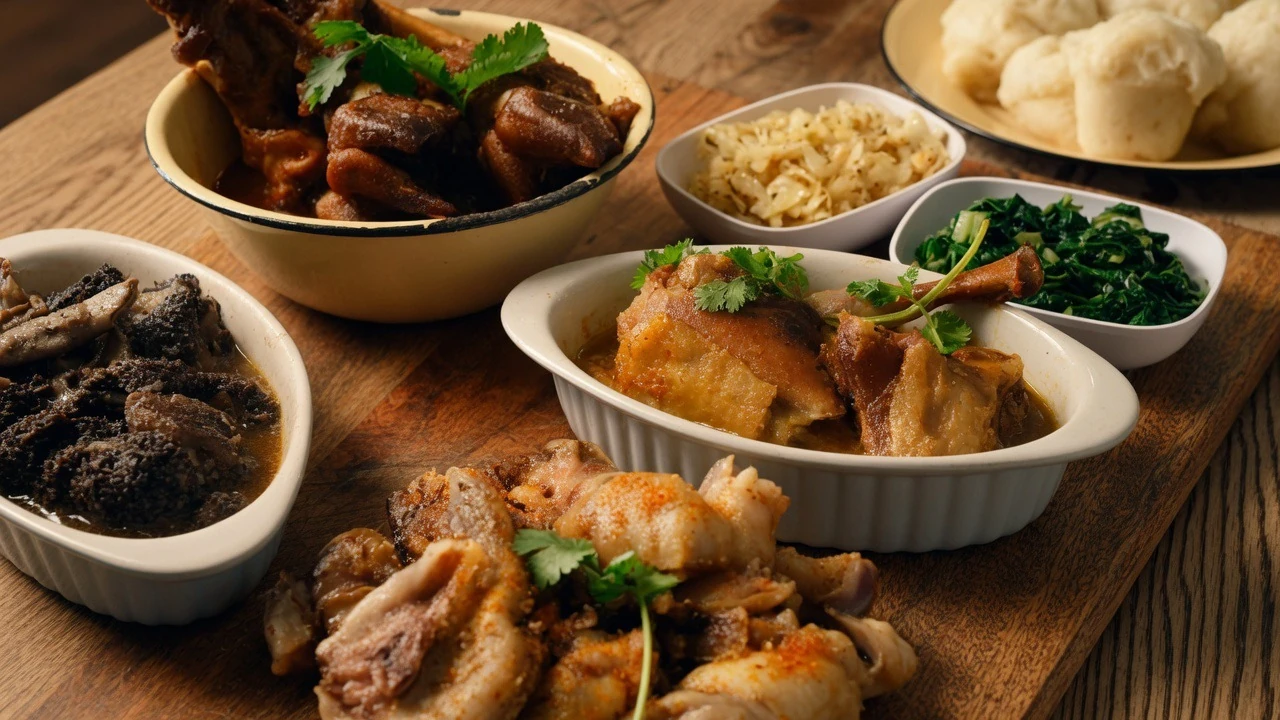
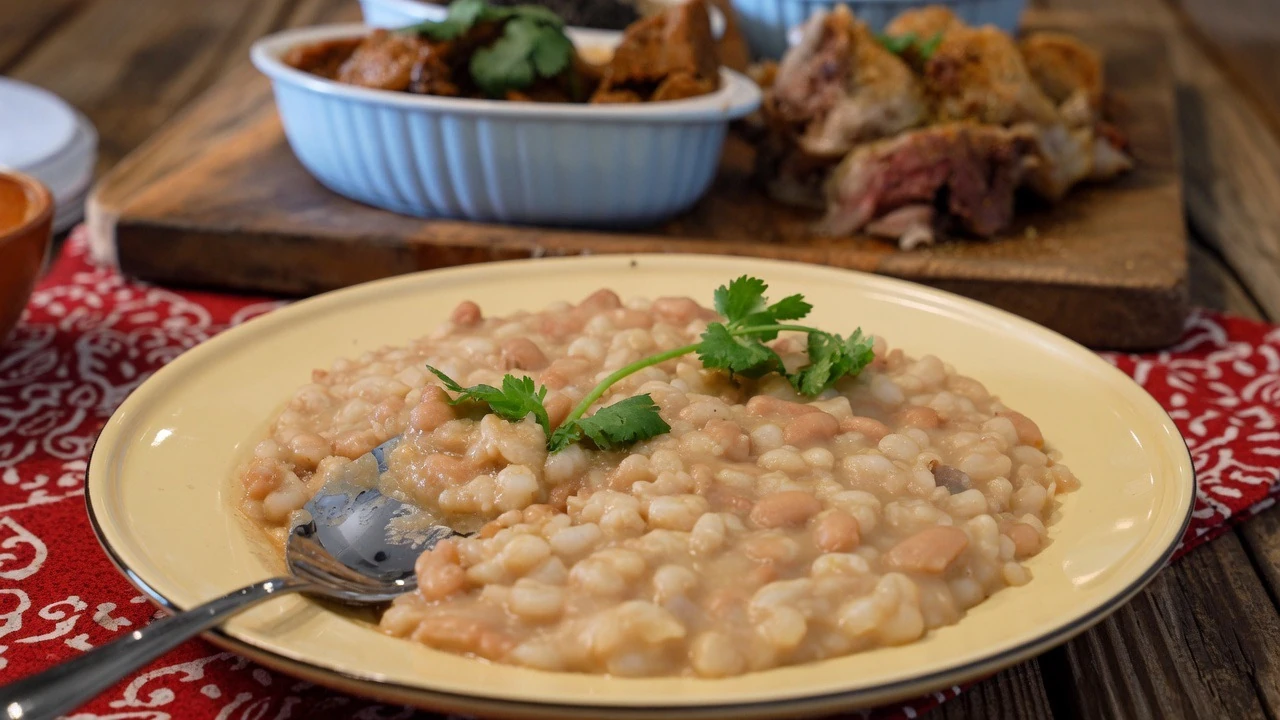
There was ox liver, skop, trotters, tripe, hardbody chicken, beef stew and vegetables. Then came ox tongue, boiled with lemon, carrots, onions and bay leaves until it was so soft it almost melted beneath the fork.
The tripe was tender and savoury. The hardbody chicken had that unmistakable, concentrated flavour you do not get from an ordinary supermarket bird. The stews were rich, slow-cooked and generous, with the kind of gravy that makes whatever starch is next to it disappear very quickly.
Before we ate, Andile walked me through the vegetable garden, where he grows some of the produce he uses in his cooking. It made the experience feel even more complete. The story began in the soil, continued through the kitchen and ended with a group of people eating together.
Some diners still approach ingredients like tripe, tongue, trotters and skop with hesitation. But these dishes carry generations of knowledge. They represent South Africa's ability to waste nothing, transform tougher ingredients with patience, and create extraordinary flavour from what others might overlook.
Andile founded Eziko after serving both Mandela and Mbeki, building a business around traditional African cuisine while mentoring and training younger chefs. His mission has remained remarkably consistent: to give indigenous South African ingredients and dishes the respect they deserve.
This Mandela Month, go to Eziko hungry and curious.
History is being served.
RECOMMENDED:
📍 The best things to do in Johannesburg
🛏️ Where to stay in Johannesburg
🏨 The best hotels in Johannesburg
🍽 The best restaurants in Johannesburg
🍺 The best pubs and bars in Johannesburg
Follow Time Out Johannesburg on Facebook, TikTok and Instagram! While you're at it, sign up for our newsletter to receive even more of the best of your city.
Discover Time Out original video