[category]
[title]
Johannesburg has never had one defining look but its communities have always known how to make style their own.


When we talk about South African heritage, we often think of food, music and language first. But look a little closer at what people wear and you’ll find just as many stories hiding there. The way people dress has always been shaped by where they live, the music they listen to and the cultures around them.
Today, Johannesburg boasts various fashion boutiques, sneaker stores and local designers, but the greater province’s relationship with fashion goes back much further. Walk through the history of Gauteng and you’ll find fashion everywhere, from the carefully put-together suits of Sophiatown to pantsulas’ instantly recognisable look and skhothane's unapologetic approach to dressing.
For many communities, clothes formed part of how people expressed identity, ambition, creativity and pride.
And it’s not just Johannesburg that has a fashion story to tell. Jazz, kwaito, house and amapiano have each left their mark on the way South Africans dress, giving different generations their own looks and ways of expressing themselves.
Here’s a closer look at the places, communities and cultural movements that have shaped how Johannesburg dresses.
There’s an interesting side to Johannesburg’s fashion story in the city’s inner city. Around Pritchard Street, the garment industry employed about 35 000 people at its peak in the 1930s, dropping to around 6 000 by 1982.
The industry has changed, but fashion is still part of the area’s fabric. Today, around 1,000 businesses, from manufacturers and designers to retailers and suppliers, operate in the Fashion District.
It is a reminder that Gauteng’s fashion story isn’t only about the clothes people wear. It is also about the people who design, make, sell and build businesses around them.
To understand an important chapter in greater Gauteng’s fashion history, look back to Sophiatown. Before the forced removals of the 1950s, this Johannesburg neighbourhood was a cultural hotspot, home to jazz musicians, writers, political activists and a thriving shebeen scene. It was also a place where international influences mixed with local culture, helping create a new kind of Black urban identity in Johannesburg.
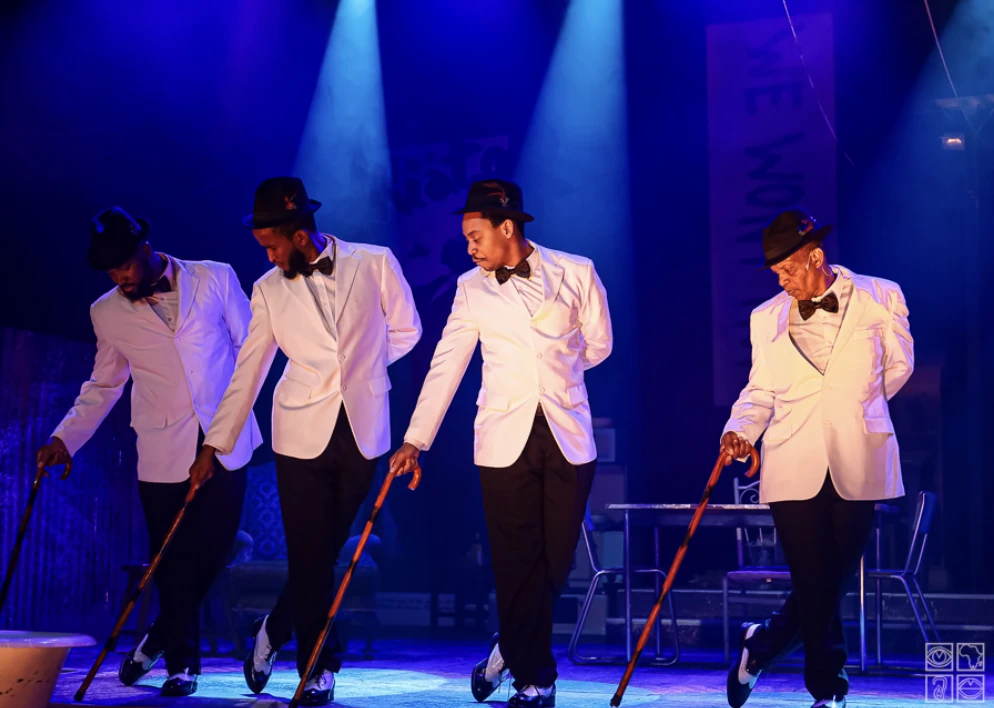
Fashion was woven into Sophiatown’s music and nightlife. Young men associated with tsotsi culture were often dressed to impress, with sharp suits, polished shoes and fedoras forming part of the look. American jazz and cinema influenced the style, but once those ideas reached Johannesburg, they were reshaped into something distinctly local.
It’s important to note though, that while the documentation of jazz technically began in New Orleans, USA around the 1800s, foundational jazz culture existed among African communities before the US was even founded.
The forced removals of the 1950s in Sophiatown changed the neighbourhood, but simply couldn’t erase its influence. Its residents carried its sounds, styles and cultural traditions into the communities where they were forced to relocate.
Alexandra is another name that comes up when tracing the early story of pantsula. The culture emerged in Johannesburg’s townships during the 1950s and 1960s, with Alexandra and Sophiatown both associated with its development. It may have started with dance, but it quickly grew beyond that, bringing together music, movement, attitude and a distinct approach to fashion.
For pantsulas, getting dressed was part of the routine. Dressing well became a way to express pride, confidence and individuality while standing out from the crowd.
Over time, the look evolved with each generation. The tailored suits of its early years gradually shared space with sneakers, workwear and other streetwear influences.
To understand Soweto’s fashion, you have to look at the music playing in the background. From formalwear and denim to sneakers and tracksuits, the sounds coming out of the township have helped shape what people wear.
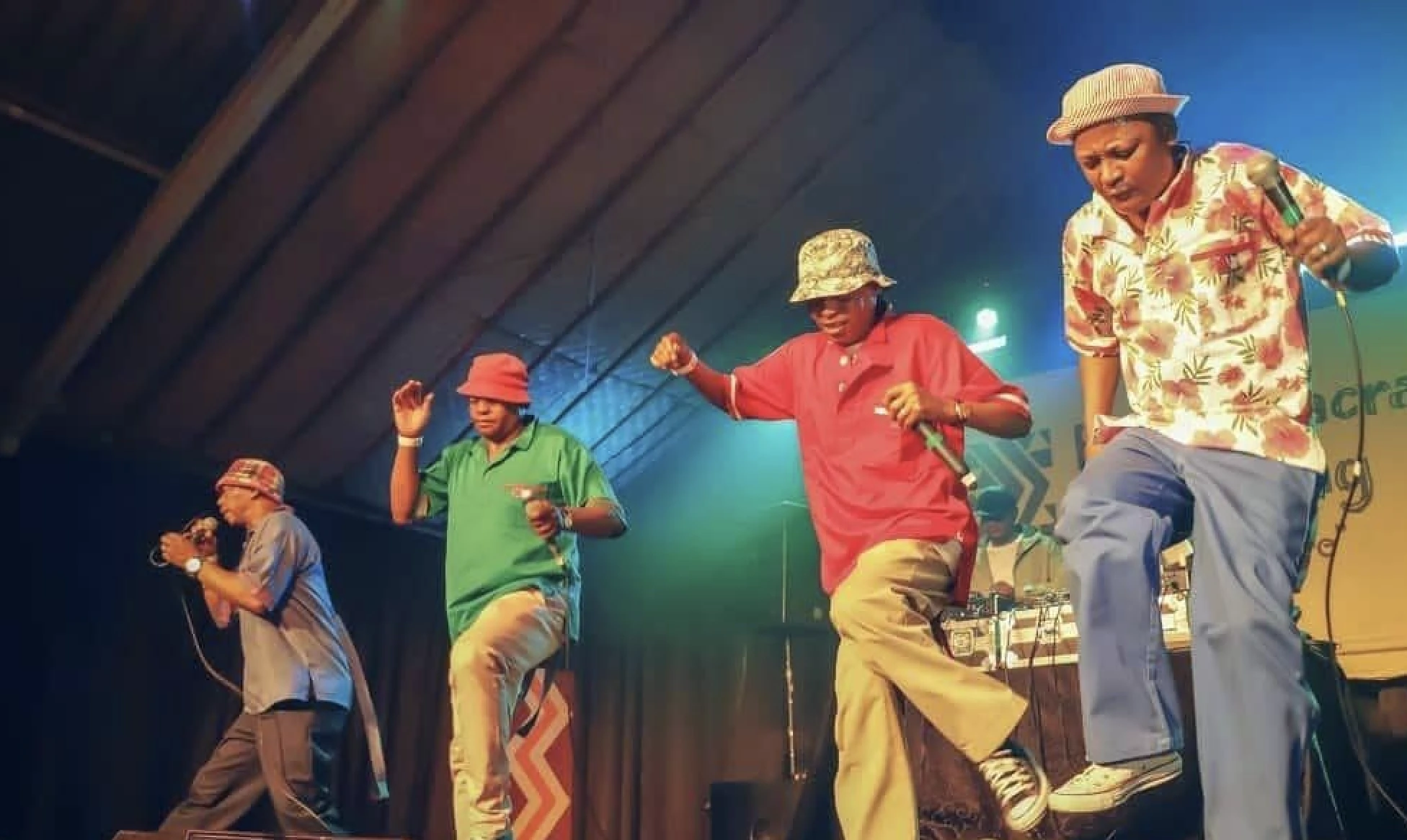
Kwaito became the soundtrack for a young generation coming of age in the 1990s and post-apartheid South Africa. Baggy streetwear, sneakers and bucket hats became part of the era’s youth style, as artists and fans brought their own fashion sensibility into the mainstream.
On the East Rand, fashion was shaped as much by work and industry as it was by music and youth culture. Mining and manufacturing helped towns such as Benoni, Brakpan, Springs, Boksburg and Germiston grow, creating working communities where clothing, textiles and footwear also became part of the local economy.
Take Benoni, where Amato Textile Mills employed thousands of African workers for example. The factory became a significant part of the town’s industrial landscape, connecting the East Rand to the production of textiles and clothing.
Retail was another part of the story. Warners first emerged as the Brakpan Leather Company, supplying local cobblers with leather and shoe and boot products before expanding into shoe stores across several East Rand communities.
By the mid-2000s and early 2010s, skhothane was making its mark in Gauteng’s townships. Bold brands, statement outfits and carefully styled looks became a way for young people to express status, identity and individuality.
You weren’t going to miss a skhothane outfit.
Colourful designer clothes and bold accessories made fashion impossible to ignore, while dressing up became a way to express status, ambition and individuality.
Skhothane had influences that came before it, including pantsula and umswenko. What made it different was the way it turned fashion into a bigger statement about status and self-expression.
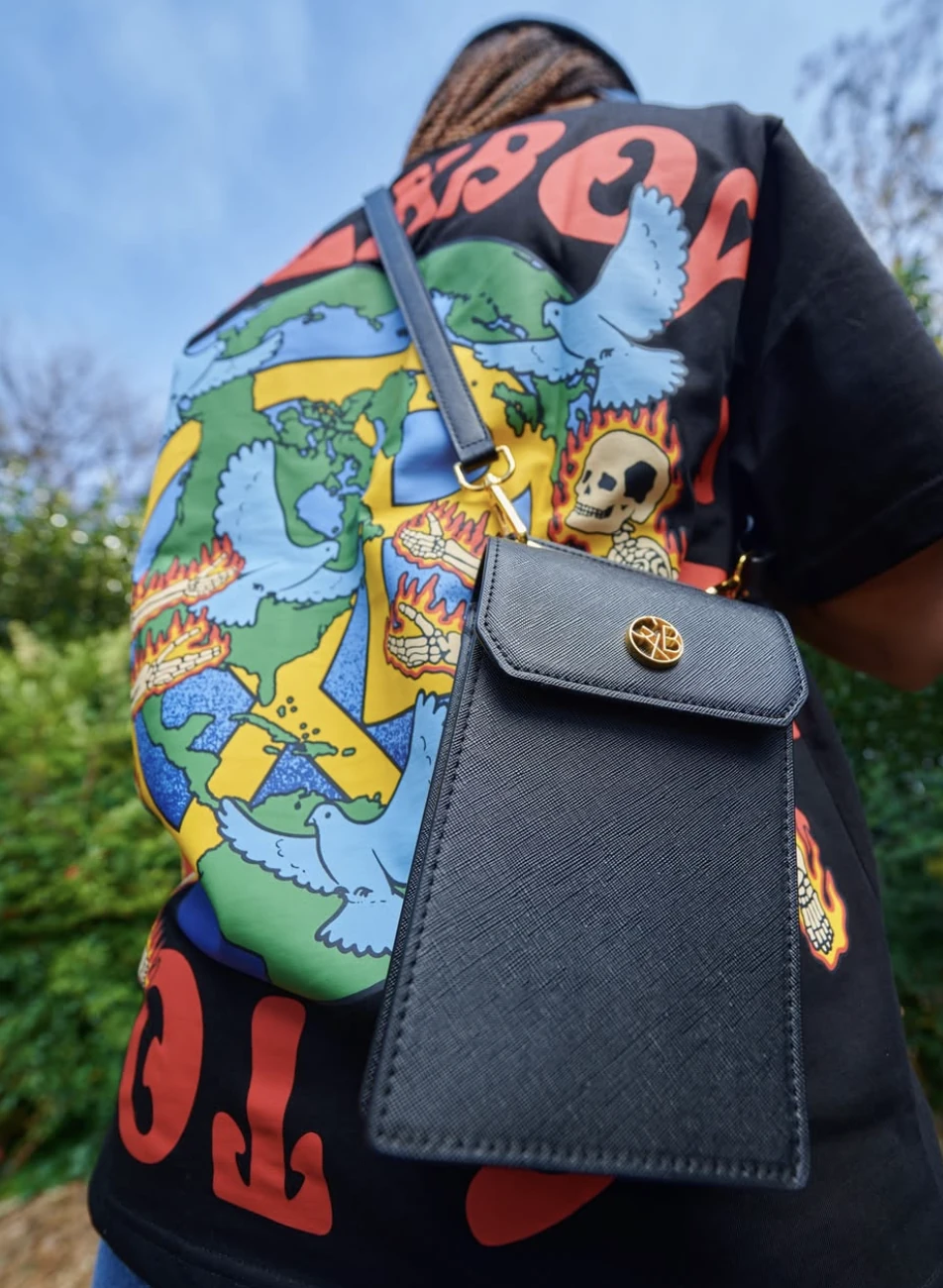
Mamelodi’s fashion scene continues to grow, with local designers and streetwear brands putting the township on the map. Among them is Thatiso Dube, the Mamelodi-born founder and creative director of GALXBOY.
In 2008, while still at school, Dube started printing T-shirts for his friends. That small passion project eventually evolved into GALXBOY, with Mamelodi culture continuing to influence his work.
That creative energy is also visible through Street Cotton, a fashion movement founded in Mamelodi in 2021. It brings designers, photographers, models and artists together while its street runway gives young creatives a platform to showcase their work.
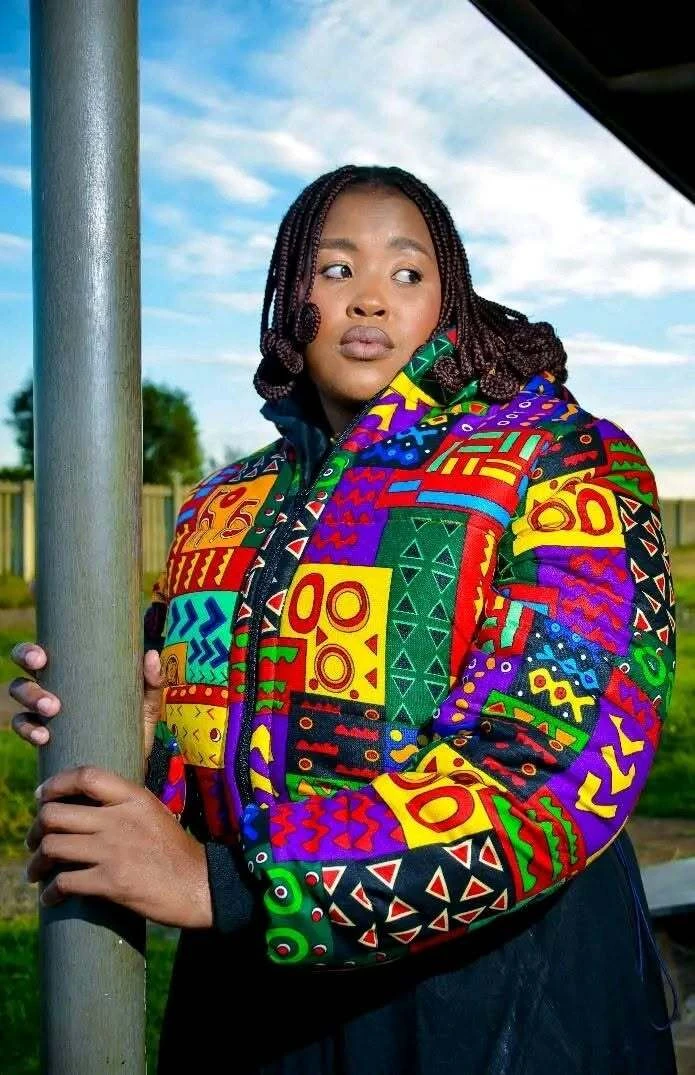
Traditional attire has a place in that story too. Mamelodi designer Madira Matjeke has built her work around traditional garments, including Sepedi-inspired designs, bringing heritage into contemporary fashion.
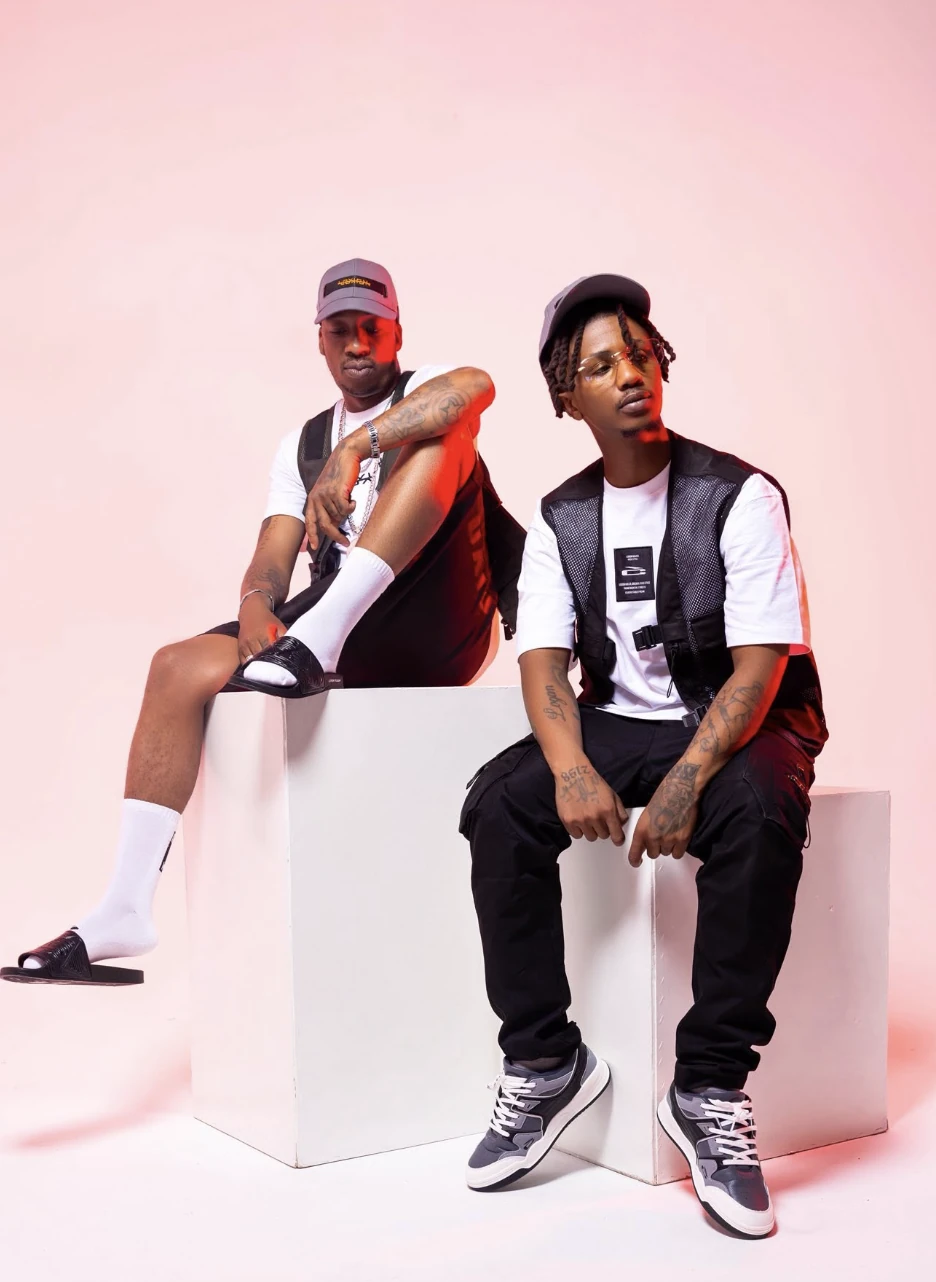
Walk into an amapiano crowd and the music comes with a look of its own. Tracksuits, sneakers, relaxed silhouettes, statement sunglasses and accessories have become part of the visual language, while artists and fans continue to put their own spin on it.
That influence has even crossed into formal fashion collaborations, with Major League DJz teaming up with boohooMAN in 2024 on a collection built around oversized fits, relaxed silhouettes and streetwear.
These days, a trend doesn’t need months to move between communities.
TikTok and Instagram can send a new look across Gauteng and far beyond in a few hours. The difference is speed, not the instinct to experiment, adapt and put a local twist on what catches your eye.
Perhaps that’s what makes Gauteng’s fashion history so interesting. The looks are ever changing, but there is always another generation ready to take what came before, add a new spin something and make it their own.
From Sophiatown’s sharp suits to pantsula, skhothane and today’s amapiano-inspired streetwear, Gauteng’s fashion history will never stopl being written.
RECOMMENDED
📍 The best things to do in Johannesburg
🛏️ Where to stay in Johannesburg
🏨 The best hotels in Johannesburg
🍽 The best restaurants in Johannesburg
🍺 The best pubs and bars in Johannesburg
Follow Time Out Johannesburg on Facebook, TikTok and Instagram!
Discover Time Out original video