[category]
[title]
Author Rephethile Sibasa is bringing literature and mental health advocacy to Soweto in her commitment to giving children access to possibility and letting them know it's okay to not be okay.


September is not only Heritage Month in Mzansi but also Literacy Month, and literature has always been a significant thread in the fabric of our heritage.
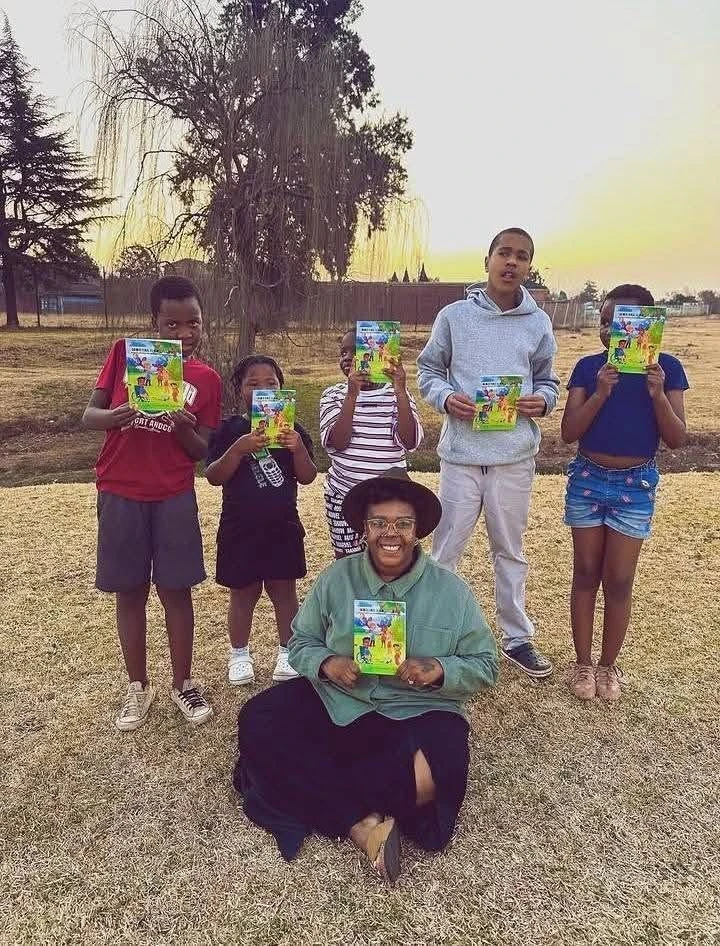
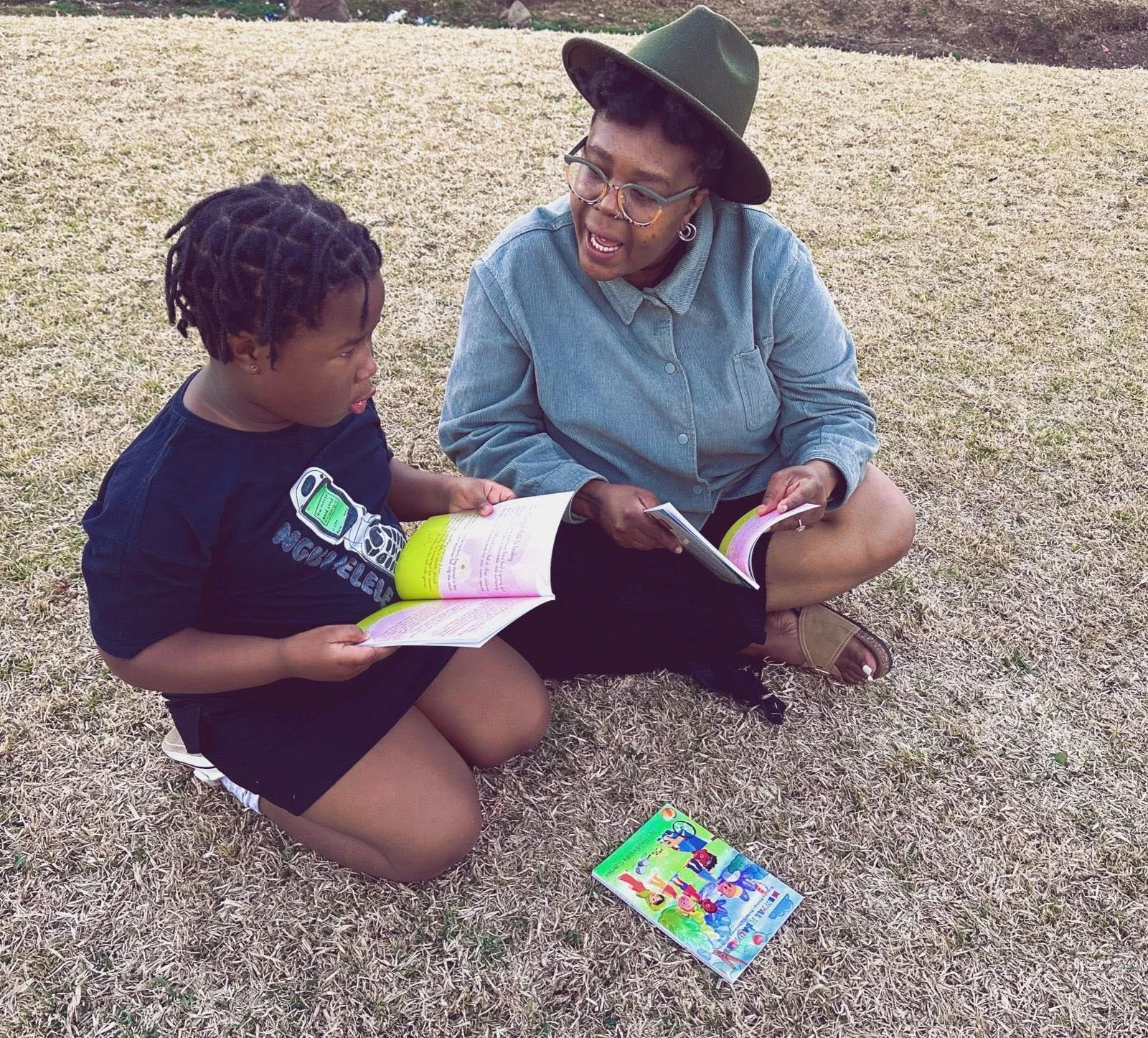
Author and mental health advocate Rephethile Sibasa is taking literature to the children of Soweto on 19 September, where she will host a special reading from her book, Mental Health ABC: Growing and Nurturing Children’s Mental Health.
Choosing Soweto as a venue is intentional; the author wants to bring the difficult and uncomfortable conversation about children’s mental health to communities that do not always have access to these resources.
She calls it giving children “access to possibility”, because books teach kids new words and help them understand different experiences, which inevitably leads them to begin understanding themselves.
More than just a reading, the event reflects the author’s commitment to creating a safe space where kids can freely share their innermost feelings, thoughts and fears, and, more importantly, understand that it is okay to ask for help.
She has observed that children’s feelings run deep, even though they do not always have the vocabulary to articulate their emotions.
“You are too young. What is stressing you?” adults sometimes say, inadvertently forcing children into a solitary state of fearing that experiencing certain feelings at their age is unacceptable.
The author says such utterances can make children feel that their feelings are not important.
“A child may then stop talking about what is happening because they feel they won't be understood. They might start keeping everything inside.”
“Children can experience stress from many different things: problems at home, bullying, losing someone they love, pressure at school, friendships, feeling different or simply not knowing how to deal with emotions they are experiencing for the first time,” she elaborates.
It is critical to remember that mental health does not have an age limit, and Rephethile believes in encouraging kids to share their worries because simply being listened to can make a child feel safe enough to open up.
Her advice to parents is to listen, take what children say seriously and create spaces where they can open up without the fear of being judged, shouted at or dismissed.
The book is a reflective journey through her own personal experiences. The author’s observation while working with kids is that adults find it easier to share information about physical health with children, but often neglect giving them the same space to unpack mental health.
The literature delves into self-worth, sadness, worry, asking for help, dealing with difficult situations and understanding that it is okay not to be okay.
Home libraries are not common in township communities, and community libraries have increasingly been closing down in recent years, which results in an even bigger gap.
“As an author and someone who works with children, I don't want books to only sit in bookstores or on shelves where some children may never reach them. I want children to see books, touch books, read books and see themselves represented in those books,” Rephethile says.
The message she wants to send to children through her book is: you matter, your feelings matter and there is always someone you can reach out to for help.
Follow Time Out Johannesburg on Facebook, TikTok and Instagram! While you're at it, sign up for our newsletter to receive even more of the best of your city.
TIME OUT JOHANNESBURG RECOMMENDS:
📍 The best things to do in Johannesburg
🏨 The best hotels in Johannesburg
🍽 The best restaurants in Johannesburg
🛏️ Where to stay in Johannesburg
📢 Latest news from Johannesburg
Discover Time Out original video